
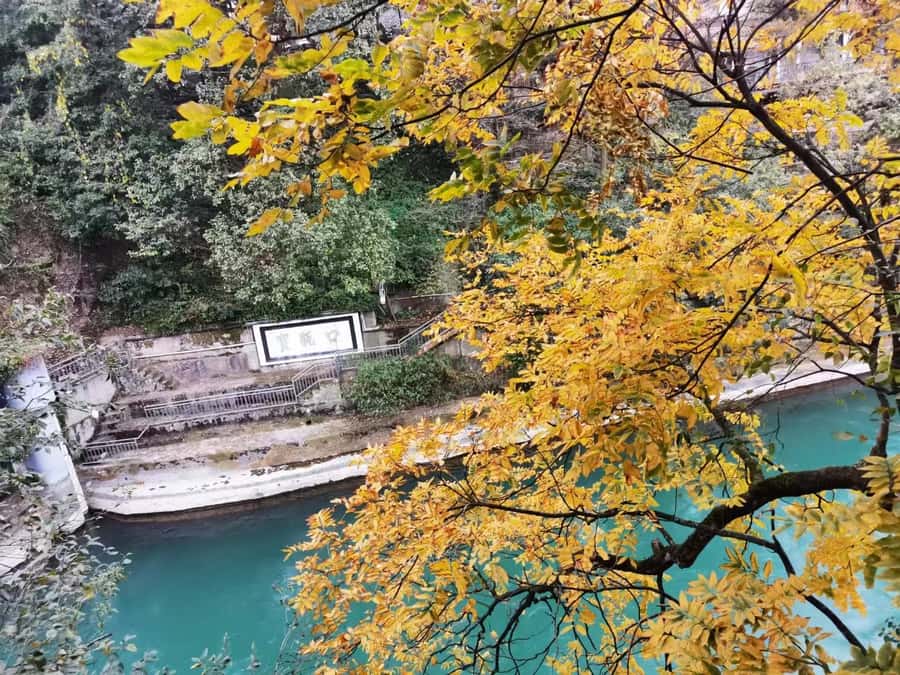
Reviewed · 1-DAY TOURS
1-Day Mount Qingcheng and Dujiangyan Irrigation System Tour
Mount Qingcheng feels like China in miniature: caves, palaces, and Taoist myth. This one-day tour pairs Mount Qingcheng with the legendary Dujiangyan waterworks, so you get two UNESCO sites in a single, efficient outing. I especially like how the route splits the mountain into Front Mountain and Back Mountain, so you see more than one side of the place.
The other big win is Dujiangyan itself: an irrigation system that helped tame the Minjiang River floods long before modern dams and concrete. I also enjoy that guides can shape the day with real context, with names like Weaver and Mark getting called out for patient, thorough explanations. The main drawback to plan for is timing stress: it’s an 8–9 hour day, and busy travel periods can mean longer waits for rides up the mountain, so your morning start matters.
In This Review
- Key points I think you’ll care about
- One day, two UNESCO sites: Taoist peaks and ancient irrigation
- Getting to Mount Qingcheng from Chengdu: the morning drive
- Front Mountain: palaces, caves, and the Taoist core
- Back Mountain: Golden Cliff, caves, and the bigger scenery feel
- Dujiangyan Ancient Irrigation System: Li Bing’s flood solution
- Time, transportation, and what can slow the day down
- Private guided vs self-guided with a driver: which option fits you
- Price and value: what $112 buys you
- Who this tour suits best (and who might not love it)
- Should you book this one-day Qingcheng and Dujiangyan tour?
- FAQ
- What is the duration of the Mount Qingcheng and Dujiangyan tour?
- Where does pickup happen?
- What does the tour include?
- Is lunch included?
- Do I need to speak Chinese?
- Which UNESCO sites are visited?
- How long do you spend at Mount Qingcheng?
- Are there any limits on entry to monuments?
Key points I think you’ll care about
- Two UNESCO sites in one day: Mount Qingcheng and the Dujiangyan Irrigation System
- Front and Back Mountain split: you’ll cover both scenic and historic areas
- Taoism stops along the way: palaces and caves such as Jianfu Palace and Tianshi Cave
- Dujiangyan’s water engineering story: built about 2,200 years ago by Li Bing and his son
- Seasonal reality check: winter can be cold on the mountain, summer feels cooler like a resort
One day, two UNESCO sites: Taoist peaks and ancient irrigation
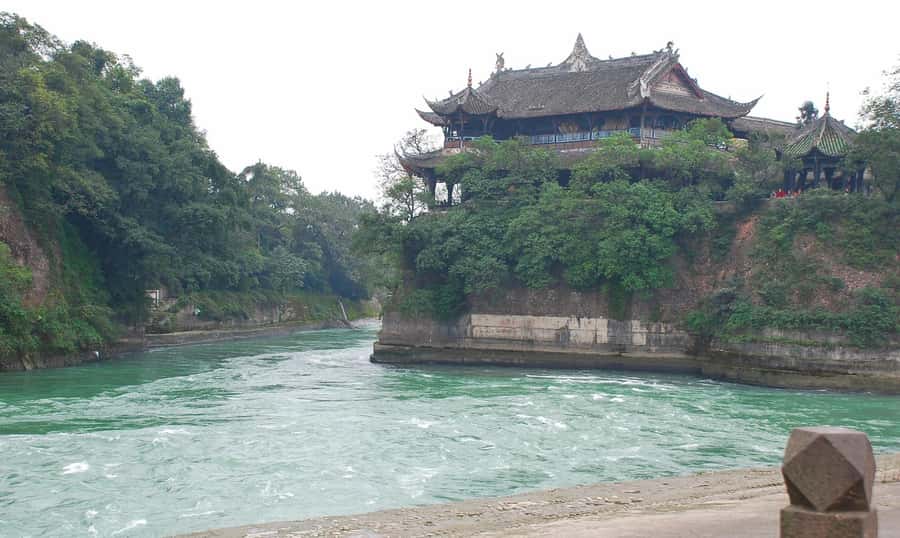
This tour works because it tells a full story in one long day. You start with a mountain tied to Taoism and Chinese spiritual culture, then switch gears to Dujiangyan, where ancient engineers solved a water problem that still matters today. That contrast keeps the day from feeling repetitive.
Mount Qingcheng is famous as the birthplace of Taoism, and it also shows up as scenic inspiration for the Kung Fu Panda movies. Even if you are not chasing pop-culture references, it’s a reminder that this place has strong visual identity: steep peaks, temple-era relics, and caves you can actually picture in your head.
Dujiangyan is UNESCO-worthy for a practical reason. Around 2,200 years ago, local officials of the Shu state, with Li Bing and his son, worked with people over years to build a system that reduced flood risk and supported irrigation. Today it still helps manage water for more than 50 cities in Sichuan province. That means you’re not just seeing an old site; you’re seeing an active legacy.
Getting to Mount Qingcheng from Chengdu: the morning drive
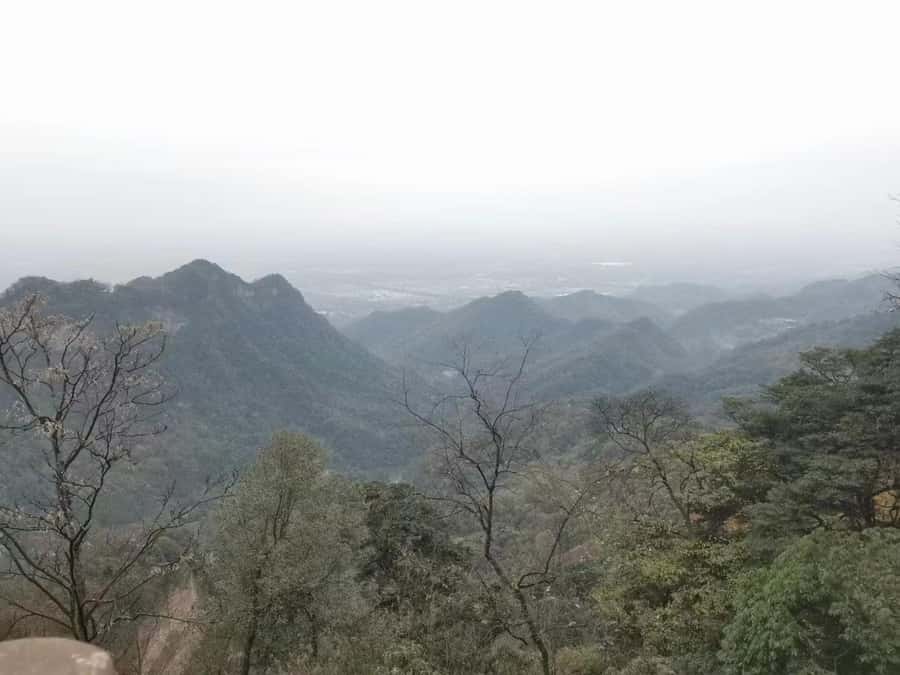
Pickup is typically around 9:00am from your Chengdu hotel, with about 80 minutes of driving (roughly 65km). If you like having the day planned out, this is one of the best parts: you avoid the headache of coordinating transport and figuring out how to connect sites on your own.
Once you arrive, you will spend about 2 hours on the mountain with either a guided plan or self-guided time, depending on your option. Those choices matter because they change how fast you can move through the caves, temples, and viewpoints. With a good guide, you get context for what you see; without one, you still have the route, but you’ll rely more on your own reading and questions.
Bundle up for the mountain. The tour information notes that winter can be very cold, while summer can be cool enough that people treat Mount Qingcheng as a summer resort. I’d treat this as a two-season place: layers help you handle changing temperatures and the wind near scenic areas.
Front Mountain: palaces, caves, and the Taoist core
Mount Qingcheng is divided into Front Mountain and Back Mountain. Front Mountain is the main part of the scenic area, about 15 square kilometers, and it’s where the cultural relics and historic sites cluster.
On Front Mountain, you’ll focus on major Taoist-era attractions such as Natural Drawing, Jianfu Palace, Tianshi Cave, Chaoyang Cave, and Shangqing Palace. These names are not just labels on a sign. They help you understand the mountain as a living spiritual geography where worship, study, and storytelling were built into the rock itself.
What I like about starting here is pacing. Front Mountain gives you structure: palaces and caves feel connected, so you can link what you see to a theme. If you are into history but also want scenery, this is a strong mix. It’s also the part most people will remember as the most visually “Taoist,” since it’s packed with the most classic-looking sites.
A practical note: time can feel tight if you get slow in one cave area. If you love photos, it pays to be strategic about when you stop, so you don’t run out of time before the last scenic spots.
Back Mountain: Golden Cliff, caves, and the bigger scenery feel
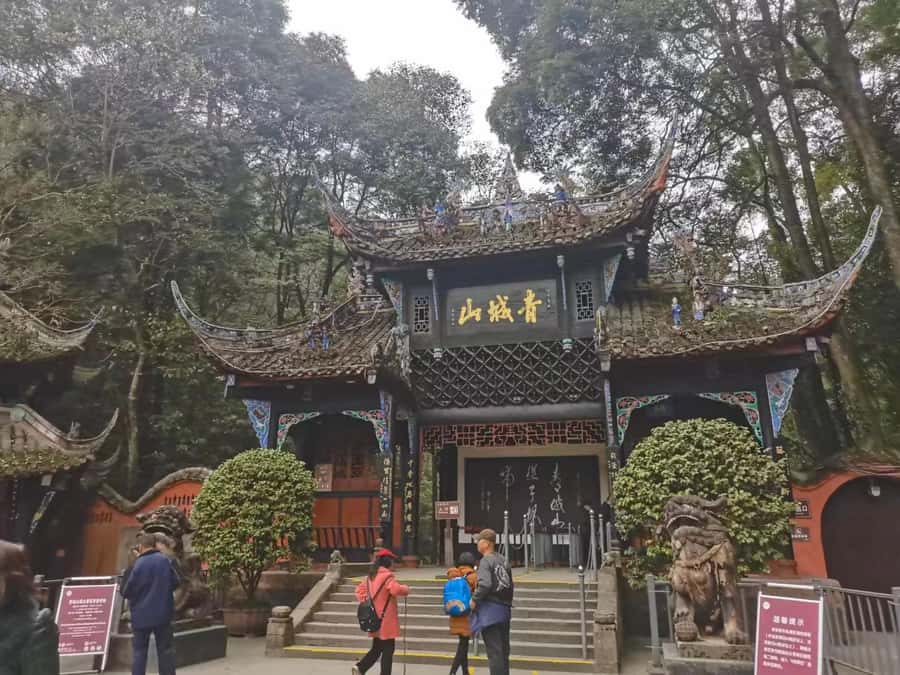
After Front Mountain, you shift to Back Mountain, which covers about 100 square kilometers. The vibe changes because there’s more room to stretch your legs and more space for dramatic views.
Key stops on Back Mountain include Golden Cliff and Sky Storehouse, Goddess Cave, Clouds Caves, and the View of Platform Bridge. If you want a sense of the mountain beyond temples, this is where the setting grows more cinematic. You get cliffs and caves that feel more open to the wider landscape around them, and the mountain feels less like a tight museum and more like a natural place that people built into.
Back Mountain is also the better choice for seasonal comfort. The tour notes winter cold but also highlights that summer can be cool here. So if you’re traveling in warmer months, this is often the part that feels easiest to enjoy without melting.
One caution: because Back Mountain can be more spread out, you’ll want to stay aware of timing. If the group moves on schedule, you’ll catch the major stops; if you get stuck chasing every photo angle, you might feel rushed later.
Dujiangyan Ancient Irrigation System: Li Bing’s flood solution
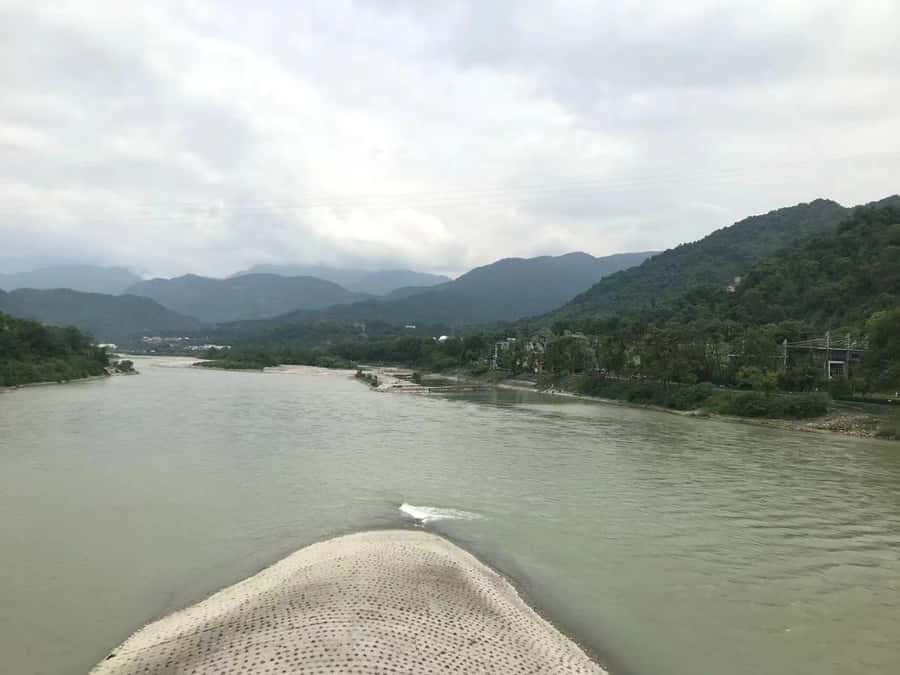
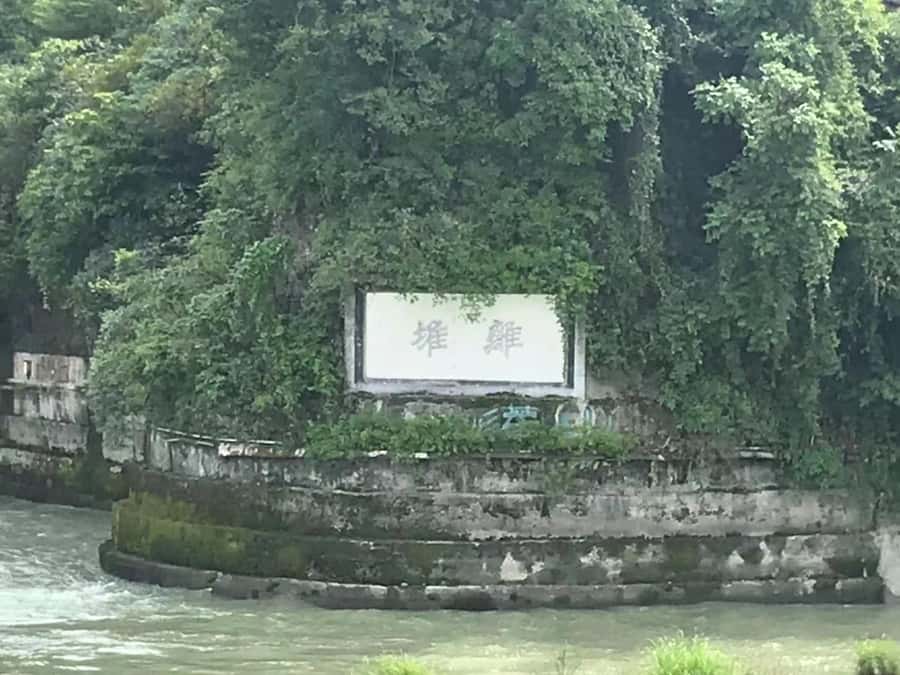
Next comes Dujiangyan, about 30 minutes of driving from Mount Qingcheng. This is the part that often surprises people who expect another temple stop. Dujiangyan is UNESCO not because it looks old, but because it solves a real problem.
The story goes back to when Chengdu was threatened by frequent floods caused by flooding of the Minjiang River. Li Bing and his son studied and then helped lead construction that, after years of work by local people, produced the Dujiangyan Irrigation Project. The core idea is water control: draining floodwater, irrigating farms, and providing water resources.
What you’ll carry away is a sense of engineering intelligence that didn’t require modern technology. The system is old, but it’s still functional, supporting water needs for more than 50 cities across Sichuan province. Standing in the area, it’s easier to understand why this is still treated as essential infrastructure rather than a purely historical monument.
If you like history, this site is history with consequences. If you like practical things, it’s practical with cultural weight. Either way, it’s a strong payoff after the mountain caves and palaces.
Time, transportation, and what can slow the day down
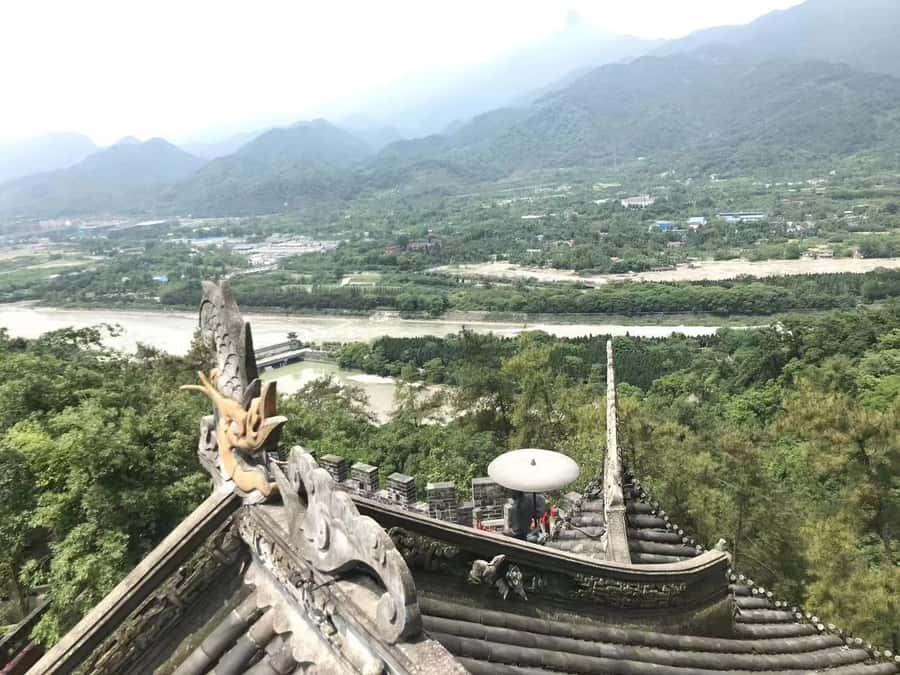
The day runs about 8–9 hours, and it includes hotel pickup and drop-off plus entrance tickets. That’s a lot to fit in, so the day can feel like a controlled march—even if the atmosphere is relaxed once you arrive.
Transport is a private A/C car. That matters more than it sounds. Between Chengdu hotel pickup and the transfers between mountain and Dujiangyan, the comfort and pace help you conserve energy for walking and waiting.
Crowds are the wild card. One guide tip that stands out in the available feedback: during China’s Labor Day holiday period (May 1–5), lines for a gondola ride up Mount Qingcheng can be painfully long. A good guide will warn you ahead of time and help you manage expectations. If you plan to travel during holiday windows, go in with patience and keep your schedule flexible.
Also remember the lunch is not included. That’s common for day tours, but it still affects how you handle the day. You’ll want to eat something filling before you start, then plan to grab lunch on your own during the tour window.
Private guided vs self-guided with a driver: which option fits you
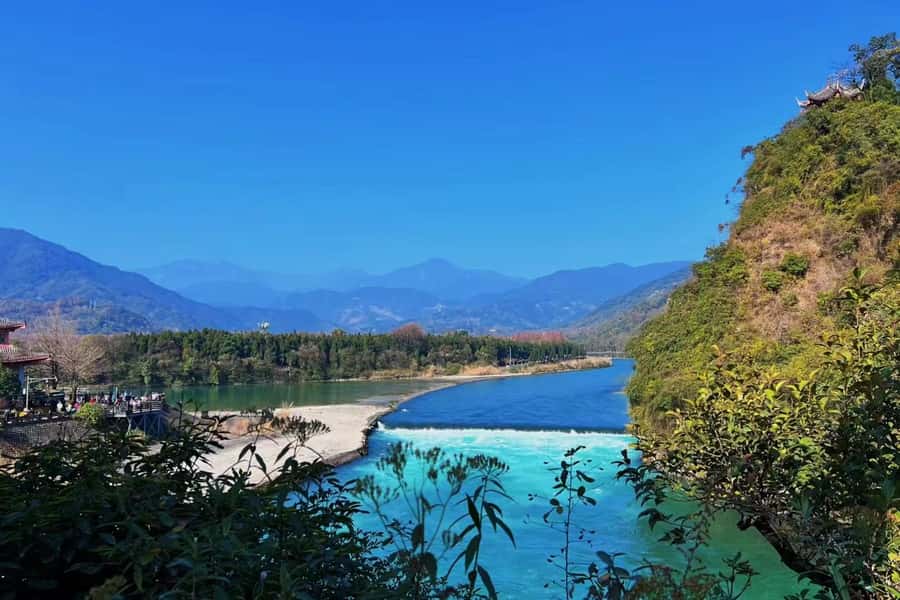
There are two broad formats for the day: guided or self-guided time, and private or small group options.
If you choose a private guided day tour, you get a private English-speaking tour guide along with a private car and entrance tickets. This is the best fit if you want the story connected to the sites—Taoism on Qingcheng, and water engineering on Dujiangyan—without doing the homework yourself.
The self-guided option still includes a driver, but the driver speaks Chinese only. You’ll use a translation app and an English-speaking support team. That can work well if you’re comfortable moving between stops, have some patience, and don’t need constant explanation. It’s also a sensible option if you mainly want the itinerary structure and don’t mind filling in details as you go.
If your biggest travel joy is learning as you walk, go guided. If your biggest travel joy is just seeing the places and you can read signs or translate on your phone, self-guided can be fine.
Price and value: what $112 buys you
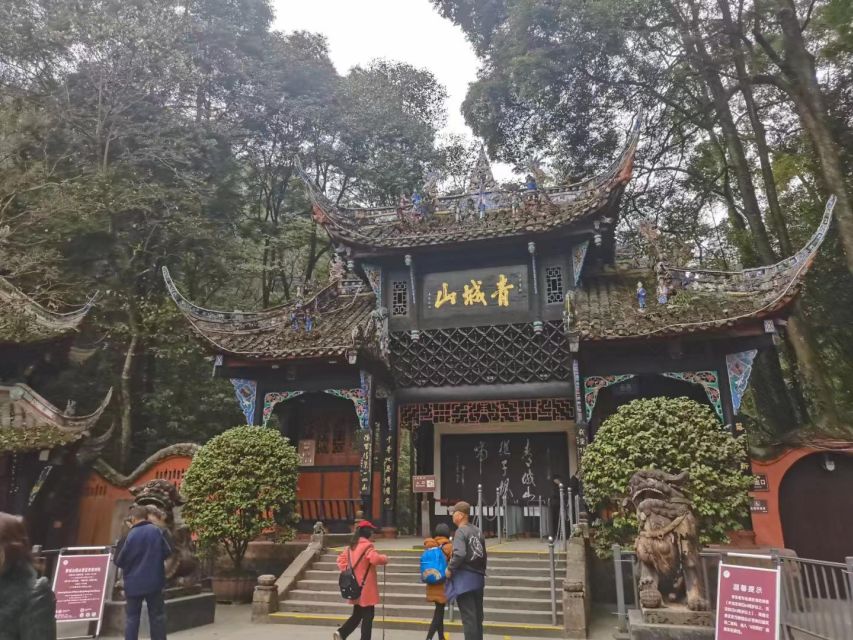
At about $112 per person for an 8–9 hour day, the value depends on what you’d otherwise spend time (and money) doing yourself.
You’re getting:
- hotel pickup and drop-off
- a private A/C car
- entrance tickets included
- either an English-speaking private guide or a self-guided setup with translation support
The big value isn’t just the tickets. It’s the logistics. Qingcheng and Dujiangyan together can be a bit of a planning puzzle if you try to combine them alone. This tour compresses that problem into a single day, with a driver doing the hard parts and (in the best guided versions) an expert explaining what you’re seeing.
If you are a solo traveler, the “minimum of 2 people” rule can affect availability, but it also signals you’re usually paying for a more structured experience than a casual bus ride. For couples and small groups, this is often a sweet spot: you split the private-car cost while still getting local context.
Who this tour suits best (and who might not love it)
This is a great fit if you want a classic Sichuan day without overthinking it. You’ll get a major Taoist mountain experience plus an engineering wonder—both UNESCO—without spending days arranging transport.
It also fits well if you care about balance:
- scenic stops and historic sites at Qingcheng
- practical, world-famous infrastructure storytelling at Dujiangyan
You might want to rethink it if you prefer slow travel. The day is long, and both mountains are active sightseeing zones. If you hate waiting in lines, especially during peak holidays, you may find the mountain portion emotionally demanding. In that case, choosing a less crowded travel window can make the tour feel twice as enjoyable.
Should you book this one-day Qingcheng and Dujiangyan tour?
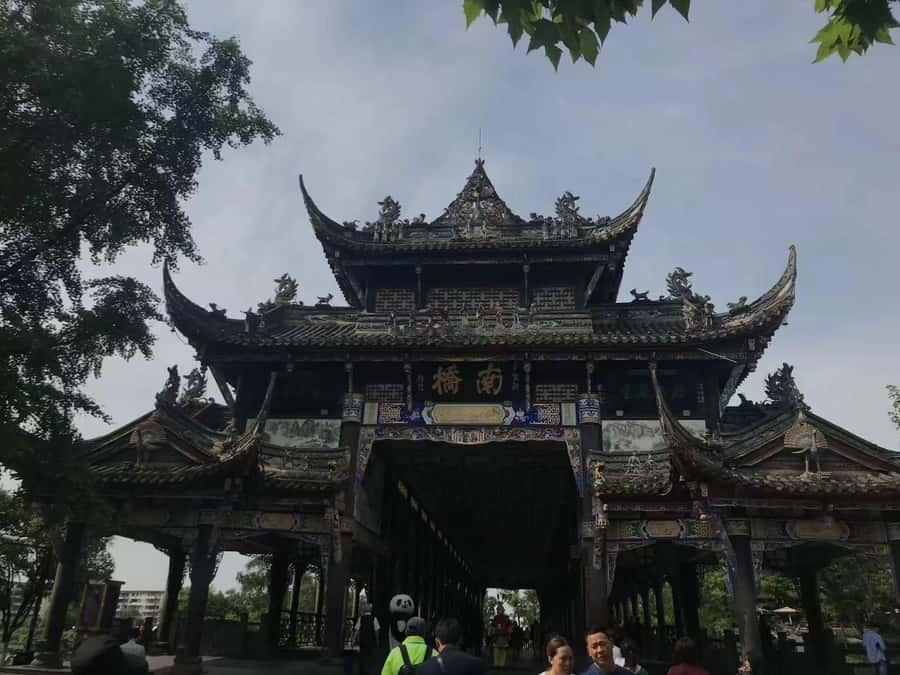
If you want a high-impact day with strong cultural and historical variety, I’d book this. The combination of Mount Qingcheng and Dujiangyan is exactly the kind of pairing that makes “one day” feel worth it: spirituality on the mountain, survival engineering in the plains.
I’d also book if you value structure. The tour handles pickup, transfers, and entrance tickets, and the guided option can turn the stops into a coherent story, with strong examples from the feedback featuring guides like Weaver, Mark, and Diana.
Skip it or adjust expectations if you’re traveling during crowded holiday periods. Go in ready for waits (especially around gondola time), and plan to dress for cold mountain conditions if you’re visiting in winter.
FAQ
What is the duration of the Mount Qingcheng and Dujiangyan tour?
It runs about 8 to 9 hours.
Where does pickup happen?
Pickup is optional and typically from your downtown Chengdu hotel. Meeting points can vary by option.
What does the tour include?
The tour includes hotel pick-up and drop-off, a private A/C car, entrance tickets, and a private English-speaking guide if you select the private-guided option.
Is lunch included?
No, lunch is not included.
Do I need to speak Chinese?
Not necessarily. If you select the private-guided day tour, you’ll have an English-speaking guide. For the self-guided option, the driver speaks Chinese only, but you can use a translation app along with English-speaking support.
Which UNESCO sites are visited?
You visit two UNESCO World Heritage sites in one day: Mount Qingcheng and the Dujiangyan Irrigation System.
How long do you spend at Mount Qingcheng?
You typically have about 2 hours for Mount Qingcheng, depending on whether you choose guided or self-guided time.
Are there any limits on entry to monuments?
The information you’re given notes that half day tours cannot enter the monuments due to time constraints, but this tour is a full-day outing.
1-Day Tours, compared.
 ★ 5.0Mutianyu Great Wall and Summer Palace One Day Bus TourFrom $29466 reviews
 ★ 5.0Mutianyu Great Wall and Summer Palace Private Day Trip with LunchFrom $185209 reviews
 ★ 4.5Private Custom Tour or Private Tour: Beijing in One DayFrom $75119 reviews
 ★ 5.0Private Beijing Day Trip: Mutianyu Great Wall and Ming TombsFrom $176114 reviews
 ★ 5.0Full Day Trip Mutianyu Great Wall, Forbidden City, Tiananmen Sq.From $99110 reviews
 ★ 5.0Water-Great Wall Odyssey: Hike & Cruise One Day TourFrom $5294 reviews
 ★ 5.0Small Group-Jinshanling Great Wall 1-day tourFrom $6158 reviews
 ★ 5.0Private Day Trip to Jinshanling Great Wall with English Speaking DriverFrom $13539 reviews
Browse the lists this tour appears in