
Reviewed · CRUISES & BOAT TOURS
14-Day Small-Group China Tour: Beijing, Xi’an, Guilin, Yangtze Cruise, Shanghai
Fourteen days, five regions, one smooth rhythm. You’ll get UNESCO heavy hits in Beijing, then a Yangtze cruise down to Shanghai, all run with one small group and real on-the-ground guidance.
I love that the flow skips the usual shopping detours and factory stops, so your time stays on the big sights—Forbidden City to the Bund. I also love that the guides make the history understandable, like what you’re looking at on the Great Wall and why the Muslim Quarter in Xi’an feels so different from the rest of the city.
The main trade-off is the packed schedule: you’ll be using flights and trains often, and some included shows depend on the month you travel.
In This Review
- Key Things I’d Book This For
- Is This 14-Day China Route Good Value for Your Time?
- Beijing First: Tiananmen, the Forbidden City, and the Temple of Heaven
- Forbidden City to Peking Duck Lunch: Why the Timing Works
- Great Wall at Mutianyu Plus the Bird’s Nest Photo Stop
- Hutongs by Rickshaw: A Local-Feeling Detour Without Wasting the Day
- Summer Palace Day: Pandas, Imperial Gardens, and an Included Show
- Xi’an’s Big Moment: Terracotta Warriors (Plus the Clay-Making Fun)
- Big Wild Goose Pagoda and the Tang Dynasty Show (Season Rules Included)
- Xi’an City Wall, Tai Chi, the Mosque, and the Muslim Quarter
- Guilin Arrival: Reed Flute Cave and Elephant Trunk Hill
- Li River Cruise to Yangshuo: The Famous Route Without the Headaches
- Yangtze River Cruise: Century Oasis, Wine Party, and Real Gorges Time
- Fengdu Ghost City and the Shennv Stream Excursion
- Three Gorges Dam Day: Big Engineering and a Clean Transition to Shanghai
- Shanghai Museum, Yu Garden, and the Bund River Cruise
- Who Should Book This Tour, and Who Might Want a Different Style
- Final Call: Should You Book This 14-Day Route?
- FAQ
- How long is the tour?
- How many people are in the group?
- What’s included in the price besides sightseeing?
- What travel between cities is included?
- How long is the Yangtze River cruise?
- Does the tour include shopping stops?
- Is the Tang Dynasty Music and Dance Show always included?
Key Things I’d Book This For
- Small group (up to 18): enough to feel personal, not so large that you’re constantly losing the guide.
- Great Wall done right at Mutianyu: cable car up, time on the wall, and a fun group toast with red wine.
- Terracotta Warriors + hands-on add-ons: you don’t just look—you craft a mini clay warrior and meet the story behind the discovery.
- Li River cruise to Yangshuo: the famous scenery without you doing the logistics.
- 3 nights on the Yangtze: real cruising time, with gorges and day trips like Shennv Stream and the Three Gorges Dam.
- Shanghai highlights clustered well: Shanghai Museum, Yu Garden, and a Bund river cruise in one final stretch.
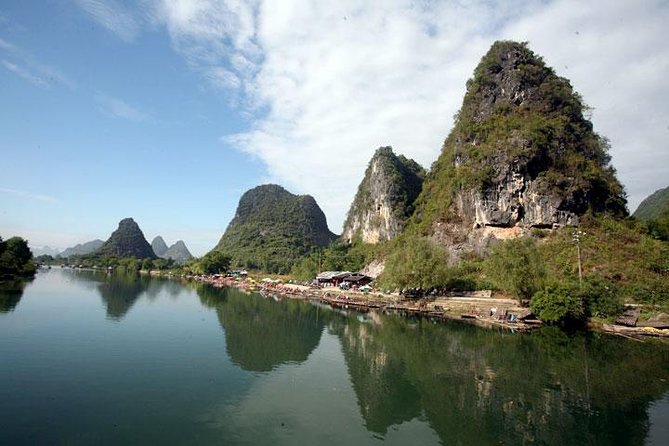
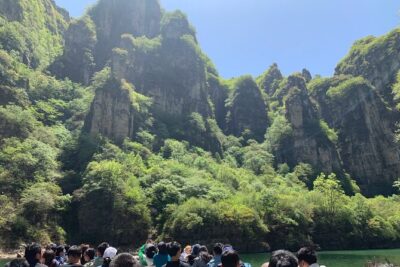
Karst peaks and the Li River, further afield
Is This 14-Day China Route Good Value for Your Time?
At $3,139 per person, this tour doesn’t feel like a “cheaper ticket to move you around.” It’s priced like a full-service route, and you get a lot for that: hotel and cruise accommodation (twin-sharing), internal transport between major cities, entrance fees, and most meals. You’re also traveling with professional English-speaking guides plus air-conditioned vehicles.
The biggest value is the internal jump from region to region. You don’t have to figure out trains, airports, and ticket timing for Beijing → Xi’an → Guilin → Chongqing/Yangtze → Shanghai. The tour also includes the big, ticketed experiences—things like major UNESCO sites, cruise day tours, and key museums—so you aren’t constantly paying extra on the go.
One practical note: you’ll still want to budget for personal expenses and keep some flexibility in mind, because this is a sight-heavy plan. If you like slow travel and lots of free hours, this might feel like too much structure.
Beijing First: Tiananmen, the Forbidden City, and the Temple of Heaven
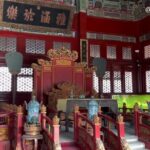
Beijing is where this tour sets expectations fast. You start with Tiananmen Square, then head directly into the Forbidden City—The Palace Museum. This is the kind of place where arriving at the right time helps. When you’re guided through the layout, it’s easier to understand the logic of the palace: what was ceremonial, what was administrative, and how emperors lived inside an empire’s rules.
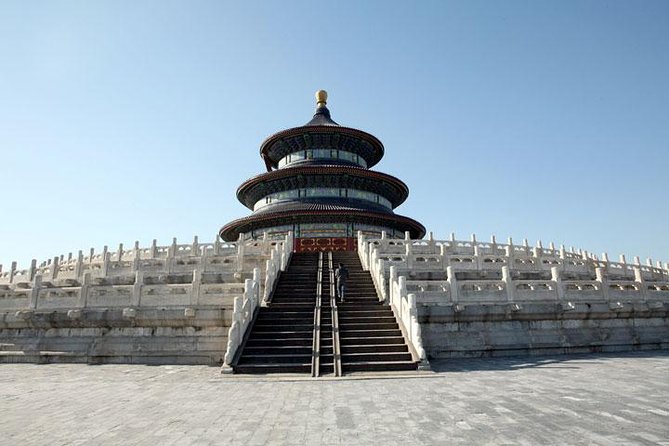
I like how the tour also includes the Temple of Heaven in the same general area of your day. It gives you contrast. The Forbidden City can feel like power on display; the Temple of Heaven shifts you toward ritual, architecture, and the idea of rulers worshipping for good harvests.
A detail that matters for comfort: lunch is built in, including an a la carte welcome meal described as featuring Peking roast duck. It’s not just “eat something quickly.” It’s scheduled so you don’t lose half your day hunting food between sights.
Forbidden City to Peking Duck Lunch: Why the Timing Works
Many Beijing days feel either rushed or disjointed. This one is built so you can connect the dots.
- Forbidden City in the middle of the morning means you spend your peak-energy hours inside, where you’ll appreciate the halls and courtyards more.
- Lunch next helps you recover before you step into another architectural site.
- Temple of Heaven in the afternoon keeps the pacing calmer, so you’re not trying to do everything at the highest intensity back-to-back.
This also helps if you’re traveling for the first time in China. You get an organized sequence early, and by the time you’re back out on the streets, you’re already oriented.
Great Wall at Mutianyu Plus the Bird’s Nest Photo Stop
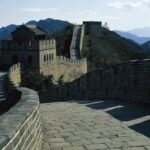
Mutianyu Great Wall is a smart pick for a short amount of time on the ground. The tour includes the round-trip cable car, which is a huge help if you’re not in training mode. You also get actual wall time, not just a quick viewpoint stop.
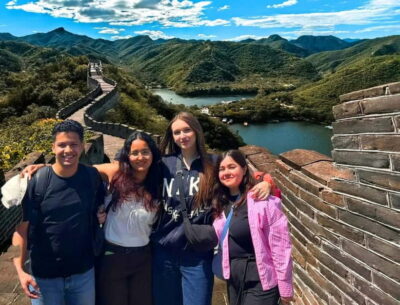
One of the most memorable parts described on this route is a group-toasting moment: red wine provided for a toast on the Great Wall. It’s a small thing, but it adds personality to an otherwise standard photo-and-go experience.
On the way back, you’ll get a photo stop at the Olympic National Stadium—Bird’s Nest. You’re not touring the whole complex here, but you get the iconic shot, which is useful if this is your one Beijing visit.
Weigh these up before you book this Beijing tour:
- Water-Great Wall Odyssey: Hike & Cruise One Day Tour★ 5.0 · 94 reviews
- Water-Great Wall Odyssey: Scenic Bus & Cruise Day Tour★ 5.0 · 91 reviews
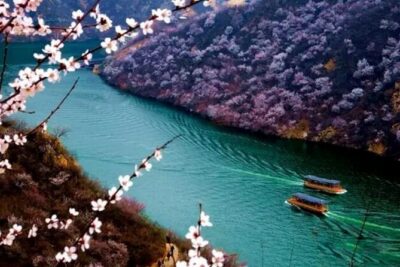
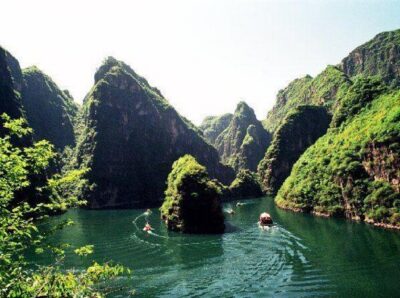
- Longqingxia Gorge Cruise and Guyaju Cave Dwellings Private Day Tour★ 5.0 · 60 reviews
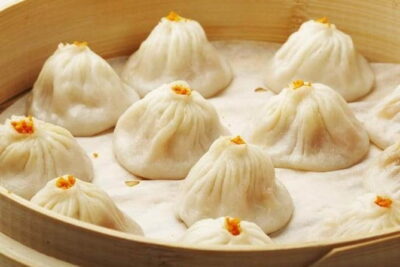
- Din Tai Fung Dinner and VIP Class River Cruise Experience in Shanghai★ 5.0 · 31 reviews
- Private Day Tour to Longqing Gorge and Dingling at the Ming Tombs with Lunch and Boat Ride★ 5.0 · 24 reviews
Hutongs by Rickshaw: A Local-Feeling Detour Without Wasting the Day
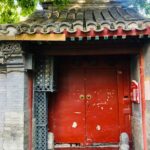
After the Wall, you shift from monumental history to daily life with a rickshaw tour through the Hutongs. This is one of those experiences that works best when it’s not overlong, and the tour gives you just enough time to get the feel of alley streets and older neighborhood patterns.
If you want one takeaway, it’s this: it helps you stop seeing Beijing as only palaces and stadiums. You see the texture—tight lanes, older houses, and how the city lived before it became the modern capital you recognize today.
There’s also time that’s framed as a chance to visit a local family. Whether it’s more of a look-see or a quick interaction depends on the moment, but the structure is meant to keep the detour from feeling like a tourist performance.
Summer Palace Day: Pandas, Imperial Gardens, and an Included Show
Summer Palace is the kind of UNESCO site that rewards slowing down a little. The tour positions it as a three-hour block, which is enough time to enjoy the gardens and the imperial water-and-hall layout without panicking.
Also: the morning includes giant pandas. Even if you’re not a “zoo person,” seeing pandas here is less about animal spectacle and more about how this part of Beijing has turned nature into a carefully managed cultural experience.
In the evening, you can add an acrobatic show at the Red Theater. It’s included, so it’s a built-in night option if you’d rather not hunt around for plans after a full day outside.
This is where group travel shines. A long day outside can make you want to curl up early. The show gives you an easy evening, and you don’t have to plan anything.
Xi’an’s Big Moment: Terracotta Warriors (Plus the Clay-Making Fun)
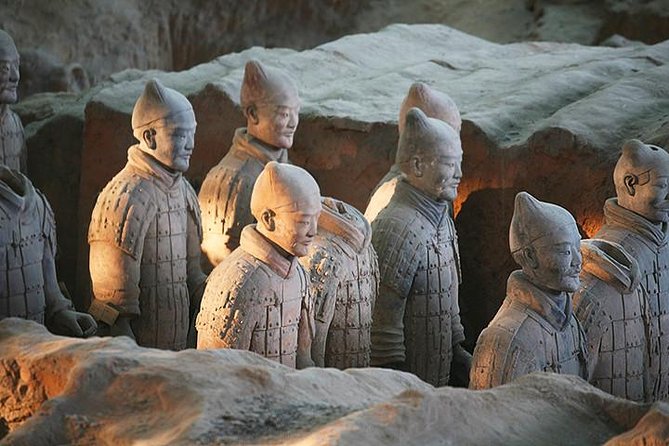
Xi’an is the other heavyweight in this tour. The Terracotta Warriors visit starts at the museum with multiple excavated pits. You’re looking at one of the most important archaeological finds of the last century, and the guide helps translate what you’re seeing beyond the wow factor.
What I like is the add-on sequence after the pits. You also get a family visit connected to the first discoverer of the Terracotta Army. Then you get a hands-on mini clay warrior workshop with a local artisan. That’s the difference between a passive museum day and something you’ll remember later, because you physically participate.
If you’re the kind of traveler who likes souvenirs that aren’t mass-produced, the clay craft is a strong included value.
Big Wild Goose Pagoda and the Tang Dynasty Show (Season Rules Included)
After Xi’an’s center-point experience, you’ll see the Big Wild Goose Pagoda, built in the Tang Dynasty to store Buddhist scriptures brought from ancient India. It’s a chance to connect Xi’an to a timeline where it mattered spiritually and intellectually, not just archaeologically.
In the evening, the plan includes a Tang Dynasty Music and Dance Show alongside a dumpling dinner. There’s one important caveat you should plan around: the show isn’t available in January, February, March, and December. In those months, the tour prices do not include the show and dumpling dinner.
This matters because if you’re traveling in the off-season and you expected that performance as part of your must-dos, you’ll want to check what’s substituted before you go.
Xi’an City Wall, Tai Chi, the Mosque, and the Muslim Quarter
Xi’an isn’t only ancient relics. This route includes several stops that give you a feel for local life.
City Wall first: it’s described as the most complete existing urban fortification in China. You’ll have time to observe daily life and even practice Tai Chi with a master. The tour also notes cycling on the wall is popular, though bike rental isn’t included—so you’d pay separately if you choose that.
Then you’ll visit Xi’an Mosque, described as one of the oldest, largest, and best-preserved Islamic mosques in China. From there, you head to the Muslim Quarter for lunch and local food.
That lunch stop is more than food—it’s a sensory map. After all the “official history” of imperial sites, the Muslim Quarter shows how communities live alongside the past.
Finally, you finish with the Small Wild Goose Pagoda, which also houses Xian Museum.
Guilin Arrival: Reed Flute Cave and Elephant Trunk Hill
Moving to Guilin shifts the whole vibe. Here it’s about karst forms and misty views rather than walls and palaces.
Reed Flute Cave is a 240-meter karst cave filled with stalactites and stalagmites. This is one of those places where the lighting and guided explanation matter, because otherwise it’s just rock shapes. The tour includes a focused time there, then you move to Elephant Trunk Hill, known for its elephant-shaped profile.
These stops work well on arrival day because they don’t require you to jump immediately into long boat days or overnight travel.
Li River Cruise to Yangshuo: The Famous Route Without the Headaches
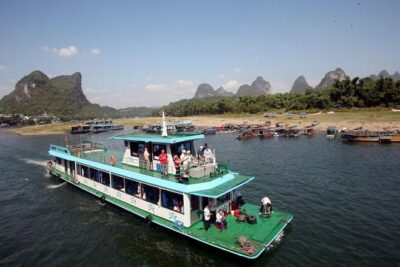
The Li River section is where the scenery reputation earns its keep. You cruise from Guilin to Yangshuo, described as the “essence” of the region’s landscape scenery, especially the stretch from Guilin to Yangshuo often called a Hundred Miles Gallery.
The timing is clear: the cruise ship arrives in about 4.5 hours. That’s long enough to relax and look out, but not so long you feel stuck onboard.
When you dock in Yangshuo, the tour includes West Street for a walk—plus a drive through surrounding rural country roads and an invitation to visit a villager’s home. After that, you’re transferred back to Guilin.
If you’re wondering whether the river cruise is “too touristy,” think about how this tour keeps it practical. You’re not booking separate boats, you’re not hunting schedules, and you still get time to move around once you arrive.
Yangtze River Cruise: Century Oasis, Wine Party, and Real Gorges Time
Then you switch from river-to-river scenic travel into a larger moving world: the Yangtze.
You take a high-speed train from Guilin to Chongqing (about 5 hours). After arrival, you board the Century Oasis cruise ship for three nights. The ship includes a buffet dinner and a wine party hosted by the Captain, and it sets sail at 22:00. That’s a fun start because it gives your first night structure without requiring you to plan a thing.
The cruise portion matters because it’s not just transportation. It’s where you’ll spend multiple days gliding along the river while day tours bring you to the most famous viewpoints and stories.
The tour also includes free time onboard during at least one day, letting you enjoy the river from the deck if you feel like it.
Fengdu Ghost City and the Shennv Stream Excursion
On Day 10, you disembark for Fengdu Ghost City, described as a palace complex showing what the underworld looks like in Chinese folklores. It’s not the kind of place most people can truly “get” in ten minutes. The guide helps you frame it within the way Chinese folklore uses symbolic space.
In the afternoon, you have free time onboard to enjoy scenery on deck and, if you want, attend cultural programs.
On Day 11, you visit Shennv Stream during the day as the ship sails through Qutang, Wu, and Xiling gorges. The tour includes an onshore excursion of about three hours, which is a good length for hiking or walking without feeling like a forced endurance event.
Three Gorges Dam Day: Big Engineering and a Clean Transition to Shanghai
On Day 12, you disembark for an excursion to the Three Gorges Dam Project. This is one of the most talked-about engineering projects in modern China, and the tour gives you a dedicated block of time rather than a quick stop.
After the dam visit, the cruise company drives you to the Three Gorges Tourist Center in Yichang. Then you get guided transfer to Yichang East Railway Station for a bullet train to Shanghai. This transition is important: it keeps your travel days from turning into chaos.
By the time you reach Shanghai, you’ll be checked into your hotel with your local guide meeting you after arrival.
Shanghai Museum, Yu Garden, and the Bund River Cruise
Shanghai closes the loop between old and new China.
You start with Shanghai Museum, described as one of the four largest museums in China and focused on ancient artworks. Then you head to Yu Garden and the nearby traditional bazaar. The tour highlights the Nine Zigzag Bridge and a mid-lake pavilion, so you know exactly what to look for.
Lunch is included at a local famous restaurant, so you’re not spending your limited final day in China trying to decide what’s open.
Then you finish with a one-hour cruise along the Huangpu River—called the mother river of Shanghai. It’s a clean way to see the city’s skyline as a whole, without standing in lines all day.
Who Should Book This Tour, and Who Might Want a Different Style
This tour is a good match if you:
- want big-ticket sights handled for you with guides and entrance fees included
- like the combo of history (Forbidden City, Great Wall, Terracotta Warriors) plus working modern cities (Olympic stadium photo stop, Shanghai)
- don’t want to plan internal transportation between five major regions
- value a trip that avoids shopping detours, factory stops, and tea ceremony-style time sinks
You might want a different style if you:
- get worn out by flights and trains in tight succession
- prefer long free days with minimal structure
- strongly want the Tang Dynasty show as an evening highlight and are traveling in months when it isn’t available (January, February, March, December)
Final Call: Should You Book This 14-Day Route?
I think this is a solid booking if you want an efficient, full-spectrum China experience with less friction. The value comes from bundling the hard parts—internal transport, entrance tickets, guides, and multiple multi-hour experiences—into one plan.
My main caution is stamina. This is a “see a lot” tour. If you’re the kind of traveler who enjoys packing your days, you’ll love it. If you want slow pacing and downtime between sights, choose something lighter.
If you do book, pack for long days outside, and plan on letting the guides handle the flow. When the route is this full, that’s how you protect your energy and still get the memorable moments—Mutianyu wall time, Terracotta Warriors with the clay workshop, Li River cruising, and the Yangtze gorges with a Three Gorges Dam day.
FAQ
How long is the tour?
It’s about 14 days, covering Beijing, Xi’an, Guilin, a three-night Yangtze River cruise, and Shanghai.
How many people are in the group?
This small-group tour has a maximum of 18 travelers.
What’s included in the price besides sightseeing?
You get hotel or cruise accommodation (twin-sharing), professional English-speaking guides, drivers with air-conditioned vehicles, entrance fees, and most meals (breakfasts, lunches, and dinners listed as included).
What travel between cities is included?
It includes one-way economy airfare Beijing to Xi’an and Xi’an to Guilin, a high-speed train from Guilin to Chongqing, and a first-class bullet train from Yichang to Shanghai.
How long is the Yangtze River cruise?
The cruise is three nights on the Yangtze.
Does the tour include shopping stops?
No. The tour specifically notes no shopping detours, no factory stores, no tea ceremony, and no shopping site restaurant.
Is the Tang Dynasty Music and Dance Show always included?
No. It’s available from April to November. For tours starting in January, February, March, and December, the show and dumpling dinner aren’t included.
More Beijing Outings
- From Beijing: Mutianyu Great Wall Tours with Options
★ 4.9 · 9,216 reviews - Beijing: Forbidden City Tour(Group/Private)-Tickets Included
★ 4.8 · 7,974 reviews - Beijing: T-Square & Forbidden City Group or Private Tour
★ 4.8 · 4,446 reviews - All-Inclusive Tour: Tiananmen Square, Forbidden City, Great Wall
★ 5.0 · 2,873 reviews - MuBus: Mutianyu Great Wall ENG/ESP/RUS Guided Bus Tour
★ 5.0 · 2,361 reviews - 4-Hour Small Group Tour to Forbidden City with Entry Tickets
★ 5.0 · 1,863 reviews
More Tour Reviews in Beijing
- From Beijing: Mutianyu Great Wall Tours with Options
★ 4.9 · 9,216 reviews - Beijing: Forbidden City Tour(Group/Private)-Tickets Included
★ 4.8 · 7,974 reviews - Beijing: T-Square & Forbidden City Group or Private Tour
★ 4.8 · 4,446 reviews - All-Inclusive Tour: Tiananmen Square, Forbidden City, Great Wall
★ 5.0 · 2,873 reviews - MuBus: Mutianyu Great Wall ENG/ESP/RUS Guided Bus Tour
★ 5.0 · 2,361 reviews - 4-Hour Small Group Tour to Forbidden City with Entry Tickets
★ 5.0 · 1,863 reviews
Karst Country: Guilin and Yangshuo
Just In: More Beijing Tours to Browse



Cruises & Boat Tours, compared.
 ★ 5.0Water-Great Wall Odyssey: Hike & Cruise One Day TourFrom $5294 reviews
 ★ 5.0Water-Great Wall Odyssey: Scenic Bus & Cruise Day TourFrom $5091 reviews
 ★ 5.0Longqingxia Gorge Cruise and Guyaju Cave Dwellings Private Day TourFrom $21660 reviews
 ★ 5.0Din Tai Fung Dinner and VIP Class River Cruise Experience in ShanghaiFrom $17331 reviews
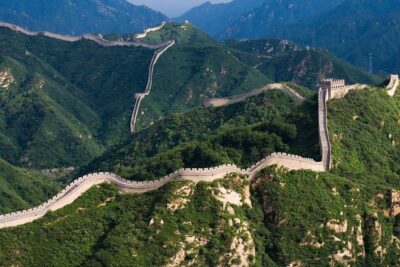 ★ 5.0Beijing Private Tour to Badaling Great Wall and Longqing Gorge with Boat RideFrom $23626 reviews
 ★ 5.0Private Day Tour to Longqing Gorge and Dingling at the Ming Tombs with Lunch and Boat RideFrom $21424 reviews
 ★ 5.0Private Transfer to Tianjin Xingang Cruise Port-Every Group SizeFrom $10810 reviews
 ★ 4.5Private Day Tour to Longqing Gorge with Boat Ride and Cable Car from BeijingFrom $2088 reviews
Browse the lists this tour appears in