
Reviewed · FORBIDDEN CITY & TIANANMEN SQUARE TOURS
Beijing: Prince Kung’s Palace Museum Ticket—Must-See Spot
Cramming? This palace tour moves at your pace. I love the skip-the-line entry and the English PDF guidebook, because you can focus on the halls and garden scenes without guessing. One caution: it can get overcrowded after 11:00, so you’ll enjoy it more if you go earlier.
The palace itself is a big deal. This is the largest Qing Dynasty prince’s mansion in Beijing, and the setting helps you understand power, taste, and everyday life behind high walls. It also connects to minister He Shen, which gives the whole visit a sharper historical edge.
In This Review
- Key Points You’ll Care About
- Prince Gong’s Palace: A Qing Mansion You Can Actually Enjoy
- Ticket Value and What You’re Really Paying For
- Entering Smoothly With Skip-the-Line Access
- Your Self-Guided Plan: Using the English PDF Like a Local
- Late-1700s Power: Halls and Courtyards With a Clear Story
- The Garden Route: Pavilions, Rockeries, and Feng Shui Water Features
- Timing Is Everything: Beat the After-11:00 Crowd
- Evening Light Show and Cultural Performance: A Second Act
- Getting There Like a Pro: Shichahai to Drum Tower Walk
- How Long It Takes and How to Pace Your Day
- Who Should Book This Ticket (And Who Might Not)
- Should You Book This Prince Gong’s Palace Ticket?
- FAQ
- What is included in the Prince Kung’s Palace Museum ticket?
- Is there a live tour guide or audio guide included?
- How long should I plan for this experience?
- Do I need to bring anything with me?
- Is there anything to do in the evening?
- What is the cancellation policy?
Key Points You’ll Care About
- Skip-the-line entry saves time so you can start exploring sooner
- English PDF guidebook helps you navigate halls, gardens, and artifacts at your own rhythm
- The Qing palace scale feels manageable compared with the Forbidden City
- Garden design and water features show traditional ideas about harmony and flow
- Go early (before 11:00) for clearer sightlines and less crowd pressure
- Evening light show and cultural performance add a second life to the complex
Back through the red gates, more Forbidden City walks
Prince Gong’s Palace: A Qing Mansion You Can Actually Enjoy
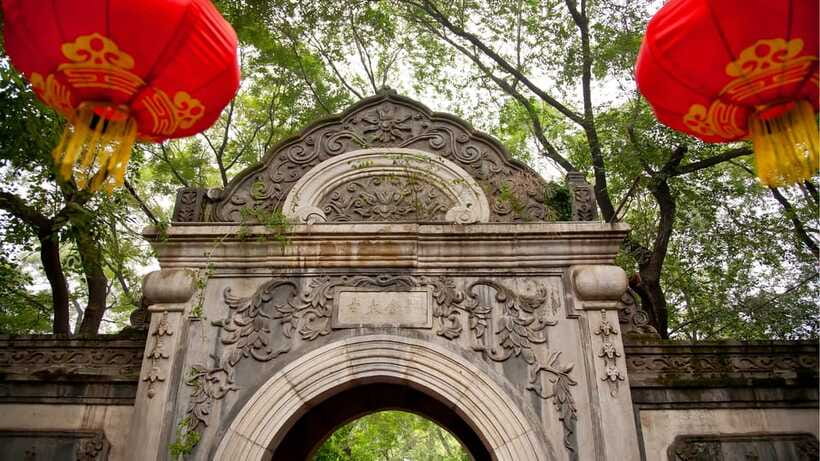
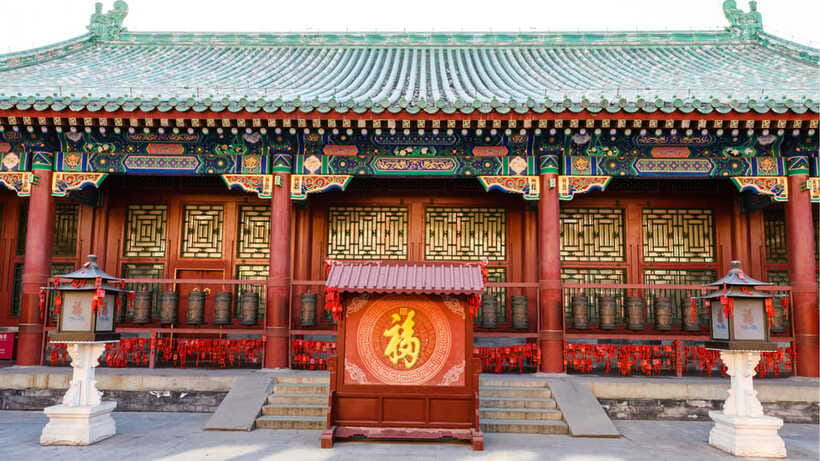
Prince Gong’s Palace Museum is one of those Beijing sights where the details matter. It’s not just a courtyard-and-walls kind of stop. This place was built to project wealth and authority, and you can still read that story in the rooms, corridors, and garden layout. If you love architecture, court culture, or simply want a calmer pace than the biggest-ticket sites, you’ll likely latch onto this.
What I like most is that the experience supports a slow, thoughtful visit. You get enough structure to know what to prioritize, but you aren’t forced into a rushed group flow. The PDF guide is designed to point you toward must-see halls, gardens, and key artifacts, so you can spend your energy looking instead of decoding everything from scratch.
The other reason this palace feels special is that it’s not just a generic museum concept. The mansion connects to major Qing-era political life, since it was once the lavish home of influential minister He Shen during Emperor Qianlong’s period. That historical thread gives you something concrete to look for as you move through the complex.
Ticket Value and What You’re Really Paying For
At about $20 per person, this ticket is mostly paying for two practical things: museum access and a prepared guide format you can use on-site. The included entry ticket covers Prince Kung’s Palace Museum (Qing Palace), and the activity includes an English PDF guidebook. That matters because you’re not paying for a live tour guide or audio commentary—so your value comes from flexibility and self-guided navigation.
Here’s the trade-off: if you expect a live person to interpret everything for you, this isn’t that format. The ticket includes no live tour guide and no audio guide. If that’s your preference, you might find the experience less satisfying because your learning will rely on the PDF.
Still, for many visitors, self-guided is the smart move. You can spend time where you care—architecture here, garden details there—without worrying about the next group stop. And since this ticket includes skip the ticket line, you start exploring with less waiting, which is a big deal at popular Beijing attractions.
Entering Smoothly With Skip-the-Line Access
Nobody travels for lines. Here you get skip-the-line entry, which tends to reduce the most frustrating part of palace visits: the long wait before you even begin. That time savings is especially helpful if you’re also juggling other sights the same day.
Bring the basics, too. You’ll need a passport or ID card. This isn’t the time to travel light in the wrong way. Once inside, you’ll want to keep your pace steady: don’t speed through just to “check it off.” Courtyards and halls are meant to be walked slowly enough to notice how the space changes.
If you’re coming from a busy day in central Beijing, this kind of entry is a morale boost. You won’t lose your momentum before you even get to the good stuff.
Your Self-Guided Plan: Using the English PDF Like a Local
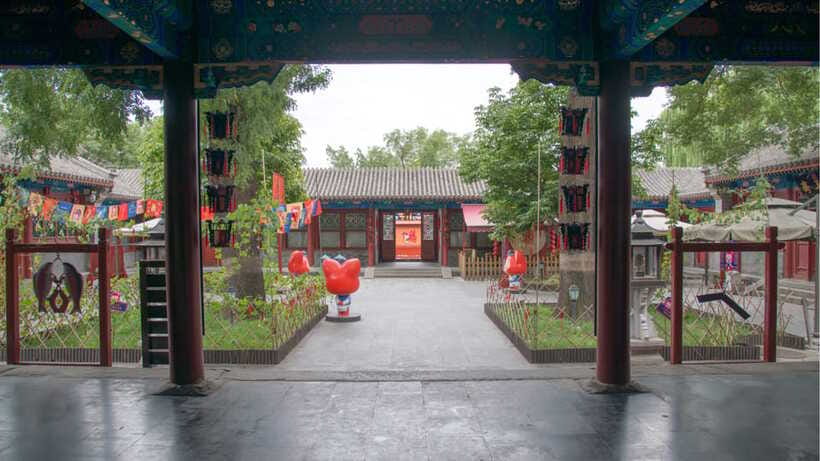
The included English PDF guidebook is the backbone of this visit. It’s built to help you find the most important halls, gardens, and artifacts without needing an audio device or a person next to you. For a self-guided museum, that’s a strong setup.
What I’d do is treat the PDF like a checklist with priorities:
- First, scan what it highlights so you know which spaces are worth extra time.
- Then, follow the natural walking rhythm of the palace rather than bouncing randomly.
- Finally, return to the garden sections and photo spots once the main halls are out of the way.
This approach keeps you from doing the common mistake: walking through everything quickly and remembering almost nothing. With the PDF guiding you to the standout features, you can spend longer where the architecture and objects actually make sense.
Also, because this is a ticket-only format with no live guide included, you’ll get the most out of the visit if you’re comfortable reading a guide on your phone or tablet during the walk. If your battery is shaky, bring a charger or power bank.
Weigh these up before you book this Beijing tour:
- Beijing: Forbidden City Tour(Group/Private)-Tickets Included★ 4.8 · 7,974 reviews
- 4-Hour Small Group Tour to Forbidden City with Entry Tickets★ 5.0 · 1,863 reviews
- Beijing: Tiananmen Square Registration Service(Ticket)★ 4.5 · 1,704 reviews
- Beijing: The Temple of Heaven or Summer Palace Entry Ticket★ 4.6 · 1,286 reviews
- Beijing Forbidden City Ticket Booking (Optional: guide service)★ 5.0 · 1,263 reviews
Late-1700s Power: Halls and Courtyards With a Clear Story
Prince Gong’s Palace was built in the late 18th century, and the place was once the lavish residence of He Shen. That matters because you’re not just touring a building—you’re touring a worldview. Qing elites wanted visitors to feel hierarchy through space: where you enter, where you stop, and where light and privacy change along the way.
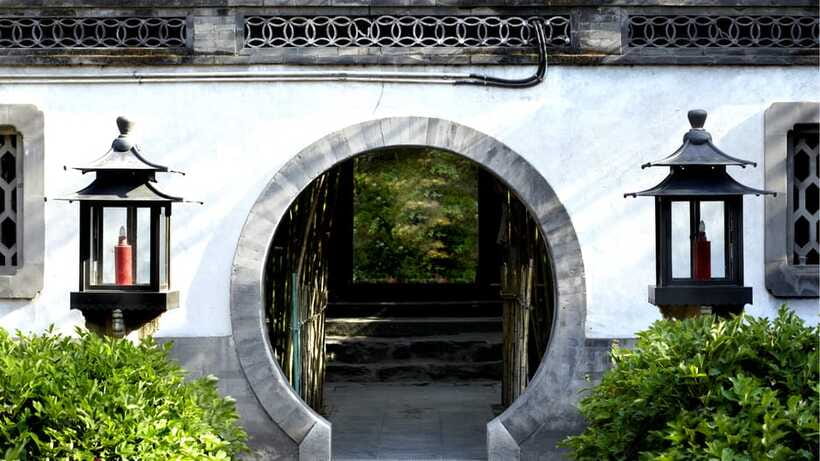
As you move through the complex, you’ll notice the design works like a sequence. Corridors and courtyards create transitions, and each hall feels like its own stage. Even if you don’t read every explanation in the PDF, the physical layout gives you a sense of how the mansion functioned.
This is also where the “half of Qing Dynasty history” idea makes sense. The palace can feel like a condensed version of court culture: wealth expressed through materials, a sense of order through planning, and power made visible through scale.
One drawback to keep in mind: because the mansion is a large residence rather than a compact exhibit hall, you’ll need comfortable shoes and a willingness to walk. If your day is already packed with heavy sites, you’ll feel it. A little pacing strategy goes a long way.
The Garden Route: Pavilions, Rockeries, and Feng Shui Water Features
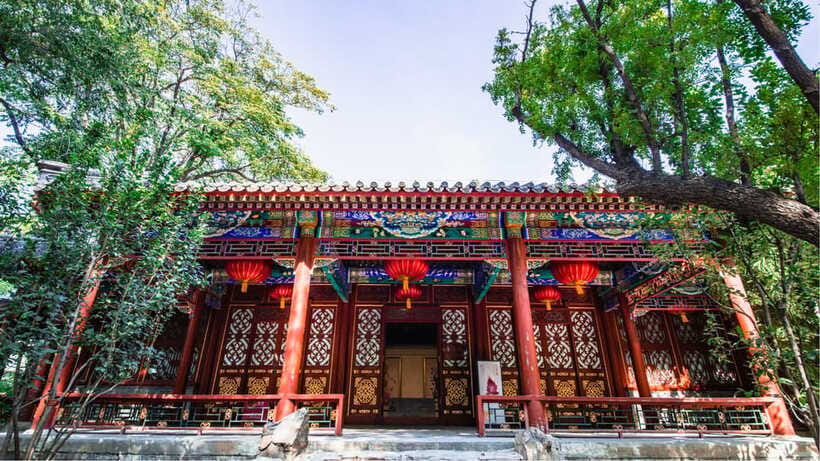
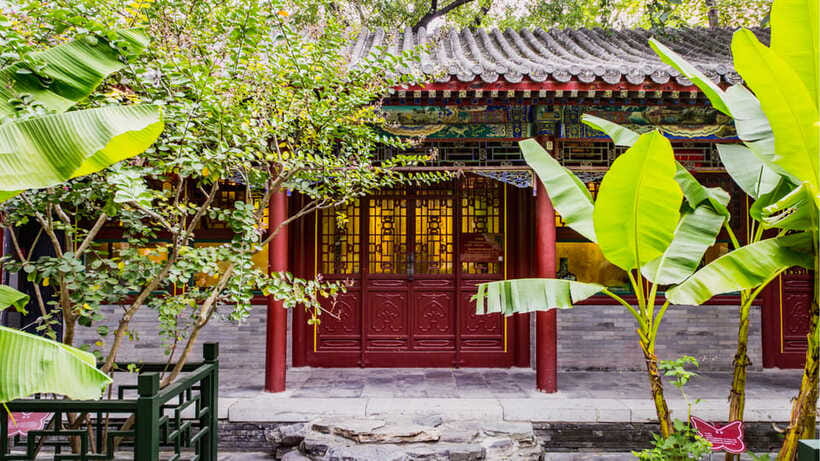
The garden is where the visit often slows down—in the best way. This palace includes scenic elements like pavilions, rockeries, and serene water features. The design follows traditional ideas related to feng shui, so it doesn’t feel random. Paths bend, views open, and the garden space provides a mental reset between busier areas of the residence.
If you like photography, this is the section that rewards patience. The lighting across pavilions and the way water reflects the surrounding structures can create calmer, more atmospheric scenes than you’ll get in straight-on hall views.
It’s also the part that makes the palace feel livable. Even though it was built for elite status, the garden shows a different side of Qing architecture: refinement, leisure, and the idea that nature and built space should work together.
To get the most from the garden, I’d keep enough time after the halls. Don’t rush the garden just because you think you’ll run out of daylight. The peaceful pacing is part of the attraction.
Timing Is Everything: Beat the After-11:00 Crowd
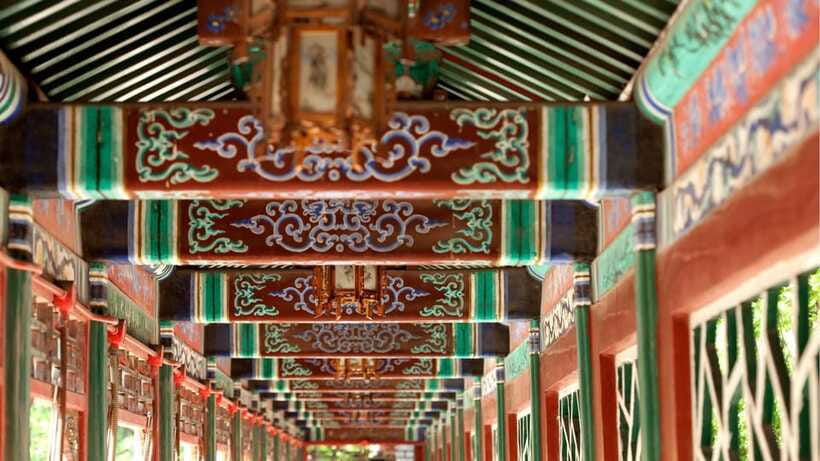
Crowds are a real factor here, and you can feel it in how quickly sights become “look, don’t see.” One clear piece of advice is simple: go early. After 11:00, it can get overcrowded, and that makes it harder to get clean views and enjoy the details.
This doesn’t mean you can’t go later. But if your priority is architecture, gardens, and photography, early hours give you the best chance at space between you and other visitors. It also reduces the stress of navigating narrower areas when the flow gets tight.
If you’re planning a day that also includes the Forbidden City, I’d avoid stacking this right after a full Forbidden City marathon. Doing both is doable, but you’ll enjoy Prince Gong’s Palace more if you don’t arrive already exhausted from sprinting through the biggest crowds.
Evening Light Show and Cultural Performance: A Second Act
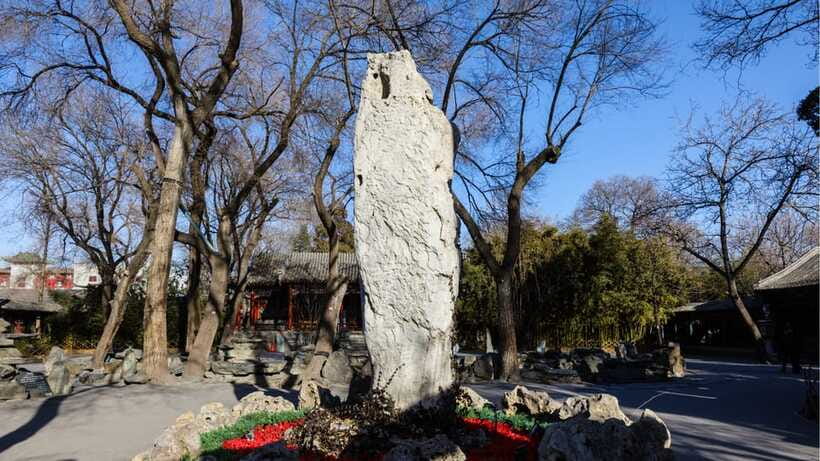
One reason this ticket stands out for many visitors is the evening light show and cultural performance. That gives your day a bookend: you explore the palace during daylight hours, then the complex takes on a different mood at night.
Because the tour format here is self-guided and the highlights mention this evening program, you’ll want to plan your pace so you’re not still deep in the gardens when it’s time to shift into evening plans. Think of the performance as your “finish line,” not a random bonus you hope to catch.
Even if you’re not a major show person, the light display can make the palace feel more cinematic. It’s also a way to see the atmosphere change without needing to add another museum stop.
Getting There Like a Pro: Shichahai to Drum Tower Walk
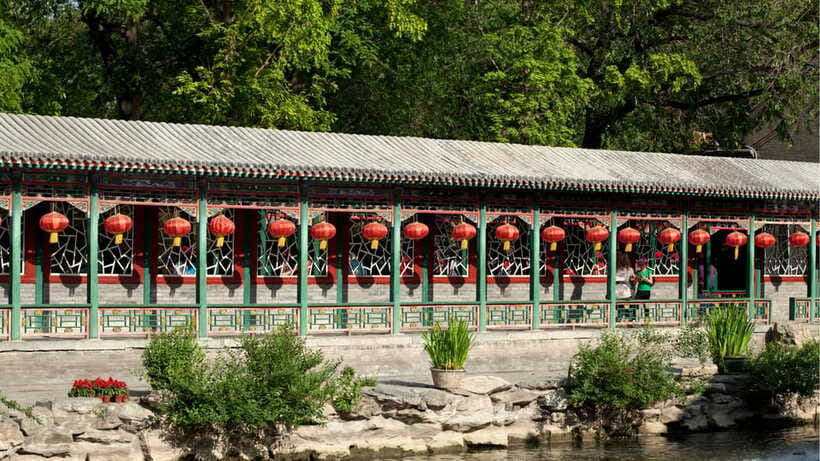
This is one of those places that fits well into a walking day. One practical strategy is to start around Shichahai and walk a scenic route, with the Drum Tower appearing along the way. That kind of route is worth it because you’re not just traveling between attractions—you’re seeing the city texture around them.
Also, the palace sits in an area that doesn’t feel like a pure tourist bubble. You’ll likely notice more local visitors than you’d expect, which can be a good sign. If you want Beijing that still feels used by real people (not only sold to tourists), this is a better match than attractions that everyone treats like a quick selfie stop.
If you’re building a day, consider making Prince Gong’s Palace a “center of gravity” attraction rather than a rushed add-on.
How Long It Takes and How to Pace Your Day
The visit is flexible, but you should plan around it. A good working expectation is at least a couple of hours, especially if you want time for garden wandering and more than a quick hall scan.
Because the palace is spread out, trying to do it in under an hour usually turns into disappointment: you miss the quiet transitions and you don’t give the garden enough time. If you have a full schedule, your best bet is to visit when you can slow down at least a little.
If you’re the type who loves reading labels and then standing still to look, add extra time. If you’re the type who prefers photos and architectural outlines, you can still have a great visit—just don’t skip the garden.
Who Should Book This Ticket (And Who Might Not)
This ticket format is a strong fit for people who want control. If you like self-guided travel, using a prepared guide, and spending time on architecture and historical settings, you’ll likely enjoy the self-paced style.
It’s also a good match for photographers. The variety of halls, corridors, pavilions, rockeries, and water features gives you multiple “types” of scenes in one place.
On the other hand, it may not be ideal if you want a live interpreter. There’s no live tour guide included, and there’s no audio guide included. If you rely on narration, you might find you need to supplement with your own reading or a separate guide service.
Should You Book This Prince Gong’s Palace Ticket?
Book it if you want a major Qing palace without the biggest-site fatigue. The skip-the-line entry saves time, the included English PDF guidebook gives you structure, and the setting—especially the garden—adds a calm counterweight to Beijing’s more intense attractions. If you can plan to arrive before 11:00, you’ll get noticeably better viewing and photos.
Don’t book it if you need a live guide or audio narration. Also be honest about your energy level. If your day is already stacked with heavy hitters, give Prince Gong’s Palace the time it deserves, or you’ll feel like you’re rushing through one of Beijing’s more interesting architectural worlds.
If you choose the right timing and pace, this is the kind of ticket that turns into a real memory, not just a stamp in your itinerary.
FAQ
What is included in the Prince Kung’s Palace Museum ticket?
Your ticket includes entry to Prince Kung’s Palace Museum (Qing Palace) and an English PDF guidebook.
Is there a live tour guide or audio guide included?
No. A live tour guide and an audio guide are not included.
How long should I plan for this experience?
The activity lists a duration of 1 day, and it’s a good idea to allocate enough time to comfortably explore the palace and gardens.
Do I need to bring anything with me?
You should bring your passport or ID card.
Is there anything to do in the evening?
The experience highlights include a light show and cultural performance for the evening.
What is the cancellation policy?
You can cancel up to 24 hours in advance for a full refund.
Tickets and Fast-Track Entry
- Beijing: Forbidden City Tour(Group/Private)-Tickets Included
★ 4.8 · 7,974 reviews - 4-Hour Small Group Tour to Forbidden City with Entry Tickets
★ 5.0 · 1,863 reviews - Beijing: Tiananmen Square Registration Service(Ticket)
★ 4.5 · 1,704 reviews - Beijing: The Temple of Heaven or Summer Palace Entry Ticket
★ 4.6 · 1,286 reviews - Beijing Forbidden City Ticket Booking (Optional: guide service)
★ 5.0 · 1,263 reviews - Beijing: Mutianyu Gt Wall Trip, Depart 8-10am Bus w/ Tickets
★ 4.9 · 1,256 reviews
More Tour Reviews in Beijing
- From Beijing: Mutianyu Great Wall Tours with Options
★ 4.9 · 9,216 reviews - Beijing: Forbidden City Tour(Group/Private)-Tickets Included
★ 4.8 · 7,974 reviews - Beijing: T-Square & Forbidden City Group or Private Tour
★ 4.8 · 4,446 reviews - All-Inclusive Tour: Tiananmen Square, Forbidden City, Great Wall
★ 5.0 · 2,873 reviews - MuBus: Mutianyu Great Wall ENG/ESP/RUS Guided Bus Tour
★ 5.0 · 2,361 reviews - 4-Hour Small Group Tour to Forbidden City with Entry Tickets
★ 5.0 · 1,863 reviews
More Time Inside the Forbidden City
- Beijing: Forbidden City Tour(Group/Private)-Tickets Included
★ 4.8 · 7,974 reviews - Beijing: T-Square & Forbidden City Group or Private Tour
★ 4.8 · 4,446 reviews - All-Inclusive Tour: Tiananmen Square, Forbidden City, Great Wall
★ 5.0 · 2,873 reviews - 4-Hour Small Group Tour to Forbidden City with Entry Tickets
★ 5.0 · 1,863 reviews - Beijing: Tiananmen Square Registration Service(Ticket)
★ 4.5 · 1,704 reviews - Beijing Full Day Tours: Tiananmen Sq, Forbidden City, Great Wall
★ 5.0 · 1,634 reviews
Just In: More Beijing Tours to Browse



Forbidden City & Tiananmen Square Tours, compared.
 ★ 4.8Forbidden City Tour(Group/Private)-Tickets IncludedFrom $47,974 reviews
 ★ 4.8T-Square & Forbidden City Group or Private TourFrom $174,446 reviews
 ★ 5.0All-Inclusive Tour: Tiananmen Square, Forbidden City, Great WallFrom $1282,873 reviews
 ★ 5.04-Hour Small Group Tour to Forbidden City with Entry TicketsFrom $151,863 reviews
 ★ 4.5Tiananmen Square Registration Service(Ticket)From $31,704 reviews
 ★ 5.0Beijing Full Day Tours: Tiananmen Sq, Forbidden City, Great WallFrom $991,634 reviews
 ★ 4.6Tianmen Square, Forbidden City & Royal Museum ToursFrom $41,288 reviews
 ★ 5.0Beijing Forbidden City Ticket Booking (Optional: guide service)From $91,263 reviews
Browse the lists this tour appears in