

Reviewed · TICKETS
Beijing:Drum and Bell Towers Entry Ticket- Cultural Treasure
Two ancient towers, one very clear idea of time. I love how e-tickets let you enter without queueing and I love the English textual and visual guide that helps you understand what you’re looking at. One thing to plan for: the visit involves steep, long stairs, so it may not be ideal if you have limited mobility.
These aren’t random monuments. The Drum Tower and Bell Tower sit on Beijing’s northern end of the central axis, and they were the city’s time-telling hub across the Yuan, Ming, and Qing dynasties. As you walk through, the buildings feel like a working system from the past: a place where a morning bell and a dusk drum used to organize the day.
Because this is essentially a self-paced ticket, your experience will depend on how much you use the guide while you’re there. The included materials are solid, but you won’t have a live guide translating or steering you through the details.
In This Review
- Key things to know before you go
- Beijing’s Drum and Bell Towers: more than a quick stop
- E-tickets that actually save time (and what you must provide)
- What you’ll see inside the Drum Tower: the city’s dusk signal
- What you’ll see inside the Bell Tower: the 63-ton Yongle legend
- The architectural complex details you can actually use while walking
- The English guide (text + visuals) is the difference-maker
- Price and value: good deal or just expensive?
- Plan your 2 hours: pacing matters inside stair-heavy towers
- Who this experience fits best
- Booking advice: should you reserve ahead?
- FAQ
- Do I need a passport to book these tickets?
- When are the tickets reserved after I order?
- How do I receive my tickets?
- Can I enter the Bell Tower and Drum Tower directly with the e-tickets?
- What’s included with the ticket?
- Is there a live guide or audio guide included?
- What language is the guide?
- How long should I plan to spend there?
- What should I bring on the day?
- Is it accessible for reduced mobility?
Key things to know before you go

- E-ticket entry: You can enter directly with the e-tickets you receive (no physical ticket needed).
- Two towers, one ticket package: You get both Drum Tower and Bell Tower admission.
- English guide support: The English textual and visual guide makes the architecture easier to read.
- Timekeeping details matter: You’ll see the system behind the famous “dusk drum and morning bell.”
- Iconic scale: The Yongle-era bell is known as the King of Ancient Bells at 63 tons.
- Stairs are the real test: The towers involve lots of climbing, so wear grippy shoes.
Weigh these up before you book this Beijing tour:
Beijing’s Drum and Bell Towers: more than a quick stop
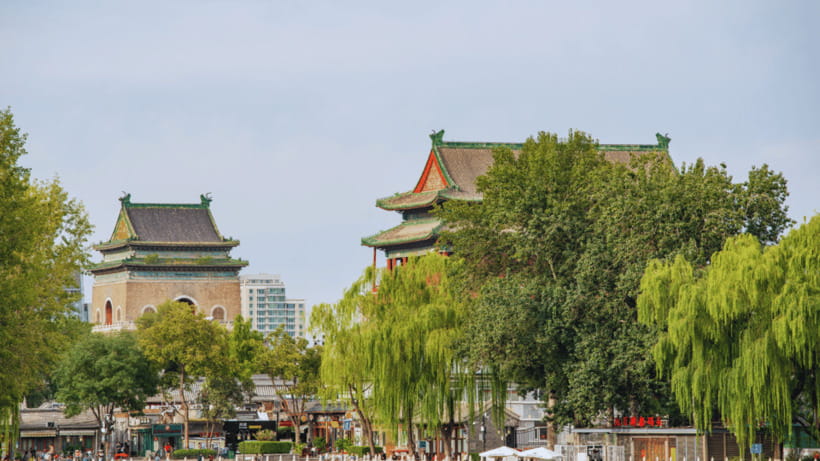
If you want one cultural experience that rewards slow walking, this is it. Beijing’s Drum Tower and Bell Tower are two stand-alone structures that together map out how the city used to measure time. The key is that this wasn’t just decoration. These towers served as the public time center from the Yuan Dynasty (1206–1368) through the Ming (1368–1644) and into the Qing (1644–1911).
What I like most is that the buildings themselves explain the theme. The layout is distinctive: the Bell Tower is slightly north of the Drum Tower, and the complex sits at the northern end of the central axis of Beijing. Even if you’ve never studied Chinese architectural design, you start to notice patterns—how the two buildings relate to each other, and how their placement reinforces the sense of order.
And the scale is hard to ignore. You’re not just looking at “old buildings.” You’re looking at the kind of civic infrastructure that once organized daily life—announcing time so people could coordinate work, travel, and routines.
E-tickets that actually save time (and what you must provide)
This ticket setup is built for convenience, especially during busy periods. After you order, you’ll need to provide your passport details—passport name, passport number, and date of birth. The operator then reserves your tickets 3 days prior to your visit.
Once the reservation is successful, you receive e-tickets via email or WhatsApp. Then you can enter the Bell Tower and Drum Tower directly using the e-tickets you were sent. No running around for a paper ticket. No last-minute line-wrangling.
This matters because ticket lines at major heritage sites can eat up your time. And because your total visit time is listed as 2 hours, you don’t want slow logistics to shrink what you actually see.
One small reality check: since this is self-paced entry, the “skip the line” part is helpful, but you still need to manage your pace inside. If you want the full value, plan to spend time reading what’s presented in the guide and not just doing a quick photo circuit.
What you’ll see inside the Drum Tower: the city’s dusk signal

The Drum Tower is the “evening” side of the story. In the past, there were 25 drums in the Drum Tower, and the timekeeping system is often described as a dusk drum and a morning bell. That phrasing is more than poetry—it signals how public time used to be announced with big, collective cues.
When you’re in the Drum Tower, keep your eyes open for how the space communicates its purpose. Even without a live guide, the included guide’s visuals and text are meant to help you connect the physical layout to the timekeeping function.
Think of it like this: you’re walking through a building that once mattered to everyone in Beijing, not just tourists. That perspective shifts the visit. Instead of asking, What is this? you start asking, How did this work, and why was it built this way?
You’ll also get a stronger sense of why the complex is protected at a state level and why it’s treated as an important cultural site—not just an attractive backdrop.
What you’ll see inside the Bell Tower: the 63-ton Yongle legend

Then you move to the Bell Tower, which is where the story turns dramatic. The bell cast during the Yongle era (1403–1424) of the Ming Dynasty is famous for its weight: it’s known as the 63-ton “King of Ancient Bells” of China.
That one detail does a lot of work for the visit. When you learn the bell’s scale, the room and the design stop feeling abstract. They start feeling engineered around a massive object and a clear civic job—ring loudly and consistently enough for the city to hear.
Again, this is where the guide earns its keep. The included English textual and visual guide is there to help you interpret what you’re seeing, including the historical framing across multiple dynasties. The towers began in the Yuan Dynasty, but their timekeeping role continued through Ming and Qing—so your walk is basically a timeline in architecture form.
- From Beijing: Mutianyu Great Wall Tours with Options★ 4.9 · 9,216 reviews
- Beijing: Forbidden City Tour(Group/Private)-Tickets Included★ 4.8 · 7,974 reviews
- Beijing: T-Square & Forbidden City Group or Private Tour★ 4.8 · 4,446 reviews
- All-Inclusive Tour: Tiananmen Square, Forbidden City, Great Wall★ 5.0 · 2,873 reviews
- MuBus: Mutianyu Great Wall ENG/ESP/RUS Guided Bus Tour★ 5.0 · 2,361 reviews
The architectural complex details you can actually use while walking

A lot of heritage sites give you general “this is old” vibes. Here, you can get specific fast, because the complex comes with enough factual anchors to guide your attention.
Use these as mental signposts as you move around:
- Built in the Yuan Dynasty (1206–1368), then used through Ming and Qing.
- The complex includes both the Drum Tower and Bell Tower as a paired system.
- The layout places the Bell Tower slightly north of the Drum Tower.
- The site is under state-level protection and covers 12,597 square meters.
You don’t need to memorize the numbers. Just treat them as context while you look. When you know the towers were the capital’s time center, you’ll naturally pay more attention to how the buildings relate to each other, and how their placement supports the idea of order along Beijing’s central axis.
The English guide (text + visuals) is the difference-maker
Since there’s no live tour guide or audio guide included, the guide you receive becomes your “host” inside the towers. And the included materials aren’t just basic labels.
One reason this experience earns strong ratings is that the guide is practical. It comes in English and uses textual and visual content that helps you understand both the towers and the surrounding area.
A bonus you might not expect: the guide also points toward nearby hutongs and even includes recommendations for local restaurants nearby. That turns the visit from a standalone ticket into a more complete block of Beijing sightseeing—especially if you like to mix history with street-level culture.
If you’re the type who reads signs slowly, you’ll get more out of this package than someone doing a quick pass. But even if you only skim, having the guide in your hands changes the experience because it gives you something to look for while you’re inside.
Price and value: good deal or just expensive?
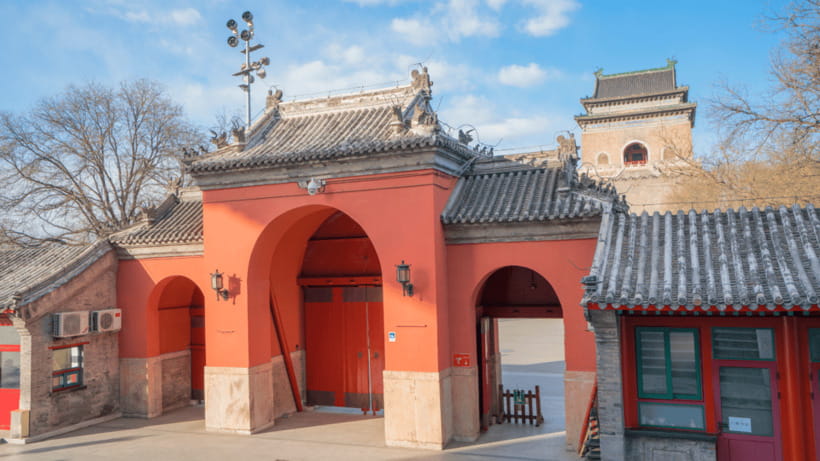
The listed price here is $13 per person for both towers plus the English guide. That’s the headline.
Here’s the balanced way to judge value:
- You’re paying for two major sites (Bell Tower + Drum Tower), not just one.
- You’re paying for a smoother entry experience via e-tickets.
- You’re also paying for the guide support, and in busy periods that kind of added context can save you time and confusion.
That said, price sensitivity is real. One review called the ticket price excessive compared to buying on-site. I can’t confirm on-site ticket pricing from the information provided here, but you should think about your own travel style:
- If you’re traveling during peak demand or you just hate lines, the “skip queues + organized entry” part can be worth paying for.
- If you’re comfortable dealing with ticket counters and you’re trying to squeeze the budget, you might feel the price more sharply.
In other words: it’s not automatically a bargain for everyone. It’s often a good match if you value clean logistics and readable context.
Plan your 2 hours: pacing matters inside stair-heavy towers
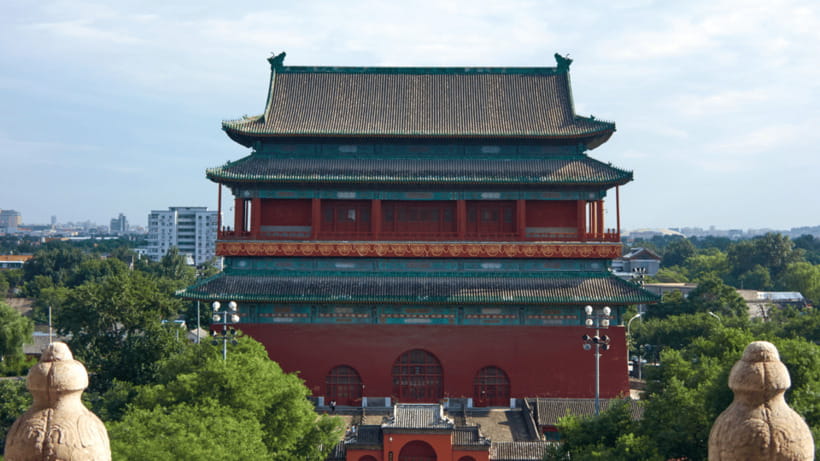
The activity duration is 2 hours, which is a realistic window if you’re aiming for a “see it all, but don’t rush” visit. But don’t treat this as a flat walk. The towers involve climbing—one review explicitly warned that the stairs are very steep and fairly long, and it’s not suitable for reduced mobility.
So, choose shoes like you would for museum stairs: grippy soles, comfy tread. If you’re someone who takes breaks often, build in time. And if you’re traveling with older relatives or anyone with balance or knee issues, consider whether this specific experience fits your group.
Also remember: because there’s no live guide, your route will be self-managed. Use your time by doing the “guide reading first, photos second” approach. When you read the key points early, you’ll take better photos because you understand what angle and detail matters.
Who this experience fits best

This ticket package is a strong fit if:
- You want a high-signal cultural stop with big historical context.
- You like self-paced sightseeing but still want meaningful help (the English guide).
- You care about logistics and prefer e-tickets over on-the-spot ticket searches.
It’s less ideal if:
- You need step-free or low-stair access.
- You expect a live guide to interpret everything for you.
If you love architecture and want something more “readable” than random ruins, you’ll likely enjoy the towers. If you just want quick photos and you’re short on time, you might find another nearby option more efficient. But if you can slow down for a couple of hours, this is the kind of site where understanding changes everything.
Booking advice: should you reserve ahead?
I’d book ahead if you want a smoother arrival and you appreciate having an English guide ready in your pocket (and phone). The e-ticket process is clear: you give passport info, they reserve your tickets 3 days prior, and you get e-tickets via email or WhatsApp.
I’d also book ahead if you’re visiting during crowded travel periods. Prebooking doesn’t guarantee the day will be empty, but it removes one stressful variable—finding tickets when lines are long.
I’d reconsider if you’re very budget-driven and don’t mind handling ticketing in person. Also reconsider if your group struggles with steep staircases, because the towers involve challenging climbing and that’s not something a ticket can fix.
FAQ
Do I need a passport to book these tickets?
Yes. You’re asked to provide your passport name, passport number, and date of birth.
When are the tickets reserved after I order?
Your tickets are reserved 3 days prior to your visit.
How do I receive my tickets?
After the reservation is successful, you’ll receive e-tickets via email or WhatsApp.
Can I enter the Bell Tower and Drum Tower directly with the e-tickets?
Yes. You can enter both towers directly with the e-tickets provided.
What’s included with the ticket?
You get a ticket for the Bell Tower and a ticket for the Drum Tower, plus an English textual and visual guide.
Is there a live guide or audio guide included?
No. A live tour guide and an audio guide are not included.
What language is the guide?
The included guide is in English.
How long should I plan to spend there?
The duration listed for the experience is 2 hours.
What should I bring on the day?
Bring your passport or an ID card.
Is it accessible for reduced mobility?
The information provided includes a caution from a review that the visit involves very steep and fairly long stairs, so it may not work well for reduced mobility.
Tickets and Fast-Track Entry
- Beijing: Forbidden City Tour(Group/Private)-Tickets Included
★ 4.8 · 7,974 reviews - 4-Hour Small Group Tour to Forbidden City with Entry Tickets
★ 5.0 · 1,863 reviews - Beijing: Tiananmen Square Registration Service(Ticket)
★ 4.5 · 1,704 reviews - Beijing: The Temple of Heaven or Summer Palace Entry Ticket
★ 4.6 · 1,286 reviews - Beijing Forbidden City Ticket Booking (Optional: guide service)
★ 5.0 · 1,263 reviews - Beijing: Mutianyu Gt Wall Trip, Depart 8-10am Bus w/ Tickets
★ 4.9 · 1,256 reviews
More Tour Reviews in Beijing
- From Beijing: Mutianyu Great Wall Tours with Options
★ 4.9 · 9,216 reviews - Beijing: Forbidden City Tour(Group/Private)-Tickets Included
★ 4.8 · 7,974 reviews - Beijing: T-Square & Forbidden City Group or Private Tour
★ 4.8 · 4,446 reviews - All-Inclusive Tour: Tiananmen Square, Forbidden City, Great Wall
★ 5.0 · 2,873 reviews - MuBus: Mutianyu Great Wall ENG/ESP/RUS Guided Bus Tour
★ 5.0 · 2,361 reviews - 4-Hour Small Group Tour to Forbidden City with Entry Tickets
★ 5.0 · 1,863 reviews
Just In: More Beijing Tours to Browse




Tickets, compared.
 ★ 4.8Forbidden City Tour(Group/Private)-Tickets IncludedFrom $47,974 reviews
 ★ 5.04-Hour Small Group Tour to Forbidden City with Entry TicketsFrom $151,863 reviews
 ★ 4.5Tiananmen Square Registration Service(Ticket)From $31,704 reviews
 ★ 4.6The Temple of Heaven or Summer Palace Entry TicketFrom $71,286 reviews
 ★ 5.0Beijing Forbidden City Ticket Booking (Optional: guide service)From $91,263 reviews
 ★ 4.9Mutianyu Gt Wall Trip, Depart 8-10am Bus w/ TicketsFrom $181,256 reviews
 ★ 4.9Mutianyu Great Wall Daily Tour with Ticket & LunchFrom $191,190 reviews
 ★ 5.0Forbidden City&T-Square Small GroupTours w/ ticket(Eng/Esp Guide)From $11995 reviews