
Reviewed · MULTI-DAY BEIJING TOURS
Boutique Tour: 2-Day Beijing Sightseeing Custom-Made Combo
Beijing gets easier with a private plan. This is a custom-made 2-day combo with a private guide and hotel pickup, so you choose how your Great Wall day and your imperial-city day are shaped.
I love the door-to-door transfers, which save you from Beijing’s timing headaches. I also like that entrance fees and guiding come included, and names like Miss Dana Yue and Maria pop up in the feedback for being warm, organized, and genuinely helpful.
The trade-off is cost and timing: you’re paying for convenience, and meals and hotel are on you, with an 8:00 am start.
In This Review
- Key highlights that actually matter
- Why this custom 2-day Beijing combo feels efficient
- Price and value: what $368 per person buys (and what it doesn’t)
- How the 6-sight selection really affects your trip
- Day one on the Great Wall: choose your pass style
- Juyongguan Great Wall: easy access, classic pass
- Badaling Great Wall: famous, but expect crowds
- Mutianyu Great Wall: scenic and a bit less packed
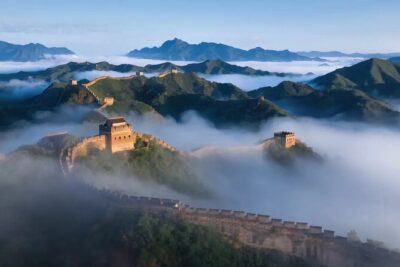
- Huanghuacheng Great Wall: the Wall built through a lake
- Day two in the capital: Tiananmen, Forbidden City, and big-city orientation
- Tiananmen Square: the world’s largest central square
- Forbidden City (Palace Museum): imperial center in 1.5 hours
- Old Beijing views: Houhai, Drum & Bell Towers, and Jingshan Park
- Houhai (Back Lakes): old neighborhood energy without the palace scale
- Drum & Bell Towers: panoramic view over hutongs
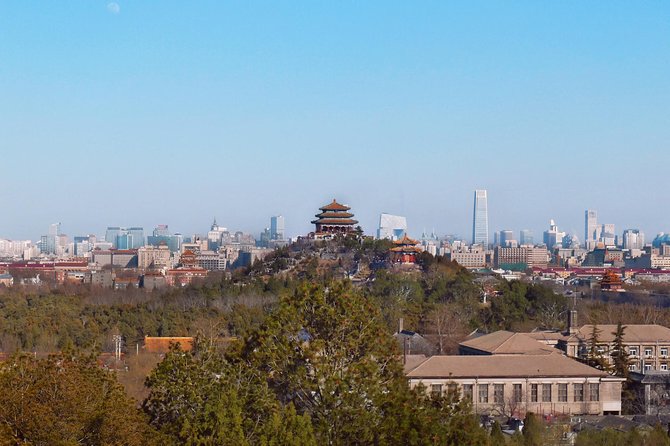
- Jingshan Park: the Forbidden City from above
- Old streets and imperial rituals: Liulichang, Nanluoguxiang, Temple of Heaven, Summer Palace
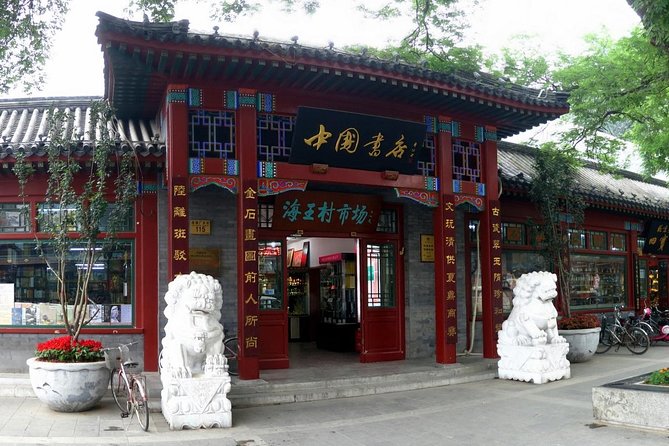
- Liulichang Street: antiques and glazed-tile roots
- Nanluoguxiang: an old hutong street turned snack and shopping hub
- Temple of Heaven: Ming and Qing ritual ceremonies
- Summer Palace (Yiheyuan): big imperial garden, plus dragon boat season
- Modern Beijing and shopping detours: Olympic Park, City-Planning Hall, and markets
- Beijing Olympic Park: after 2008, still a recognizable set
- Beijing Urban Planning Exhibition Hall: how the city became itself
- Panjiayuan Antique Market: large, cheap, and weekend-focused
- Pearl Market (Hongqiao Market): knock-off shopping
- Lama Temple (Yonghegong): the lamasery stop that changes the mood
- Should you book this private 2-day combo?
- FAQ
- What time does the tour start?
- Is this tour private or shared?
- Does the tour include hotel pickup and drop-off?
- Are entrance fees included?
- Are meals included?
- Do I need a passport for booking?
- How many attractions do I get to choose?
Key highlights that actually matter
- You choose six sights from major options, including multiple Great Wall passes and big city icons.
- Private van pickup and drop-off keeps the day moving without public-transport stress.
- Great Wall choices are very different: from easy-access passes to quieter Wall sections over water.
- Your day can mix UNESCO-style stops and local Beijing views from hutong neighborhoods.
- Guides get you from point to point with English support and entrance handling.
- Bottled water plus optional lunch/cable car can take the edge off a long day.
Two days or more, the city end to end
Why this custom 2-day Beijing combo feels efficient
Beijing can be a lot. Big sites, long distances, and ticket lines can eat your energy fast. This tour is built around the idea that you should spend your time seeing, not wrestling schedules.
The setup is simple: you’re in a private group with your own vehicle, and you build a 2-day plan by picking a set number of options (so you control what you prioritize). Then the guide turns those picks into an organized route, with door-to-door transfers to match where you’re staying.
What makes it feel smart is the balance between freedom and support. You still choose the sights, but you’re not doing the logistics alone. And based on guide names mentioned in feedback, this is the kind of tour where the person holding the plan matters a lot—people like Bob, Miss Dana Yue, and Maria are specifically called out.
Price and value: what $368 per person buys (and what it doesn’t)
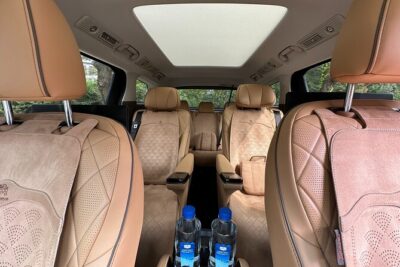
At $368 per person for about 2 days, you’re paying for a private experience with real included costs. The tour price covers an experienced English-speaking guide, entrance fees, bottled water, and hotel pickup/drop-off, plus transport in a comfort vehicle (listed as a business van for 1–5 people).
This matters because entrance fees add up quickly in Beijing, and private guiding turns the day from a checklist into a route you can actually enjoy. If you’ve ever tried to line up the Great Wall plus two or three major central sights in one day, you already know how much time that planning costs.
What’s not included is just as important. Hotel accommodation isn’t included, and meals are at your own expense (though you might have quality lunches depending on the package option you select). The tour also notes cable car access for Great Wall only if you choose an All Inclusive package—so it’s worth confirming what’s included for your exact selection before you go.
How the 6-sight selection really affects your trip
You don’t have to see everything. In fact, trying to do that in Beijing often turns into “running, but not really seeing.”
This tour’s structure—choosing a set number of stops—forces a good kind of focus. If you love iconic views, you can stack viewpoint stops like Jingshan Park and the Drum & Bell Towers. If you’d rather take it slower, you can choose fewer high-energy stops and pair them with calmer areas like Houhai.
It also means you should think like a designer, not like a tourist. Ask yourself:
- Do you want the most famous Wall section, or the Wall with fewer crowds?
- Do you want more palace/temple time, or more neighborhoods and markets?
- Are you planning to spend time climbing stairs, or do you want to minimize it?
The guide will adapt the itinerary to your picks and your hotel location, and you’ll typically receive the tailored plan in advance.
Day one on the Great Wall: choose your pass style
Day one is all about the Wall. But the Wall options aren’t interchangeable—they feel different, they attract different crowds, and the activity level varies.
Most people underestimate the effort of a Wall day. Even with a vehicle, you’re trading city time for big scenery and big steps. That’s why picking the right section is the whole game.
Weigh these up before you book this Beijing tour:
- 2-Day Beijing Highlights Small-Group Guided Tour★ 4.5 · 120 reviews
- 2-Day Private Classic Beijing City Sightseeing Tour Package★ 5.0 · 102 reviews
- 2-Day Private Beijing Tour with Forbidden City and Great Wall★ 5.0 · 78 reviews
- 2-Day Beijing Private Tour to Forbidden City, Great Wall★ 5.0 · 57 reviews
- Beijing Private 2-Day Tour with Forbidden City and Great Wall★ 5.0 · 42 reviews
Juyongguan Great Wall: easy access, classic pass
Juyongguan is described as the number one pass in China and the option that’s easy to access with a Wall experience that’s straightforward to fit into a day. If you want something iconic without a complicated logistics headache, this is the Wall choice to consider.
Plan for about 2 hours on-site. It’s usually a good pick if you’re jet-lagged, traveling with people who prefer less complexity, or you want to keep the rest of the day open for central sightseeing later.
Badaling Great Wall: famous, but expect crowds
Badaling is one of the first Wall sections opened to the public—and it’s the most popular. That’s a win if you want the classic, recognizable Wall vibe. It’s a drawback if you dislike crowds, because it can be crowded on weekends and holidays.
You’ll also spend about 2 hours there. If you can only go on a busy day, your guide’s route timing can still help—but your expectations should be realistic.
Mutianyu Great Wall: scenic and a bit less packed
Mutianyu is known for its beauty and for being slightly less touristy than Badaling. It also offers more ways to get around the site, with services listed such as a cable car, toboggan, and chairlift.
Expect around 2 hours. If you want the Wall to feel like an outing—not just a hike—Mutianyu is a strong fit because the options let you match your energy level.
Huanghuacheng Great Wall: the Wall built through a lake
Huanghuacheng is the “this looks different” Wall choice. It’s built through a lake, and it’s especially mentioned as peaceful between April and October, with boats available to rent.
You’ll spend about 2 hours here as well. If your ideal Wall day includes calmer views and the chance to do something beyond walking, this one can deliver variety.
Day two in the capital: Tiananmen, Forbidden City, and big-city orientation
Day two is where Beijing’s identity hits you—square first, then palace. Even if you’re not a museum person, this block of sites helps you understand the city’s power center.
Tiananmen Square: the world’s largest central square
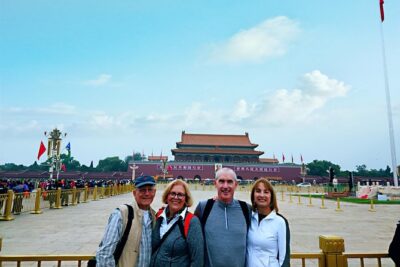
Tiananmen Square is described as the largest city-center square in the world. Expect it to function like a giant stage for iconic buildings, including the Great Hall of the People and Chairman Mao’s Mausoleum.
This stop is listed at about 40 minutes, and since the admission is free, it’s a great way to get your bearings early in the day. It’s also a good spot to mentally reset before the crowds and scale of the Forbidden City.
Forbidden City (Palace Museum): imperial center in 1.5 hours
The Forbidden City is called the largest imperial palace in the world, and it’s tied to the Ming and Qing emperors who lived there for over 500 years. Admission is listed as included here, and the time estimate is about 1 hour 30 minutes.
One practical note: 1.5 hours moves fast through a complex site. A good private guide helps by pointing out what’s most worth your time, instead of leaving you to decide aisle-by-aisle.
If you want value from your ticket, choose a route that matches your interests—ceremony, architecture, or plain storytelling about how the court worked.
Old Beijing views: Houhai, Drum & Bell Towers, and Jingshan Park
These stops are how you slow down and see Beijing as people actually lived it. They’re also excellent for photos because you’ll get higher viewpoints and water-and-street context.
Houhai (Back Lakes): old neighborhood energy without the palace scale
Houhai is described as one of the few old and original parts of Beijing, with a history stretching back hundreds of years. It used to be a living quarter for high-ranking officials and even princes during the Ming and Qing dynasties.
The time estimate here is about 1 hour, and admission is listed as free. This is a strong pick if your trip includes at least one heavy “big site” day, because Houhai helps your brain recharge while still feeling historic.
Drum & Bell Towers: panoramic view over hutongs
The Drum & Bell Towers are iconic buildings in old Beijing. The standout detail is that you go up the Drum Tower for a panoramic view of the hutong neighborhood, with a sense of the layout you wouldn’t get from street level.
You’ll likely spend around 40 minutes, with admission listed as included. If you like understanding city structure—where people lived and how neighborhoods connected—this is one of the best value viewpoints on the list.
Jingshan Park: the Forbidden City from above
Jingshan Park is listed as the best panoramic spot for views of the Forbidden City, downtown Beijing, and the old part of the city. The time estimate is about 40 minutes, and admission is included.
This stop is ideal if you want one clear, memorable overview after spending time inside the palace site. Think of it as your “put it all together” viewpoint.
Old streets and imperial rituals: Liulichang, Nanluoguxiang, Temple of Heaven, Summer Palace
This is the section that gives Beijing texture. You mix street-level history with ceremony sites and then end on an imperial garden.
Liulichang Street: antiques and glazed-tile roots
Liulichang is a street full of shops selling antiques and curios, plus traditional Chinese stone houses. It’s also tied to craft history: in the past, it was a place for making glazed tiles for the Forbidden City.
It’s listed at about 1 hour, with admission listed as free. If you want a calmer shopping walk that feels connected to what you already saw at the palace, this is a good pairing.
Nanluoguxiang: an old hutong street turned snack and shopping hub
Nanluoguxiang is described as one of the oldest hutongs in Beijing, with a history of over 740 years. It’s now a popular shopping and snack street.
Time is listed as around 1 hour, and admission is free. This stop can be fun if you want to blend culture with casual wandering. If crowds make you grumpy, time your visit carefully with your guide’s pacing.
Temple of Heaven: Ming and Qing ritual ceremonies
The Temple of Heaven is where Ming and Qing emperors performed ritual ceremonies. It’s listed at about 1 hour, and admission is included.
This works well after the palace day because it shows a different side of imperial life—less about living quarters, more about rituals tied to legitimacy and the seasons.
Summer Palace (Yiheyuan): big imperial garden, plus dragon boat season
The Summer Palace is described as the largest and best-preserved imperial garden in China. A special note here: there’s a dragon boat experience inside between April and October.
You’ll typically spend about 1 hour 30 minutes, with admission included. If your travel dates are in that spring-to-fall window, this stop can add a little extra joy beyond walking through the grounds.
Modern Beijing and shopping detours: Olympic Park, City-Planning Hall, and markets
Beijing isn’t only old. These stops give you the modern layer, plus a chance to do practical shopping for souvenirs.
Beijing Olympic Park: after 2008, still a recognizable set
Beijing Olympic Park is described as representative of Beijing as much as the Great Wall or Forbidden City after the 2008 Olympic Games. The plan lists a short about 40 minutes walk, with admission free.
This is a great “breather” stop if you want a break from indoor admissions. It’s also a good chance to talk with your guide about how the city changed around those years.
Beijing Urban Planning Exhibition Hall: how the city became itself
The Beijing Urban Planning Exhibition Hall is listed as a place to know Beijing’s history of urban planning and future development, with admission included and time around 1 hour.
If you like context—why roads, neighborhoods, and districts look the way they do—this stop can make your photos and walks feel less random.
Panjiayuan Antique Market: large, cheap, and weekend-focused
Panjiayuan Antique Market is also known as the Panjiayuan Ghost Market. It’s described as the largest, cheapest, and most popular antique market in Asia. The plan notes you’ll find a huge assortment and that it’s often best for cheap souvenirs on weekends.
Time is listed as about 1 hour, admission free. This is a place to browse without expecting museum-level authenticity. Go in with patience and a simple goal: find a couple of affordable keepsakes and enjoy the vibe.
Pearl Market (Hongqiao Market): knock-off shopping
Hongqiao Market is described as a major knock-off market. Time is around 1 hour, admission free.
This can be useful if you’re specifically hunting budget items, but keep it practical: decide what you want before you walk in, and don’t let browsing swallow your schedule.
Lama Temple (Yonghegong): the lamasery stop that changes the mood
Lama Temple, also listed as Yonghegong, is described as the largest lamasery in Beijing. It’s noted as tied to two famous Qing emperors who came from there.
Plan for about 1 hour, with admission included. This stop is valuable because it adds a different religious and cultural texture compared with the palace and temple ritual sites.
If your two days include the Great Wall and Forbidden City, Lama Temple can act like a palate cleanser.
Should you book this private 2-day combo?
Book it if you want to do Beijing efficiently with a private guide, especially when time is tight and you’d rather pick your six sights than gamble with public transit and ticket timing.
I’d also lean yes if you like choice. The format lets you balance big icons (Great Wall, Tiananmen Square, Forbidden City) with neighborhood atmosphere (Houhai, hutong viewpoints, street wandering like Liulichang and Nanluoguxiang).
Skip or adjust your expectations if you’re hoping for meals and hotel to be included—those are on your expense list. And if you’re sensitive to crowds, consider that Badaling is noted as crowded on weekends and holidays, so your Wall choice matters.
FAQ
What time does the tour start?
The meeting start time is listed as 8:00 am.
Is this tour private or shared?
It’s a private tour/activity, and only your group participates.
Does the tour include hotel pickup and drop-off?
Yes. Hotel pickup and drop-off are included.
Are entrance fees included?
Yes. Entrance fees are included.
Are meals included?
Meals are not included. The tour notes that meals are at your own expense, though the included section mentions quality lunches for the Great Wall cable car option if you select an All Inclusive package.
Do I need a passport for booking?
Yes. Passport name and number are required at booking for all participants.
How many attractions do I get to choose?
You tailor-make the itinerary by choosing a set number of options. The details say you choose 1 option from category A and 5 different options from category B. The operator will then build your 2-day route based on those selections and your hotel location.
More Beijing Outings
- From Beijing: Mutianyu Great Wall Tours with Options
★ 4.9 · 9,216 reviews - Beijing: Forbidden City Tour(Group/Private)-Tickets Included
★ 4.8 · 7,974 reviews - Beijing: T-Square & Forbidden City Group or Private Tour
★ 4.8 · 4,446 reviews - All-Inclusive Tour: Tiananmen Square, Forbidden City, Great Wall
★ 5.0 · 2,873 reviews - MuBus: Mutianyu Great Wall ENG/ESP/RUS Guided Bus Tour
★ 5.0 · 2,361 reviews - 4-Hour Small Group Tour to Forbidden City with Entry Tickets
★ 5.0 · 1,863 reviews
More Tour Reviews in Beijing
- From Beijing: Mutianyu Great Wall Tours with Options
★ 4.9 · 9,216 reviews - Beijing: Forbidden City Tour(Group/Private)-Tickets Included
★ 4.8 · 7,974 reviews - Beijing: T-Square & Forbidden City Group or Private Tour
★ 4.8 · 4,446 reviews - All-Inclusive Tour: Tiananmen Square, Forbidden City, Great Wall
★ 5.0 · 2,873 reviews - MuBus: Mutianyu Great Wall ENG/ESP/RUS Guided Bus Tour
★ 5.0 · 2,361 reviews - 4-Hour Small Group Tour to Forbidden City with Entry Tickets
★ 5.0 · 1,863 reviews
Beijing Over Several Days
- Beijing 2-Day Tours: Great Wall, Forbidden City & Top Highlights
★ 5.0 · 688 reviews - Beijing: Top 6 Highlights All Inclusive 2-Day Private Tour
★ 5.0 · 472 reviews - Beijing Private Tour: 2 Days Forbidden City and Mutianyu Great Wall VIP Tour
★ 5.0 · 418 reviews - Beijing: All Inclusive 3-Day Top Highlights Private Tour
★ 5.0 · 259 reviews - Mini Group: 2-Day Beijing Highlights and Great Wall Tour
★ 5.0 · 242 reviews - 2-Day Beijing Highlights Small-Group Guided Tour
★ 4.5 · 120 reviews
Just In: More Beijing Tours to Browse

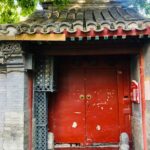
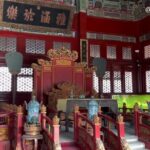

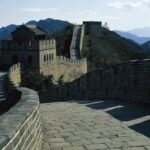
Multi-Day Beijing Tours, compared.
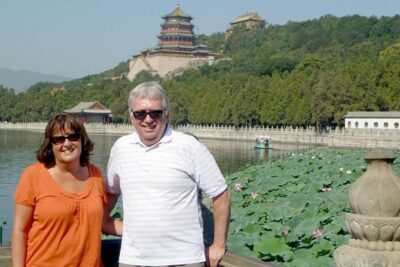 ★ 5.0Beijing 2-Day Tours: Great Wall, Forbidden City & Top HighlightsFrom $99688 reviews
 ★ 5.0Top 6 Highlights All Inclusive 2-Day Private TourFrom $330472 reviews
 ★ 5.0Beijing Private Tour: 2 Days Forbidden City and Mutianyu Great Wall VIP TourFrom $369418 reviews
 ★ 5.0All Inclusive 3-Day Top Highlights Private TourFrom $560259 reviews
 ★ 5.0Mini Group: 2-Day Beijing Highlights and Great Wall TourFrom $330242 reviews
 ★ 4.52-Day Beijing Highlights Small-Group Guided TourFrom $179120 reviews
 ★ 5.02-Day Private Classic Beijing City Sightseeing Tour PackageFrom $368102 reviews
 ★ 5.011-Day Small-Group China Tour: Beijing, Xi’an, Guilin, Yangshuo and ShanghaiFrom $2,08989 reviews
Browse the lists this tour appears in