
Reviewed · TRAIN EXPERIENCES
Bullet Train To Datong Yungang Grottoes from Beijing Private Day Tour
Early morning plus UNESCO caves? Yes.
This private day tour from Beijing to the Yungang Grottoes in Datong is a smart way to see one of northern China’s most important art-and-faith sites without spending your whole day wrestling trains. I love that the whole framework is handled for you—hotel pickup, round-trip bullet train tickets, and an English-speaking guide—so you can focus on the sights. I also like that you get a proper local lunch of hand-sliced noodles right in Datong, which keeps the day from feeling like nonstop rushing.
One thing to consider: it’s early, and you’ll need to travel with your passport details because the train tickets require your name and passport number in advance. Dress for real weather too—this runs in all conditions, and you’ll be walking around an outdoor cliffside complex.
In This Review
- Key highlights you’ll actually care about
- Why Yungang Grottoes belong on your northern China list
- The private plan: how hotel pickup keeps the day sane
- Bullet train timing: the logistics win you’re paying for
- Stop for lunch in Datong: hand-sliced noodles that actually fuel the caves
- The Yungang setup: what you’re seeing and why it looks the way it does
- Inside the complex: what to expect in about 3 hours
- How to plan your walking so you don’t miss the best stuff
- Guide and tickets: the small details that keep you from headaches
- Price and value: is $410 per person worth it?
- Weather, comfort, and how to dress for a cliffside site
- Who this tour is best for (and who might want a different plan)
- Should you book it?
- FAQ
- What time does the tour start?
- How long is the day tour?
- Is hotel pickup and drop-off included?
- Are round-trip bullet train tickets included?
- Do I need a passport for this tour?
- Is lunch included, and what is it?
- Can I end the tour in Datong instead of returning to Beijing?
Key highlights you’ll actually care about
- Bullet train included for a fast, low-stress Beijing to Datong round-trip
- Hotel pickup and drop-off so you start and end inside your routine
- English-speaking guide to help you understand what you’re seeing in the caves
- About 3 hours at Yungang to explore caves, murals, niches, and statues at a comfortable pace
- Hand-sliced noodle lunch in Datong instead of a rushed, generic meal
- Passport required for train reservations, plus mobile ticket convenience
Your group only, at your own pace

Why Yungang Grottoes belong on your northern China list
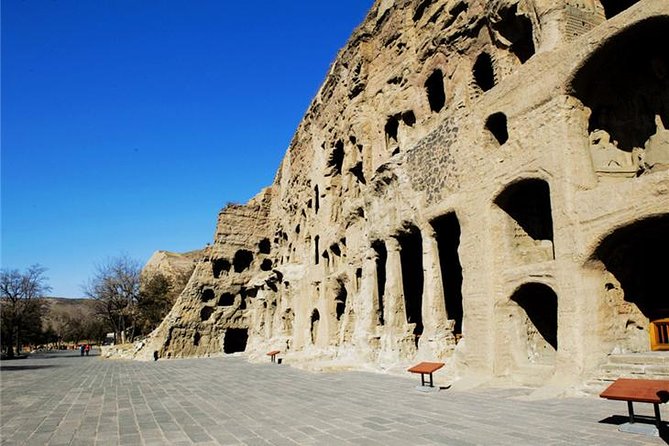
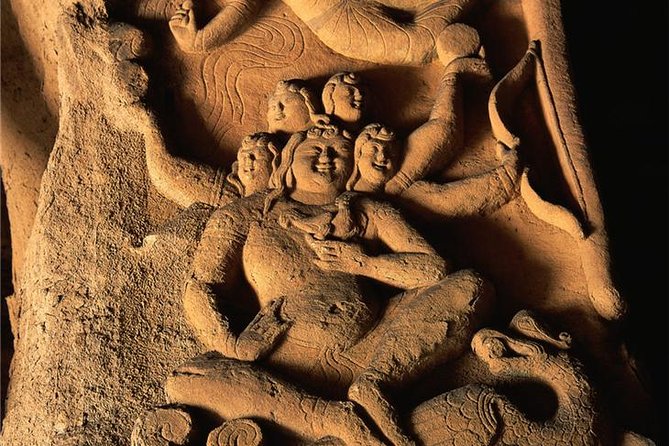
If you’re choosing between big-ticket sights in northern China, Yungang sits in a sweet spot: it’s famous, but it’s also intensely physical. You’re not just looking at a building—you’re looking at thousands of carved Buddha figures and scenes embedded in a cliff face. The Yungang site dates to the 5th and 6th centuries, and it covers 252 grottoes and niches with more than 51,000 statues and depictions.
The other reason it’s worth a whole day is scale. The caves stretch along the cliffs at Wuzhou Mountain across roughly 1 km from east to west, so the experience feels like a long visual walk rather than one room-and-done stop. And then there’s the big centerpiece: a towering Buddha carving about 55 feet tall (around 7 meters), which you can’t really prepare for until you see it in person.
The private plan: how hotel pickup keeps the day sane
This is built for people who don’t want to problem-solve transport early in the morning. You get hotel pickup from central Beijing, ride in a private vehicle to the station area, and later return to your hotel in the early evening. For a day this packed, that matters more than you might think.
It also makes the day feel coherent. Instead of you figuring out where to queue, which entrance to use, and how to time lunch and the cave visit, your guide helps keep the flow tight. It’s a classic value trade: you pay more than doing everything independently, but you buy back time and mental energy.
One more practical note: this is a private tour, meaning it’s only your group. That usually translates to fewer delays and less waiting around for other people’s pace.
Bullet train timing: the logistics win you’re paying for
The round-trip bullet train between Beijing and Datong is about a 2-hour ride each way, and it’s included. On a day trip, that’s huge. It turns a potentially awkward “long-distance” outing into something you can genuinely enjoy rather than endure.
You also get mobile ticket convenience, which helps on train days. Still, the most important tip here is administrative: you need your passport number and your name in advance for the train tickets. If your passport has a different spelling than you usually use online, fix it early—don’t wait until the last minute.
Stop for lunch in Datong: hand-sliced noodles that actually fuel the caves
In Datong, you’ll stop for an early lunch of local sliced noodles—flat noodles that are hand-sliced with a knife and served with savory ingredients. This isn’t just a placeholder meal. The cave visit is a walking-and-staring kind of day, and you’ll be grateful for something filling before you go inside.
If you have dietary requirements, tell the tour operator when you book. The info you’re given says to advise specific dietary needs, so you should do that upfront rather than trying to explain it later while everyone’s coordinating trains and entrances.
- From Beijing: Mutianyu Great Wall Tours with Options★ 4.9 · 9,216 reviews
- Beijing: Forbidden City Tour(Group/Private)-Tickets Included★ 4.8 · 7,974 reviews
- Beijing: T-Square & Forbidden City Group or Private Tour★ 4.8 · 4,446 reviews
- All-Inclusive Tour: Tiananmen Square, Forbidden City, Great Wall★ 5.0 · 2,873 reviews
- MuBus: Mutianyu Great Wall ENG/ESP/RUS Guided Bus Tour★ 5.0 · 2,361 reviews
The Yungang setup: what you’re seeing and why it looks the way it does
Yungang Grottoes sit on the cliffside of Wuzhou Mountain, and the layout is the whole experience. You’re dealing with grottoes and niches cut into the rock over centuries, with statues and murals placed into those openings. That’s why the visuals can feel different as you move along: you’re shifting between larger carved scenes, smaller figurines, and decorative elements that fit the shape of each niche.
The site is UNESCO-listed, and that status is tied to the amount and importance of what survived. In practical terms for your visit, it means you’ll see a huge variety of sculptural styles and religious imagery clustered in a single complex rather than one uniform set of rooms.
Inside the complex: what to expect in about 3 hours
You’ll have about three hours to explore Yungang’s grottoes and niches. That’s a good window for most people, because you can actually stop and look. You can also return your focus to the biggest carvings without feeling like you’re sprinting.
During your visit, you’ll have time to see:
- the towering Buddha cliff carving (the 55-foot/7-meter highlight)
- smaller caverns and niches with colorful wall murals
- figurines and other ornamental depictions of Buddha
- miniature statuettes as well as larger rock-face sculptures
A key point: this is not a modern museum layout where everything is explained visually at a glance. The guide matters here. A guide can help you understand what you’re looking at—why certain carvings appear where they do, and how the different niches connect into a wider religious-and-art story.
How to plan your walking so you don’t miss the best stuff
Even with a guide, you’ll do better if you think of your time in chunks. For the first part of the visit, aim to orient yourself and scan the major cliff areas. That’s when the big Buddha carving hits hardest, because you’re seeing the scale and placement in context.
For the middle portion, shift your attention to smaller details: murals, figurines, and niches. This is where the site becomes more than just a famous photo spot. You’ll likely spend time looking at how the carvings fit into each opening and how different scenes vary in size and style.
Finally, keep some time at the end for re-looking at anything that stuck with you earlier. Three hours is enough to do this without stress, but only if you resist the urge to rush straight from one highlight to the next.
Guide and tickets: the small details that keep you from headaches
This tour includes a professional English-speaking guide and your entrance ticket to the Yungang complex. Round-trip bullet train tickets are also included, which is a big deal on its own because trains can be stressful to book and coordinate while you’re already navigating Beijing.
If your guide is part of Mark’s Guide & Driver Service, you’ll be in a setup designed for smooth transfers—hotel pickup, station navigation, and then a controlled visit to the caves. And in at least one real-world example from this service, a guide named Bruce helped a group get oriented quickly once they reached Datong.
Here’s the practical takeaway: when someone gives you the route and timing plan, listen the first time. Yungang’s best view moments happen when you’re in the right section at the right time, not when you chase them blindly.
Price and value: is $410 per person worth it?
At $410 per person, this is not a budget day. But it isn’t just you buying a seat and a ticket—it’s the full bundle: private vehicle transport, hotel pickup/drop-off, round-trip bullet trains, a guided cave visit, and lunch. On a tight itinerary, the cost often comes down to one question: do you want to spend your day managing logistics, or do you want to spend it looking at the caves?
If you’re the kind of traveler who values time and hates figuring out connections, the value is strong. You’re paying for smooth timing between Beijing and Datong, plus someone to manage the cave visit so you get more out of those three hours. If you’re comfortable handling trains and entry details on your own, you may be able to build a cheaper DIY plan—but you’ll probably pay for that with stress and wasted moments.
Private tours also tend to be quieter and more efficient. That can matter a lot on a site like Yungang, where the experience changes as you move along the cliffs.
Weather, comfort, and how to dress for a cliffside site
This tour operates in all weather conditions, so plan accordingly. The caves are in a cliffside complex, and you’ll spend time outdoors moving between areas before and after your guided time inside.
Wear comfortable walking shoes with grip. Dress in layers you can adjust quickly. If it’s cold, you’ll feel it more than you expect while waiting between train connections or walking short distances outdoors. If it’s hot, breathable clothing helps because the day begins early and keeps moving.
Who this tour is best for (and who might want a different plan)
This tour fits best if you want a one-day, high-impact visit to Yungang without turning it into a logistics project. It’s especially good for first-timers in Beijing who want one major heritage day trip that’s still manageable.
It’s also a smart choice if you’re traveling with limited time. An early start plus bullet train travel gives you a full sightseeing block in Datong and returns you to Beijing in the early evening.
If you’re the type who loves building itineraries from scratch and doesn’t mind train planning, you could go independently. But you’ll likely lose the convenience factor that makes this day feel smooth.
One extra option you might like: there’s an option to end in Datong city for your next plan. If you’re continuing north or shifting to another destination, that flexibility can turn this from a day trip into the first step of a longer route.
Should you book it?
I’d book this if you want an easy, guided day that gets you to UNESCO Yungang Grottoes with minimal hassle. The combination of hotel pickup, round-trip bullet train tickets, an English guide, and a real lunch makes it feel like the tour is built around how you’ll actually experience the day.
I’d hesitate only if you’re comfortable taking on the planning yourself and you’re watching your budget closely. Also, if early mornings are a deal-breaker, consider whether you can handle a 7:30 am start comfortably.
If you’re aiming for one “big win” day from Beijing, this is one of the more practical ways to do it.
FAQ
What time does the tour start?
The start time is 7:30 am.
How long is the day tour?
It runs about 9 hours (approx.).
Is hotel pickup and drop-off included?
Yes, hotel pickup and drop-off are included.
Are round-trip bullet train tickets included?
Yes, round-trip bullet train tickets between Datong and Beijing are included.
Do I need a passport for this tour?
Yes. You need your passport number and name of the train tickets in advance, and you need to bring your passport.
Is lunch included, and what is it?
Lunch is included. You’ll have local hand-sliced noodles in Datong.
Can I end the tour in Datong instead of returning to Beijing?
Yes, there is an option to end at Datong city for your next plan.
Your Party, Your Pace
- Beijing: Forbidden City Tour(Group/Private)-Tickets Included
★ 4.8 · 7,974 reviews - Beijing: T-Square & Forbidden City Group or Private Tour
★ 4.8 · 4,446 reviews - Beijing:Mutianyu Great Wall Private Trip with English Driver
★ 5.0 · 1,263 reviews - Private Mutianyu Great Wall Trip with English-Speaking Driver
★ 5.0 · 927 reviews - Private Mutianyu Great Wall Trip With English-Speaking Driver
★ 5.0 · 899 reviews - Mutianyu Great Wall&Summer Palace Excursion:Group/Private Options
★ 5.0 · 816 reviews
More Beijing Outings
- From Beijing: Mutianyu Great Wall Tours with Options
★ 4.9 · 9,216 reviews - Beijing: Forbidden City Tour(Group/Private)-Tickets Included
★ 4.8 · 7,974 reviews - Beijing: T-Square & Forbidden City Group or Private Tour
★ 4.8 · 4,446 reviews - All-Inclusive Tour: Tiananmen Square, Forbidden City, Great Wall
★ 5.0 · 2,873 reviews - MuBus: Mutianyu Great Wall ENG/ESP/RUS Guided Bus Tour
★ 5.0 · 2,361 reviews - 4-Hour Small Group Tour to Forbidden City with Entry Tickets
★ 5.0 · 1,863 reviews
More Tour Reviews in Beijing
- From Beijing: Mutianyu Great Wall Tours with Options
★ 4.9 · 9,216 reviews - Beijing: Forbidden City Tour(Group/Private)-Tickets Included
★ 4.8 · 7,974 reviews - Beijing: T-Square & Forbidden City Group or Private Tour
★ 4.8 · 4,446 reviews - All-Inclusive Tour: Tiananmen Square, Forbidden City, Great Wall
★ 5.0 · 2,873 reviews - MuBus: Mutianyu Great Wall ENG/ESP/RUS Guided Bus Tour
★ 5.0 · 2,361 reviews - 4-Hour Small Group Tour to Forbidden City with Entry Tickets
★ 5.0 · 1,863 reviews
Just In: More Beijing Tours to Browse



Train Experiences, compared.
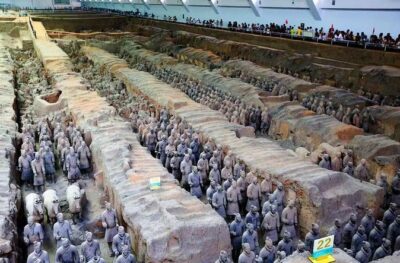 ★ 5.0Beijing to Xi’an See Terracotta Warriors with Bullet Train Round Trip TransferFrom $564238 reviews
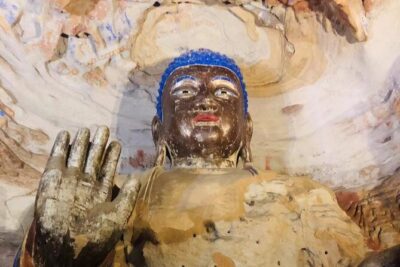 ★ 5.0Beijing to Datong See YunGang Cave, Hanging Temple (Bullet Train)From $41639 reviews
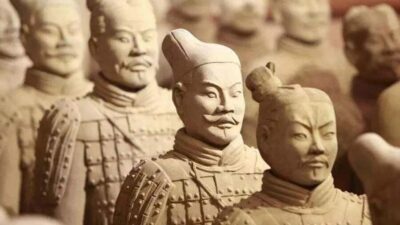 ★ 5.0Xi’an Terracotta Tour by Train-All Tickets IncludedFrom $43827 reviews
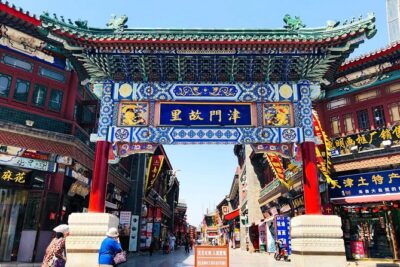 ★ 5.0Private Day Trip to Tianjin from Beijing by Bullet TrainFrom $22922 reviews
 ★ 5.0Bullet Train Tour to Hanging Temple&Yungang GrottoesFrom $34816 reviews
 ★ 5.0Private Day Trip: Discover Tianjin by Bullet Train from BeijingFrom $22414 reviews
 ★ 4.8Beijing to Xi’an Terracotta Tour by Roundtrip Bullet TrainFrom $18013 reviews
 ★ 5.0Beijing to Shanghai Bullet Train Ticket with South Railway Station TransferFrom $16611 reviews
Browse the lists this tour appears in