
Reviewed · CRUISES & BOAT TOURS
11 Days 10 Nights Leisure China Tour with Yangtze River Cruise
Beijing to Shanghai can feel like a blur. This one stays fun because it mixes big classic sights with a slow, scenic Yangtze River cruise, paced by guides like Hannah Liang. I especially like how the plan doesn’t just point at famous places; it gives you time to actually make sense of what you’re seeing—morning flag vibes in Tiananmen Square, then imperial-era monuments that explain the city’s mindset.
My second favorite part is the combo of royal-scale history and street-level life: the Terracotta Warriors day in Xi’an plus time in local neighborhoods like the Muslim Quarter. It’s a smart balance. You get the wow factor, then you get the human-scale details—shopping streets, alleys, and everyday rhythm.
One consideration: not every stop is fully included. A few cruise shore excursions and some Shanghai areas (like the Bund and Nanjing Road) are listed as not included, so you may spend extra if you want everything.
In This Review
- Key highlights you’ll care about
- Arrival Day in Beijing: from airport pickup to ceremonial grandness
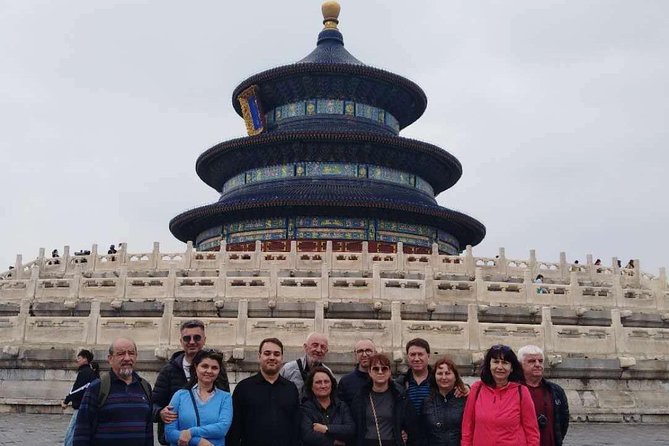
- Tiananmen Square, Forbidden City, and Temple of Heaven: the imperial story in one orbit
- Mutianyu Great Wall plus Olympic Park: contrast without feeling chaotic
- Hutongs and Summer Palace: the slow Beijing day that helps everything else land
- Xi’an: Terracotta Warriors, Bell Tower, and the Muslim Quarter’s energy
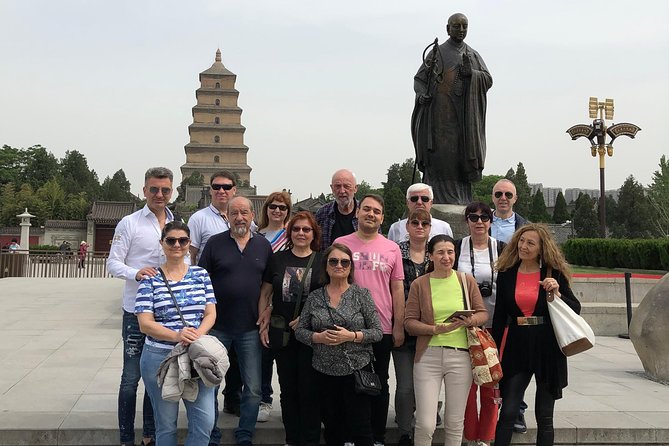
- Xi’an’s City Wall and Big Wild Goose Pagoda: walking history at your speed
- Boarding the Yangtze: Fengdu and the start of river time
- Qutang Gorge and Baidicheng: the Three Gorges story gets real
- Three Gorges Dam site: engineering on the river, not far from it
- Shanghai start: Jade Buddha Temple, Oriental Pearl Tower, Yu Garden
- Nanjing Road and the Bund: two optional-feeling icons you can still plan around
- Final day in Shanghai: free time plus Maglev option
- Price and value: what $2,484 covers (and how to judge if it fits you)
- The guide factor: why names like Hannah Liang and Maurizio matter
- Should you book this Yangtze River cruise tour?
- FAQ
- What cities are included on this tour?
- Is the Yangtze River cruise included in the price?
- Are entrance tickets included for every attraction?
- What meals are included?
- Do I need to pay for optional shore excursions during the cruise?
- When does the tour start and where do I meet the guide?
- How does the tour end in Shanghai?
- Can I cancel and get a refund?
Key highlights you’ll care about
- Mutianyu Great Wall: a well-preserved section with less crowd pressure than the most famous stretches
- Forbidden City + Temple of Heaven: two core imperial sites in one smooth day
- Xi’an focus: Terracotta Warriors plus time for the Bell Tower and the Muslim Quarter’s food-and-shopping energy
- Yangtze sailing through the Three Gorges: Qutang Gorge and the Three Gorges Dam site are real schedule anchors
- Shanghai icons on a guided sweep: Jade Buddha Temple, Oriental Pearl Tower, and Yu Garden with time for riverfront and shopping zones not marked included
- Private-group feel: only your group participates, with pickup and drop-off built around your itinerary
Weigh these up before you book this Beijing tour:
Arrival Day in Beijing: from airport pickup to ceremonial grandness
Day 1 is set up to reduce stress. You meet the guide at Beijing Capital International Airport, then get transferred to your hotel. After check-in, you’re on your own for the rest of the day. That’s not filler—it’s a chance to reset after travel and prepare for several high-energy days.
If you want an early win, use this first evening to do something simple near your hotel: grab bottled water, orient yourself, and pick a nearby meal plan. You’ll thank yourself later. The tour later hits several sites where you’ll want to be calm and not rushing to figure out transport or money.
Tiananmen Square, Forbidden City, and Temple of Heaven: the imperial story in one orbit
Day 2 is classic Beijing, and it’s classic for a reason. Tiananmen Square is the world’s largest city-center square, paved with light granite. Even if you’re not big on ceremonies, the flag routine sets a tone. Morning and sunset flag activities turn the space into something more than a photo spot. You’ll also notice how the square ties into major political history—it’s built for scale and symbolism.
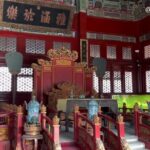
From there, you go straight into the Forbidden City (Palace Museum). This isn’t a quick walk-and-go. The museum area is huge—over 9,000 buildings—and it covers the Ming and Qing dynasties. The timeline matters: it was first built in 1406 and completed in 1420, with 24 emperors calling it home over centuries. You don’t need to memorize dates. Just notice the layout and think of it as power made into architecture.
Then you finish with Temple of Heaven. This site is different from the Forbidden City because it’s about ritual and belief. Emperors worshiped the god of heaven and prayed for good harvests here. If you go in with a mindset of how people once explained nature and the seasons, the whole day clicks. It feels like one imperial story told from different angles.
Practical note: These days mean steady walking. Comfortable shoes beat any fashion pick. If you wear layers, you can handle temperature shifts between outdoor courtyards and indoor museum rooms.
Mutianyu Great Wall plus Olympic Park: contrast without feeling chaotic
Day 3 gives you a clean contrast: old-world fortification and modern spectacle, both guided.
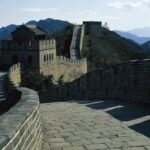
Mutianyu Great Wall is often the Great Wall “sweet spot.” It’s known for good preservation and scenery, and it’s generally less crowded than the busier segments. The tour time—about three hours—means you can actually hike sections instead of just touching the start line.
Then you shift to Beijing Olympic Park, also called Olympic Green. This includes major venues like the Bird’s Nest and Water Cube, with Water Cube listed as a stop you can enjoy without an admission ticket in the tour plan. Even if you don’t care about sports, Olympic Park is a strong example of how Beijing uses architecture to brand itself.
If you want the best experience, spend a bit of time before photos just looking at shapes and materials. The Bird’s Nest gets attention, but the surrounding design logic is what makes the whole area feel intentionally planned.
Hutongs and Summer Palace: the slow Beijing day that helps everything else land
Day 4 is the day I’d pick if you hate rushing. You start with a Hutong tour—older lanes tied to Ming and Qing eras. Hutongs aren’t just backdrops. They’re still living streets, so the goal is shopping, dining, and street-life observation. You learn more from small details than big statements.
Then comes the Summer Palace (Yiheyuan), described as a best-preserved imperial garden and one of the largest still in existence in China. It’s a short drive from central Beijing, but the feeling changes fast: gardens, pavilions, and open water create that classic “this is why they built it here” mood.
The tour schedule gives you long time here—about six hours. That’s plenty to do more than one style of wandering. You can pace slowly with photos, or you can focus on key views and still have time to rest.
Small reality check: This is a garden and palace day, not a sit-down museum day. If your legs are sensitive, plan for breaks and bring water (the tour includes bottled water, which helps).
- From Beijing: Mutianyu Great Wall Tours with Options★ 4.9 · 9,216 reviews
- Beijing: Forbidden City Tour(Group/Private)-Tickets Included★ 4.8 · 7,974 reviews
- Beijing: T-Square & Forbidden City Group or Private Tour★ 4.8 · 4,446 reviews
- All-Inclusive Tour: Tiananmen Square, Forbidden City, Great Wall★ 5.0 · 2,873 reviews
- MuBus: Mutianyu Great Wall ENG/ESP/RUS Guided Bus Tour★ 5.0 · 2,361 reviews
Xi’an: Terracotta Warriors, Bell Tower, and the Muslim Quarter’s energy
Day 5 is the heavy hitter: Qin Terra-cotta Warriors and Horses. This is one of the world’s most important archaeological sites, and the visit is long enough—about six hours—for you to go beyond the first shock. You’ll see troops, horses, and chariots arranged as if in formation. The power of the place isn’t just scale; it’s the idea that someone built an enormous scene meant to last.
After that, you head to Xi’an Bell Tower. It stands in the center of Xi’an’s ancient city area and dates to the Ming dynasty era. Even if you skip the bells and machinery details, the location alone helps you understand how the city was organized around central landmarks.
Finally, you get time in the Muslim Quarter with about three hours of shopping freedom. This is where the trip shifts from imperial grandness to everyday appetites. You’ll likely find snacks, small shops, and browsing that feels more social than museum-like.
Xi’an’s City Wall and Big Wild Goose Pagoda: walking history at your speed
Day 6 is two strong, calmer stops.
First, the Xi’an City Wall. The tour notes that you can bike or take a sightseeing car on the wall. That detail matters because it gives options for different energy levels. Riding even a small part of the wall makes history feel less like a lecture and more like a route you can imagine people actually took.
Then you move to the Big Wild Goose Pagoda (Dayanta). It’s a well-preserved Buddhist holy site with more than 1,300 years of history. A pagoda can feel like just a tall object until you connect it to belief and the long flow of cultural exchange. Here, the point is the spiritual continuity—you’re standing in a place that still carries meaning.
If you’re the type who likes photos, this is a good day to plan your camera energy. These sites offer lots of angles.
Boarding the Yangtze: Fengdu and the start of river time
Day 7 brings you closer to the Yangtze experience. The tour includes a shore excursion connected to Fengdu. The plan says the morning option is the Fengdu Jade Emperor, with Fengdu Ghost City listed as optional at extra cost. Either way, you get a buffet lunch served on board.
This is one of those moments where the tour shifts from city sightseeing to slower pacing. The river has its own rhythm. Even if you don’t fully buy the ghost-and-fortune story side, the setting and the way the schedule works makes the day feel like a transition—less “rush to the next landmark” and more “settle in.”
Practical note: Because some Fengdu content is optional and marked not included, you should budget a bit if you want the full experience.
Qutang Gorge and Baidicheng: the Three Gorges story gets real
Day 8 is one of the most important “this feels different” days.
You visit Baidicheng Scenic Area, also described with the setting of Fengjie White Emperor City near Qutang Gorge. The details given—water on multiple sides, impressive river views, and the gorge’s fame—make it clear this isn’t just a viewpoint stop. It’s a dramatic river setting.
Then you enjoy sailing through Qutang Gorge, the shortest of the Three Gorges at about eight kilometers. It’s often described as the most dramatic, with steep cliffs and visible remnants like the Meng Liang staircase from the Song Dynasty. Even with minimal knowledge of the references, you’ll feel what people mean by dramatic once you’re watching the cliffs slide past.
One reason this day works is time and attention. In a typical land-only itinerary, Three Gorges can feel like a checkbox. On the river, you get motion, scale, and that slow change in perspective that photos can’t fully capture.
Three Gorges Dam site: engineering on the river, not far from it
Day 9 is focused on the Three Gorges Dam Site at Sandouping Town, upstream from Yichang. The tour also gives distances relative to Yichang and Gezhouba Dam Lock, which is helpful for understanding placement. This day is less about folklore and more about how modern China reshaped the river.
Here’s how to make it rewarding: treat it like a systems view. You’re not just looking at a structure. You’re seeing an intervention that affects water levels, navigation, and how people live downstream and upstream.
Practical note: Since it’s a specific site stop, dress for weather changes. River areas can shift quickly between cool air and sun.
Shanghai start: Jade Buddha Temple, Oriental Pearl Tower, Yu Garden
Day 10 shifts you back into big-city mode, but the stops are curated for variety.
You start at Jade Buddha Temple, first built in 1882 with a white jade Buddha installed after a monk brought it from Burma to Zhejiang Province. That date detail helps you appreciate it as a late-arriving layer in China’s long religious story.
Next is Oriental Pearl Tower. The tour lists it at 468 meters and emphasizes its architectural concept of pearls dropping onto a jade plate. Even if you don’t go up inside (the plan doesn’t specify), the tower is a visual anchor and easy to pair with surrounding urban views.
Then come Yu Garden (Yuyuan), described as the only fully restored classical Chinese garden, inaugurated in the Ming dynasty. The tour notes the total area and the “world in miniature” feel—pavilions, corridors, ponds, bridges, rocks, and winding paths. This is a nice way to break the tall-building intensity.
Nanjing Road and the Bund: two optional-feeling icons you can still plan around
Day 10 finishes with Nanjing Road and The Bund, both marked not included in the tour plan, but still part of the experience.
Nanjing Road is described as a major commercial center with a long street and a huge number of shops and visitors. If you like energy and browsing, this is your time. It’s also a good place for people-watching since it runs along the central city.
Then The Bund gives you the classic riverfront lineup. You’ll see famous skyline elements across the Huangpu River, including major towers like Shanghai World Financial Centre and others named in the tour details. Even if you keep expectations modest, the visual impact comes fast once the riverfront opens up.
Budget idea: Because these are not included, you may need to cover personal snacks or any optional transport or tickets you choose.
Final day in Shanghai: free time plus Maglev option
Day 11 is a free day. That’s valuable because it lets you do one last thing on your terms—revisit a favorite street, do souvenir shopping, or just walk until you’re done.
The tour also offers a practical exit option: the provider can arrange the Maglev train to Pudong airport or drive you directly. That’s a comfort factor if you’d rather not calculate transit on your own.
Price and value: what $2,484 covers (and how to judge if it fits you)
At $2,484 per person, this is clearly positioned as a packaged, guided experience across multiple regions: Beijing, Xi’an, a Yangtze cruise period, and Shanghai. The value question is simple: what would you have to DIY?
Here’s what the tour includes:
- entrance fees and the Yangtze cruise
- driver/guide and hotel/port pickup and drop-off
- hotel accommodation and bottled water
- meals: breakfast (10), lunch (9), dinner (2)
That meal list matters. For a multi-city trip, eating out every day alone adds up fast, and it also adds friction when you’re tired.
What’s not included:
- international airfare or train tickets in/out of China
- optional tours, activities, and meals beyond what’s listed
- any private expenses
So who tends to benefit most? If you like structure—waking up knowing where to go and having someone handle tickets—this is a strong match. If you’re the type who loves freedom to linger in one museum all day and swap neighborhoods spontaneously, you might feel the push. Still, the itinerary includes some flexibility (like free time days and local-market shopping blocks).
Also, the tour uses mobile ticket support, and it includes group discounts, which can help if you’re traveling with friends or a family group.
The guide factor: why names like Hannah Liang and Maurizio matter
Two details from past guide experiences stick with me: careful coordination and clear explanations. One guide named Hannah Liang is credited with making the trip run smoothly, with timely visits and organized logistics. Another guide named Maurizio is described as attentive and coordinated across requests, with scrupulous planning and friendliness within the group.
You can’t always measure guide quality until you’re on the ground. But when the itinerary spans such different places—imperial Beijing, archaeological Xi’an, then the river and Shanghai—good guidance is the difference between smooth and messy.
If you want to maximize your time, ask your guide simple questions like: what should I prioritize today, what time is best for photos, and which parts are most worth lingering over. The value of a guided tour often shows up in those small decisions.
Should you book this Yangtze River cruise tour?
I’d book this itinerary if you want:
- a guided route that hits the big-name classics (Forbidden City, Mutianyu Great Wall, Terracotta Warriors)
- a real river component instead of a land-only sprint
- enough structure that you spend energy on sightseeing, not logistics
- a guided Shanghai finish with time for iconic neighborhoods
I’d think twice if you:
- dislike long days on your feet (several sites are multiple hours)
- expect every stop to be fully included with no extra costs (some cruise excursions and Shanghai zones are not included)
- want maximum freedom to change plans day to day
If you match the first list, this is a solid value. You get the sweep of China’s big eras, then the slower, grounded perspective that only the Yangtze can give.
FAQ
What cities are included on this tour?
The tour is based in Beijing, includes Xi’an, includes a Yangtze River cruise with stops in the Three Gorges area, and ends in Shanghai.
Is the Yangtze River cruise included in the price?
Yes. Entrance fees and the Yangtze cruise are included.
Are entrance tickets included for every attraction?
Most major listed sights include admission tickets in the plan, but some items are marked as not included (for example certain cruise shore excursion items and parts of Shanghai like Nanjing Road and the Bund).
What meals are included?
Breakfast is included 10 times, lunch is included 9 times, and dinner is included 2 times. Bottled water is also included.
Do I need to pay for optional shore excursions during the cruise?
Some Fengdu-related excursion options are listed as not included, so you may have extra costs if you choose them. The tour notes the Fengdu Jade Emperor option as part of the morning arrangement, with another option available for an extra cost.
When does the tour start and where do I meet the guide?
The start is at Beijing Capital International Airport, with a start time listed as 9:00 am. You’ll meet the tour guide and get transferred to your hotel.
How does the tour end in Shanghai?
You’ll have a free day on Day 11, and the tour can arrange the Maglev train to Pudong airport or drive you directly to the airport.
Can I cancel and get a refund?
Yes. You can cancel up to 6 days in advance for a full refund, with different refund percentages depending on how close to the start time you cancel.
If you tell me your travel month and whether you prefer packed days or slower ones, I can help you judge how intense this itinerary will feel for you.
Onto the Lakes and Canals
- Water-Great Wall Odyssey: Hike & Cruise One Day Tour
★ 5.0 · 94 reviews - Water-Great Wall Odyssey: Scenic Bus & Cruise Day Tour
★ 5.0 · 91 reviews - Longqingxia Gorge Cruise and Guyaju Cave Dwellings Private Day Tour
★ 5.0 · 60 reviews - Din Tai Fung Dinner and VIP Class River Cruise Experience in Shanghai
★ 5.0 · 31 reviews - Beijing Private Tour to Badaling Great Wall and Longqing Gorge with Boat Ride
★ 5.0 · 26 reviews - Private Day Tour to Longqing Gorge and Dingling at the Ming Tombs with Lunch and Boat Ride
★ 5.0 · 24 reviews
More Beijing Outings
- From Beijing: Mutianyu Great Wall Tours with Options
★ 4.9 · 9,216 reviews - Beijing: Forbidden City Tour(Group/Private)-Tickets Included
★ 4.8 · 7,974 reviews - Beijing: T-Square & Forbidden City Group or Private Tour
★ 4.8 · 4,446 reviews - All-Inclusive Tour: Tiananmen Square, Forbidden City, Great Wall
★ 5.0 · 2,873 reviews - MuBus: Mutianyu Great Wall ENG/ESP/RUS Guided Bus Tour
★ 5.0 · 2,361 reviews - 4-Hour Small Group Tour to Forbidden City with Entry Tickets
★ 5.0 · 1,863 reviews
More Tour Reviews in Beijing
- From Beijing: Mutianyu Great Wall Tours with Options
★ 4.9 · 9,216 reviews - Beijing: Forbidden City Tour(Group/Private)-Tickets Included
★ 4.8 · 7,974 reviews - Beijing: T-Square & Forbidden City Group or Private Tour
★ 4.8 · 4,446 reviews - All-Inclusive Tour: Tiananmen Square, Forbidden City, Great Wall
★ 5.0 · 2,873 reviews - MuBus: Mutianyu Great Wall ENG/ESP/RUS Guided Bus Tour
★ 5.0 · 2,361 reviews - 4-Hour Small Group Tour to Forbidden City with Entry Tickets
★ 5.0 · 1,863 reviews
Just In: More Beijing Tours to Browse


Cruises & Boat Tours, compared.
 ★ 5.0Water-Great Wall Odyssey: Hike & Cruise One Day TourFrom $5294 reviews
 ★ 5.0Water-Great Wall Odyssey: Scenic Bus & Cruise Day TourFrom $5091 reviews
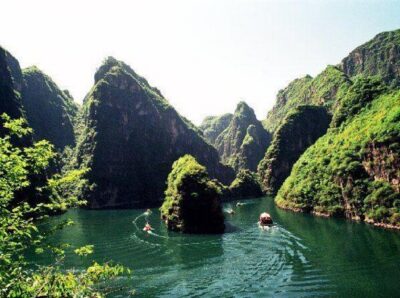 ★ 5.0Longqingxia Gorge Cruise and Guyaju Cave Dwellings Private Day TourFrom $21660 reviews
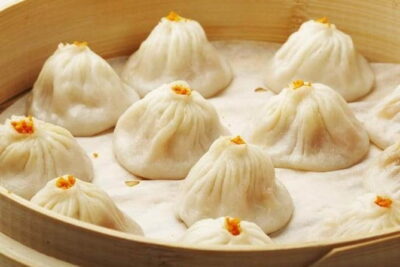 ★ 5.0Din Tai Fung Dinner and VIP Class River Cruise Experience in ShanghaiFrom $17331 reviews
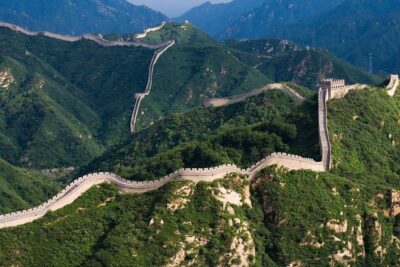 ★ 5.0Beijing Private Tour to Badaling Great Wall and Longqing Gorge with Boat RideFrom $23626 reviews
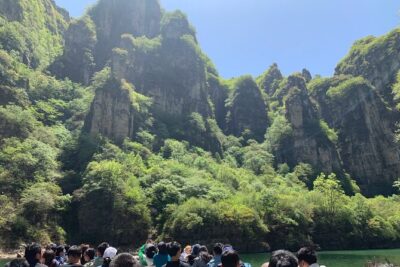 ★ 5.0Private Day Tour to Longqing Gorge and Dingling at the Ming Tombs with Lunch and Boat RideFrom $21424 reviews
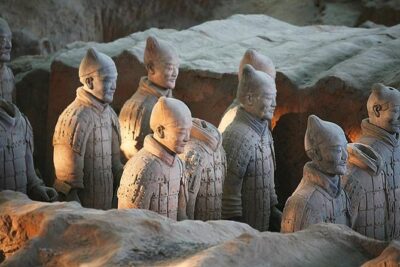 ★ 5.014-Day Small-Group China Tour: Beijing, Xi’an, Guilin, Yangtze Cruise, ShanghaiFrom $3,13915 reviews
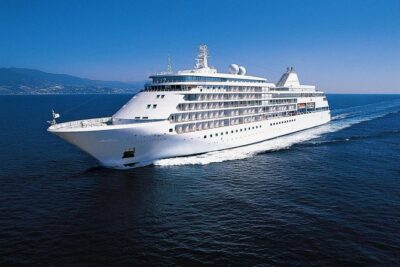 ★ 5.0Private Transfer to Tianjin Xingang Cruise Port-Every Group SizeFrom $10810 reviews
Browse the lists this tour appears in