
Reviewed · CRUISES & BOAT TOURS
15-Day Classic China Tour with Yangtze Cruise
Beijing to Shanghai in one smooth sweep sounds ambitious, but the Yangtze River cruise makes this itinerary feel like more than a checklist. You get an expert English-speaking guide and a plan that ties together major sights with real neighborhoods, from Forbidden City grandeur to Beijing hutongs and Xi’an’s Muslim Quarter. It’s a classic route, but the way you’re scheduled keeps the travel days from feeling random.
I love two things most. First, the core sights are all handled with UNESCO-level stops like the Forbidden City, Summer Palace, Terracotta Warriors, and the Great Wall at Mutianyu. Second, the day-to-day logistics are built for sanity: pickups, hotel transfers, and a mix of trains and flights that prevents you from wasting vacation time chasing connections.
One thing to think about: you’ll move almost every day, and some meals are only included on set days. If you hate a tight schedule, or you want more freedom to wander without a guide guiding the flow, the pace may feel like too much.
In This Review
- Key highlights worth knowing before you go
- First impressions: why this route feels “classic China” (and not chaotic)
- Beijing: Forbidden City, Tiananmen energy, and hutong reality
- Great Wall to Summer Palace: two moods of imperial China
- Xi’an: Terracotta Warriors plus religious and local streets
- Guilin and Yangshuo: the Li River cruise is the reset button
- Chongqing to the Yangtze: start the cruise right at night
- Three Gorges day by day: gorges by morning, dam by daylight
- Suzhou’s gardens and Tongli water town: a softer kind of China
- Shanghai: museum depth, garden strolls, and the Bund at your pace
- What you get for the price (and where you’ll still spend extra)
- Who this tour fits best (and who should think twice)
- Should you book this 15-day Classic China Tour with Yangtze Cruise?
- FAQ
- What is included in the tour price?
- Where does the tour start, and what time?
- Does the tour offer pickup?
- Which major UNESCO World Heritage Sites are included?
- Is the Yangtze cruise included, and how does it work?
- Are visa fees and international flights included?
Key highlights worth knowing before you go
- Mutianyu Great Wall with cable car: less friction than the most remote sections, still unforgettable views.
- Beijing classics with neighborhood texture: Forbidden City, Temple of Heaven, plus a rickshaw hutong ride.
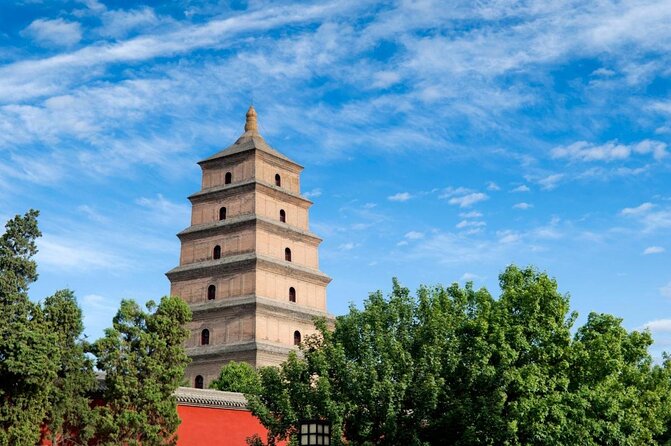
- Xi’an beyond the Terracotta Warriors: Big Wild Goose Pagoda and the Great Mosque area.
- Li River cruise from Guilin to Yangshuo: a scenic half-day without having to plan boats.
- Yangtze cruise with hands-on Three Gorges experience: Shennong Stream adventure and a Three Gorges Dam visit.
- Suzhou + water town + Shanghai mix: gardens and town life before you hit Shanghai Museum and the Bund.
Weigh these up before you book this Beijing tour:
First impressions: why this route feels “classic China” (and not chaotic)
This is a well-built China sampler that still leaves room for actual rhythm. You’re not stuck only in museums. You get palace architecture, imperial gardens, religious sites, daily-life sightseeing, then scenic cruising days that break up the long-distance pace.
The big practical win is that so much is handled for you: accommodation (twin-sharing), entrance fees for the listed sights, transportation by air-conditioned coach, and multiple one-way high-speed trains plus an economy airfare on the Xi’an to Guilin leg. When the schedule includes flights and trains back-to-back, a guided plan can save you from the most stressful part of independent travel: getting it right every time.
Also, you’re not just getting one guide for everything. Based on previous trips with this kind of setup, guides have included Kevin in Beijing, Judy in Xi’an, Kathy in Guilin, and QiuyanLi in the Guilin area. That matters because the sites are dense. A good guide helps you connect details instead of just walking from ticket gate to ticket gate.
Beijing: Forbidden City, Tiananmen energy, and hutong reality
Your first day is built for arrival recovery. You meet your guide after landing, and you go straight to the hotel with help checking in. That small thing matters if you’re dealing with jet lag and customs.
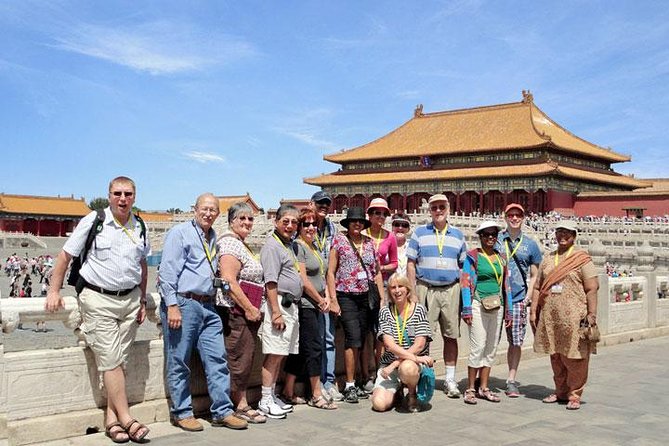
Day 2 starts at Tiananmen Square. It’s a quick look—just enough to understand the scale and what it represents—then you move into the Forbidden City. The Palace Museum stop is the center of gravity here: you’ll explore major halls and pavilions and learn how the emperor lived and ran state affairs. It’s not just architecture; it’s organization and symbolism. Budget your attention like you would for a major art collection—because that’s what it is.
In the afternoon, you shift tone to religion and architecture. You visit Lama Temple (Yonghegong), a 300+ year imperial lamasery with a blend of Han, Mongolian, and Tibetan design influences. Then you go to the Temple of Heaven, where emperors worshipped the heavens for good harvests. Together, these stops give you a more complete picture of how power and belief were expressed in space.
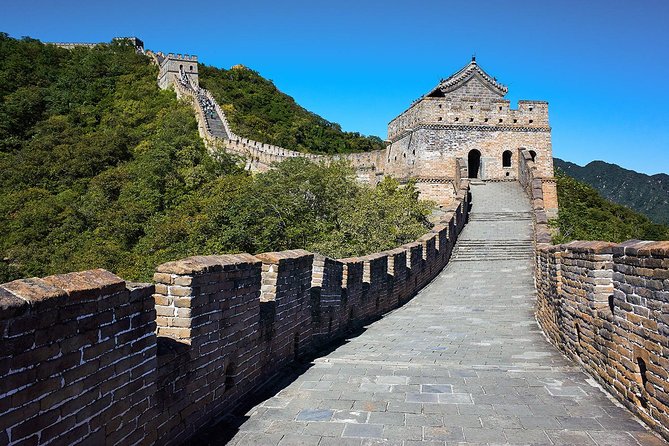
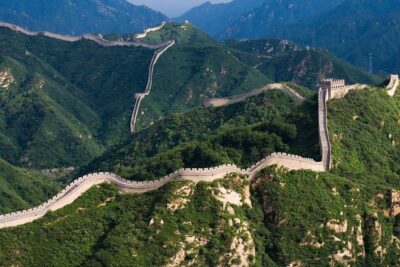
Day 3 adds the Great Wall at Mutianyu, one of the most visitor-friendly sections thanks to its cable car option. You’ll stand on the wall and see the fortification stretch into the distance. It’s also a strong contrast to the palace day: less “indoor museum,” more geography and stamina.
Then you get a hutong rickshaw tour, including a chance to visit a local family. This is where the trip stops feeling purely imperial. You see the older alley network at street level, and you get a glimpse of how neighborhood life still works.
One small consideration: the Bird’s Nest photo stop is brief and not included for admission, so if you want more time at the Olympic venues, you’ll likely need to add it on your own day.
Great Wall to Summer Palace: two moods of imperial China
Beijing’s itinerary keeps alternating between grand structures and lived-in spaces. Summer Palace is the clearest example. It’s described as the largest existing imperial garden, with graceful landscapes and magnificent constructions. Even if you’re not a “garden person,” you’ll get it faster than you might expect because the scale and layout feel like a designed world.
After that, you’re sent onward to Xi’an by high-speed train. That’s actually good for your energy. Instead of flying over multiple days of uncertainty, you travel during the day with a guide handling the handoffs.
Xi’an: Terracotta Warriors plus religious and local streets
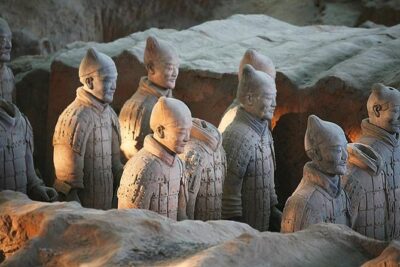
Xi’an day 1 is the Terracotta Army. The museum visit includes multiple excavated pits with huge numbers of warrior figures and ancient weapons. You also get a family visit to the home of the first discoverer and a hands-on mini clay warrior activity with a local artisan. That combination helps the site stick in your mind: museum context, discovery story, then a tactile memory.
Then you go to Big Wild Goose Pagoda (Dayanta), a Tang-era Buddhist building with deep historical weight. It’s a nice pacing change from the battlefield theme of the Terracotta Army. Lunch is on your own here, which is common on many tours, so plan to eat something simple and not too spicy if your stomach is adjusting.
A short stop follows at Grand Tang Dynasty Ever-Bright City, a pedestrian street where you can see people in traditional clothes and catch cultural performances. It’s time-efficient and gives you a taste of Tang-inspired atmosphere without requiring a full evening commitment.
Later, you shift into “living city” sightseeing. You visit Xi’an City Wall Park and have the option to practice Tai Chi with a master. Then you see the full City Wall and even try cycling, if you want (bike rental fee isn’t included). If you’ve only seen city walls in photos, this is one of the better ways to experience how they actually frame the urban space.
Finally, the Great Mosque stop lands in the Muslim Quarter. The key value is contrast: Chinese traditional architecture mixed with Islamic design influences. You’ll also be in the area where local snacks are common, so it’s a good zone to eat at your own pace afterward.
- From Beijing: Mutianyu Great Wall Tours with Options★ 4.9 · 9,216 reviews
- Beijing: Forbidden City Tour(Group/Private)-Tickets Included★ 4.8 · 7,974 reviews
- Beijing: T-Square & Forbidden City Group or Private Tour★ 4.8 · 4,446 reviews
- All-Inclusive Tour: Tiananmen Square, Forbidden City, Great Wall★ 5.0 · 2,873 reviews
- MuBus: Mutianyu Great Wall ENG/ESP/RUS Guided Bus Tour★ 5.0 · 2,361 reviews
Guilin and Yangshuo: the Li River cruise is the reset button
After Xi’an, you fly to Guilin. That’s a smart move because it turns a long overland journey into a quick hop, leaving you energy for sightseeing.
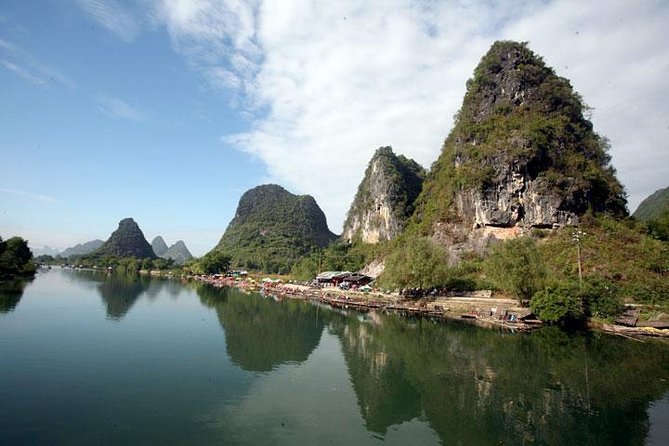
The highlight here is the Li River cruise from Guilin to Yangshuo. You’ll float for about 4.5 hours and arrive in Yangshuo, with the cruise described as the section known for its “A Hundred Miles Gallery” reputation. The advantage is you don’t have to plan boats, routes, or timing. You just show up, board, and enjoy the view as it comes to you.
Once you reach Yangshuo, you check into the hotel and then get time for countryside exploring, with a couple of hours available and more flexible options depending on energy. There’s also the option to bike for two hours or more, or have your driver handle scenic photo stops. Since bike rental isn’t mentioned as included, assume you’d pay if you choose to rent.
Day 8 is free day time in Yangshuo—walk or cycle for up to 8 hours. This is where your personality matters. If you love wandering slowly, it’s perfect. If you need constant structure, you might feel the day is open-ended, but the countryside-style break is exactly what keeps the itinerary from becoming wall-to-wall tickets.
Chongqing to the Yangtze: start the cruise right at night
On day 9 you travel back to Guilin, then take a bullet train to Chongqing. Your cruise begins later that evening—around 21:30 departure. That timing is useful because it gets you on the ship without burning the whole day in transit.
Once onboard, you get a safety and river briefing. Then after lunch and during the cruise, you’ll have a Captain’s Welcome Party with Chinese folk dancing and music performance. It’s built for atmosphere, not education, but it helps you feel like part of the experience instead of just watching the river.
Three Gorges day by day: gorges by morning, dam by daylight
This cruise isn’t just scenic cruising. It includes real excursions.
On day 11, you pass the major gorges in the morning and late evening, then you head to Shennong Stream for an eco-friendly ferry excursion into a remote section of the Three Gorges area. The plan includes about three to four hours of adventure and then returning to the ship. This kind of stop tends to be the most memorable, because it’s not something you can easily replace if you only do a short cruise.
On day 12, you disembark for the Three Gorges Dam Project excursion. Afterward, the cruise company drives you to the Three Gorges Tourist Center in Yichang. Then you’re guided to Yichang East Railway Station for a bullet train to Suzhou. The route is structured to keep you moving, but it also means you shouldn’t expect a relaxed day. You’ll want to pack early and keep your essentials ready since you’ll need to handle check-out procedures before the dam visit.
Suzhou’s gardens and Tongli water town: a softer kind of China
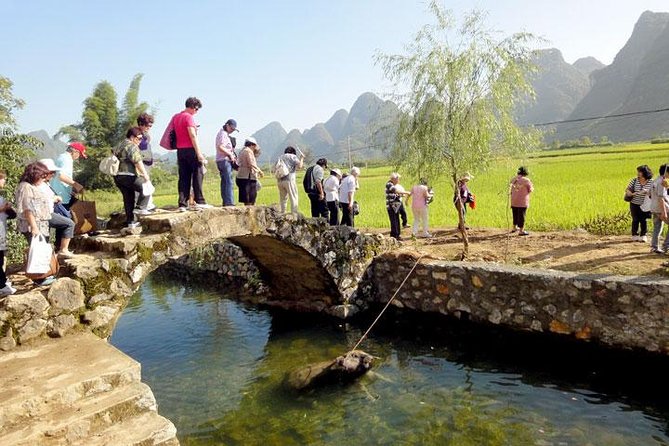
Suzhou is an excellent change of pace after the Yangtze’s scale. You go to Humble Administrator’s Garden, one of the four most famous gardens in China. You also visit the Suzhou Museum, which is described as a treasure house worth exploring.
Then you go to Tongli Water Town, an ancient town with more than 1,000 years of history, plus Ming and Qing-style houses and buildings. After that, you head back toward Shanghai.
If you’ve been feeling rushed by the first half of the trip, Suzhou and Tongli can feel restorative because they reward slow looking—details, bridges, and garden layouts. Still, it’s not “escape from schedules.” You’re moving with timed sightseeing and guide-led stops.
Shanghai: museum depth, garden strolls, and the Bund at your pace
In Shanghai, the plan balances big-city culture with classic views.
You visit the Shanghai Museum, known for exhibiting artworks from ancient times. Then you explore Yu Garden and the nearby traditional bazaar, including the Nine Zigzag Bridge and the mid-lake pavilion. The itinerary also includes an included a la carte farewell lunch (valued at CNY 150 per person), which is a nice built-in moment to slow down.
Then you do a one-hour Huangpu River cruise before heading to the Bund for free time. The Bund part is intentionally flexible, so you can walk, take photos, or just watch the riverfront.
The final evening ends near Tianzifang, a cultural street with artsy stores, bars, and restaurants. It’s a good way to finish because it doesn’t require a museum ticket and lets you choose your own vibe.
What you get for the price (and where you’ll still spend extra)
At $3,969 per person for about 15 days, this tour earns its value by bundling the expensive parts: hotels or a Yangtze cruise cabin, domestic flights and high-speed trains, professional guides, air-conditioned coach transport, and entrance fees for many major sights. It also includes plenty of practical items like two bottles of water per person per day.
Food is partially covered. You’ll have breakfast (14 times) and some lunches and dinners, including a welcome lunch in Beijing and a farewell lunch in Shanghai. But not every meal is included, so plan on budgeting for a few lunches and dinners.
There are also extras that you should expect: gratuities to guides and drivers are not included, and a note about bike rentals shows up for at least some options. You’ll also need to handle China visa fees and international airfare separately.
Net: this price works best if you want fewer logistics headaches and you’re happy with guided days that hit major sites.
Who this tour fits best (and who should think twice)
This tour fits you if you want:
- A structured way to see Beijing, Xi’an, Guilin/Yangshuo, the Yangtze, Suzhou, and Shanghai without constantly planning.
- A good mix of top attractions and “real city” stops like hutongs and the Muslim Quarter.
- A Yangtze cruise that includes excursions, not just sitting on deck.
You might think twice if:
- You dislike moving almost every day.
- You prefer unguided wandering most of the time.
- You’re picky about meals or want every day fully catered.
Should you book this 15-day Classic China Tour with Yangtze Cruise?
If your goal is to see essential China with minimal planning pain, I’d say yes. The strongest case is how the major sights are paired with practical transport: Great Wall at Mutianyu, the Terracotta Warriors, Li River to Yangshuo, and a Yangtze cruise with Shennong Stream plus the Three Gorges Dam. That combination is hard to replicate efficiently on your own.
Book it especially if you appreciate guides who can explain why things matter, not just how to scan a ticket. And if you’re the kind of traveler who loves a mix—imperial highlights, religious architecture, small-town pace, and river-scale scenery—this itinerary is built for you.
If you want total freedom and a slower pace, you may find the schedule too tight. But for most first-timers, this is a strong value: you buy convenience, structure, and a very full set of iconic stops.
FAQ
What is included in the tour price?
The tour includes hotel or cruise cabin accommodation (twin-sharing), professional English-speaking guide service, air-conditioned coach transport, entrance fees for the included sights, one-way economy airfare from Xi’an to Guilin, and one-way high-speed trains for Beijing/Xi’an, Guilin/Chongqing, and Suzhou/Shanghai. It also includes Yangtze River cruise full board, plus breakfasts and some lunches and dinners.
Where does the tour start, and what time?
It starts at Capital Airport Shunyi, Beijing, with a listed start time of 9:00 am.
Does the tour offer pickup?
Yes, pickup is offered.
Which major UNESCO World Heritage Sites are included?
You’ll visit UNESCO World Heritage Sites including the Forbidden City (Palace Museum), Summer Palace, Terracotta Warriors, and the Great Wall of China.
Is the Yangtze cruise included, and how does it work?
Yes. The tour includes a Yangtze River cruise with full board. The itinerary notes the cruise departs Chongqing at about 21:30, then includes excursions such as Shennong Stream and a Three Gorges Dam Project visit.
Are visa fees and international flights included?
No. China visa fees and international airfare are not included.
Onto the Lakes and Canals
- Water-Great Wall Odyssey: Hike & Cruise One Day Tour
★ 5.0 · 94 reviews - Water-Great Wall Odyssey: Scenic Bus & Cruise Day Tour
★ 5.0 · 91 reviews - Longqingxia Gorge Cruise and Guyaju Cave Dwellings Private Day Tour
★ 5.0 · 60 reviews - Din Tai Fung Dinner and VIP Class River Cruise Experience in Shanghai
★ 5.0 · 31 reviews - Beijing Private Tour to Badaling Great Wall and Longqing Gorge with Boat Ride
★ 5.0 · 26 reviews - Private Day Tour to Longqing Gorge and Dingling at the Ming Tombs with Lunch and Boat Ride
★ 5.0 · 24 reviews
More Beijing Outings
- From Beijing: Mutianyu Great Wall Tours with Options
★ 4.9 · 9,216 reviews - Beijing: Forbidden City Tour(Group/Private)-Tickets Included
★ 4.8 · 7,974 reviews - Beijing: T-Square & Forbidden City Group or Private Tour
★ 4.8 · 4,446 reviews - All-Inclusive Tour: Tiananmen Square, Forbidden City, Great Wall
★ 5.0 · 2,873 reviews - MuBus: Mutianyu Great Wall ENG/ESP/RUS Guided Bus Tour
★ 5.0 · 2,361 reviews - 4-Hour Small Group Tour to Forbidden City with Entry Tickets
★ 5.0 · 1,863 reviews
More Tour Reviews in Beijing
- From Beijing: Mutianyu Great Wall Tours with Options
★ 4.9 · 9,216 reviews - Beijing: Forbidden City Tour(Group/Private)-Tickets Included
★ 4.8 · 7,974 reviews - Beijing: T-Square & Forbidden City Group or Private Tour
★ 4.8 · 4,446 reviews - All-Inclusive Tour: Tiananmen Square, Forbidden City, Great Wall
★ 5.0 · 2,873 reviews - MuBus: Mutianyu Great Wall ENG/ESP/RUS Guided Bus Tour
★ 5.0 · 2,361 reviews - 4-Hour Small Group Tour to Forbidden City with Entry Tickets
★ 5.0 · 1,863 reviews
Just In: More Beijing Tours to Browse



Cruises & Boat Tours, compared.
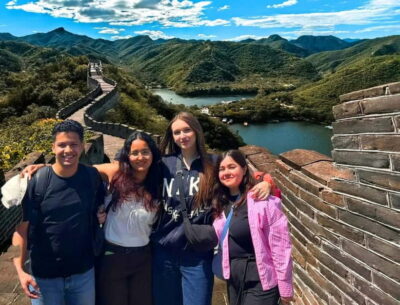 ★ 5.0Water-Great Wall Odyssey: Hike & Cruise One Day TourFrom $5294 reviews
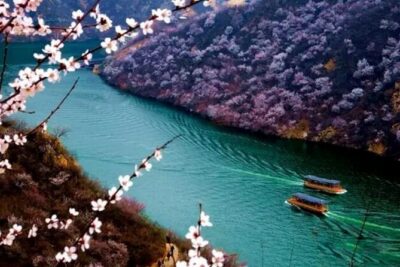 ★ 5.0Water-Great Wall Odyssey: Scenic Bus & Cruise Day TourFrom $5091 reviews
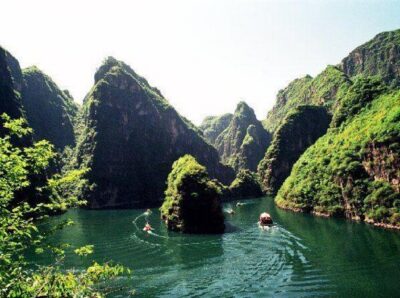 ★ 5.0Longqingxia Gorge Cruise and Guyaju Cave Dwellings Private Day TourFrom $21660 reviews
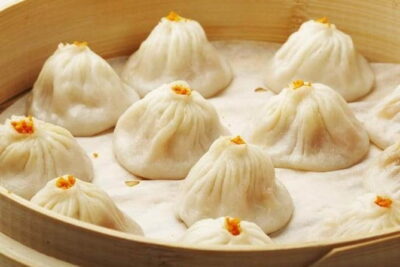 ★ 5.0Din Tai Fung Dinner and VIP Class River Cruise Experience in ShanghaiFrom $17331 reviews
 ★ 5.0Beijing Private Tour to Badaling Great Wall and Longqing Gorge with Boat RideFrom $23626 reviews
 ★ 5.0Private Day Tour to Longqing Gorge and Dingling at the Ming Tombs with Lunch and Boat RideFrom $21424 reviews
 ★ 5.014-Day Small-Group China Tour: Beijing, Xi’an, Guilin, Yangtze Cruise, ShanghaiFrom $3,13915 reviews
 ★ 5.0Private Transfer to Tianjin Xingang Cruise Port-Every Group SizeFrom $10810 reviews
Browse the lists this tour appears in