
Reviewed · MORNING
3-hour Morning/Afternoon Tea Tasting on Maliandao Street & Dimsum
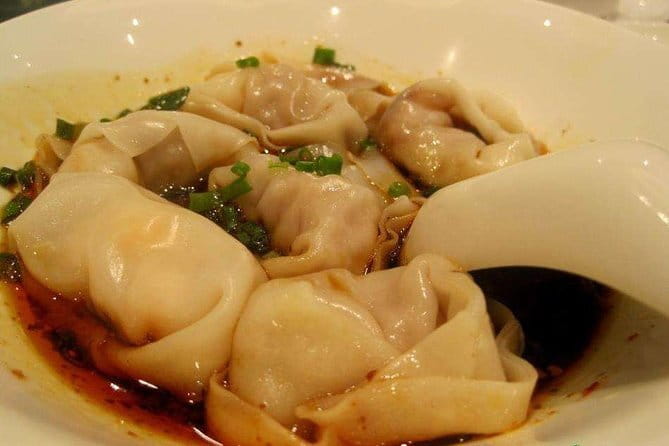
Tea and dimsum, minus the guesswork. On this 3-hour small-group walk in Maliandao Tea Street, you get a guided tea ceremony plus a full dimsum meal, all built around learning what you’re tasting. I like that the tour is structured: you don’t just wander and hope you pick the right cups. I also like the pairing of 8 different teas with classic bites, so the flavors make sense together. One thing to keep in mind: the dimsum lineup can include stronger choices like chicken feet, so if you prefer safer eating, plan for that.
You meet up at Beijing’s subway system on Line 7 near Wanzi, and the guide keeps the group tight (max 15, with a smaller meet-up group). That makes the whole experience feel manageable even if Maliandao is new to you. The only real drawback is pace: with lots of tasting and sampling in a short window, it’s not a slow sit-and-chat afternoon.
In This Review
- Key Points That Matter Before You Go
- Maliandao Tea Street: Why This Tea-and-Dimsum Combo Works
- Price and What You’re Actually Paying For
- Where You Meet on Line 7 (and How Not to Confuse Exit Letters)
- The Tea Ceremony on Maliandao: How You’ll Taste the Differences
- What I’d Do While You’re Tasting
- Lunch Dimsum Near the Tea Shops: Steamed Comfort Food
- The One Food Consideration
- Maliandao’s Tea Trading Street: Market Time Without the Chaos
- Why Market Time Matters
- Your Guide: Small Group Energy (and Asking Questions)
- Timing: Morning vs Afternoon, and What That Changes
- Vegetarian Option: What You Need to Know
- Getting the Most Out of Tea Tasting (Without Getting Too Serious)
- Should You Book This Tour? (My Decision Guide)
- FAQ
- How long is the tea and dimsum experience?
- Do I choose a morning or afternoon tour?
- What’s included in the price?
- Is the group size small?
- Where do we meet on the subway?
- Does the tour end back at the same meeting point?
- Is there a vegetarian option?
- What dimsum dishes are included?
- Do I get a mobile ticket?
- What if I need to cancel?
Key Points That Matter Before You Go
- 8 tea tastings with a guided ceremony, so you’re not tasting randomly
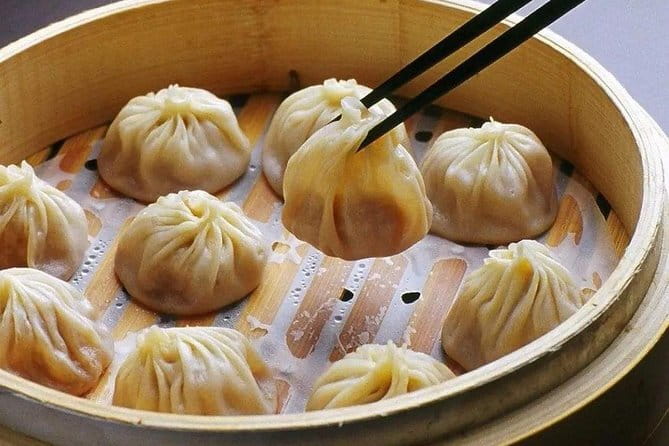
- Guided dimsum meal close to the tea area, including favorites like soup buns and shrimp ravioli
- Small group size (max 15; meet with an even smaller group) makes it easier to ask questions
- Stops at two tea shops tied to real tea-farm sourcing, covering several tea styles
- Straightforward subway meet-up on Line 7 near Wanzi, with help at the end for subway or taxi
Other plates and pours around Beijing
Maliandao Tea Street: Why This Tea-and-Dimsum Combo Works
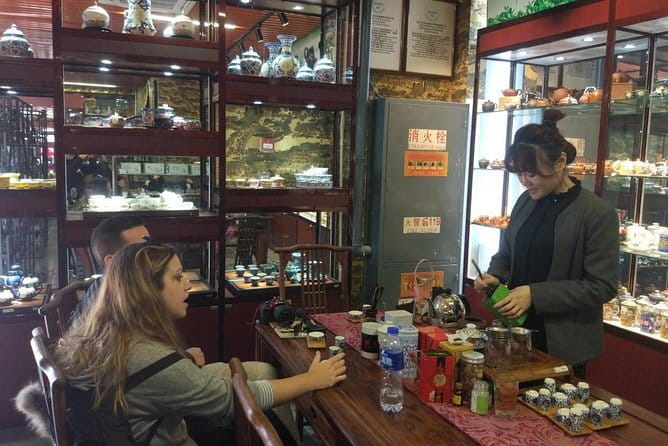
Maliandao Street is one of those places where Beijing’s daily life and the tourist world overlap. You’ll see people shopping, trading, and comparing tea the way you might compare coffee—only here, the differences can feel subtle at first. That’s exactly why a guided tasting format matters. When someone helps you taste, you start noticing things you’d otherwise miss: roast levels, a tea’s base character, how it finishes, and how aroma changes with steeping.
This tour is built around two flavors at once—tea and dimsum. That pairing is smart. Dimsum brings texture and richness (steamed buns, dumplings, spring rolls), and tea helps reset your palate between bites. So you’re not just collecting snacks; you’re building a practical sense of what each tea type is supposed to do in real eating.
The experience is also short enough to fit into a travel schedule without stealing your whole day. At about 3 hours, it’s easier to justify even if you’re juggling other Beijing priorities.
Price and What You’re Actually Paying For
The price is $99 per person. That sounds high until you break down what’s bundled: tea tasting (8 types), a tea ceremony, and a dimsum meal, plus a professional guide and local taxes. There’s also a mobile ticket, so you’re not stuck with printed paperwork.
If you were to DIY this, you’d likely pay for tea tastings and food anyway—and you’d still miss the guided context. With this tour, you’re buying the organization and interpretation: the order of tastings, the explanations, and the ability to ask what you should look for. For me, the value lands in the middle-to-upper range, but it feels fair because you’re getting both a guided learning moment and a real meal, not just samples.
Also note that this tour is commonly booked in advance—on average, around 19 days ahead. If you’re traveling in busier weeks, it’s worth reserving earlier so you’re not hunting for a last-minute slot.
Where You Meet on Line 7 (and How Not to Confuse Exit Letters)
You’ll start near Subway Line 7 by Wanzi. The provided info mentions Wanzi Exit D for the meeting, while another line of the same materials points to Wanzi Exit C. The simplest move: double-check your booking confirmation for the exact exit and use that as your single source of truth.
The good news: the meet point is designed to be easy. You’re not trying to find a hidden back door or guess which alley a stall owner picked that day. Once you locate the subway entrance, the guide has a set start point and the group size stays manageable.
At the end, the tour ends back around the meeting area. The guide will either send you back to the subway or help you get a taxi, which is handy when you’re full and want the cleanest route out.
The Tea Ceremony on Maliandao: How You’ll Taste the Differences
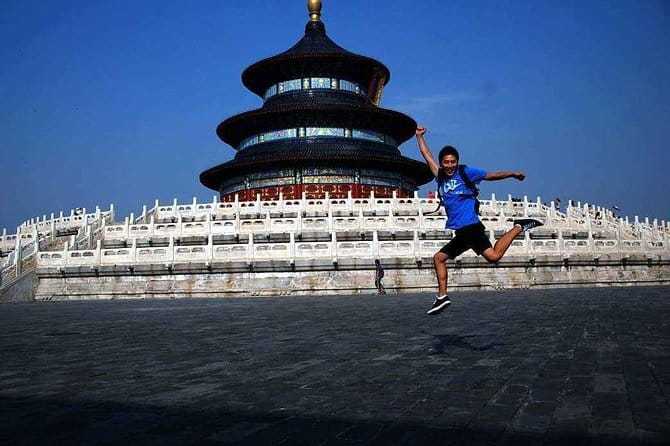
The experience centers on Maliandao Tea Street, where your guide leads you through a structured tasting flow. You meet with a group of 8 or fewer at the subway, and you head into the tea area.
The core idea is that you’ll taste 8 different kinds of tea, and your guide helps you pay attention. You’re not just sipping. You learn the basic character of each tea style and what makes it different from the others—whether it’s how it smells, how it sits on the palate, or how it finishes.
Here are the tea categories you should expect to encounter during the stops at tea shops later in the tour: green tea, oolong tea, black tea, pu-er tea, and white tea. Not every cup will necessarily match every category equally, but these are the styles specifically mentioned for the experience.
A helpful way to think about this: your first cups teach you the baseline; your later cups help you compare. By the time you reach the tea shops, you’re more likely to understand what you’re buying (or at least what you like).
Weigh these up before you book this Beijing tour:
- Morning Bus Transfer to Mutianyu Great Wall + Entry Ticket★ 4.5 · 26 reviews
- camp on the Great Wall overnight with sunrise and sunset on the wall★ 5.0 · 11 reviews
- Temple of Heaven Morning Walking Tour with Ticket★ 5.0 · 7 reviews
- Mutianyu Wall Morning Tour & Forbidden City SelfGuided Afternoon★ 5.0 · 5 reviews
What I’d Do While You’re Tasting
If you want to get the most out of the ceremony, don’t chase variety blindly. Pick one thing you can describe after each sample, even if it’s simple:
- does it feel light or heavier?
- does it smell more floral, earthy, roasted, or sweet?
- does it taste clean or more lingering?
You can’t do that at every stop in Beijing, but in this format, you can.
Lunch Dimsum Near the Tea Shops: Steamed Comfort Food
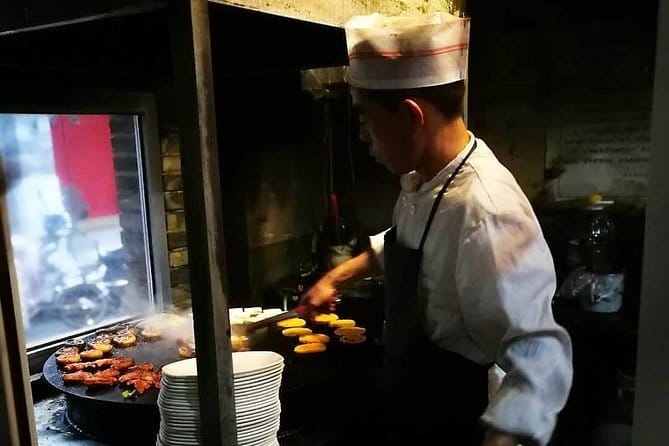
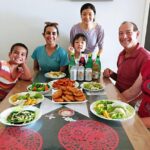
After the tea tastings, you’ll head to a dimsum spot nearby for lunch (or the equivalent meal depending on your time slot). The tour is specifically designed around classic Chinese dimsum items that match what you’re tasting.
Expect to see dishes such as:
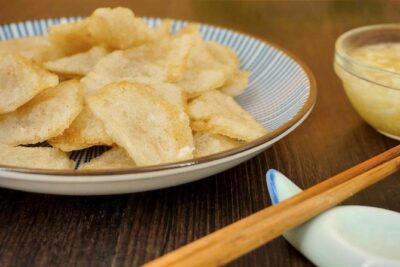
- steamed soup buns
- steamed vermicelli rolls
- chicken feet
- shrimp ravioli
- spring rolls
- and other dimsum bites
One of the strongest parts of the experience is that the meal is integrated into the tea theme. If you love dimsum, this feels like a focused sampling session rather than random order-taking.
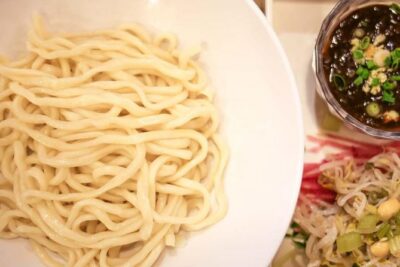
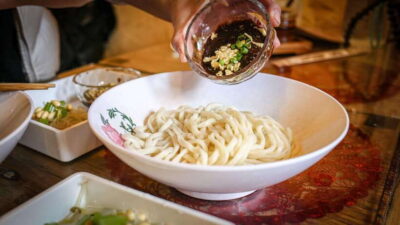
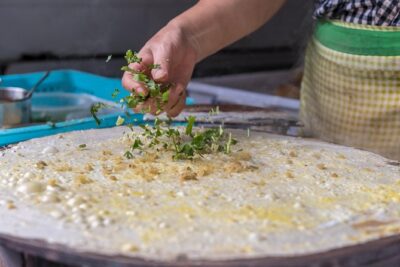
A reviewer experience also highlighted pork dumplings and hand-pulled noodles as part of the eating. Since the tour states dimsum like and so on, you may find variations based on what’s available, how many people are in the group, and the timing.
The One Food Consideration
Chicken feet are specifically named, and that’s a deal-breaker for some people. If you’re picky, you can likely focus on the other steamed items and ask the guide what else is best. The tour won’t hide the fact that it includes them—so decide early if you’re comfortable trying.
Maliandao’s Tea Trading Street: Market Time Without the Chaos
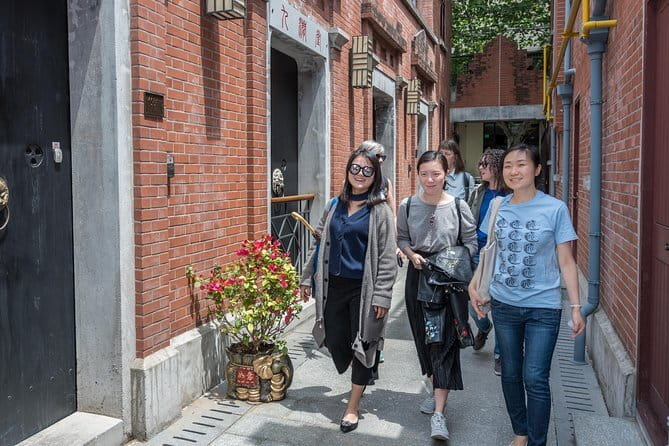
After lunch, you’ll spend time strolling through the largest tea trading street and market area. This is where the tour shifts from tasting to real-world context. Instead of only sipping in a controlled environment, you see how tea is bought and compared in the everyday flow of shops and merchants.
You’ll also stop at two different tea shops during this market stretch. The tour notes that the shops are selected to be connected to actual tea-farm sourcing. In practice, that’s what you want from a shop stop: you’re not only shopping for packaging, you’re trying teas that have a traceable origin story.
This market section is also where you’ll likely get the most practical takeaways—like how different teas are sold, what sort of explanations sellers give, and how tea culture plays out beyond the tasting room.
Why Market Time Matters
Tea tastings can be fun, but they can also feel like a classroom. The market segment turns that classroom into something real. You’ll come away with a more grounded sense of what kinds of tea are valued, how they’re presented, and why people show up to compare cups in person.
Your Guide: Small Group Energy (and Asking Questions)
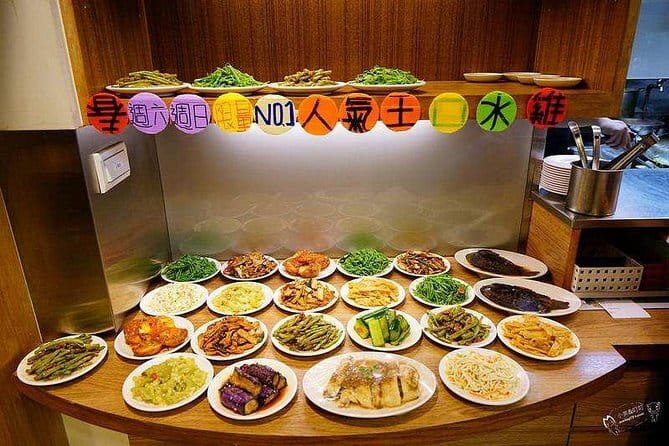
A big part of why this tour works is that it stays small. With a maximum of 15 travelers, you won’t feel like you’re one drop in a bucket. During the tasting start, you even meet with a group of 8 or fewer, which makes questions easier and the tasting process less rushed.
One guide name mentioned in the experience feedback is Renny, described as warm, friendly, and helpful. That kind of guide presence matters in a tasting because you’re more likely to get clear explanations instead of vague descriptions.
If you’re the type who likes to ask, this tour format rewards you. If you’re shy, it still works because the ceremony and food are built around guided timing, not self-guided wandering.
Timing: Morning vs Afternoon, and What That Changes

You can choose morning or afternoon. The tour is planned for around three hours, and the meet point stays near the same subway area. Your exact food slot is tied to which time you choose, but the overall structure remains the same: tea tasting first, dimsum meal next, and then market tea-shop stops.
Morning can feel easier if you want a calm start to a day in Beijing. Afternoon can work if you prefer a later meal and don’t want your schedule tightened too early. Either way, because it’s short, it’s usually easiest to fit between other activities.
Vegetarian Option: What You Need to Know
A vegetarian option is available, but you need to request it at the time of booking. That’s the key detail. If you assume it’ll be handled on the spot, you could end up disappointed, especially in a dimsum-focused meal where menus often depend on what’s prepped.
If vegetarian is important to you, put it in your booking notes right away.
Getting the Most Out of Tea Tasting (Without Getting Too Serious)
You don’t need to become a tea expert in three hours. The goal here is to leave with preferences you can actually use later—whether that’s knowing what kind of tea you enjoy drinking on its own, or what pairs well with certain kinds of food.
If you buy tea after a tasting, you’ll have a better starting point. You’ll remember the style categories you tasted: green, oolong, black, pu-er, and white. That means when you see similar names in shops afterward, you’re less likely to get swept up by sales talk.
One practical tip: try to pace your sipping and eating so you can taste the tea after a few bites, not after a full plate. The tour flow is designed for that reset rhythm, so follow it.
Should You Book This Tour? (My Decision Guide)
Book it if:
- you want a guided introduction to tea plus a real dimsum meal in a short window
- you like learning through tasting, not through lectures
- you prefer a small group with a clear meet-up and wrap-up
- you’re curious about tea styles like pu-er and white tea, not just the basics
Skip it or think twice if:
- chicken feet are a hard no for you
- you hate organized schedules and would rather wander at your own tempo
- you’re only interested in tea and don’t care about food pairing (this experience is built as a duo)
If you’re on the fence, I’d lean toward booking because the structure does the heavy lifting: the ceremony, the shop stops, and the meal are all included. It’s a straightforward way to experience a big slice of Beijing tea culture without turning your day into a guessing game.
FAQ
How long is the tea and dimsum experience?
It runs for about 3 hours.
Do I choose a morning or afternoon tour?
Yes. You can book either a morning or afternoon time.
What’s included in the price?
The tour includes tasting 8 different teas, a tea ceremony, and dimsum for lunch or dinner, along with local taxes, a professional guide, and the admission ticket.
Is the group size small?
Yes. It’s a small group experience with a maximum of 15 travelers.
Where do we meet on the subway?
You meet at a subway station on Line 7 near Wanzi. The materials mention Wanzi Exit C and also Wanzi Exit D, so check your booking confirmation for the exact exit.
Does the tour end back at the same meeting point?
Yes. The tour ends back at the meeting point, and the guide can help you get back to the subway or get a taxi.
Is there a vegetarian option?
Yes. A vegetarian option is available, and you should advise at booking if you need it.
What dimsum dishes are included?
The tour includes items like steamed soup buns, steamed vermicelli rolls, chicken feet, shrimp ravioli, spring rolls, and other dimsum bites.
Do I get a mobile ticket?
Yes. The tour includes a mobile ticket.
What if I need to cancel?
You can cancel for a full refund if you cancel at least 24 hours before the experience start time.
If you tell me your travel dates and whether you’re choosing morning or afternoon, I can help you plan what to do before and after this 3-hour slot so it fits smoothly into a Beijing day.
More Morning in Beijing
- Morning Bus Transfer to Mutianyu Great Wall + Entry Ticket
★ 4.5 · 26 reviews - camp on the Great Wall overnight with sunrise and sunset on the wall
★ 5.0 · 11 reviews - Temple of Heaven Morning Walking Tour with Ticket
★ 5.0 · 7 reviews - Mutianyu Wall Morning Tour & Forbidden City SelfGuided Afternoon
★ 5.0 · 5 reviews
Tables and Teahouses of Beijing
- Beijing Hutong Walking Food and Beer Tour at Hidden Restaurants
★ 5.0 · 1,132 reviews - Beijing: Hidden Gems Guided Food Tour with Beer and Tastings
★ 4.9 · 306 reviews - Beijing Private Hutong Food Walking Tour
★ 5.0 · 299 reviews - Beijing Hutong Breakfast Food Tour
★ 5.0 · 155 reviews - Beijing Hutong Breakfast Food Tour
★ 5.0 · 120 reviews - Beijing Walking Food Tour with a Local Friend
★ 5.0 · 73 reviews
More Tour Reviews in Beijing
- From Beijing: Mutianyu Great Wall Tours with Options
★ 4.9 · 9,216 reviews - Beijing: Forbidden City Tour(Group/Private)-Tickets Included
★ 4.8 · 7,974 reviews - Beijing: T-Square & Forbidden City Group or Private Tour
★ 4.8 · 4,446 reviews - All-Inclusive Tour: Tiananmen Square, Forbidden City, Great Wall
★ 5.0 · 2,873 reviews - MuBus: Mutianyu Great Wall ENG/ESP/RUS Guided Bus Tour
★ 5.0 · 2,361 reviews - 4-Hour Small Group Tour to Forbidden City with Entry Tickets
★ 5.0 · 1,863 reviews
Just In: More Beijing Tours to Browse


Morning, compared.
 ★ 4.5Morning Bus Transfer to Mutianyu Great Wall + Entry TicketFrom $2026 reviews
 ★ 5.0camp on the Great Wall overnight with sunrise and sunset on the wallFrom $35011 reviews
 ★ 5.0Temple of Heaven Morning Walking Tour with TicketFrom $77 reviews
 ★ 5.0Mutianyu Wall Morning Tour & Forbidden City SelfGuided AfternoonFrom $1395 reviews
Browse the lists this tour appears in