
Reviewed · HUTONG WALKS & RICKSHAW TOURS
Beijing Hutong Breakfast Food Tour
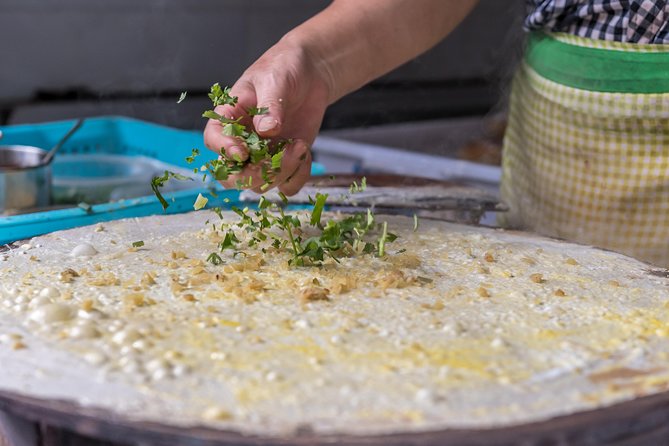
A morning in hutongs beats any food court. This small-group breakfast walk turns everyday Beijing into a very eatable story. You’ll sample 10+ delicacies across several stops, then see a local market and how people live between the lanes.
I love two things most: the variety (you’re not just repeating the same pancake) and the small size (max 10 people), which makes it easier to ask questions and keep the pace comfortable. You’ll also get unlimited food and drinks, so you can actually try what looks interesting.
One thing to keep in mind: the tour is weather-on, so wear layers you can move in, and be prepared for a bit of walking in the morning. Also, a small number of guests noted meeting-location confusion on their voucher—so plan to arrive a few minutes early and keep your phone ready.
In This Review
- Key Things You Should Know Before You Go
- Why This Hutong Breakfast Feels More Local Than a Standard Food Tour
- Price and Value: What $45 Buys You in Real Eating
- What You’ll Eat: 10+ Tastings From Multiple Stops
- Stop 1: A Market-Style Start With Zongzi by Aunt Jie
- Stop 2 on Longfusi Street: Douzhi, Beijing’s Tangy Fermented Soup
- Stop 3 on Longfusi Street: Mr. Yu’s Crispy Sesame Flatbread and Tofu Pudding
- Stop 4 on Dongsi North Street: Hutong Secrets in Doorways and Signs
- The Unofficial Highlight: Coffee, Pancakes, and the Morning Rhythm
- Guide Power: What Lynn and Winnie Tend to Bring
- Walking Time, Group Size, and Who This Tour Suits Best
- A Few Practical Things to Watch Before You Commit
- Should You Book the Beijing Hutong Breakfast Food Tour?
- FAQ
- How long is the Beijing Hutong Breakfast Food Tour?
- What does the tour cost?
- How many people are in the group?
- What’s included with the price?
- Is there a vegetarian option?
- What time does the tour start, and where does it end?
- Does the tour run in bad weather?
Key Things You Should Know Before You Go
- 10+ dishes and drinks, served across 4–5 eateries, so you get real variety instead of one big meal
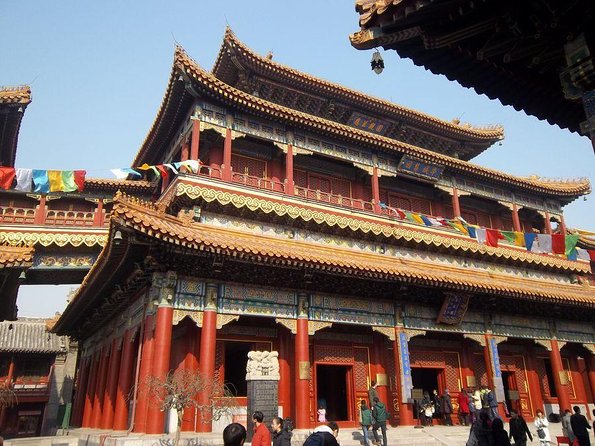
- Hutong lanes plus a market stop, which explains why certain foods show up when they do
- Named guides Lynn and Winnie show up in guest feedback, both strong on Beijing context and food guidance
- Unlimited tastings with bottled water, making the $45 price feel more like a food plan than a single plate
- You’ll try a few classic “Beijing breakfast” items like douzhi and zongzi, including fermented tastes if you dare
Down the grey-brick lanes on foot or by pedicab
Why This Hutong Breakfast Feels More Local Than a Standard Food Tour
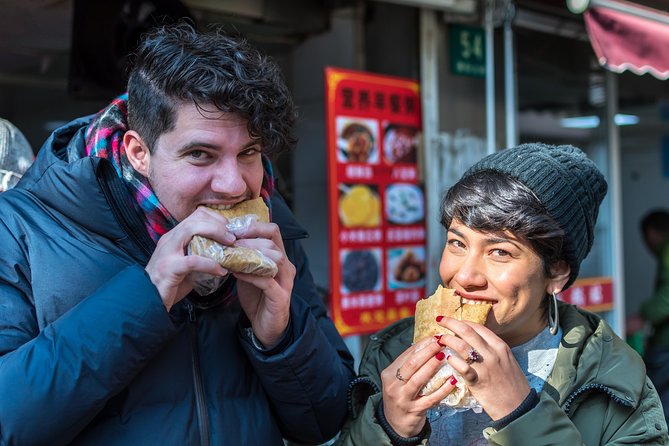
Beijing hutongs aren’t just a sightseeing word. They’re living neighborhoods made of short lanes, front-door routines, and food that fits daily life. This tour uses that setting on purpose: you walk the lanes in the morning, and you eat what you’d actually see people picking up for breakfast.
The best part is the structure. You’re not wandering alone with a map and a growling stomach. You follow a guide through a handful of stops, each with a different flavor profile, then you slow down with a market visit where the day’s ingredients make more sense. That combination—tasting plus context—is what makes it more satisfying than a list of dishes.
And yes, it’s a true breakfast-style tour. The morning timing matters because these foods are built for what people want early: warm comfort items, small grab-and-go bites, and drinks you can sip while you watch the street wake up.
Price and Value: What $45 Buys You in Real Eating
At $45 per person for about 3 hours, this tour is priced like a budget-friendly food plan, not a fancy tasting menu. The value comes from two details you should care about:
First, the tour includes breakfast and unlimited food and drinks. That shifts the math. You’re not paying for “a few samples,” you’re paying for a morning where you can try more than 10 dishes without feeling guilty about ordering another round.
Second, it’s a small group (up to 10) with a local English-speaking guide. With fewer people, you spend more time getting answers instead of waiting your turn. When a tour includes both food and a neighborhood explanation, that personal time matters.
If you’re traveling with picky eaters, keep the group size in mind. You’ll have options like a vegetarian option (ask in advance), but the tour’s core is local breakfast foods, including items some Western palates find unusual.
What You’ll Eat: 10+ Tastings From Multiple Stops
The tour is built around variety. You can expect more than 10 different delicacies from four or five separate eateries. The overview also points to specific categories—yoghurt and pancakes, coffee with a view, and more traditional breakfast staples you’ll likely never order on your own.
Here are some of the items you should look forward to based on the stops:
- Zongzi: glutinous rice dumplings stuffed with filling (served at a stall at a market)
- Douzhi: a tangy, fermented mung bean soup (often a love-it-or-hate-it item)
- Crispy sesame flatbread with cured beef stuffing
- Tofu pudding: warm, soft, and soothing
- Plus additional tastings along the way, since the tour promises over five food stops and unlimited sampling
The value of this isn’t just taste—it’s learning. Each dish fits a role. Fermented foods like douzhi show up because people enjoy the tang and depth. Flatbreads and dumplings make sense because they’re portable and filling. Even when you don’t love an item, you’ll understand what locals are chasing.
Stop 1: A Market-Style Start With Zongzi by Aunt Jie
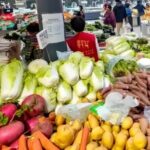
You begin at the National Art Museum of China area, where the big idea is a market you can actually see and smell. This isn’t a sterile tourist bazaar. It’s described as a factory-turned-market with fresh vegetables, spices, and neatly sliced meats.
The tour’s first food focus is zongzi from Aunt Jie’s stall. Zongzi is one of those foods that carries a lot of cultural weight, but on a practical level it’s also a simple breakfast concept: rice dumplings designed for easy eating and serious satisfaction.
Why this stop works for you:
- You get an immediate flavor of how market ingredients shape breakfast choices.
- You start with something shareable and filling, which helps you handle the more challenging tastes later.
Time-wise, it’s about 30 minutes, with admission ticket noted as free.
Crisp duck and hutong snacks, still hungry?
- Temple Heaven, Lama Temple, Summer Palace & Peking Duck Bus Tour★ 5.0 · 377 reviews
- Old Beijing Dinner Tour★ 5.0 · 348 reviews
- Beijing: Hidden Gems Guided Food Tour with Beer and Tastings★ 4.9 · 306 reviews
- Beijing: Hutong Culinary Walking Tour with 15+ Tastings★ 5.0 · 162 reviews
- Beijing Hutong Breakfast Food Tour★ 5.0 · 155 reviews
Stop 2 on Longfusi Street: Douzhi, Beijing’s Tangy Fermented Soup
Next you head to Longfusi Street, where the tour specifically tees up douzhi—a fermented mung bean soup. This is the kind of dish that tends to cause a raised eyebrow… and then either a grin or a nope.
The info you’re given here is useful: the tour calls it tangy, and it notes it has earned a Michelin nod. That doesn’t mean you’ll automatically love it, but it does mean it’s a serious local dish, not some random tourist experiment.
Why this stop is valuable:
- It trains your palate to notice fermentation flavors without needing a lecture.
- You’ll compare it to the softer, creamier foods you’ll get later on the tour.
Practical note: if you’re sensitive to strong odors or fermented tastes, you may want to take one small spoonful first and see how you feel before going back for another sip.
Stop 3 on Longfusi Street: Mr. Yu’s Crispy Sesame Flatbread and Tofu Pudding
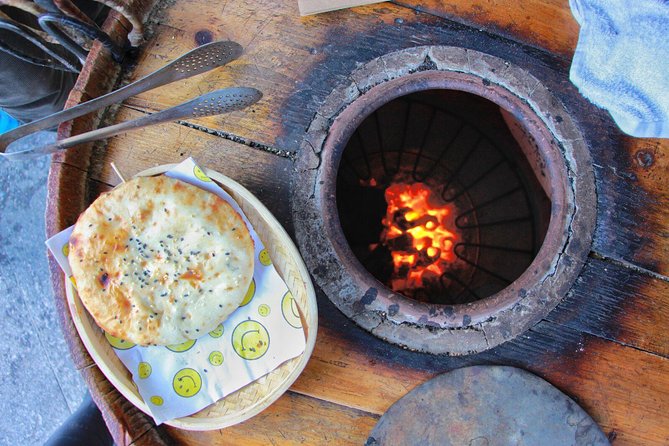
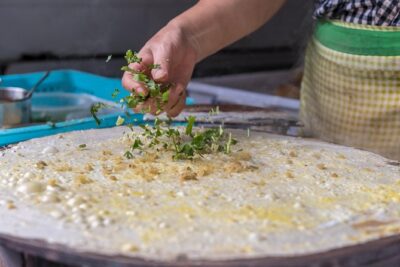
On Longfusi Street again, the tour shifts from tangy soup to Beijing comfort. You meet Mr. Yu, where the focus is two classic textures and temperature contrasts:
- Crispy sesame flatbread stuffed with cured beef
- Tofu pudding served warm, for balance
This is a smart pairing. If douzhi is your “challenge bite,” this stop is your “let’s settle in” moment. Crispy outside, soft filling; savory cured meat; then a gentle tofu pudding to reset your palate.
What you should pay attention to:
- The cured beef flavor: it’s salty and deeper than fresh meat, so it tastes more intense even in small portions.
- The tofu pudding texture: that silky softness is part of the appeal, especially after you’ve been eating firmer street foods.
Again, it’s about 30 minutes at this stop.
Stop 4 on Dongsi North Street: Hutong Secrets in Doorways and Signs
After the eating, the tour does something that’s easy to overlook on food-focused walks: it teaches you how to read the neighborhood itself.
On Dongsi North Street, you learn hidden hutong secrets while wandering historic lanes. The tour points out details you’ll actually notice once you know what to look for, like:
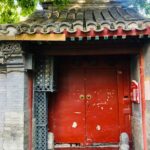
- Doorway pillars made of stone
- The meaning behind color-coded street signs
- How to tell how many families live inside each hutong courtyard unit
This part matters because it turns “pretty lanes” into something functional. Hutongs can look similar from a distance, but these small visual cues help you understand structure and community. It also slows you down, which is welcome after three stops of tasting.
This stop is also about 30 minutes.
The Unofficial Highlight: Coffee, Pancakes, and the Morning Rhythm
Even though the exact food list beyond the main named stops isn’t fully laid out in the details you get here, the overview clearly signals a few expectations: coffee with a view, plus yoghurt and pancakes.
This is where you feel the rhythm of the morning. You’re not just collecting bites—you’re experiencing the pace of local breakfast: warm drinks, quick sweets or light batter items, then deeper savory foods. It’s exactly the kind of morning mix that makes you feel like you’re getting breakfast the way people in the lanes actually do.
Also, with unlimited food and drinks, you can follow your curiosity. If you love the look of something on a counter, you can usually enjoy a second taste without the tour suddenly turning into “one and done.”
Guide Power: What Lynn and Winnie Tend to Bring
The tour’s biggest emotional factor is the guide. Two names show up repeatedly in the context of people being thrilled with the experience: Lynn and Winnie.
From the feedback details you’re given, both guides are described as friendly and strong on Beijing context and food explanation. One guest specifically called out Lynn’s depth on Beijing history and food, plus her restaurant advice—especially a Peking duck recommendation that landed well.
What this means for you:
- You’ll get more than directions. You’ll understand why people eat what they eat.
- If you’re planning the rest of your Beijing meals, a guide’s food judgment can save you trial-and-error.
Walking Time, Group Size, and Who This Tour Suits Best
This is a 3-hour walking tour with maximum 10 travelers. That sweet spot makes a difference. You get enough movement to experience hutong lanes, but not so much that the day feels wrecked afterward.
It’s also flexible in the sense that it runs in all weather conditions, so you’re going out regardless. Dress for the morning you’ll actually get—comfortable shoes, layers, and something wind/rain-ready if needed.
This tour is a great fit if:
- You want a morning food experience that feels local, not staged
- You enjoy trying a mix of familiar comfort foods and a few oddballs (douzhi is part of the script)
- You like small-group attention and having someone help translate what you’re seeing
It’s not ideal if:
- Fermented flavors are an instant no for you
- You want a completely hands-off, zero-walking experience
And if you have dietary needs, you can request a vegetarian option when booking.
A Few Practical Things to Watch Before You Commit
This tour is generally easy to join because it’s near public transportation, starts at 9:00 am, and uses a mobile ticket.
Still, keep one practical caution in mind. A small number of guests flagged issues with voucher details, like an incorrect phone number and not having an exact meeting spot spelled out clearly. Your best move: arrive a few minutes early, use the provided meeting address, and keep your confirmation handy in case you need to double-check.
Also, if you’re running late, know that at least one group had a solution when timing slipped due to a taxi problem. So don’t panic if your morning runs imperfectly—just communicate and keep moving.
Should You Book the Beijing Hutong Breakfast Food Tour?
I’d book it if you want a short, high-impact morning that combines food with a hutong “how-to-see-it” lesson. The unlimited tastings, the small group, and the mix of named classic foods (zongzi, douzhi, sesame flatbread, tofu pudding) make it feel like you’re buying an experience, not paying for a snack parade.
The only real reasons to hesitate are:
- You dislike fermented foods and might find douzhi unpleasant
- You prefer very clearly defined meeting instructions and zero risk of confusion
If your plans are flexible, the tour also offers free cancellation up to 24 hours in advance, which lowers the stress of booking.
Bottom line: for most people, this is one of those “start your day right” tours—good pace, real neighborhood texture, and enough food variety to satisfy both curious eaters and comfort-food fans.
FAQ
How long is the Beijing Hutong Breakfast Food Tour?
It runs for about 3 hours.
What does the tour cost?
The price is $45.00 per person.
How many people are in the group?
The tour has a maximum of 10 travelers.
What’s included with the price?
Breakfast is included, along with unlimited food and drinks, bottled water, and a local English-speaking guide.
Is there a vegetarian option?
Yes. A vegetarian option is available if you advise the operator at the time of booking.
What time does the tour start, and where does it end?
It starts at 9:00 am. The activity ends back at the meeting point.
Does the tour run in bad weather?
Yes, it operates in all weather conditions, so you should dress appropriately.
More Tour Reviews in Beijing
- From Beijing: Mutianyu Great Wall Tours with Options
★ 4.9 · 9,216 reviews - Beijing: Forbidden City Tour(Group/Private)-Tickets Included
★ 4.8 · 7,974 reviews - Beijing: T-Square & Forbidden City Group or Private Tour
★ 4.8 · 4,446 reviews - All-Inclusive Tour: Tiananmen Square, Forbidden City, Great Wall
★ 5.0 · 2,873 reviews - MuBus: Mutianyu Great Wall ENG/ESP/RUS Guided Bus Tour
★ 5.0 · 2,361 reviews - 4-Hour Small Group Tour to Forbidden City with Entry Tickets
★ 5.0 · 1,863 reviews
Eat Beijing: More Food Walks
- Beijing Hutong Walking Food and Beer Tour at Hidden Restaurants
★ 5.0 · 1,132 reviews - Temple Heaven, Lama Temple, Summer Palace & Peking Duck Bus Tour
★ 5.0 · 377 reviews - Old Beijing Dinner Tour
★ 5.0 · 348 reviews - Beijing: Hidden Gems Guided Food Tour with Beer and Tastings
★ 4.9 · 306 reviews - Beijing Private Hutong Food Walking Tour
★ 5.0 · 299 reviews - Beijing: Hutong Culinary Walking Tour with 15+ Tastings
★ 5.0 · 162 reviews
Deeper Into the Hutongs
- Beijing Hutong Walking Food and Beer Tour at Hidden Restaurants
★ 5.0 · 1,132 reviews - Temple Heaven, Summer Palace, Lama Temple, Hutong Bus Tour
★ 4.7 · 319 reviews - Temple of Heaven, Summer Palace, Lama Temple, Hutong Tours
★ 5.0 · 311 reviews - Beijing Private Hutong Food Walking Tour
★ 5.0 · 299 reviews - The Hutong Experience by Bike
★ 5.0 · 163 reviews - Beijing: Hutong Culinary Walking Tour with 15+ Tastings
★ 5.0 · 162 reviews
Just In: More Beijing Tours to Browse

Hutong Walks & Rickshaw Tours, compared.
 ★ 5.0Beijing Hutong Walking Food and Beer Tour at Hidden RestaurantsFrom $801,132 reviews
 ★ 4.7Temple Heaven, Summer Palace, Lama Temple, Hutong Bus TourFrom $58319 reviews
 ★ 5.0Temple of Heaven, Summer Palace, Lama Temple, Hutong ToursFrom $99311 reviews
 ★ 5.0Beijing Private Hutong Food Walking TourFrom $82299 reviews
 ★ 5.0The Hutong Experience by BikeFrom $150163 reviews
 ★ 5.0Hutong Culinary Walking Tour with 15+ TastingsFrom $76162 reviews
 ★ 5.0Beijing City Walk: Explore Hutongs Life and Old BeijingFrom $15146 reviews
 ★ 5.0Beijing Hutong Breakfast Food TourFrom $55120 reviews
Browse the lists this tour appears in