
Reviewed · HUTONG WALKS & RICKSHAW TOURS
Beijing: Hutong Culinary Walking Tour with 15+ Tastings
Snack hunting in Beijing can feel random. This tour makes it a plan, with 15+ tastings across the Hutongs and a guide who adjusts stops to your comfort level. I also like that you’re not just eating, you’re learning how locals approach bites, snacks, and small-table etiquette. One heads-up: you should come hungry, because you’ll likely leave very full.
You’ll meet at Dongsi Subway Station Exit B, where your guide holds a sign with your name. I like the pace for a first-time Beijing food day: close by stops, warm-and-cold variety, and plenty of chances to ask questions as you walk.
In This Review
- Key things I’d plan around
- Starting at Dongsi Subway Exit B and Entering Hutong Life
- Hutong Alley Stories and Eating Etiquette That Actually Help
- The Real Star: 15+ Tastings, Built Around Beijing Favorites
- Sesame cake and the sweet-snack start
- Pancakes, cakes, and sticky-sweet bites
- Dumplings and noodle stops that feel like local rhythm
- Beijing jar yogurt: a refresh between heavier bites
- Malatang: the spicy hot pot-adjacent experience
- Baijiu: the option for the bold drinkers
- Xinjiang lamb skewers: the savory finale that sticks with you
- How Your Guide Chooses Stops (and What to Tell Them)
- Walking Pace, Timing, and What You Should Wear
- Price and Value: Why $76 Can Make Sense Here
- Who This Tour Fits Best (And Who Might Skip)
- The Booking Decision: Should You Book This Hutong Food Tour?
- FAQ
- Where is the meeting point for the tour?
- How long is the Beijing Hutong culinary walking tour?
- Is there an English-speaking guide?
- How many food tastings are included?
- What’s included besides food?
- Is hotel pickup and drop-off available?
- Can the guide adjust stops based on my preferences?
- Are there optional adventurous items?
- Do I need to know Chinese to participate?
- What can I do if I don’t want a challenging dish?
- Is free cancellation available?
Key things I’d plan around
- Dongsi Hutongs start fast at Dongsi Subway Station Exit B, then you move through quiet alleyways
- 15+ included tastings with both classics and bolder options you can swap in
- Guide tailoring matters: you can steer toward safer bites or try surprises
- You learn snack etiquette, not just what to order
- Alcohol and spice are optional flavors, depending on what you accept
- Skewers + regional foods show up alongside Beijing staples
Down the grey-brick lanes on foot or by pedicab
Starting at Dongsi Subway Exit B and Entering Hutong Life
This is the kind of tour that helps you get your bearings fast. You start at Dongsi Subway Station Exit B, and the guide is easy to spot, holding a sign with your name. If you’re arriving on your own, this is a solid setup because you’re not trying to figure out a hidden street address on day one.
From there, you walk into the Hutong alley network. The tour is described as focused on “quiet Hutong allays,” which is exactly what you want for a food day. You’re not stuck in traffic or bouncing around the city. Instead, you move at a pace that lets the guide explain what you’re seeing—then you eat soon after.
One practical plus for value: this tour includes bottled water and local soft drinks. You’re sampling a lot, so you’ll appreciate not having to interrupt the flow to find drinks, especially in colder months. If you choose hotel pickup, that can make the beginning and end smoother—just know it’s an optional extra based on your booking choice.
Also, it’s a private group format. That matters more than you’d think. When you’re trying unfamiliar foods, having one guide to your own group makes it easier to ask for adjustments and keep the pace comfortable.
Hutong Alley Stories and Eating Etiquette That Actually Help
The tour isn’t only about food. You start with a stroll and a set of stories meant to explain why these snacks make sense in Beijing life. That includes Hutong context and the culinary traditions behind what you’re eating.
Here’s what I find useful about that approach: a snack in a foreign country often feels random. But when you understand the logic—regional influence, household eating habits, and what’s common in the neighborhood—you get to enjoy it more. You’re not guessing why someone recommends it.
You’ll also learn eating etiquette from the local guide. The details aren’t spelled out here item-by-item, but the intention is clear: you’ll pick up the small “how-to” that helps you feel comfortable at local spots. That’s especially important with dumplings, noodle dishes, and soups where the rhythm of eating is part of the experience.
If you prefer conversation, this is one of those tours where you can talk. Many guide names showed up in the feedback—Jimmy, Mike, May, Allen, Anson, Andy, Miko, Lucy, and Jay—and the common thread is story-led commentary. People specifically praised how their guides explained the origins of dishes and everyday life in China, not just recipe descriptions.
The Real Star: 15+ Tastings, Built Around Beijing Favorites
This tour is built around 15+ included tastings, and that’s a big deal for value. You’re not paying $76 for a single sit-down meal. You’re paying for a structured sequence of snacks across multiple local spots, so you get variety without the decision fatigue.
Also, the stops can vary daily and your guide adjusts based on preferences—classic bites or bolder picks. In other words, you’re not locked into a script that ignores what you like.
Below are the food types you should expect. Your exact order will shift, but this is the menu style of the day.
Sesame cake and the sweet-snack start
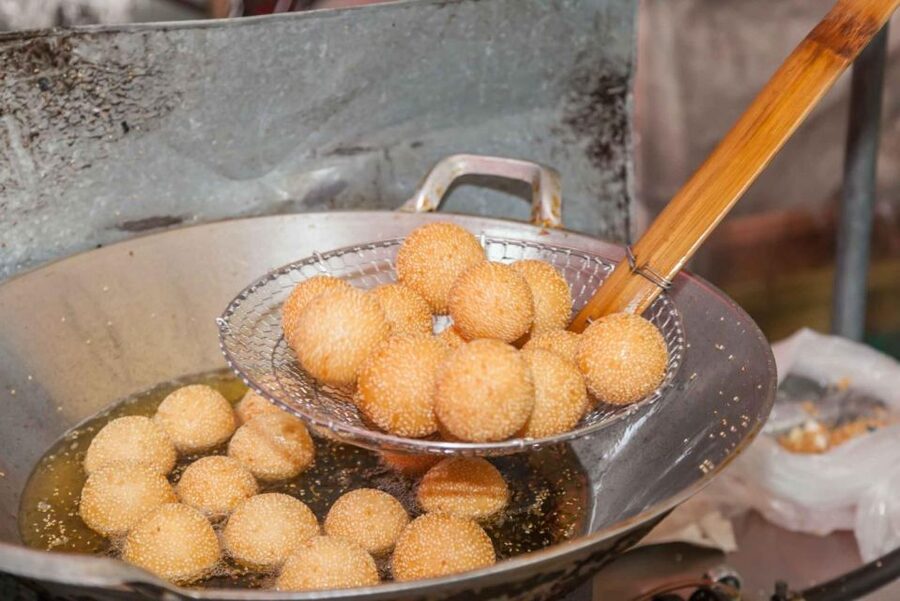
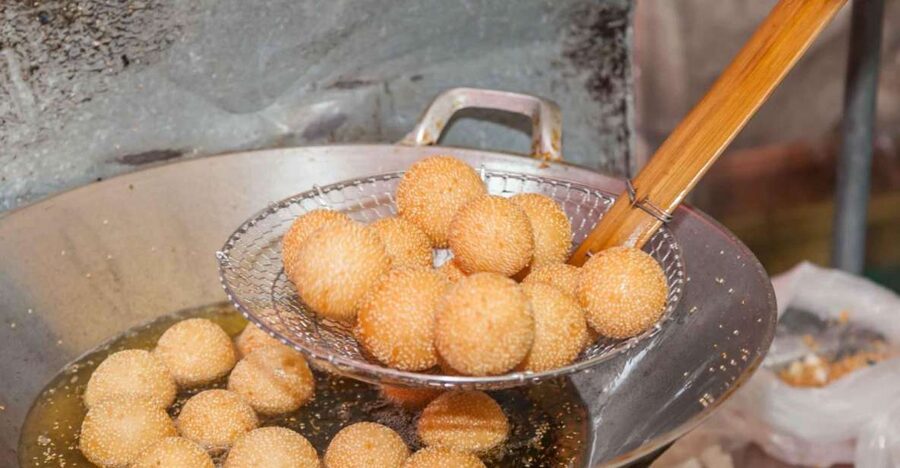
Sesame cakes are often made with sesame seeds and sweetened with honey. If you’re easing into Beijing street flavors, this is a friendly opener—sweet, aromatic, and easy to eat while walking.
You might also see ma hua, a fried dough twist. It’s the kind of snack that gives you that crunchy-outside, warm-inside feeling. And one more common texture win: the crispy fried ring, a popular household snack.
Crisp duck and hutong snacks, still hungry?
- Temple Heaven, Lama Temple, Summer Palace & Peking Duck Bus Tour★ 5.0 · 377 reviews
- Old Beijing Dinner Tour★ 5.0 · 348 reviews
- Beijing: Hidden Gems Guided Food Tour with Beer and Tastings★ 4.9 · 306 reviews
- Beijing: Hutong Culinary Walking Tour with 15+ Tastings★ 5.0 · 162 reviews
- Beijing Hutong Breakfast Food Tour★ 5.0 · 155 reviews
Pancakes, cakes, and sticky-sweet bites
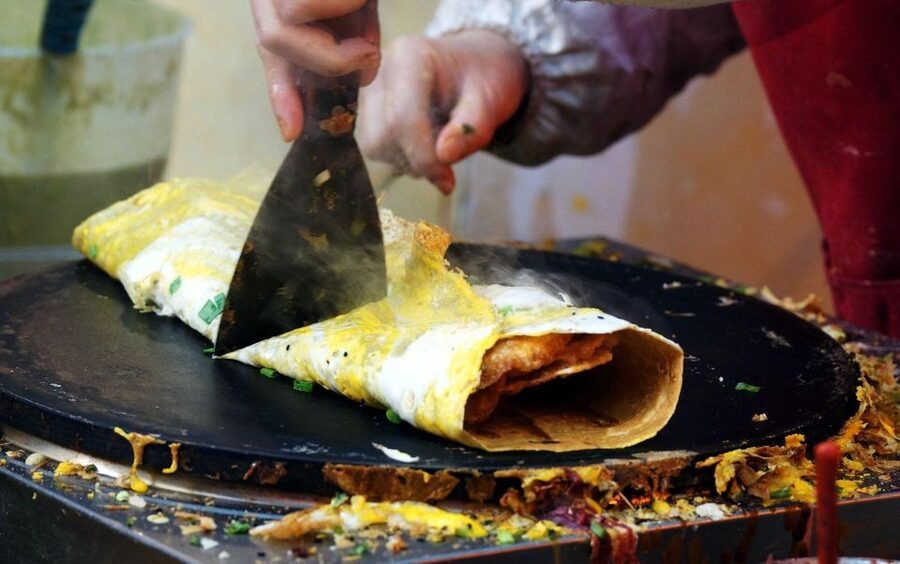
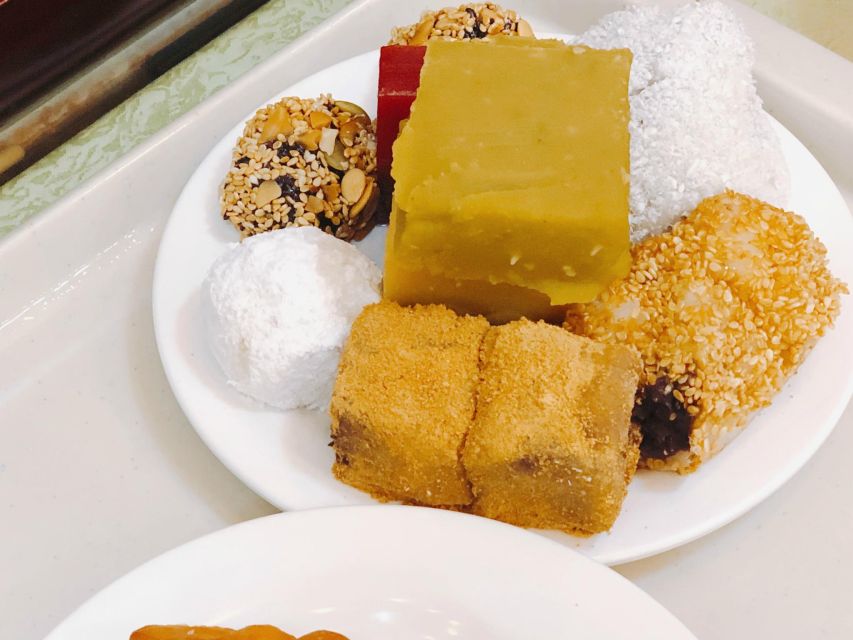
Jianbin is a fried pancake, and it often lands well for visitors because it’s savory and portable. You might also try steamed rice cakes with sweet stuffing, plus other Beijing-local snacks that rotate into the schedule.
A note on logistics: because these are frequent small tastings, you don’t have to commit to one massive plate. You can sample, evaluate, and move on fast.
Dumplings and noodle stops that feel like local rhythm
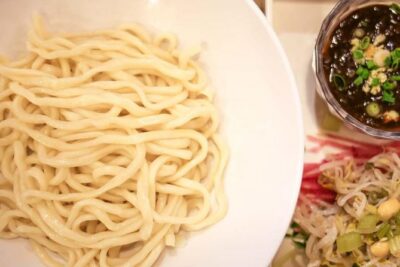
Soup dumplings show up on the list, and they’re a classic for a reason: they mix broth flavor with soft dumpling bite. Cross Bridge rice noodles are also included, and you’ll be told their origin is from Yunnan province. That’s a helpful reminder that Beijing food isn’t only Beijing—China’s regional styles travel and mix.
Even if you don’t count on a cooking show moment, one feedback note mentioned seeing noodles made by hand on a similar route. You might get that kind of small, hands-on detail depending on the day.
Beijing jar yogurt: a refresh between heavier bites
Beijing jar yogurt is listed as part of the tour options. It’s a nice break from fried snacks and heavy soups. Think of it as a cool, creamy counterweight during a high-snack count day.
Malatang: the spicy hot pot-adjacent experience
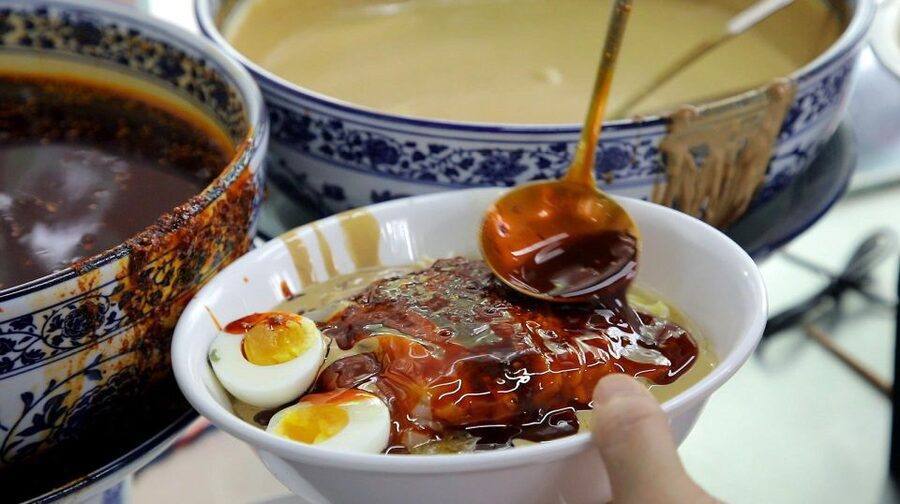
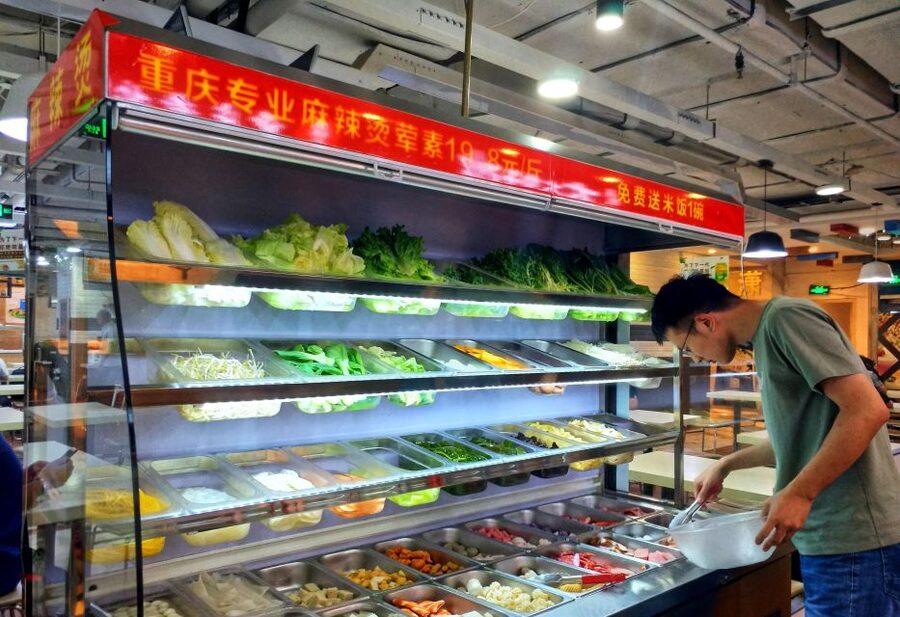
Malatang is described as a spicy hot pot soup base with many possible ingredients—vegetables, meats, seafood, and noodles. You’re not just eating one ingredient; you’re tasting the idea of mixing flavors in a bowl.
If you’re spice-sensitive, tell the guide early. The tour’s structure is designed for adjusting to your preferences, so you won’t be stuck eating something too intense.
Baijiu: the option for the bold drinkers
Baijiu is typically colorless, and it’s listed at about 35% to 60% alcohol by volume. That’s not a casual sip drink for many visitors.
My advice: treat it as optional flavor. If you want to understand the culinary culture, take a small taste and focus on the experience, not the quantity. If you don’t drink alcohol, you can still enjoy the rest of the food-heavy itinerary.
Xinjiang lamb skewers: the savory finale that sticks with you
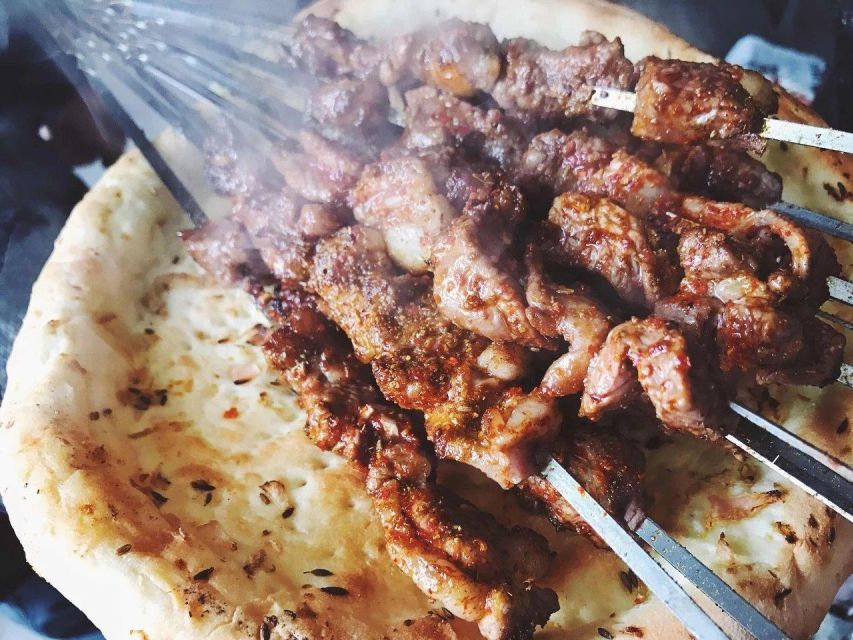
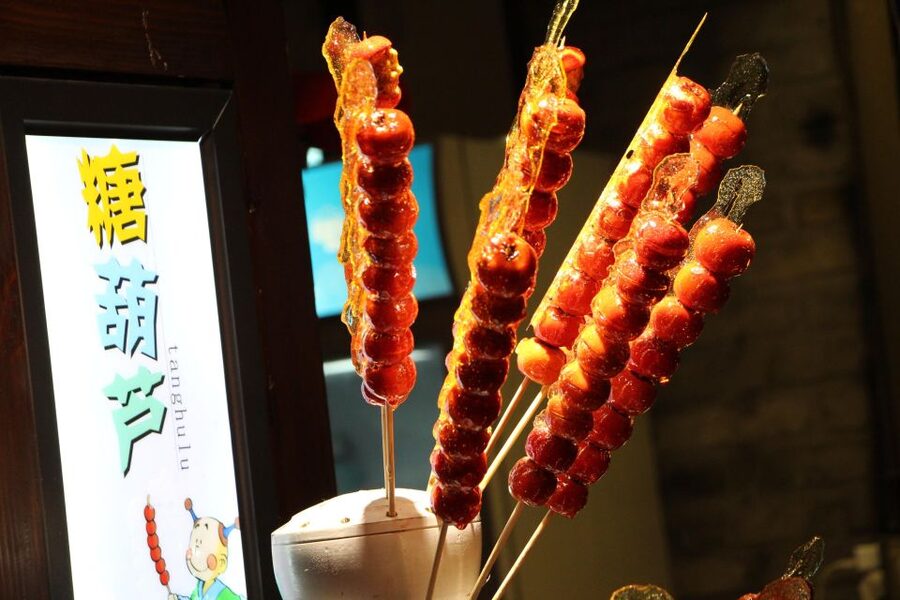
The tour often finishes with Xinjiang lamb skewers, sometimes paired with nang bread and lamb/vegetable kabobs. This part is a great payoff. After sweet snacks, dumplings, and noodle dishes, skewers bring salt, smoke, and straight-forward satisfaction.
If you’re a meat fan, this is likely one of the most memorable stops. If you’re avoiding meat, ask what alternatives your guide can do—some feedback highlighted dietary adjustments, including vegetarian care for a child in a family group.
How Your Guide Chooses Stops (and What to Tell Them)
The tour explicitly says your guide adjusts stops daily and based on your preferences. That’s not just nice wording. It’s practical.
If you want classic Beijing snacks, say so early. If you want bolder picks—like malatang, skewers, offal-style items, or stronger flavors—tell your guide you’re up for it.
This matters because the “surprise” list includes foods that are clearly outside many comfort zones:
- donkey burger
- fried liver
- intestine soup
- 1000 year old egg
- bamboo worm (at your cost)
Those surprises are described as optional. In feedback, people also noted they could ask for a substitute meal if they weren’t ready for a challenge item. So if you feel curious but not reckless, communicate that middle position. You’ll usually get a better experience than “yes/no” extremes.
Walking Pace, Timing, and What You Should Wear
The tour runs about 3–4 hours, described as 3 hours of feasting around the Hutong neighborhood. That time feels right for 15+ tastings because you’re eating often and walking short distances between places.
The biggest practical factor is the amount of food. Multiple guides in the feedback were praised for fast movement between spots and variety without feeling rushed. Still, you’ll be standing, walking, and eating for much of the time. Wear comfortable shoes. Bring a light layer if it’s cool—warm soup and cold desserts can swing how your body feels.
My personal planning rule: don’t schedule a heavy meal right after. If you’re going out later, keep it light—think tea, fruit, or something easy.
Price and Value: Why $76 Can Make Sense Here
At $76 per person, the headline number looks straightforward. The value is in what you get for that money:
- 15+ tastings included (so you’re not paying snack-by-snack)
- bottled water and local soft drinks
- an English-speaking guide who walks you between multiple local spots
- private group format, which usually means more personal pacing
- hotel pickup and drop off with private transfer if you choose that option
If you mentally compare it to doing this on your own, the advantage becomes clear. You’re paying for access: the guide knows which places will work for a sequence, and you don’t waste time hunting for specific dishes or figuring out what’s actually local.
Also, you’re getting cultural context with the food. Several feedback comments praised guides for connecting the dish origins and Beijing daily life to what you’re eating. That extra meaning is hard to price, but it’s part of why the tour feels like more than just snacks.
Who This Tour Fits Best (And Who Might Skip)
This tour is a strong match if:
- you’re in Beijing for a short time and want local flavors fast
- you want Hutong atmosphere without trying to navigate it alone
- you like learning through food—stories, origins, and eating etiquette
- you’re open to variety, from sweet snacks to savory soups to skewers
- you want a guide to tailor the day, including options for vegetarian needs
It might be less ideal if you:
- hate surprises in food, especially stronger flavors like baijiu or spicy malatang
- want a slow, sightseeing-heavy walk with fewer stops
- prefer only fully familiar Western-style dishes
For families, there’s at least one clear positive signal: a guide was praised for making sure a vegetarian child had good vegetarian dishes. That suggests the tailoring isn’t just for adult preferences.
The Booking Decision: Should You Book This Hutong Food Tour?
Yes, I’d book it if you want your first Beijing “food day” to feel organized, local, and fun. The big reasons are the 15+ tastings, the Hutong walking focus, and the fact that the guide adjusts based on your comfort level. You’ll likely leave with a much clearer sense of what Beijing snacks are actually like, not just what you ate.
Before you go, do two things:
- Come hungry and plan lighter meals later.
- Tell your guide your boundaries early—especially for spice, alcohol, and the surprise items—so they can steer you toward the right stops.
If that sounds like your kind of Beijing day, this tour is an easy yes.
FAQ
Where is the meeting point for the tour?
The tour meets at Dongsi Subway Station Exit B. Your guide will hold a sign with your name.
How long is the Beijing Hutong culinary walking tour?
The duration is listed as 3 to 4 hours.
Is there an English-speaking guide?
Yes. The tour includes a live tour guide in English.
How many food tastings are included?
The tour includes 15+ food tastings.
What’s included besides food?
Bottled water and local soft drinks are included.
Is hotel pickup and drop-off available?
Hotel pickup and drop-off with private transfer is optional if you choose that option.
Can the guide adjust stops based on my preferences?
Yes. The guide adjusts stops based on what you want to try, including classic bites or bolder picks.
Are there optional adventurous items?
There are optional surprises listed for adventure foodies, such as donkey burger, fried liver, intestine soup, 1000 year old egg, and bamboo worm (noted as at your cost).
Do I need to know Chinese to participate?
No. The tour is described as English-speaking, and you’ll meet your guide in an easy-to-find location.
What can I do if I don’t want a challenging dish?
You can ask for a substitute meal if you don’t fancy certain challenge items.
Is free cancellation available?
Yes, free cancellation is offered up to 24 hours in advance for a full refund.
More Tour Reviews in Beijing
- From Beijing: Mutianyu Great Wall Tours with Options
★ 4.9 · 9,216 reviews - Beijing: Forbidden City Tour(Group/Private)-Tickets Included
★ 4.8 · 7,974 reviews - Beijing: T-Square & Forbidden City Group or Private Tour
★ 4.8 · 4,446 reviews - All-Inclusive Tour: Tiananmen Square, Forbidden City, Great Wall
★ 5.0 · 2,873 reviews - MuBus: Mutianyu Great Wall ENG/ESP/RUS Guided Bus Tour
★ 5.0 · 2,361 reviews - 4-Hour Small Group Tour to Forbidden City with Entry Tickets
★ 5.0 · 1,863 reviews
Eat Beijing: More Food Walks
- Beijing Hutong Walking Food and Beer Tour at Hidden Restaurants
★ 5.0 · 1,132 reviews - Temple Heaven, Lama Temple, Summer Palace & Peking Duck Bus Tour
★ 5.0 · 377 reviews - Old Beijing Dinner Tour
★ 5.0 · 348 reviews - Beijing: Hidden Gems Guided Food Tour with Beer and Tastings
★ 4.9 · 306 reviews - Beijing Private Hutong Food Walking Tour
★ 5.0 · 299 reviews - Beijing Hutong Breakfast Food Tour
★ 5.0 · 155 reviews
Deeper Into the Hutongs
- Beijing Hutong Walking Food and Beer Tour at Hidden Restaurants
★ 5.0 · 1,132 reviews - Temple Heaven, Summer Palace, Lama Temple, Hutong Bus Tour
★ 4.7 · 319 reviews - Temple of Heaven, Summer Palace, Lama Temple, Hutong Tours
★ 5.0 · 311 reviews - Beijing Private Hutong Food Walking Tour
★ 5.0 · 299 reviews - The Hutong Experience by Bike
★ 5.0 · 163 reviews - Beijing Hutong Breakfast Food Tour
★ 5.0 · 155 reviews
Just In: More Beijing Tours to Browse


Hutong Walks & Rickshaw Tours, compared.
 ★ 5.0Beijing Hutong Walking Food and Beer Tour at Hidden RestaurantsFrom $801,132 reviews
 ★ 4.7Temple Heaven, Summer Palace, Lama Temple, Hutong Bus TourFrom $58319 reviews
 ★ 5.0Temple of Heaven, Summer Palace, Lama Temple, Hutong ToursFrom $99311 reviews
 ★ 5.0Beijing Private Hutong Food Walking TourFrom $82299 reviews
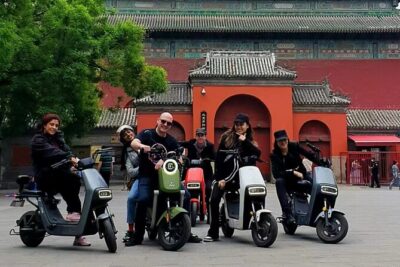 ★ 5.0The Hutong Experience by BikeFrom $150163 reviews
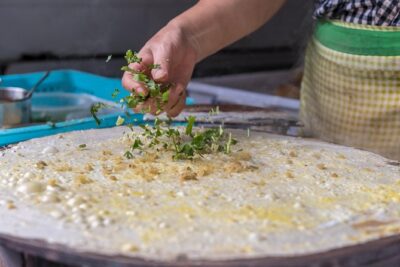 ★ 5.0Beijing Hutong Breakfast Food TourFrom $45155 reviews
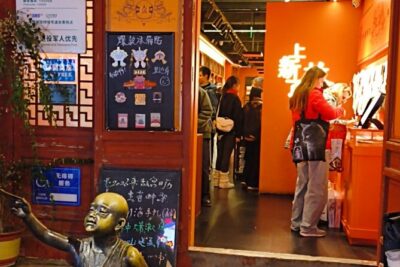 ★ 5.0Beijing City Walk: Explore Hutongs Life and Old BeijingFrom $15146 reviews
★ 5.0Beijing Hutong Breakfast Food TourFrom $55120 reviews
★ 5.0Beijing City Walk: Explore Hutongs Life and Old BeijingFrom $15146 reviews
★ 5.0Beijing Hutong Breakfast Food TourFrom $55120 reviews
Browse the lists this tour appears in