Reviewed · HUTONG WALKS & RICKSHAW TOURS
The Hutong Experience by Bike
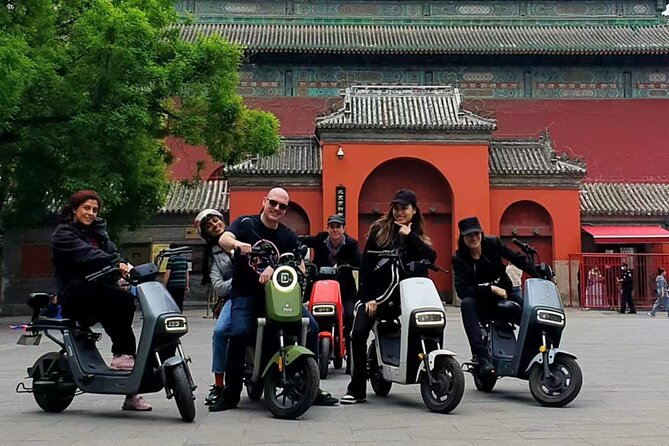
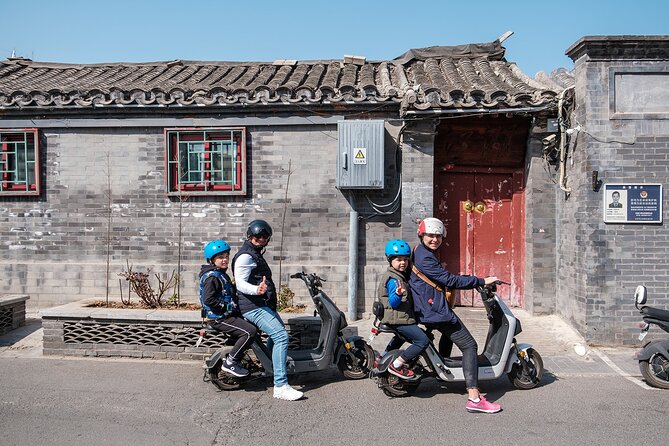
Beijing alley life moves fast on two wheels. This is a hutong bike experience with an English-speaking guide, plus e-bikes (or regular bikes) and helmets so you can focus on the lanes, not the logistics. I like that you get lots of local tips while you ride, and you also get built-in time for street food and small local stops you’d likely miss on your own.
My only caution: you’re still riding narrow lanes, so if you’re uneasy on a bike or you’re uncomfortable squeezing past walls and scooters, you may find it a bit stressful even with the safety briefing. The payoff is worth it if you’re game for the close-up Beijing feeling.
What makes it easy is the pacing and structure. It’s a private tour format, run with pickups and drop-off from designated meeting spots, and it ends back near the start, so you’re not wandering in circles after 3 hours.
In This Review
- Key things that make this hutong bike tour work
- Why hutongs feel real when you ride them, not just walk
- E-bike or bicycle: choosing the ride that matches your energy
- Price and value: what you actually get for $150
- Getting started at 74 Dong Si Bei Da Jie (and why that location helps)
- The Our Beijing hutong loop: what happens during the 3 hours
- Street food breaks that feel practical, not random
- Drum & Bell Towers games: a fun break from traffic and photos
- Safety and smooth riding in tight lanes
- Optional adventurous moments: lakes and rooftop views
- Who this hutong bike tour suits best (and who should skip it)
- Should you book The Hutong Experience by Bike?
- FAQ
- How long is The Hutong Experience by Bike?
- What’s included in the tour price?
- Are e-bikes available?
- Where do I meet for the tour?
- Is this tour private?
- How many people are in the group?
- What’s the cancellation policy?
Key things that make this hutong bike tour work
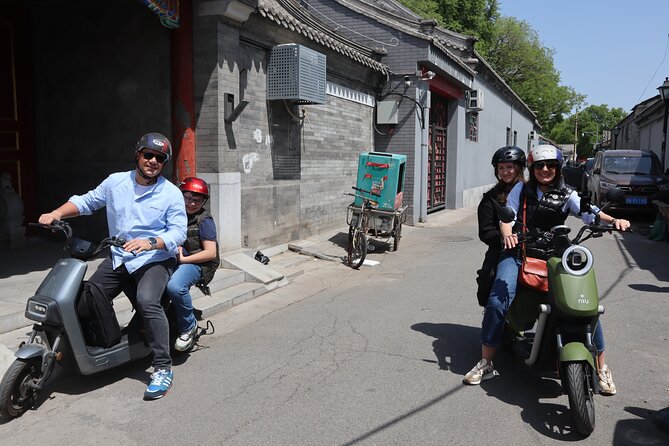
- Safety-first bike handling: you’re guided on how to ride safely before you head into the hutongs.
- E-bike or bicycle choice: match the effort level you want for the day.
- Street food + drinks are part of the plan: bottled water, soda, and snacks are included.
- Games under the Drum & Bell Towers: more than just riding and photos.
- English-speaking guide with local recommendations: you get context as you go, not just motion.
- Small capped group size: maximum of 15 travelers, with a private tour feel.
Down the grey-brick lanes on foot or by pedicab
Why hutongs feel real when you ride them, not just walk
Beijing’s hutongs are narrow lanes where daily life happens close to the ground. Walking can work, but you often end up choosing only a few blocks because you’re backtracking every time a lane turns, a gate is locked, or you get turned around.
On a bike, you cover more of the neighborhood without losing the texture. You get that close-up feeling—doorways, little courtyard rhythms, and the sense that you’re moving through someone’s everyday geography. The hutong layout can be confusing solo, so having a guide that knows the turns makes your time actually count.
The best part is that the tour isn’t only about scenery. You’re also set up for food and local activities, so you experience the place as people do, not just as a sight.
E-bike or bicycle: choosing the ride that matches your energy
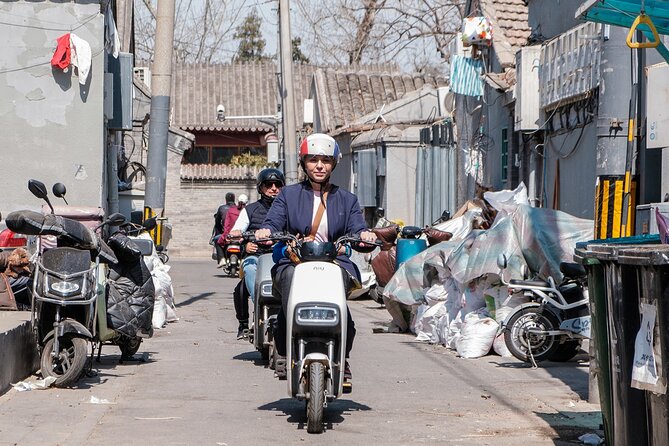
This tour gives you a choice between an e-bike or a bicycle, which matters more than it sounds. In hutong neighborhoods, you’ll be riding stop-and-go with tight spacing, so having the right bike helps you enjoy the experience instead of fighting fatigue.
If you want less effort and smoother handling, pick the e-bike. The e-bikes used on this kind of tour are described as being in good condition, and safety checks are emphasized. If you’d rather feel more like a classic ride and you’re comfortable with biking, go with the regular bicycle and enjoy the control that comes with it.
Two practical tips if you’re deciding:
- If you’re visiting in hot or humid conditions, the e-bike can make the 3 hours feel much more comfortable.
- If you’re already a confident cyclist, a bicycle can feel fun and simple, because you’ll control speed through the lanes.
Helmets are included either way, and the guide helps you set up so you’re not guessing about how to handle the bike in tight spaces.
Price and value: what you actually get for $150
$150 for about 3 hours isn’t a “cheap add-on,” but it is fairly priced for what’s included—especially in Beijing where guided cultural experiences can add up fast.
Here’s the value equation that matters:
- You get an English-speaking tour escort/host and a private experience format.
- You get use of bicycle, helmets, bottled water, soda, and snack-style street food during the ride.
- You get pickup and drop-off from designated meeting spots, plus the guide handles the route.
A regular self-guided food walk would cost less, but you’d spend more time figuring out where to go, and you’d likely miss key lanes and local stops. This tour is designed so the “getting there” part doesn’t drain your energy.
Also, alcoholic drinks are not included, though they can be purchased. So you’re mostly paying for food, riding support, and the local context, not drinks.
Getting started at 74 Dong Si Bei Da Jie (and why that location helps)
You begin at 74 Dong Si Bei Da Jie, in Dongcheng District, and the activity ends back at the meeting point. That matters because hutongs can make you lose time if you don’t have a clean start and finish.
It’s also listed as near public transportation, which is useful if you’re building the day around multiple sights. You won’t need a long scramble to get to the tour—at worst, you’re doing a short, manageable transit hop and then you’re on a bike.
Bring a little patience for the “bike meetup” phase. Even a smooth tour like this has a short rhythm at the start: helmet on, safety instructions, bike checks, then you’re rolling. It’s quick, but it’s real.
Weigh these up before you book this Beijing tour:
- Beijing Highlights-Private Beijing Bike Tour★ 4.5 · 21 reviews
- 4-Hour Private Beijing Hutong Bike Tour with Dumpling Lunch★ 5.0 · 13 reviews
- Modern Beijing Discovery by Bike★ 5.0 · 13 reviews
- Street Food in Beijing Hutongs by Bike★ 5.0 · 11 reviews
- Old Beijing Hutongs Biking Adventure★ 5.0 · 8 reviews
The Our Beijing hutong loop: what happens during the 3 hours
The experience is structured as one main riding journey through hutong neighborhoods, with stops built into the flow. The tour centers on showing you the real Beijing through narrow alleyways, local flavors, and everyday details.
You’ll ride through centuries-old hutong-style neighborhoods and get stories as you go. The guide’s job is to connect what you see—courtyards, street life, and neighborhood corners—to how people live there now. That context is the difference between a photo walk and a real neighborhood visit.
Pacing is a big part of why this works. The tour includes drinks and stops so you don’t cook yourself just to keep moving. With hutong lanes, you’ll often feel like you’re going slower than a main street, because you’re constantly adjusting to the space around you. The guide’s plan helps you feel in control.
One detail I appreciate in the way this is set up: the tour isn’t only scenic. It includes small games and local traditions as part of the route, so you get breaks that are actually fun, not just waiting.
Street food breaks that feel practical, not random
This is one of the most praised parts of the experience for a reason: street food is included, and it’s guided. You’re not just handed a list and told to figure it out.
The tour includes bottled water, soda, and snacks delicious street foods during the ride. That combination is smart. Cycling plus heat can sneak up on you, and having hydration built into the itinerary helps you enjoy tastings instead of rushing through them.
The guide’s local approach also helps. A good guide can steer you toward what’s appropriate to try and when to stop, especially when lanes are busy or shops change their daily rhythm. In this tour, the guide—such as Dominic—is known for giving plenty of chances to try local food, while still keeping the ride safe and moving.
If you’re the kind of traveler who likes to snack your way through a place, this tour fits your style. If you’re picky, you can still do the ride for the hutong experience and just sample what you feel comfortable with.
Drum & Bell Towers games: a fun break from traffic and photos
At some point during the experience, you’ll play traditional games under the Drum & Bell Towers. This is a clever add-on because it turns your “cultural time” into something active.
It also helps break up the cycling portion. Hutong rides can be mentally intense—you’re scanning lanes, watching turns, and staying aware of space. A short activity under a landmark creates a reset, and it gives you a story to take home beyond street corners.
Even if you’re not great at games, this part helps you feel like you’re interacting with local life rather than only observing it.
Safety and smooth riding in tight lanes
The tour includes helmets, and the guide focuses on safety. In fact, the bike handling gets attention before you head into the narrower areas, which is exactly what you want on a hutong route.
A smooth ride comes from three things:
- A bike in good working condition
- Clear safety instructions
- A guide who sets a predictable pace
That’s why people rate this tour so highly. The e-bike setup is described as safe and smooth, and the guide checks that riders know how to handle the bikes in the alleys.
My advice: listen closely at the start. If the guide shows you how to start, stop, and navigate tight spaces, follow it even if you think you already know. It’s not about being cautious for the sake of it—it’s about keeping the group comfortable and avoiding sudden surprises.
Optional adventurous moments: lakes and rooftop views
The overview mentions there may be a chance for adventurous add-ons, such as swimming in ancient lakes or hunting for rooftop views. The key word here is chance. You should think of these as possible extras depending on timing and conditions, not guaranteed checkboxes.
If you like flexible travel moments—where you might get a bonus view or activity if the day lines up—this tour style can be a good fit. If you only want guaranteed stops, plan your expectations around the core hutong ride, street food tastings, and the landmarks and games.
Either way, the hutong route is the main event, and that part is consistent in concept: narrow lanes, local rhythm, and a guide who knows where to go.
Who this hutong bike tour suits best (and who should skip it)
This experience is ideal if you:
- Want to see hutongs but don’t want to get lost
- Like street food and want it folded into your schedule
- Prefer a guided experience that includes practical local context
- Want an active but structured outing for about 3 hours
It’s also a good choice if you want to feel like you’re traveling with a local person, because the guide is there with recommendations while you ride.
I’d suggest thinking twice if you’re:
- Uncomfortable on a bike, even with a helmet and safety instructions
- Looking only for major tourist landmarks and are not interested in neighborhood life
- Expecting the day to be completely hands-off without any close navigation
If you’re mid-range on cycling confidence, you’ll probably be fine—just pick the e-bike and focus on staying relaxed and following the guide’s pace.
Should you book The Hutong Experience by Bike?
I’d book it if you want the best odds of experiencing hutong neighborhoods with less confusion and more local texture. For $150, you’re paying for an organized route, a guide who speaks English, safe bike handling support, and included street food and drinks. That combination is what makes it feel like value rather than just a ride.
Skip it only if you’re not comfortable biking in tight spaces or you don’t care about street food and neighborhood context. If you love small experiences—food stops, simple games, and learning how people live—this is a strong fit.
FAQ
How long is The Hutong Experience by Bike?
It’s about 3 hours.
What’s included in the tour price?
You get a tour escort/host, bottled water, soda/pop, snacks (street foods), and use of a bicycle. Helmets are included too.
Are e-bikes available?
Yes. You can choose between e-bikes (or bicycles) for the ride.
Where do I meet for the tour?
The meeting point is 74 Dong Si Bei Da Jie, Dongcheng District, Beijing, and the tour ends back at the meeting point.
Is this tour private?
Yes, the tour is described as private, which is meant to keep the experience personalized.
How many people are in the group?
The tour has a maximum of 15 travelers.
What’s the cancellation policy?
You can cancel for free up to 24 hours in advance for a full refund. If you cancel less than 24 hours before the start time, the amount paid is not refunded.
More Cycling Tours in Beijing
- Beijing Highlights-Private Beijing Bike Tour
★ 4.5 · 21 reviews - 4-Hour Private Beijing Hutong Bike Tour with Dumpling Lunch
★ 5.0 · 13 reviews - Modern Beijing Discovery by Bike
★ 5.0 · 13 reviews - Street Food in Beijing Hutongs by Bike
★ 5.0 · 11 reviews - Old Beijing Hutongs Biking Adventure
★ 5.0 · 8 reviews - Beijing Bike Forbidden City Tiananmen Square Group Tour 2 Hours
★ 5.0 · 7 reviews
More Tour Reviews in Beijing
- From Beijing: Mutianyu Great Wall Tours with Options
★ 4.9 · 9,216 reviews - Beijing: Forbidden City Tour(Group/Private)-Tickets Included
★ 4.8 · 7,974 reviews - Beijing: T-Square & Forbidden City Group or Private Tour
★ 4.8 · 4,446 reviews - All-Inclusive Tour: Tiananmen Square, Forbidden City, Great Wall
★ 5.0 · 2,873 reviews - MuBus: Mutianyu Great Wall ENG/ESP/RUS Guided Bus Tour
★ 5.0 · 2,361 reviews - 4-Hour Small Group Tour to Forbidden City with Entry Tickets
★ 5.0 · 1,863 reviews
Deeper Into the Hutongs
- Beijing Hutong Walking Food and Beer Tour at Hidden Restaurants
★ 5.0 · 1,132 reviews - Temple Heaven, Summer Palace, Lama Temple, Hutong Bus Tour
★ 4.7 · 319 reviews - Temple of Heaven, Summer Palace, Lama Temple, Hutong Tours
★ 5.0 · 311 reviews - Beijing Private Hutong Food Walking Tour
★ 5.0 · 299 reviews - Beijing: Hutong Culinary Walking Tour with 15+ Tastings
★ 5.0 · 162 reviews - Beijing Hutong Breakfast Food Tour
★ 5.0 · 155 reviews
Just In: More Beijing Tours to Browse



Hutong Walks & Rickshaw Tours, compared.
 ★ 5.0Beijing Hutong Walking Food and Beer Tour at Hidden RestaurantsFrom $801,132 reviews
 ★ 4.7Temple Heaven, Summer Palace, Lama Temple, Hutong Bus TourFrom $58319 reviews
 ★ 5.0Temple of Heaven, Summer Palace, Lama Temple, Hutong ToursFrom $99311 reviews
 ★ 5.0Beijing Private Hutong Food Walking TourFrom $82299 reviews
 ★ 5.0Hutong Culinary Walking Tour with 15+ TastingsFrom $76162 reviews
 ★ 5.0Beijing Hutong Breakfast Food TourFrom $45155 reviews
 ★ 5.0Beijing City Walk: Explore Hutongs Life and Old BeijingFrom $15146 reviews
★ 5.0Beijing Hutong Breakfast Food TourFrom $55120 reviews
★ 5.0Beijing City Walk: Explore Hutongs Life and Old BeijingFrom $15146 reviews
★ 5.0Beijing Hutong Breakfast Food TourFrom $55120 reviews
Browse the lists this tour appears in