
Reviewed · HUTONG WALKS & RICKSHAW TOURS
Beijing City Walk: Explore Hutongs Life and Old Beijing
Hutongs get easier with a guide. This 2–3 hour Beijing city walk connects famous landmarks to the day-to-day feel of old neighborhoods, and I like the small group size and the way guides build in local food and hands-on culture (like calligraphy and costume-style fun). One thing to plan for: Bell and Drum Towers admission is not included, so you may pay extra at that stop.
You can pick a morning, afternoon, or night departure, which changes the mood a lot—especially around hutongs and canal-side areas. With a maximum of 15 people, it stays manageable, and the headset setup (used for groups over 10) makes it easier to follow your guide on busy sidewalks.
At $15 per person for about 2 hours 30 minutes, the value is solid if you want context while you walk. You’re paying mainly for the guide, the route planning, and the time saved from figuring out where to go next—then you add any paid admissions and your own snacks when you want them.
In This Review
- Key Highlights Worth Booking For
- Why This Hutong Walk Feels Like Beijing (Not a Checklist)
- A note on the group vibe
- Qianmen and Dashilan: Where Old Commerce Meets Quick Orientation
- What to watch for on Dashilan
- Admission included at this segment
- Sanlihe Hutong: The Real Payoff of Walking Instead of Riding
- Hands-on culture moments can pop up
- Nanluoguxiang and Night Atmosphere: Canal-Side Beijing Can Look Different
- The Drum Tower to Houhai flow
- Expect snack and shop culture
- Bell and Drum Towers at the End: Illuminated History With a Cost Caveat
- One important planning detail: admission not included
- Price and Value: $15 Is About the Guide, Not the Attractions
- Guides That Shape the Experience: What I’d Look For in Your Departure
- Small “extras” can make it feel special
- Getting There and Staying Comfortable
- Wear for weather, not just looks
- Who This Tour Fits Best (And Who Might Want Something Else)
- Should You Book This Beijing Hutong City Walk?
- FAQ
- How long is the Beijing city walk?
- How much does it cost?
- Is this tour guided in English?
- Do I get headsets?
- Is a mobile ticket included?
- Which parts include admission tickets?
- How large is the group?
- Can I choose morning, afternoon, or night?
- What if weather is bad?
- Is tipping included in the price?
Key Highlights Worth Booking For
- Qianmen start with Dashilan street energy, then a quick shift into quieter hutong lanes
- Sanlihe Hutong time gives you that old-Beijing feel without the stress of self-navigation
- Night option through Drum Tower area toward Houhai, great if you like atmospheric city lights
- Bell and Drum Towers stop for the illuminated view and the stories behind how time was run
- Hands-on moments happen sometimes, including calligraphy practice and trying Peking Opera-style outfits
- Headsets for larger groups keep the tour clear, not shouty
Down the grey-brick lanes on foot or by pedicab
Why This Hutong Walk Feels Like Beijing (Not a Checklist)
Beijing’s big sights can be loud, crowded, and a bit stagey. This walk works because it mixes icon-level places (like Qianmen and the Bell/Drum Towers) with street-level life in hutongs, where you see how people actually move through the neighborhood.
The guide makes the difference. I like that it’s not just “look at that building.” You get the who/why/how behind what you’re seeing, plus practical pacing so the group isn’t gasping through tiny lanes. And if you’re the kind of person who enjoys small detours—local shops, snack stops, quirky museums—this tour format fits that style well.
A note on the group vibe
The tour caps at 15 travelers, which matters in hutongs. Narrow streets get crowded fast. A smaller group helps everyone keep moving and keeps the guide’s attention on you, not just the loudest person at the front.
Qianmen and Dashilan: Where Old Commerce Meets Quick Orientation
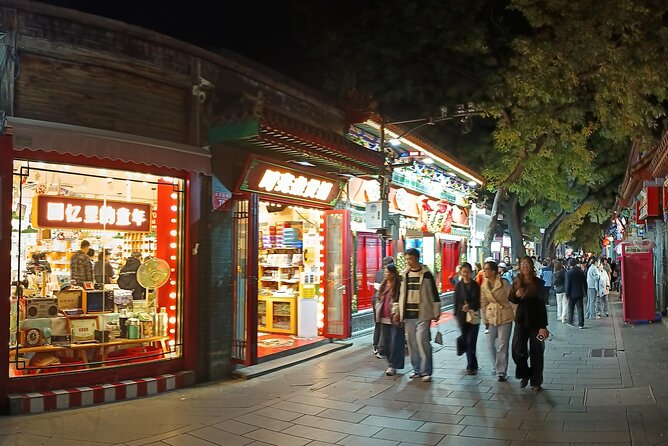
The walk typically begins around Qianmen Walking Street, one of the easiest places to meet and get oriented. From there, you head into Dashilan, a historic commercial area. This is the part where you get a feel for how the center of old Beijing functioned—shops, street life, and the sense that the city has always been about trade and daily errands.
What I like about starting here: you get traction fast. If you arrive in Beijing and don’t yet know your bearings, Qianmen gives you a clear starting point before the lanes tighten up.
What to watch for on Dashilan
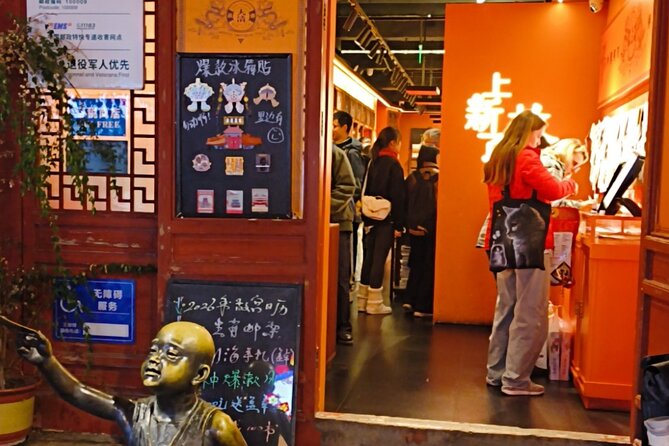
Street scenery here changes block by block. You might see traditional pastries and small snack kiosks along the way, and you’ll likely get a few stops where your guide encourages you to try something local. I’d treat these as optional add-ons, not obligations. If you eat lightly at the start, you’ll enjoy the hutong section more later.
Beijing at street level, more routes on foot
- Beijing Hutong Walking Food and Beer Tour at Hidden Restaurants★ 5.0 · 1,132 reviews
- Private Beijing Walking Tour of the Forbidden City with 7 Options★ 5.0 · 675 reviews
- Forbidden City Private Walking Tour with Optional Sights★ 5.0 · 400 reviews
- Beijing Private Hutong Food Walking Tour★ 5.0 · 299 reviews
- Beijing: Hutong Culinary Walking Tour with 15+ Tastings★ 5.0 · 162 reviews
Admission included at this segment
The tour lists admission coverage for this first stop area, so you aren’t scrambling for tickets right away. That’s helpful if you’re arriving in a hurry or don’t want to play ticket-timing games.
Sanlihe Hutong: The Real Payoff of Walking Instead of Riding
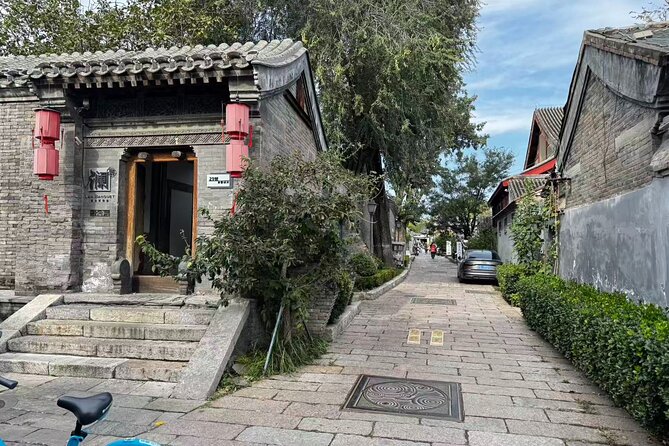
After the main street atmosphere, the route turns toward Sanlihe Hutong. This is where the experience shifts from landmark sightseeing to neighborhood texture. Hutongs are basically the city’s living web of old lanes, and walking them with context makes them make sense.
This part is where you’re most likely to notice details that you’d miss alone: how the lanes connect, where people pause, and what kinds of shops and services survive from older eras. In a good tour, this is also where the guide’s stories feel practical, not museum-only.
Hands-on culture moments can pop up
In the feedback I saw, guides sometimes add participatory stops. One featured guide experience included things like calligraphy attempts and even trying Peking Opera-style outfits. That sort of activity isn’t guaranteed on every departure, but if it’s offered during your date, it’s the kind of low-effort, high-fun break that makes the walk memorable.
Nanluoguxiang and Night Atmosphere: Canal-Side Beijing Can Look Different
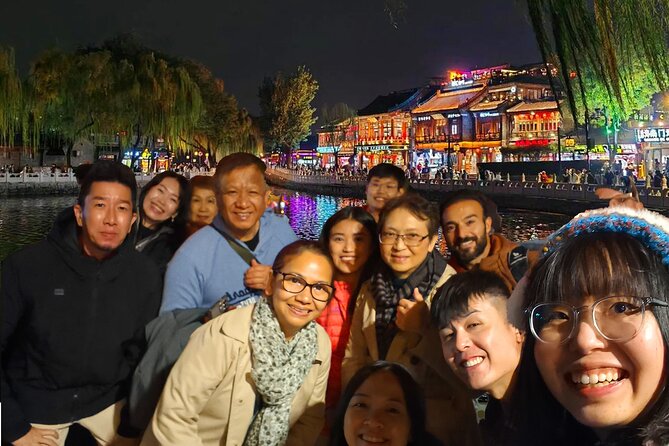
If you choose an evening departure, expect a different Beijing mood. The tour follows a route through ancient-city zones associated with Nanluoguxiang and links key points such as the Drum Tower area and onward toward the Houhai side.
Here’s why I think this night option works well: it combines history with atmosphere. Hutong lanes at night can feel calmer than the main streets, while the canal area can give you that classic Beijing skyline-and-lantern feel.
The Drum Tower to Houhai flow
Your guide’s job is to connect the dots between these landmarks and the local geography. The Drum Tower is the kind of sight that means more than its look—your guide explains the role it played in the old city’s rhythm. Then, moving through hutongs toward Houhai, the route gives you a sense of how everyday routes and big civic sites met.
Expect snack and shop culture
Night walks tend to naturally include more food-and-shopping moments. In the experiences tied to this route, people highlighted local snacks and street-side shops. If you’re worried about overspending, you can simply treat these as “look-and-smell” stops until you find something you truly want.
Bell and Drum Towers at the End: Illuminated History With a Cost Caveat
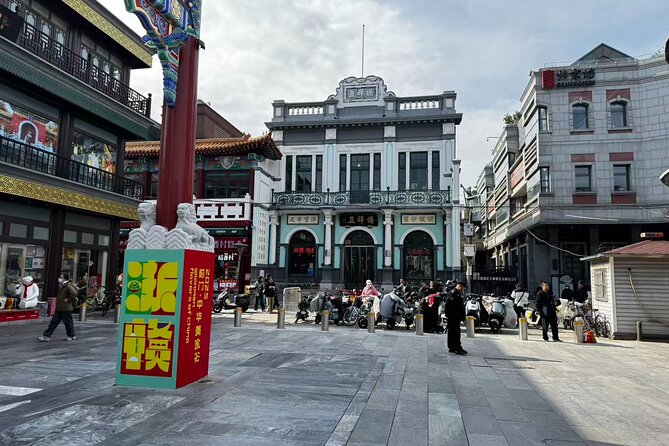
The walk culminates at the Bell and Drum Towers area, where you pause in the square and see the towers illuminated. This is the kind of stop that feels like a payoff. After walking lanes and listening to the city’s evolution, you finally stand in front of a major symbol and hear how it relates to the old system of timekeeping.
Your guide will likely share stories about how these towers helped govern the city’s schedule. Even if you’ve seen photos, the live view at night has a different scale. It’s also a helpful moment to regroup—everyone’s been moving for a while, and the guide gives you a clear, slower end point.
One important planning detail: admission not included
This is the one “gotcha” in the pricing structure: the tour lists admission for the Bell and Drum Towers stop as not included. So if you’re budgeting tight, set aside a little extra for that ticket. It’s still worth it if you want the illuminated viewpoint and the timekeeping story, but don’t assume it’s fully covered.
Price and Value: $15 Is About the Guide, Not the Attractions
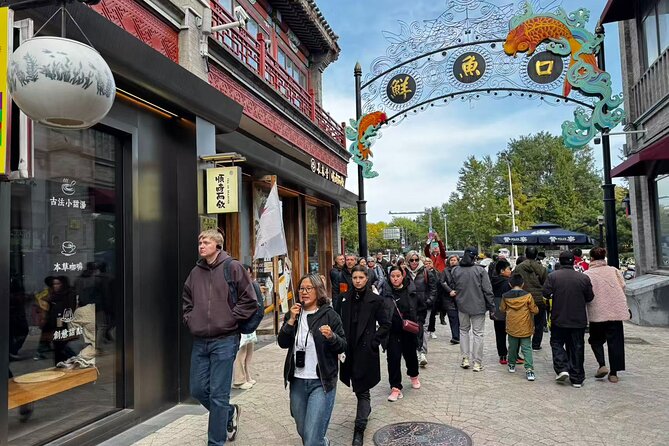
At $15 per person for roughly 2 hours 30 minutes, this tour is priced like a guide-led experience, not like an attractions-only package. That’s a good thing if you care about understanding where you are while you walk.
Here’s the value breakdown in plain terms:
- You’re paying for an English-speaking guide and a planned route through historic streets
- You get headsets when the group is over 10 people, so you’re not stuck lip-reading
- Admission is included for the earlier stop segments, but Bell and Drum Towers admission is not
- Tipping is not included, so you’ll decide what’s fair at the end
I’d especially call this good value if you’re spending limited days in Beijing. Two and a half hours is enough time to learn how to read the city—without burning half a day.
Guides That Shape the Experience: What I’d Look For in Your Departure
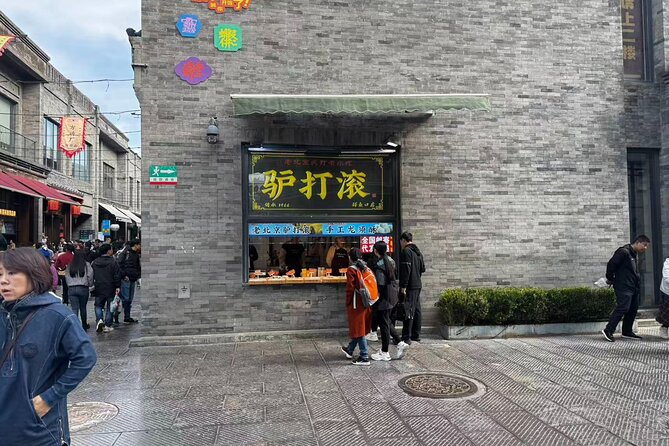
The tour feedback I saw consistently praised guides who mix facts with fun and keep people moving at a human pace. Names that came up included Yang, Kevin, Eevee, and Summer Wang. While the guide on your date may be different, the pattern is the same: people liked when the guide made the route feel alive, not scripted.
That matters in hutongs. The lanes can look similar from a distance. A strong guide helps you feel orientation and meaning instead of just walking in a straight line between landmarks.
Small “extras” can make it feel special
Some departures include hands-on moments like calligraphy, Peking Opera-style costume try-ons, snack tastings, and fun shop visits (including mentions of a shoe museum). These aren’t the city’s biggest institutions, but they help the walk feel like Beijing life, not only Beijing architecture.
Getting There and Staying Comfortable
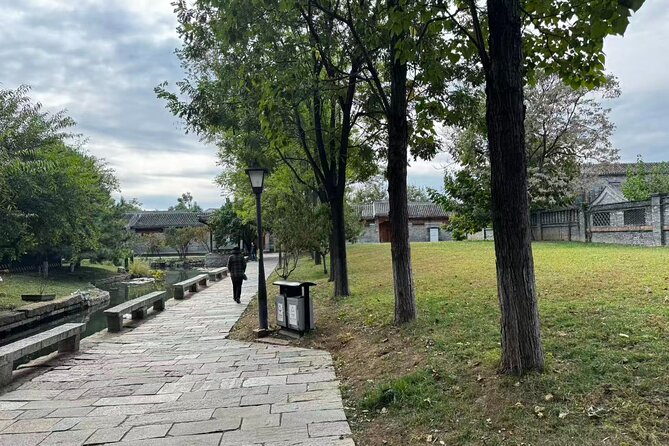
The tour notes it’s near public transportation, which is a big deal because your walking route includes multiple historic areas. In practice, that means you won’t feel trapped once you arrive; getting to and from the start point should be straightforward.
Wear for weather, not just looks
This is where I want you to be practical. Beijing winters are cold, and hutong nights can feel colder than the main streets. One highlighted experience specifically warned that winter is cold, so bring warm layers even if you plan to stay only 2.5 hours.
Also, bring shoes with decent grip. Hutong lanes are often uneven, and you’ll spend more time on foot than you might expect from a “simple walk.”
Who This Tour Fits Best (And Who Might Want Something Else)
This walk is a strong fit if you:
- want old Beijing context without spending hours studying maps
- like night views and canal-side areas
- enjoy small food stops and local shops
- want an English-speaking guide who keeps the pace friendly
You might want to choose a different style if:
- you hate walking in tight lanes (hutongs can be narrow)
- you strongly prefer fully ticket-included major attractions end-to-end
- you’re extremely price-sensitive and don’t want any extra ticket adds at the end
Should You Book This Beijing Hutong City Walk?
Yes, if you want a guided hutong experience that connects iconic landmarks to everyday neighborhood life, this is a smart use of time. The $15 price is mostly about paying for route guidance, stories, and the chance to see more than the big sights from a distance.
Just go in with one budget expectation: plan for Bell and Drum Towers admission, and keep warm clothing in mind for night departures. If you can do that, you’ll come away with the kind of Beijing feeling that lasts longer than a single photo.
FAQ
How long is the Beijing city walk?
It runs for about 2 hours 30 minutes (roughly 2–3 hours depending on the timing of your departure).
How much does it cost?
The price is $15.00 per person.
Is this tour guided in English?
Yes. It includes an English speaking tour guide.
Do I get headsets?
You’ll use a guided tour headset when the group is over 10 people, which helps you hear your guide clearly.
Is a mobile ticket included?
Yes. The tour uses a mobile ticket.
Which parts include admission tickets?
Admission is included for the Qianmen / Dashilan part and for the Nanluoguxiang area segment. Bell and Drum Towers admission is not included.
How large is the group?
The tour has a maximum of 15 travelers.
Can I choose morning, afternoon, or night?
Yes. You can choose a morning, afternoon, or night option for a different perspective.
What if weather is bad?
The tour requires good weather. If it’s canceled due to poor weather, you’ll be offered a different date or a full refund.
Is tipping included in the price?
No. Tips are not included.
Beijing on Foot, Continued
- Beijing Hutong Walking Food and Beer Tour at Hidden Restaurants
★ 5.0 · 1,132 reviews - Private Beijing Walking Tour of the Forbidden City with 7 Options
★ 5.0 · 675 reviews - Forbidden City Private Walking Tour with Optional Sights
★ 5.0 · 400 reviews - Beijing Private Hutong Food Walking Tour
★ 5.0 · 299 reviews - Beijing: Hutong Culinary Walking Tour with 15+ Tastings
★ 5.0 · 162 reviews - Beijing: Highlights of Forbidden City Private Walking Tour
★ 5.0 · 104 reviews
More Tour Reviews in Beijing
- From Beijing: Mutianyu Great Wall Tours with Options
★ 4.9 · 9,216 reviews - Beijing: Forbidden City Tour(Group/Private)-Tickets Included
★ 4.8 · 7,974 reviews - Beijing: T-Square & Forbidden City Group or Private Tour
★ 4.8 · 4,446 reviews - All-Inclusive Tour: Tiananmen Square, Forbidden City, Great Wall
★ 5.0 · 2,873 reviews - MuBus: Mutianyu Great Wall ENG/ESP/RUS Guided Bus Tour
★ 5.0 · 2,361 reviews - 4-Hour Small Group Tour to Forbidden City with Entry Tickets
★ 5.0 · 1,863 reviews
Deeper Into the Hutongs
- Beijing Hutong Walking Food and Beer Tour at Hidden Restaurants
★ 5.0 · 1,132 reviews - Temple Heaven, Summer Palace, Lama Temple, Hutong Bus Tour
★ 4.7 · 319 reviews - Temple of Heaven, Summer Palace, Lama Temple, Hutong Tours
★ 5.0 · 311 reviews - Beijing Private Hutong Food Walking Tour
★ 5.0 · 299 reviews - The Hutong Experience by Bike
★ 5.0 · 163 reviews - Beijing: Hutong Culinary Walking Tour with 15+ Tastings
★ 5.0 · 162 reviews
Just In: More Beijing Tours to Browse




Hutong Walks & Rickshaw Tours, compared.
 ★ 5.0Beijing Hutong Walking Food and Beer Tour at Hidden RestaurantsFrom $801,132 reviews
 ★ 4.7Temple Heaven, Summer Palace, Lama Temple, Hutong Bus TourFrom $58319 reviews
 ★ 5.0Temple of Heaven, Summer Palace, Lama Temple, Hutong ToursFrom $99311 reviews
 ★ 5.0Beijing Private Hutong Food Walking TourFrom $82299 reviews
 ★ 5.0The Hutong Experience by BikeFrom $150163 reviews
 ★ 5.0Hutong Culinary Walking Tour with 15+ TastingsFrom $76162 reviews
 ★ 5.0Beijing Hutong Breakfast Food TourFrom $45155 reviews
★ 5.0Beijing Hutong Breakfast Food TourFrom $55120 reviews
★ 5.0Beijing Hutong Breakfast Food TourFrom $45155 reviews
★ 5.0Beijing Hutong Breakfast Food TourFrom $55120 reviews
Browse the lists this tour appears in