
Reviewed · MUSEUMS
Beijing: China National Film Museum Entry Reservation
Film history, but built for your feet.
Beijing’s China National Film Museum is a big, modern place for learning how Chinese cinema grew from one era to the next. I especially like the way it’s organized by time period across 21 exhibition halls, and I also like that you can pair the exhibits with movie-screening spaces that include an IMAX GT theater. The one thing to keep in mind is that a lot of the on-site information can be Mandarin-first, so you’ll want to rely on the included English guide when needed.
For a low price and a tight 2-hour visit window, it’s a practical way to see a lot without turning your day into a full-on museum marathon. Bring your passport, scan the QR code you receive for entry, and plan on using the guide more than you might in other museums.
In This Review
- Key highlights to notice before you go
- Beijing’s China National Film Museum in 2 hours: what you’re really buying
- Skipping the ticket line: the QR code system you must follow
- What you’ll see on the first floor: Theme Exhibition and the warm-up zone
- Floors 2–4: A Century of History, A Century of Glory
- The dinosaurs-and-film-history moment: when playful meets serious
- Movie halls (including IMAX GT): what’s worth your extra time
- The English guide you get: how to use it without getting lost
- Price and value: why this can be a smart add-on day
- Practical details that matter on the ground
- Who should book this museum entry (and who might want a different plan)
- Should you book? My take on the decision
- FAQ
- How long does the China National Film Museum entry last?
- How do I enter the museum with my reservation?
- Do I need to buy a live guide?
- Are movie screenings included in the ticket price?
- What language support is included?
- What should I bring to enter?
- Is the museum wheelchair accessible?
- Is cancellation possible, and how far in advance?
Key highlights to notice before you go
- QR code entry that isn’t the same as the app code: use the QR you receive separately for admission.
- A century-spanning exhibition layout across floors 2–4, focused on film development and key film-makers.
- 21 exhibition halls + 6 movie halls, so you can choose between galleries and theaters.
- Movie theater scale, including an IMAX GT hall that can handle audiences over 1,000.
- A theme space on the first floor tied to a new journey of struggle, plus extra themed areas that feel more playful.
More Beijing halls worth the hours
Beijing’s China National Film Museum in 2 hours: what you’re really buying
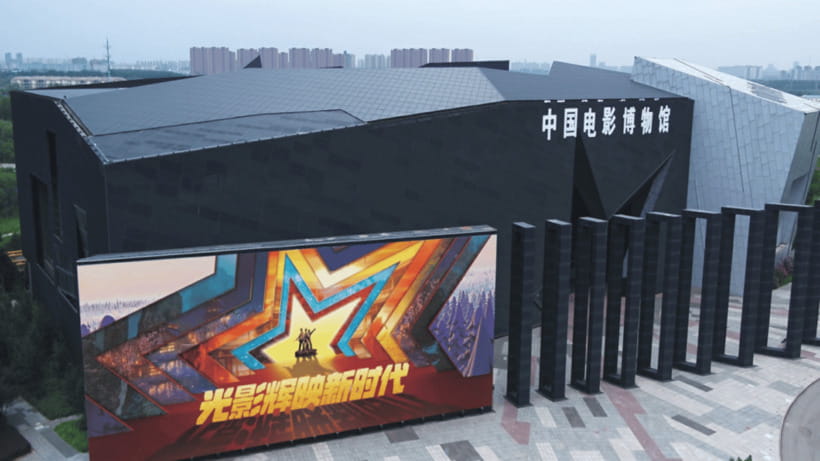
This is entry to a major public cultural institution, designed for people who want context, not just posters on walls. The museum opened to the public in 2007 and was founded in 2005, so it feels like a purpose-built learning space rather than a repurposed building. If you’re short on time, the value here is the museum’s scale plus the fact that you can enter with a pre-arranged reservation.
The price is also hard to ignore. At about $4.82 per person, you’re paying for timed access (and a smoother entry process), not for a private guide or a single special exhibit. That means your “return” depends on what you do once inside—use the English materials, pick a few floors, and don’t try to read every label like it’s a homework assignment.
And yes, it’s big. The site covers about 8.7 acres, with nearly 38,000 square meters of architectural space. That size is why two hours makes sense if you focus. Walk, scan, stop where the exhibits actually click, and move on when you feel your attention lagging.
Skipping the ticket line: the QR code system you must follow
Here’s the practical part that can make or break your visit. After you book, you’ll receive an e-ticket QR code by email or WhatsApp. That QR code is what you use to enter the museum directly.
Important detail: the code from the GetYourGuide app is not your admission ticket. You need the QR code sent separately for admission. I treat this like the museum’s “single source of truth.” Before you head over, check your messages and keep the QR code accessible offline if your phone service is flaky.
Once you’re inside, plan to move with the museum’s floor logic. The space is laid out so that you can skim top-level story beats quickly, then slow down in sections that match your curiosity—early cinema, later eras, or film-making techniques.
What you’ll see on the first floor: Theme Exhibition and the warm-up zone
On the first floor, there’s a theme exhibition called A New Journey of Struggle. This is a good starting point because it sets a tone before you jump into the century-long storyline.
I like first-floor openings in museums because they help you avoid “where am I?” confusion. You get an orientation hit: what kind of museum this is, what style of storytelling you’ll see, and what themes matter here. Even if you don’t read every caption, the exhibit layout can still guide your understanding.
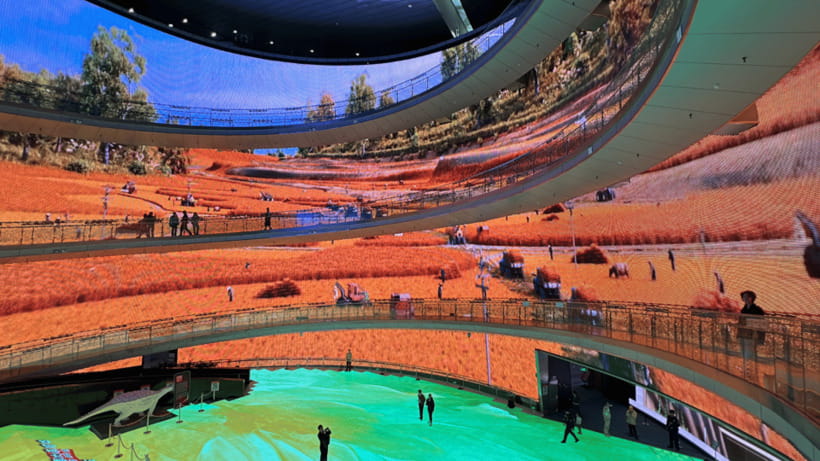
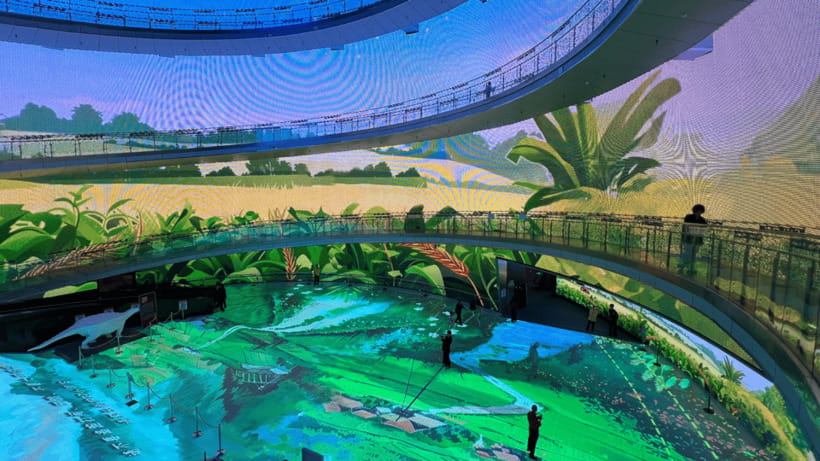
One extra thing to watch for: this museum has themed areas that people describe as fun and surprising. If you see an area tied to dinosaurs near your route, treat it like a visual break. It’s not there to replace the serious film history work; it’s a way to grab attention and make the museum feel less intimidating.
Floors 2–4: A Century of History, A Century of Glory
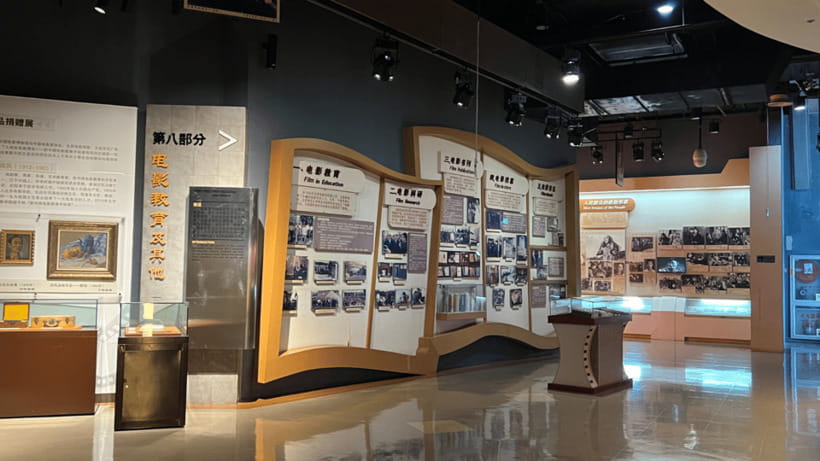
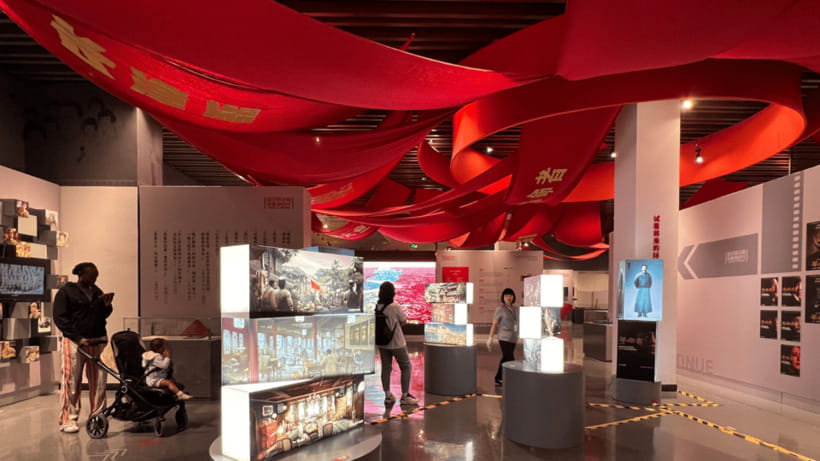
The main story lives on the second, third, and fourth floors in the exhibition A Century of History, A Century of Glory. This is the section that connects the dots between eras and explains how film in China developed over time.
What makes it valuable isn’t just the timeline. The exhibition also:
- shows development in different periods and stages
- highlights significant artistic achievements by many film-makers
- shares film-making secrets (how movies are shaped, not just how they look)
If you’re the type who likes understanding the “why” behind art, this is where you’ll likely feel it most. Films aren’t made in a vacuum; they reflect technology, audiences, politics, and culture. The museum’s structure supports that idea by organizing material so you can see evolution rather than isolated moments.
The trade-off: a lot of the on-site content leans heavily toward Mandarin. That’s where the included English materials matter. You’ll get the most out of these floors if you plan to use the English textual and visual guide as you go, instead of trying to “wing it” just from signs.
- From Beijing: Mutianyu Great Wall Tours with Options★ 4.9 · 9,216 reviews
- Beijing: Forbidden City Tour(Group/Private)-Tickets Included★ 4.8 · 7,974 reviews
- Beijing: T-Square & Forbidden City Group or Private Tour★ 4.8 · 4,446 reviews
- All-Inclusive Tour: Tiananmen Square, Forbidden City, Great Wall★ 5.0 · 2,873 reviews
- MuBus: Mutianyu Great Wall ENG/ESP/RUS Guided Bus Tour★ 5.0 · 2,361 reviews
The dinosaurs-and-film-history moment: when playful meets serious
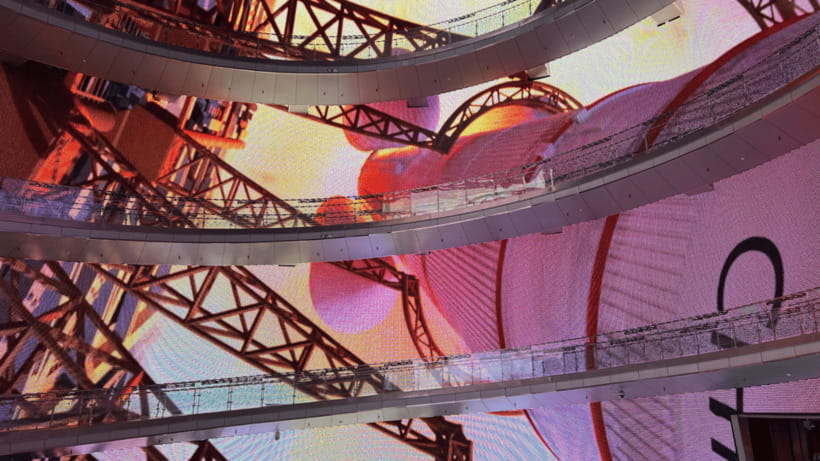
There’s a reason some people remember the entrance to the dinosaur area. It helps you reset your expectations. You walk into a film museum and suddenly there’s a playful zone—then you move back into the serious exhibition sections and realize it’s not random.
This matters because big museums can wear you down. A short, eye-catching themed zone can make the rest of the visit easier to enjoy. It also helps kids and families feel included without forcing them to sit still and read.
So if you’re visiting with anyone who needs breaks, use this kind of area as your “permission to move.” Spend a few minutes, take pictures if allowed, then head back to the time-period galleries with renewed energy.
Movie halls (including IMAX GT): what’s worth your extra time
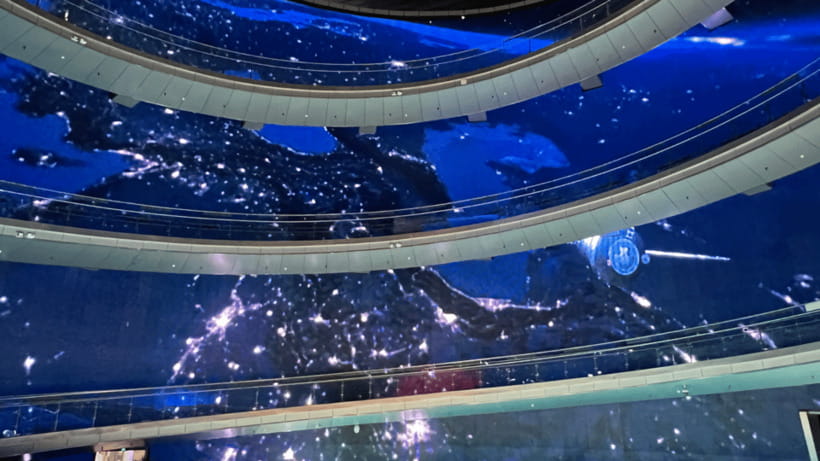
Beyond galleries, CNFM includes six movie halls. One of them is an IMAX GT hall, and the museum’s movie spaces can hold audiences of over 1,000 people. That scale tells you something: this is not just a quiet add-on wing. It’s built to show films in a crowd-friendly way.
Here’s the reality check: paid movie screenings are not included with your entry. So you’ll need to decide whether it’s worth paying extra once you’re there. If you love film technology, or you want a break from reading, a screening can be a smart pairing.
If you don’t want to spend extra money, you can still get value from the galleries alone. Just understand that the museum experience is split between two modes: exhibit learning and theater viewing.
The English guide you get: how to use it without getting lost
Your ticket includes an English version of the textual and visual guide. That’s important because some on-site information can be Mandarin-first. If you don’t read Chinese, this guide acts like your map and translator.
How I’d use it:
- skim the guide before you reach the main floors so you know what to look for
- stop at exhibits where you see film-making visuals, stagecraft elements, or era comparisons
- treat English guidance as your “anchor,” not as a complete replacement for everything on display
You’ll probably notice the museum is designed for self-guided flow. That means you should expect to choose your route. If you try to read everything in full detail, two hours will feel too short. Better approach: pick a storyline (early era to later era, or film-making techniques) and stick to it.
Price and value: why this can be a smart add-on day
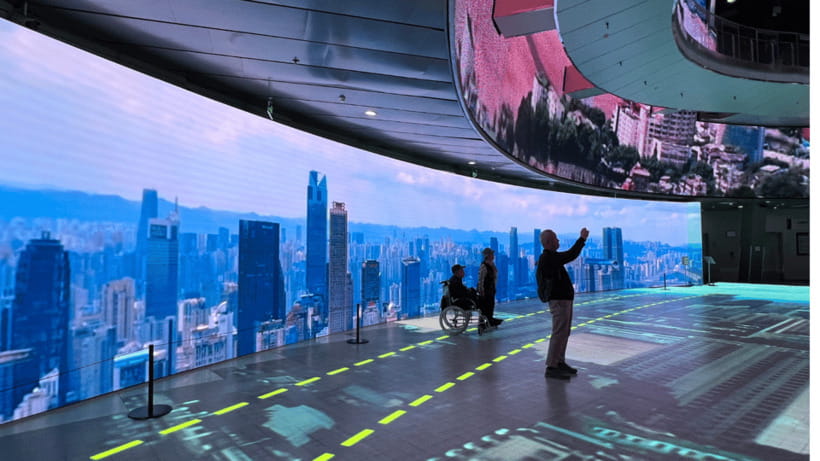
At roughly $4.82 per person for entry reservation, the value comes from convenience and coverage. You’re not paying for an all-inclusive guided day. You are paying to enter a major museum without wrestling a ticket line.
For many people, the best-case scenario is simple:
- you spend most of the time on floors 2–4 for the century exhibit
- you add the first-floor theme exhibition as your warm-up
- you optionally consider a paid screening if the schedule works
If you’re doing Beijing on a tight plan—temples in the morning, neighborhoods in the afternoon—this museum can slot in nicely. It’s also good if you’re a film fan who wants context, even if you don’t speak Mandarin.
If you’re the type who needs lots of interpretive text in your own language, plan for that upfront. The English guide helps, but it won’t magically turn every label into English. You’ll get more satisfaction if you arrive with a curiosity mindset rather than expecting museum-level translation everywhere.
Practical details that matter on the ground
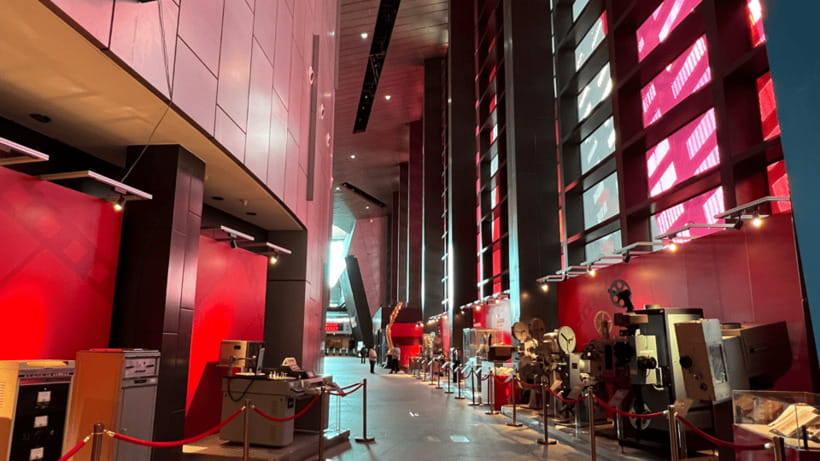
CNFM is wheelchair accessible, which is a real advantage if mobility is a concern. You’ll still want to watch your route and how you move between floors, but the museum is built for public access.
Bring a passport. The museum experience here is tied to entry reservation, and you’ll want your documents ready.
Also: no smoking. Standard rule, but it’s worth noting because these are rules you’ll see enforced in China’s public facilities.
Finally, if you’re traveling with time pressure, remember the museum visit duration is listed as 2 hours. That’s enough for a focused tour, but it’s not enough to savor every detail across all floors. Pick your priorities when you step inside.
Who should book this museum entry (and who might want a different plan)
Book CNFM entry if:
- you like film history and want the story organized by periods
- you want a museum stop that’s educational but not overly formal
- you appreciate self-guided pacing
- you’re traveling on a budget and want a big cultural institution for a low entry cost
I’d be more cautious if:
- you strongly rely on reading long interpretive labels in English
- you want a full “tour” experience with live commentary (a live guide is not included)
- you expect the paid movie screenings to be part of the ticket (they’re not)
For families, the themed areas (including the dinosaur zone people mention) can make the experience easier to enjoy. For solo travelers, the combination of galleries and optional theaters gives you control.
Should you book? My take on the decision
If you’re curious about Chinese cinema and you can use an English guide, I think this reservation is a good move. The price is low, the museum is designed for self-guided learning, and the QR entry approach reduces friction.
My biggest “yes” comes from the structure: a clear century narrative across floors and a museum layout that can fit into a two-hour plan. My biggest “hold up” is language. If Mandarin-first signage would frustrate you, you’ll need to lean into the English materials and accept that not every display will fully translate.
If you want a museum visit that tells a coherent story and lets you choose your pace, CNFM is worth booking. If your ideal day includes live explanation and lots of English signage, you may prefer a different type of tour package.
FAQ
How long does the China National Film Museum entry last?
The reserved visit duration is listed as 2 hours. You can check availability to see starting times.
How do I enter the museum with my reservation?
After booking, you receive an e-ticket QR code by email or WhatsApp. Use that QR code to enter directly. The code in the GetYourGuide app is not the admission ticket.
Do I need to buy a live guide?
No. A live guide is not included with this entry reservation.
Are movie screenings included in the ticket price?
Paid movie screenings are not included. The museum has multiple movie halls, but screenings may require extra payment.
What language support is included?
You get an English version of the textual and visual guide.
What should I bring to enter?
Bring your passport.
Is the museum wheelchair accessible?
Yes, the museum entry experience is listed as wheelchair accessible.
Is cancellation possible, and how far in advance?
Free cancellation is available up to 24 hours in advance for a full refund.
Under One Roof: Beijing Museums
- Beijing: Tianmen Square, Forbidden City & Royal Museum Tours
★ 4.6 · 1,288 reviews - Beijing:Jingshan Park (Palace Museum Garden) Ticket
★ 4.5 · 185 reviews - Beijing Half Day: National Museum of China In-depth Tour with Subway Transfer
★ 5.0 · 70 reviews - Beijing’s Forbidden City with Special Viewing of Treasure Gallery and the Great Wall Ruins at Badaling
★ 4.5 · 24 reviews - China National Museum Ticket Pre-booking and Tiananmen Square
★ 3.5 · 23 reviews - Beijing: Lama Temple, Confucius Temple and Guozijian Museum
★ 5.0 · 23 reviews
More Tour Reviews in Beijing
- From Beijing: Mutianyu Great Wall Tours with Options
★ 4.9 · 9,216 reviews - Beijing: Forbidden City Tour(Group/Private)-Tickets Included
★ 4.8 · 7,974 reviews - Beijing: T-Square & Forbidden City Group or Private Tour
★ 4.8 · 4,446 reviews - All-Inclusive Tour: Tiananmen Square, Forbidden City, Great Wall
★ 5.0 · 2,873 reviews - MuBus: Mutianyu Great Wall ENG/ESP/RUS Guided Bus Tour
★ 5.0 · 2,361 reviews - 4-Hour Small Group Tour to Forbidden City with Entry Tickets
★ 5.0 · 1,863 reviews
Just In: More Beijing Tours to Browse



Museums, compared.
 ★ 4.6Tianmen Square, Forbidden City & Royal Museum ToursFrom $41,288 reviews
 ★ 4.5Beijing:Jingshan Park (Palace Museum Garden) TicketFrom $6185 reviews
 ★ 5.0Beijing Half Day: National Museum of China In-depth Tour with Subway TransferFrom $11470 reviews
 ★ 4.5Beijing’s Forbidden City with Special Viewing of Treasure Gallery and the Great Wall Ruins at BadalingFrom $19924 reviews
 ★ 3.5China National Museum Ticket Pre-booking and Tiananmen SquareFrom $1023 reviews
 ★ 5.0Lama Temple, Confucius Temple and Guozijian MuseumFrom $8023 reviews
 ★ 5.04-Hour Private Tour: Lama Temple, Confucius Temple, Guozijian Museum with Dim SumFrom $9721 reviews
 ★ 4.7JingShan park (palace museum garden) entry ticketFrom $618 reviews
Browse the lists this tour appears in