
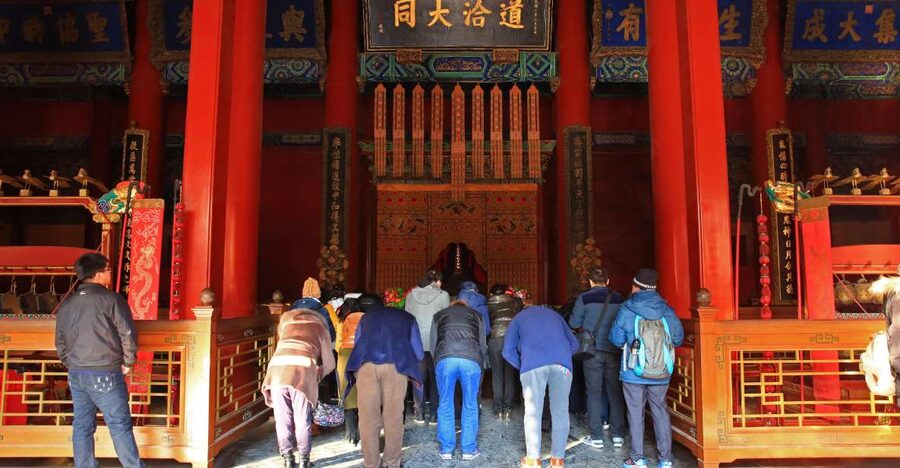
Reviewed · LAMA & CONFUCIUS TEMPLES
Beijing: Lama Temple, Confucius Temple and Guozijian Museum
Temples feel big and formal, until you watch real worship. This Lama Temple, Confucius Temple, and Guozijian route turns famous sights into something you can actually follow step by step, with time to slow down in the courtyards and then see everyday Beijing in nearby hutong lanes.
What I like most is the chance to take in the 54-foot sandalwood Buddha at Lama Temple, plus the way your guide connects what you’re seeing to how people worship there. I also really enjoy the Guozijian side of the day—the Imperial College built in 1306—because it gives you a clear story for why this place mattered through the Yuan, Ming, and Qing dynasties.
One drawback to think about: you’re looking at a compact 4-hour schedule that includes several sites, so you’ll want comfortable shoes and an “I’ll move at a good pace” mindset if the day is crowded.
In This Review
- Key things to notice before you go
- Lama Temple: the 54-foot Buddha and what worship looks like up close
- Confucius Temple and Guozijian Museum: the Imperial College in 1306 context
- Hutong alleys after the temples: seeing Beijing life in quiet lanes
- The best part is the guide: clear English, patient explanations, smooth storytelling
- Price and value: what $80 covers and why it can be worth it
- How the 4-hour plan flows (and where you can get more out of it)
- Who should book this tour
- Should you book Fun Beijing Travel’s Lama Temple–Confucius–Guozijian tour?
- FAQ
- How long is the tour?
- Is an English-speaking guide included?
- Does the tour include entrance fees?
- Is there skip-the-ticket-line service?
- Do I need private transfer and hotel drop-off?
- Can I cancel for a refund?
Key things to notice before you go
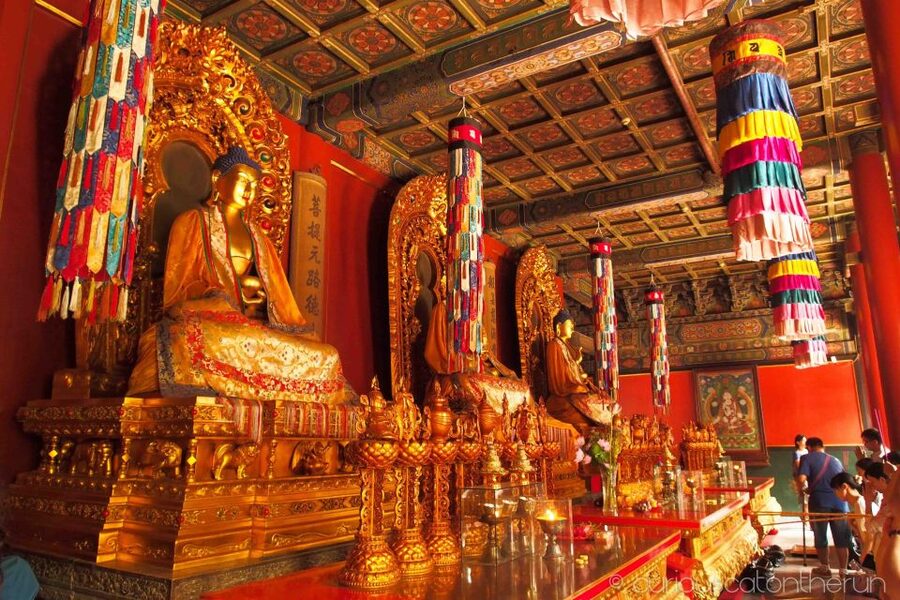
- A single-log white sandalwood Maitreya that’s described as the biggest wooden Buddha in the world
- Local worship in motion, not just posed photos
- Guozijian Museum context tied to the Yuan, Ming, and Qing dynasties
- Hutong allays after the temples, with a feel for daily Beijing life
- Skip-the-ticket-line access plus an English guide to keep it flowing
Incense and old cypresses, more temple mornings
Lama Temple: the 54-foot Buddha and what worship looks like up close
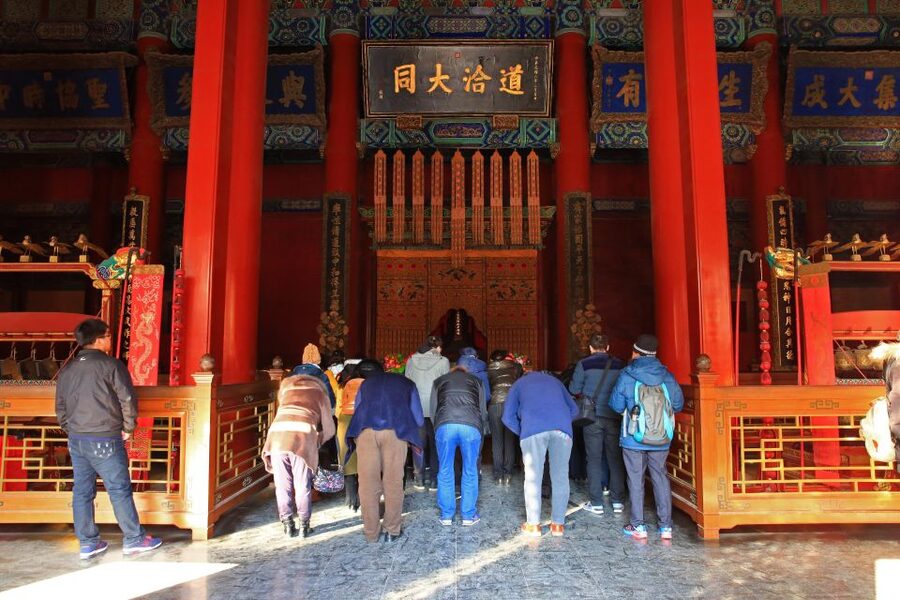
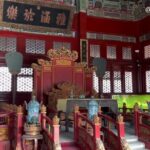
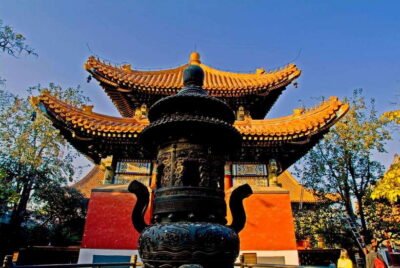
Lama Temple is the kind of place where the scale hits you first, then the details start making sense. The highlight here is the 54-foot high sandalwood Buddha, an awe-in-the-body moment that’s hard to get from pictures alone. Your guide helps you look in the right order—courtyard, hall, statue—so you’re not just wandering and guessing what you’re supposed to notice.
Then comes the part I think you’ll remember: you’re not only touring objects, you’re watching how locals worship. That changes everything. Instead of treating the temple like a museum set, you start seeing it as a living place with real routines, real gestures, and real faith. The guide also frames what you’re seeing as part of religious life in China, which makes the statues feel less mysterious and more understandable.
A special stop inside Lama Temple is the Maitreya Buddha described as carved from one precious white sandalwood log from Nepal. Your route has you see it in the hall, and that detail matters because it gives you a tangible sense of craft and intention—this isn’t a quick decoration, it’s an object built to last and meant to draw people in.
Practical note: temples usually mean lots of standing, slow movement through halls, and occasional stairs. If you’re used to “tour fast, photo fast” schedules, slow down here. The value is in watching, then listening to what your guide points out.
Confucius Temple and Guozijian Museum: the Imperial College in 1306 context
After Lama Temple, the day pivots from Buddhist art to Confucian learning—still spiritual in its own way, but with a different tone. The Temple of Confucius sets the stage, and then the Guozijian Museum (the Imperial College) adds the big historical punch.
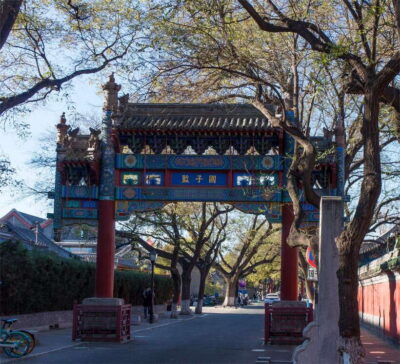
What makes Guozijian especially worth your time is its origin story: it was built in 1306 by the grandson of Kublai Khan. That connection to Mongol-era power gives you a reason to care beyond the “this is old” factor. It helps you understand why this wasn’t just a side building—it was set up to matter.
Your guide also explains that this former college served as a supreme academy across the Yuan, Ming, and Qing dynasties. That’s useful, because it turns a single visit into a timeline you can keep in your head. You start seeing the site as something that endured, adapted, and kept its role through major dynastic shifts.
One thing I appreciate about a guide-led route here: it keeps you from missing the quieter details. Guozijian can feel like “buildings and corridors” if you’re only scanning for the next big photo. With an English-speaking guide, you get the stories behind what you’re passing—why certain parts existed, and what the setting was meant to represent.
Potential drawback: this part is more about ideas and interpretation than pure spectacle. If you prefer action and scenery over explanation, you’ll need to stay engaged by asking your guide what to look for next. The best moments come when you connect a room’s purpose to the bigger academic story.
Hutong alleys after the temples: seeing Beijing life in quiet lanes
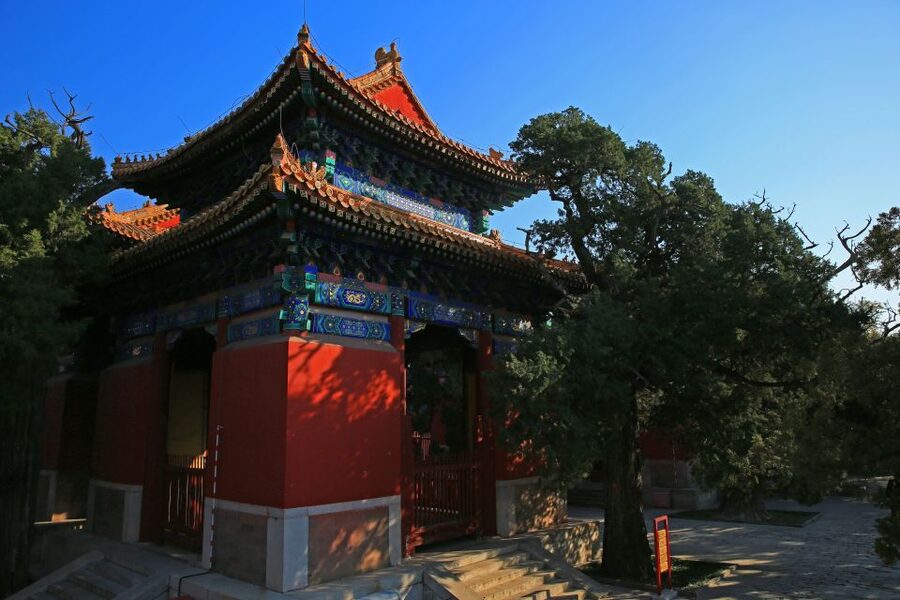
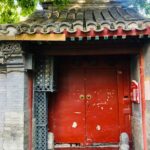
Here’s the shift that makes this experience feel more like Beijing than just a sightseeing circuit: you walk into hutong allays—the narrow lanes that have shaped neighborhood life for generations. After the temples, the mood changes fast. The noise drops. The pace slows. You can actually take in how people use space day to day.
Your guide’s role here is key. They don’t just point at old walls. They help you understand the history of Beijing hutong streets and how locals live in these areas. Even if you’ve seen hutong photos before, it’s a different feeling to walk them while someone explains how the neighborhood works and why it looks the way it does.
A common “nice bonus” in this plan is that you can keep exploring after the tour ends, especially Wudaoying Hutong, with your guide suggesting how to get to your next destination. That’s smart: it keeps the day from ending abruptly at a gate, and it gives you an easy way to keep the hutong atmosphere going on your own.
If you like authentic, everyday scenes more than curated attractions, this is the section that will likely earn your heartiest nod. Just remember you’ll be on your feet through lanes and courtyards—bring shoes you can walk in for several hours.
The best part is the guide: clear English, patient explanations, smooth storytelling
The quality of this tour comes down to one thing: the guide. The route is packed enough that you’d miss a lot without someone guiding your attention.
On this kind of route, I’ve seen guides such as Anne, Cassie, Aurora, Mike, and Ranee called out for doing exactly what you want in Beijing: clear English, good timing, and explanations that make the sights click. Whether the day is calm or busy, a strong guide helps you keep your footing—literal and mental—so you’re not just following a group with no idea what’s happening.
A good guide also keeps the tone right. Lama Temple worship is visual, Confucius and Guozijian are interpretive, and hutong lanes are observational. When your guide knows how to switch gears, the whole day feels connected rather than jumpy.
And yes, on crowded days, patience matters. You don’t want to feel rushed in a courtyard where the whole point is to observe. The guides tied to this route are repeatedly described as making everything run smoothly even when there’s a crowd, which is exactly what you want from a paid guide on a four-hour window.
More Beijing halls worth the hours
- Beijing: Tianmen Square, Forbidden City & Royal Museum Tours★ 4.6 · 1,288 reviews
- Beijing:Jingshan Park (Palace Museum Garden) Ticket★ 4.5 · 185 reviews
- Beijing Half Day: National Museum of China In-depth Tour with Subway Transfer★ 5.0 · 70 reviews
- Beijing’s Forbidden City with Special Viewing of Treasure Gallery and the Great Wall Ruins at Badaling★ 4.5 · 24 reviews
- China National Museum Ticket Pre-booking and Tiananmen Square★ 3.5 · 23 reviews
Price and value: what $80 covers and why it can be worth it
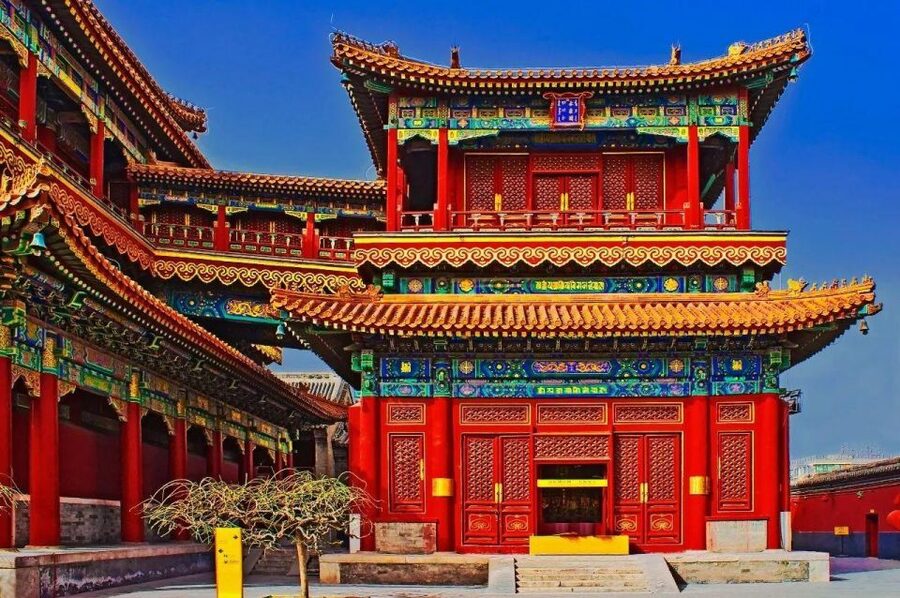
At $80 per person for a 4-hour tour, the value is mostly in what’s included. You get an English-speaking guide, hotel pickup, entrance fees, and the experience includes skip-the-ticket-line access. That combination matters. In Beijing, time lost at entrances is time you don’t get back, and entrances alone can be a small stress spike.
You also have an option that affects convenience: private transfer. If you choose that related option, private transfer is included. If you choose the option without private car, transfers and hotel drop-off aren’t included. In plain terms: if you hate coordinating transport after a temple day, the private-car option can be money well spent. If you’re comfortable using taxi or subway, you might be fine going that route.
For me, the biggest value piece is not the temples themselves. It’s the translation of what you see into something you can understand quickly: why Lama Temple’s big wooden Buddha matters, what Guozijian’s 1306 origin signals, and how hutong alleys connect to daily Beijing life.
If you’re visiting Beijing for the first time and want a “culture-and-neighborhood” blend without spending a full day figuring out logistics, this price starts to look fair.
How the 4-hour plan flows (and where you can get more out of it)
The tour starts with your guide meeting you in your hotel lobby with a sign showing your name. Then you head to Lama Temple—either by taxi or subway, with a private car option if you want it easier.
At Lama Temple, you move through courtyards and halls with your guide. You’re guided to admire Buddhist statues and learn the stories behind them. The route then turns you toward the standout Maitreya Buddha, the one carved from a single white sandalwood log from Nepal, described as the biggest wooden Buddha in the world. After that, you head toward the quieter pace of hutong lanes.
Next is Temple of Confucius and the Guozijian Museum. Your guide keeps you moving through the imperial college spaces so you understand what’s being shown and why it’s tied to the Yuan, Ming, and Qing eras. Then you stroll hutong allays in the area to learn local street history and day-to-day life.
It ends with a built-in “you decide next” moment. You can spend more time on your own, and your guide can suggest how to reach your next destination. If you want food to wrap up the cultural day, there’s also an option to combine the tour with a dim sum meal.
My practical advice: decide in advance if you want photos or learning. If you want both, don’t treat the day like a sprint. Give each stop one moment where you stop moving and look—especially in Lama Temple halls. That’s where the guide’s explanations will land.
Who should book this tour
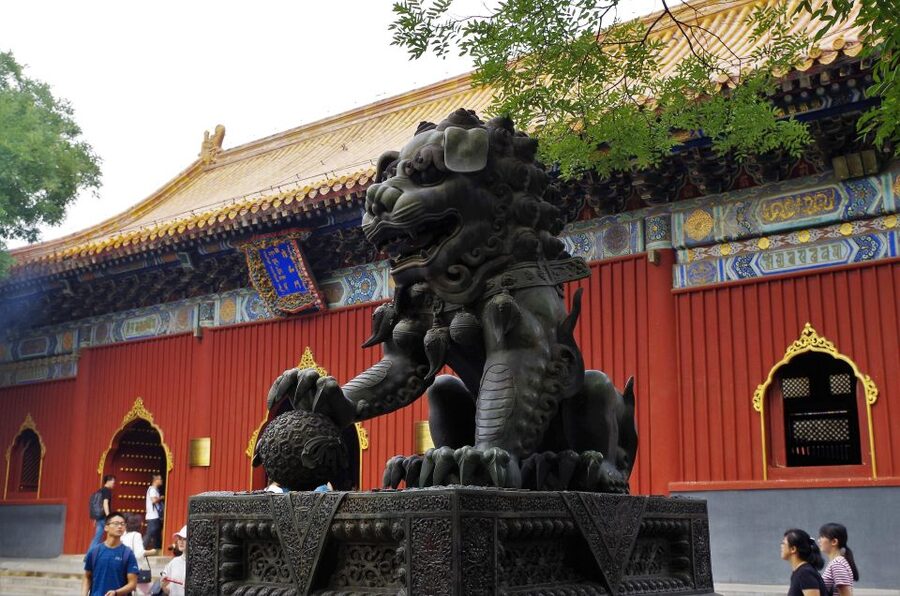
This tour fits best if you:
- Want three major stops without planning every transport step
- Like a guide who can explain what you’re seeing in clear English
- Prefer a mix of famous temples plus a real-feeling neighborhood walk in hutong alleys
- Have limited time and want a plan that feels efficient without feeling rushed
It may be less ideal if you only want one type of experience. If you want pure spectacle, focus on temples only. If you want pure modern city life, you may find the academic and temple parts a bit more reflective than you expected.
Should you book Fun Beijing Travel’s Lama Temple–Confucius–Guozijian tour?
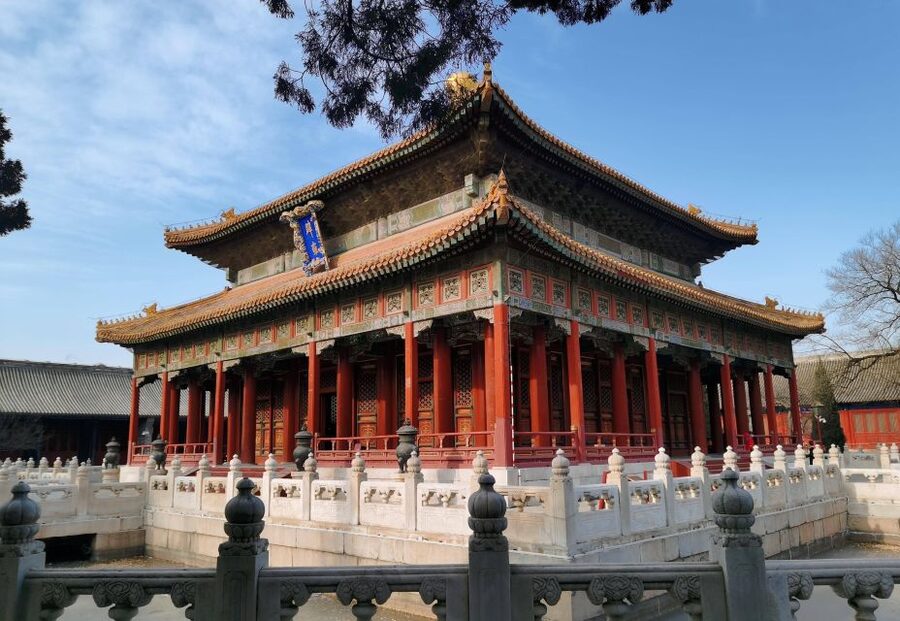
If your goal is a smart first taste of Beijing culture—Buddhist art, Confucian learning, and everyday hutong lanes—this is an easy yes. The included guide and skip-the-ticket-line help you get more meaning per minute, and the hutong portion gives you a refreshing contrast after temple crowds.
I’d book it if you value context and clean communication, especially if you’d like your day shaped by a guide rather than by maps and guesswork. If your priority is maximum time for photos with zero walking, you might want a longer, slower option. But for a 4-hour, guide-led “see it, understand it, then walk the neighborhood” outing, this one makes practical sense.
FAQ
How long is the tour?
The duration is 4 hours.
Is an English-speaking guide included?
Yes. The tour includes an English-speaking live guide.
Does the tour include entrance fees?
Yes. Entrance fees are included.
Is there skip-the-ticket-line service?
Yes, skip the ticket line is included.
Do I need private transfer and hotel drop-off?
Hotel pickup is included. Private transfer is included only if you choose the related option. Transfer and hotel drop-off are not included if you choose the option without private car.
Can I cancel for a refund?
Yes. Free cancellation is available up to 24 hours in advance for a full refund.
Under One Roof: Beijing Museums
- Beijing: Tianmen Square, Forbidden City & Royal Museum Tours
★ 4.6 · 1,288 reviews - Beijing:Jingshan Park (Palace Museum Garden) Ticket
★ 4.5 · 185 reviews - Beijing Half Day: National Museum of China In-depth Tour with Subway Transfer
★ 5.0 · 70 reviews - Beijing’s Forbidden City with Special Viewing of Treasure Gallery and the Great Wall Ruins at Badaling
★ 4.5 · 24 reviews - China National Museum Ticket Pre-booking and Tiananmen Square
★ 3.5 · 23 reviews - 4-Hour Private Tour: Lama Temple, Confucius Temple, Guozijian Museum with Dim Sum
★ 5.0 · 21 reviews
More Tour Reviews in Beijing
- From Beijing: Mutianyu Great Wall Tours with Options
★ 4.9 · 9,216 reviews - Beijing: Forbidden City Tour(Group/Private)-Tickets Included
★ 4.8 · 7,974 reviews - Beijing: T-Square & Forbidden City Group or Private Tour
★ 4.8 · 4,446 reviews - All-Inclusive Tour: Tiananmen Square, Forbidden City, Great Wall
★ 5.0 · 2,873 reviews - MuBus: Mutianyu Great Wall ENG/ESP/RUS Guided Bus Tour
★ 5.0 · 2,361 reviews - 4-Hour Small Group Tour to Forbidden City with Entry Tickets
★ 5.0 · 1,863 reviews
Beijing's Temple Quarter
- Temple Heaven, Lama Temple, Summer Palace & Peking Duck Bus Tour
★ 5.0 · 377 reviews - Temple Heaven, Summer Palace, Lama Temple, Hutong Bus Tour
★ 4.7 · 319 reviews - Temple of Heaven, Summer Palace, Lama Temple, Hutong Tours
★ 5.0 · 311 reviews - Beijing: Lama Temple (Yonghe Temple) Admission Ticket
★ 4.8 · 297 reviews - Beijing Historical Tour II including Summer Palace, Lama Temple & Panda Garden
★ 4.0 · 187 reviews - Beijing: Yonghe Lama Temple Entry Ticket
★ 4.5 · 147 reviews
Just In: More Beijing Tours to Browse



Lama & Confucius Temples, compared.
 ★ 5.0Temple Heaven, Lama Temple, Summer Palace & Peking Duck Bus TourFrom $56377 reviews
 ★ 4.7Temple Heaven, Summer Palace, Lama Temple, Hutong Bus TourFrom $58319 reviews
 ★ 5.0Temple of Heaven, Summer Palace, Lama Temple, Hutong ToursFrom $99311 reviews
 ★ 4.8Lama Temple (Yonghe Temple) Admission TicketFrom $10297 reviews
 ★ 4.0Beijing Historical Tour II including Summer Palace, Lama Temple & Panda GardenFrom $93187 reviews
 ★ 4.5Yonghe Lama Temple Entry TicketFrom $9147 reviews
 ★ 3.7Beijing Lama temple ticket; #1 efficacious; limited DiscountFrom $10116 reviews
 ★ 4.4Confucius Temple and the Impercial College E-ticketFrom $792 reviews
Browse the lists this tour appears in