
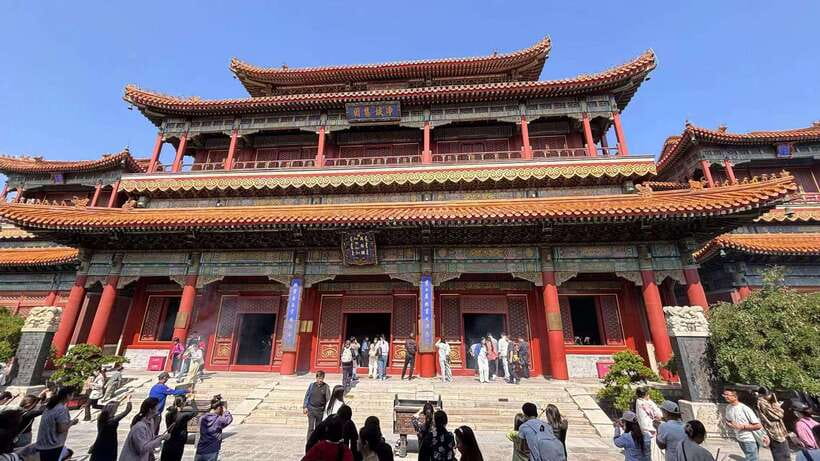
Reviewed · LAMA & CONFUCIUS TEMPLES
Beijing: Yonghe Lama Temple Entry Ticket
A famous gate and a quick scan. That’s the feeling you get with the Yonghe Lama Temple entry ticket—simple on the outside, meaningful once you’re inside. I like that you can use the QR code + passport to get in fast, and I like that this is Beijing’s main Buddhist temple complex with deep roots, often described as the largest and best-preserved lamasery in modern China. One thing to think about: this is a ticket-style visit, so you’ll want to spend your energy reading what you see and taking your time rather than expecting a full guided storyline.
In about 2 hours, you can get a satisfying overview of the Yonghe Lamasery grounds and its religious atmosphere without turning the day into an all-day project. The biggest plus is how easy the entry is, and the biggest question mark is whether you’ll be the type of traveler who’s happy with self-paced exploring instead of a set itinerary with stops and explanations.
In This Review
- Key things to know before you go
- Yonghe Lamasery at a glance: what you’re actually entering
- Ticket value: $9 entry, QR code, and passport checks
- Two hours inside: how to pace a self-guided visit
- A realistic drawback
- History you can connect to what you see on-site
- Getting there from central Beijing: subway and bus options that work
- Subway (fastest for most people)
- Bus (good if you’re already near a stop)
- Who this is best for (and who should adjust expectations)
- Should you book the Yonghe Lama Temple entry ticket?
- FAQ
- FAQ
- How do I enter Yonghe Lama Temple with this ticket?
- Is the Get your guide QR code valid for this activity?
- How long should I plan for my visit?
- What’s included in the ticket price?
- Can I get there by subway, and which lines should I use?
- Is the site wheelchair accessible?
Key things to know before you go
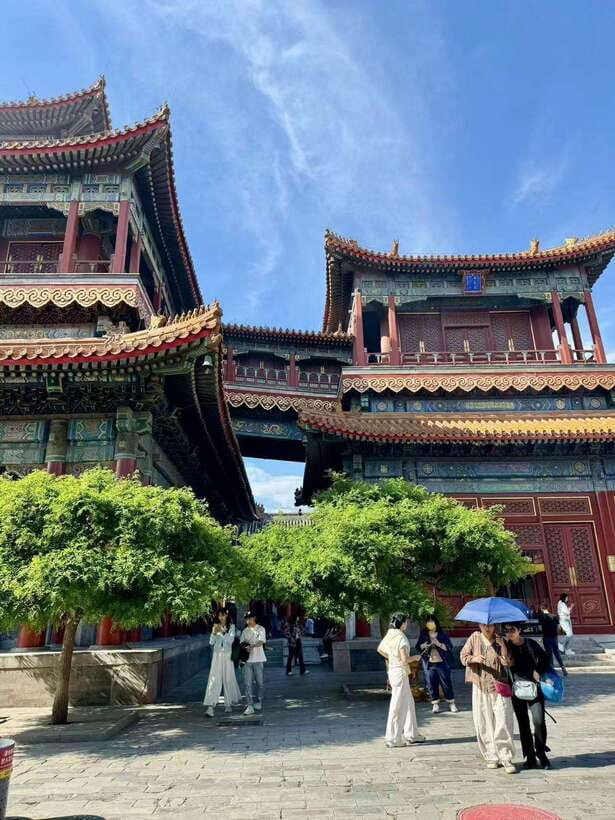
- QR entry with passport: your ticket access is tied to your ID at the gate.
- Skip the ticket line: you’re aiming to avoid the slowest part of the visit.
- Beijing’s principal Buddhist temple: this isn’t a small side site.
- Largest, best-preserved lamasery in present-day China: a big deal for a reason.
- Tibetan + Chinese monastic influence: history shaped the look and feel you’ll notice.
- Wheelchair accessible: the complex is listed as accessible.
Incense and old cypresses, more temple mornings
Yonghe Lamasery at a glance: what you’re actually entering
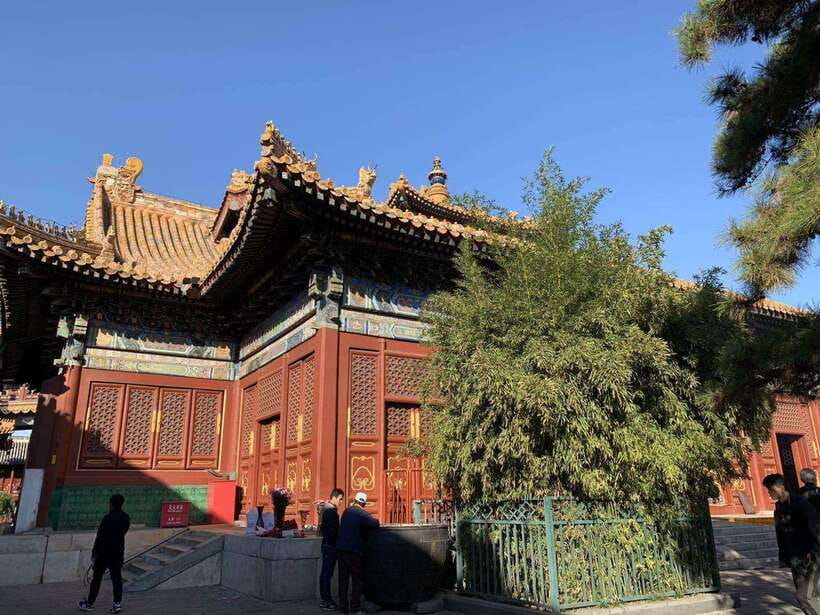
The Yonghe Lama Temple is also known as the Yonghe Lamasery, and it’s one of the key Buddhist temple sites in Beijing. It’s described as the principal and largest Buddhist Temple in the city. In other words, don’t treat it like a quick photo stop you can rush through on your way to something else.
What makes it interesting is that the site is both religious and political in origin. It began in 1694, linked to the city wall and to Emperor Yongzheng’s earlier status (before he rose to the throne in 1722). Later, during the Qing dynasty, the complex took on a distinctly monastic role. That mix helps explain why the place can feel grand and ceremonial—not just quiet or purely museum-like.
Also, the lamasery is known today as a major center of Buddhism outside of Tibet. You’re not visiting a random temple. You’re visiting a flagship.
Ticket value: $9 entry, QR code, and passport checks
The price is listed as $9 per person for the Yonghe Lama Temple entry ticket, with an additional booking services charge included in what you pay. For Beijing temple entry, that’s a straightforward value proposition, especially because you also get skip the ticket line.
Here’s the practical part that can save you stress: you’re expected to enter using your QR code and your passport. That means you should keep your passport handy and make sure the same passenger identity that matches your ticket details is what you bring to the gate.
One more important note: the listing says the Get your guide QR is not valid. Instead, check your email or WhatsApp for the correct QR code. This is the kind of detail that can ruin a morning if you ignore it, so do it the day before you go.
If you’re thinking about it as a time-saving purchase, that’s exactly what it is. You’re not paying for a complicated tour. You’re paying to reduce friction at the entrance and get onto the temple grounds with less waiting.
Two hours inside: how to pace a self-guided visit
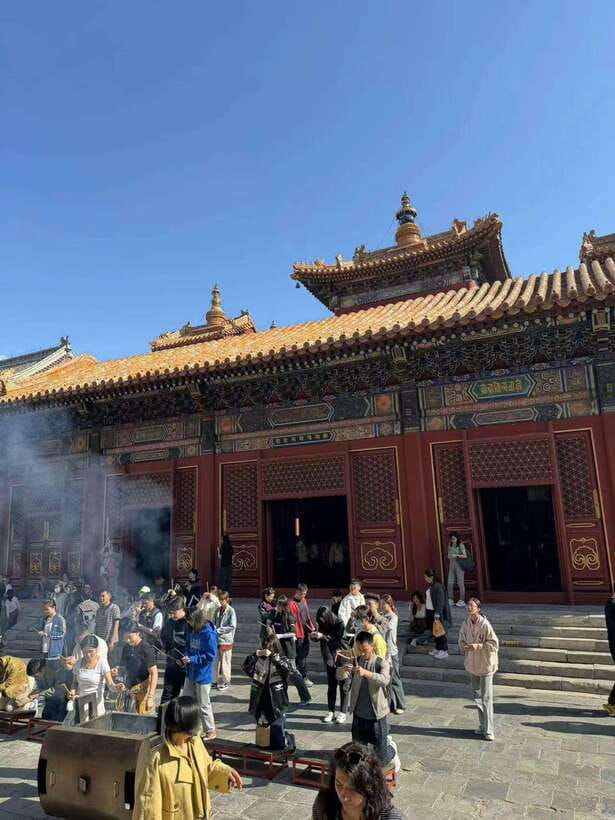
This experience is scheduled for 2 hours. That time window works well if you want a real look without burnout, and it also fits neatly into a day that already includes other major Beijing sites.
Since this is an entry ticket experience (not a timed performance), your “itinerary” is really your walking rhythm. I’d pace it like this:
- Start with orientation at the entrance area
Use the first few minutes to get oriented before you hit the busiest paths. When you have a fixed time like 2 hours, this small habit helps you avoid zig-zagging.
- Spend time absorbing the ceremonial feel
You’ll likely notice that the lamasery has an atmosphere built for quiet reflection and structured ritual space. Even without a formal guide, you can get a lot by simply slowing down and watching how the site is used.
- Watch for the Tibetan–Chinese influence that history created
The complex became home to 300 Tibetan monks and 200 Chinese students in 1744. That detail matters because it’s not just a date—it hints at why you may notice a blend of traditions in the way religious life is represented through the site.
- Leave with context, not just photos
Try to connect what you saw to the story: it started with royal infrastructure, then became a temple and monastery, and later grew into a major Buddhist center outside Tibet.
A realistic drawback
Two hours can feel a bit tight if you get pulled into slow photography, long pauses at prayer areas, or if crowds are thick. The ticket helps with entry speed, but it can’t control crowd density once you’re inside. If you’re sensitive to crowds, plan for a calmer pace rather than expecting empty lanes.
Weigh these up before you book this Beijing tour:
- Beijing: Forbidden City Tour(Group/Private)-Tickets Included★ 4.8 · 7,974 reviews
- 4-Hour Small Group Tour to Forbidden City with Entry Tickets★ 5.0 · 1,863 reviews
- Beijing: Tiananmen Square Registration Service(Ticket)★ 4.5 · 1,704 reviews
- Beijing: The Temple of Heaven or Summer Palace Entry Ticket★ 4.6 · 1,286 reviews
- Beijing Forbidden City Ticket Booking (Optional: guide service)★ 5.0 · 1,263 reviews
History you can connect to what you see on-site
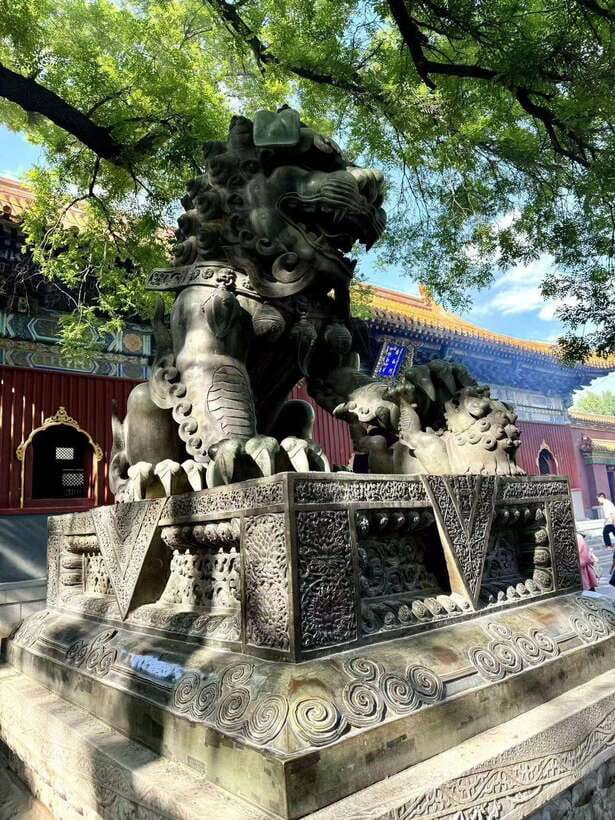
One reason Yonghe Lamasery is so compelling is that its origin story is unusually clear for a temple. You can connect dates and events to the feeling of the place.
- 1694: built as part of the city wall
The complex was built in 1694 as part of the city wall for Emperor Yongzheng, before he officially rose to the throne in 1722. That background helps explain the strength and permanence you may associate with large walled complexes.
- 1722: Yongzheng becomes emperor
After Yongzheng’s rise, the status of the structure shifted over time toward a more religious role.
- 1744: Qianlong brings monks and students
Emperor Qianlong sent for 300 Tibetan monks and 200 Chinese students in 1744, and they were housed in the palace. From then on, the dwelling served as a temple and monastery.
This matters for your visit because it turns the temple into more than architecture. The place reflects a deliberate cultural and religious project: Tibetan monastic presence plus Chinese study. When you walk through, that’s the lens to use. Instead of asking only what something looks like, ask what kind of community this was built to support.
The site is also described as one of the greatest centres of Buddhism outside Tibet in present understanding. That line isn’t just marketing. It’s a reminder that this lamasery was designed to matter.
Getting there from central Beijing: subway and bus options that work
Getting to Yonghe Lama Temple is pretty practical. You’ve got clear subway choices and several bus routes.
Subway (fastest for most people)
Take Subway Line 2 or Line 5 to Yonghegong (Yonghe Temple) Station. Exit at F, then walk south a few meters and turn east. The directions say you should arrive after about two minutes of walking.
Bus (good if you’re already near a stop)
You can also take buses including: 13, 116, 117, or 684 and get off at Yonghegong Station. Other options include getting off at:
- Yonghegong Qiao Dong Station (buses: 13, 18, 44, 75, 116, 684, Te 2, Te 12)
- Yonghegong Qiao Bei Station (buses: 117 or 125)
If you’re planning multiple stops that day, subway usually wins for reliability. Use bus when it saves you a transfer or gets you closer to your next destination.
Who this is best for (and who should adjust expectations)
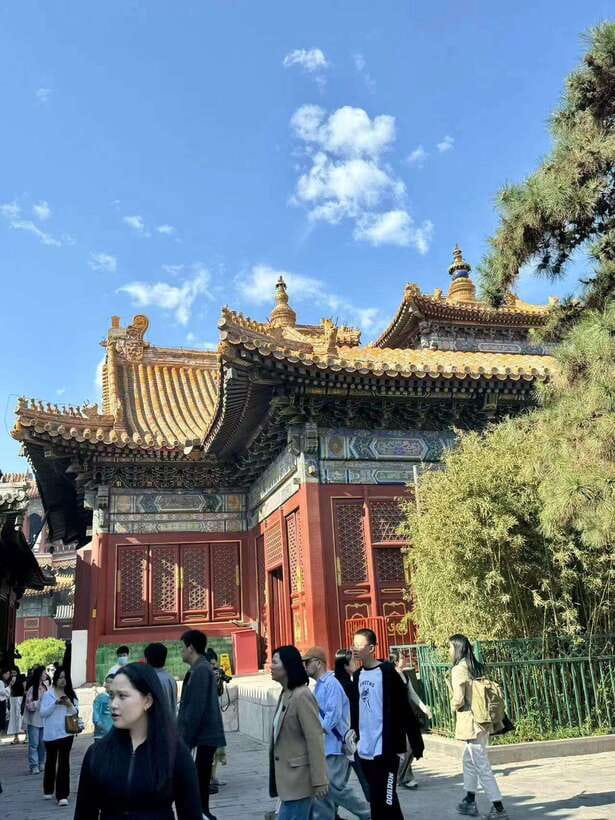
This ticket makes the most sense for travelers who want an efficient, meaningful temple visit without over-planning.
You’ll likely enjoy this if you:
- want to prioritize a major Beijing Buddhist site
- prefer self-guided wandering over a scripted group itinerary
- like the idea of a quick, timed visit you can fit into a full day
- want a straightforward entry method that reduces waiting
You might consider a different format if you:
- expect a deep guided narrative included with the ticket
- need extra time for crowd-free pacing (2 hours can feel short)
- are the kind of traveler who forgets to double-check your access QR code
The experience provider is listed as Andy’s private china tours, but based on what’s included here, what you’re buying is access and entry convenience—not a multi-stop tour program with named guide commentary.
Should you book the Yonghe Lama Temple entry ticket?
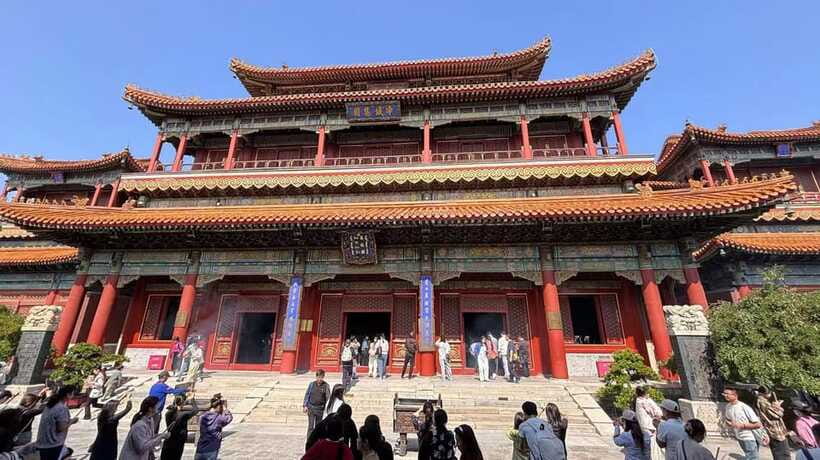
If your main goal is to see Beijing’s biggest Buddhist lamasery without wasting time at the door, I’d say yes, book it. The $9 price is fair for a ticket that includes skip-the-line access and simple QR entry, and the 2-hour duration is long enough to get a real feel for the site.
Book it especially if you’ll be moving through central Beijing and want a reliable, quick win. The one big caution is the QR code detail: the Get your guide QR is not valid, so make sure you use the correct QR you receive by email or WhatsApp.
FAQ
FAQ
How do I enter Yonghe Lama Temple with this ticket?
You enter by using the QR code and your passport. The QR code is needed for access, and your passport is used at entry.
Is the Get your guide QR code valid for this activity?
No. The information says the Get your guide QR is not valid. Check your email or WhatsApp for the right QR code.
How long should I plan for my visit?
The duration is listed as 2 hours. That’s the window you should plan around.
What’s included in the ticket price?
The Yonghe Lamasery ticket is included, along with the ticket booking services charge.
Can I get there by subway, and which lines should I use?
Yes. Take Subway Line 2 or Line 5 to Yonghegong (Yonghe Temple) Station, then exit from Exit F and walk about two minutes.
Is the site wheelchair accessible?
Yes. The activity is listed as wheelchair accessible.
Tickets and Fast-Track Entry
- Beijing: Forbidden City Tour(Group/Private)-Tickets Included
★ 4.8 · 7,974 reviews - 4-Hour Small Group Tour to Forbidden City with Entry Tickets
★ 5.0 · 1,863 reviews - Beijing: Tiananmen Square Registration Service(Ticket)
★ 4.5 · 1,704 reviews - Beijing: The Temple of Heaven or Summer Palace Entry Ticket
★ 4.6 · 1,286 reviews - Beijing Forbidden City Ticket Booking (Optional: guide service)
★ 5.0 · 1,263 reviews - Beijing: Mutianyu Gt Wall Trip, Depart 8-10am Bus w/ Tickets
★ 4.9 · 1,256 reviews
More Tour Reviews in Beijing
- From Beijing: Mutianyu Great Wall Tours with Options
★ 4.9 · 9,216 reviews - Beijing: Forbidden City Tour(Group/Private)-Tickets Included
★ 4.8 · 7,974 reviews - Beijing: T-Square & Forbidden City Group or Private Tour
★ 4.8 · 4,446 reviews - All-Inclusive Tour: Tiananmen Square, Forbidden City, Great Wall
★ 5.0 · 2,873 reviews - MuBus: Mutianyu Great Wall ENG/ESP/RUS Guided Bus Tour
★ 5.0 · 2,361 reviews - 4-Hour Small Group Tour to Forbidden City with Entry Tickets
★ 5.0 · 1,863 reviews
Beijing's Temple Quarter
- Temple Heaven, Lama Temple, Summer Palace & Peking Duck Bus Tour
★ 5.0 · 377 reviews - Temple Heaven, Summer Palace, Lama Temple, Hutong Bus Tour
★ 4.7 · 319 reviews - Temple of Heaven, Summer Palace, Lama Temple, Hutong Tours
★ 5.0 · 311 reviews - Beijing: Lama Temple (Yonghe Temple) Admission Ticket
★ 4.8 · 297 reviews - Beijing Historical Tour II including Summer Palace, Lama Temple & Panda Garden
★ 4.0 · 187 reviews - Beijing Lama temple ticket; #1 efficacious; limited Discount
★ 3.7 · 116 reviews
Just In: More Beijing Tours to Browse


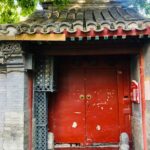
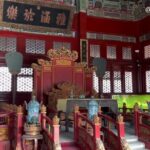

Lama & Confucius Temples, compared.
 ★ 5.0Temple Heaven, Lama Temple, Summer Palace & Peking Duck Bus TourFrom $56377 reviews
 ★ 4.7Temple Heaven, Summer Palace, Lama Temple, Hutong Bus TourFrom $58319 reviews
 ★ 5.0Temple of Heaven, Summer Palace, Lama Temple, Hutong ToursFrom $99311 reviews
 ★ 4.8Lama Temple (Yonghe Temple) Admission TicketFrom $10297 reviews
 ★ 4.0Beijing Historical Tour II including Summer Palace, Lama Temple & Panda GardenFrom $93187 reviews
 ★ 3.7Beijing Lama temple ticket; #1 efficacious; limited DiscountFrom $10116 reviews
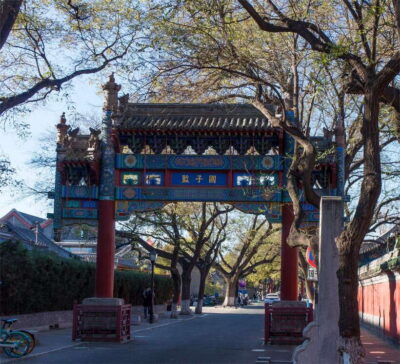 ★ 4.4Confucius Temple and the Impercial College E-ticketFrom $792 reviews
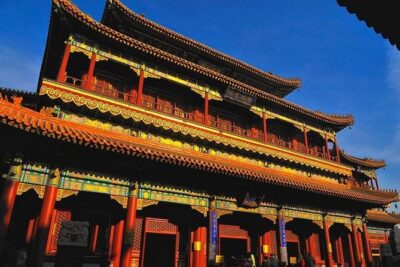 ★ 5.0Panda House, Temple of Heaven, Lama Temple, Summer Palace & LunchFrom $14877 reviews
Browse the lists this tour appears in