
Reviewed · CULTURAL SHOWS & PERFORMANCES
Beijing: Imperial Cuisine Experience & Cultural Performance
A meal built from imperial recipes, plus a show in Beijing. The Yuxiandu Imperial Cuisine Museum turns Chinese court dining into something you can actually experience, and I love how the museum walks through the evolution of imperial food over thousands of years. I also love the part where dinner is staged like a royal feast, so the flavors feel tied to the story. One thing to keep in mind is the price can feel steep for what it is, so it’s worth comparing options if you’re budget-minded.
This experience runs in a tight window, tied to set check-in and show times. If you’re the type who arrives late to everything, you’ll feel it here, because you need to be seated before the meal and performance begin.
In This Review
- Key things to know before you go
- What You’re Really Doing at Yuxiandu in Beijing
- The Museum Section: From Court Ritual to Imperial Dishes
- The Palace-Style Meal: A Set Menu Built for the Moment
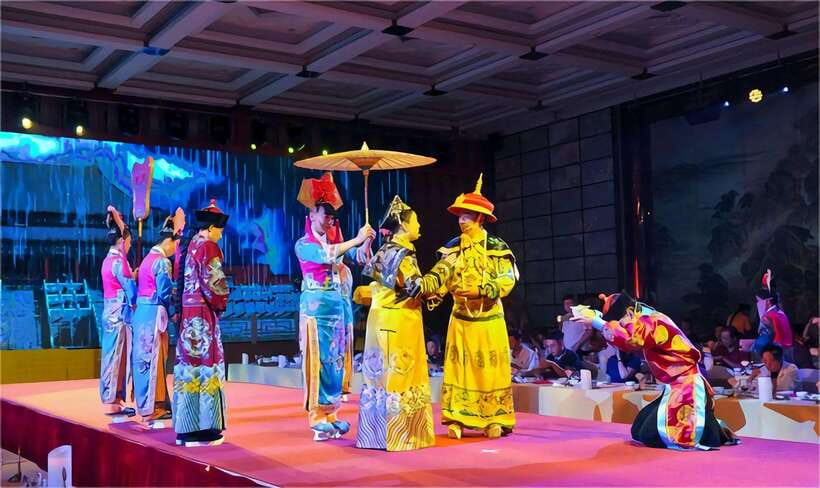
- The Cultural Performance: Music, Dance, and Period Flavor
- Timing That Actually Matters: Check-In Windows and Show Start
- Price and Value: Is $137 Worth It?
- Best Fit: Who Will Enjoy This the Most
- Practical Tips So You Don’t Waste Time
- Should You Book This Imperial Cuisine Experience?
- FAQ
- How long is the experience?
- What’s included in the price?
- What dishes are on the set menu?
- Is traditional costume or makeup transformation included?
- What time should I arrive for lunch or dinner?
- Do I need to bring the QR code to enter?
Key things to know before you go
- Museum + meal in one ticket: You’re not just eating; you’re learning while you do.
- Five millennia of royal cuisine: The museum frames imperial dishes across eras, ending with the Qing Dynasty.
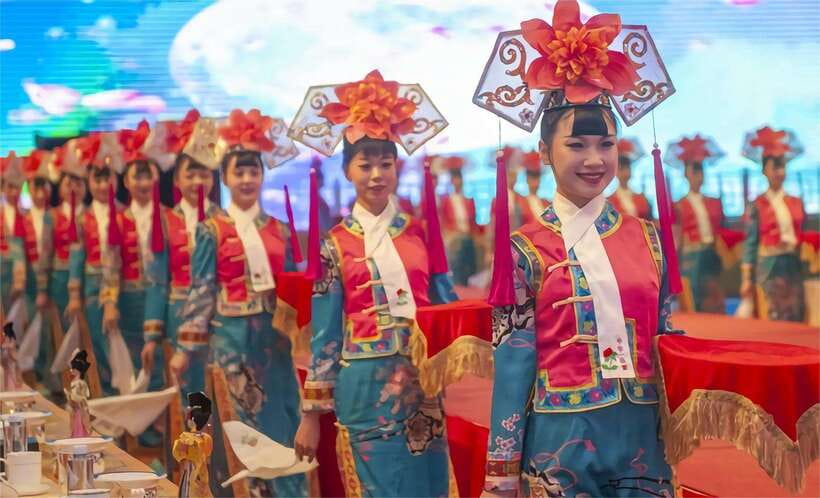
- A palace-style dining room: The setup is designed to feel like you’re at court, not in a generic restaurant.
- A scheduled cultural performance: The show starts right after the dinner check-in window.
- A specific, set menu: You’ll get a full sequence of classic imperial-style dishes.
- Not included costume or makeup: You’ll be watching the performance, not getting transformed.
Dynasty spectacle and royal feasts, more evenings out
What You’re Really Doing at Yuxiandu in Beijing
Yuxiandu is billed as an imperial cuisine museum, but the experience works more like a staged history lesson with dinner as the teaching tool. You spend time in the museum space first, then you move into the dining and performance flow. The key idea is simple: Chinese imperial cuisine isn’t treated like random fancy food. It’s framed as court culture, built on status, ritual, and technique.
This kind of setup is great if you like context. You don’t just sample dishes; you get a sense of how the court shaped cooking styles over long stretches of time. And if you’re a foodie who also likes stories, you’ll likely feel like the meal makes more sense than a standard dinner does.
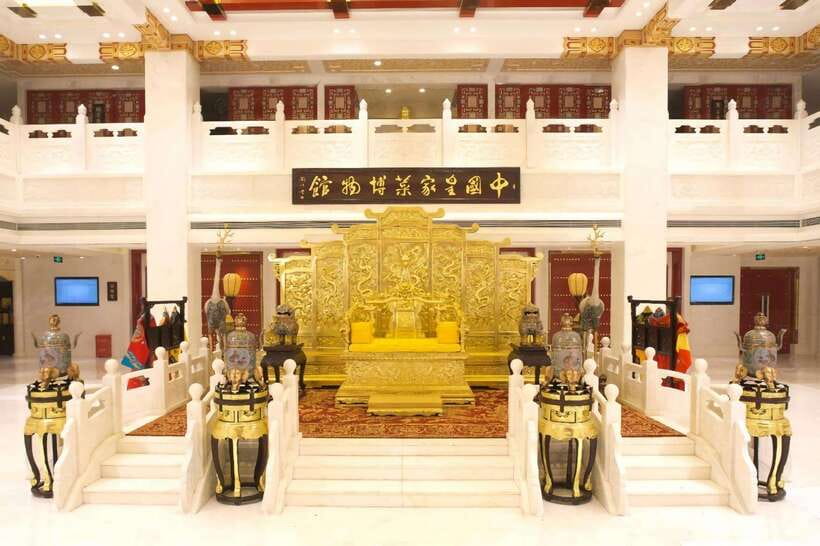
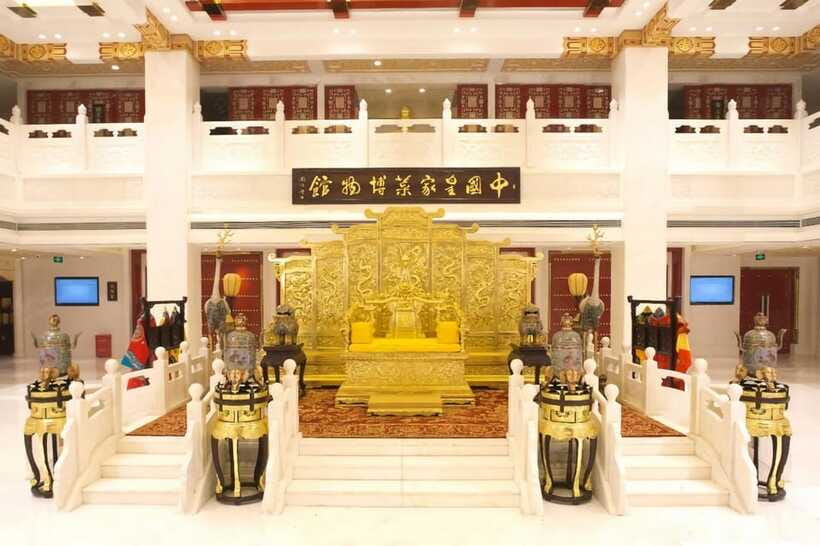
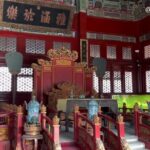
You’re also paying for staging. The dining room is designed to resemble an ancient palace setting. That matters because it changes how you experience the food. It won’t replace a real Ming or Qing courtyard meal (nothing does), but it’s a thoughtful attempt at atmosphere.
The Museum Section: From Court Ritual to Imperial Dishes
The museum is in Beijing’s Haidian District near Sijiqing Bridge, which is useful because it places the experience in a real part of the city, not some remote tourist bubble. The museum itself focuses on the evolution of Chinese royal dishes over what’s described as five millennia, with an end point that includes the Qing Dynasty.
Inside, you’ll see more than food posters and photos. The museum claims a collection of over a thousand historical artifacts, including dining utensils and valuable documents. That sort of display is what makes the experience feel like more than a themed restaurant. Even if you don’t read every label, you can still connect what you’re eating later to the idea that court dining used specific tools and had its own logic.
Here’s the part I’d watch for: how the museum explains dishes and chefs across different periods. The museum introduces renowned royal dishes and chefs from Chinese history, and it frames the stories behind meals prepared for emperors and their courts. When that’s done well, it turns a menu into a timeline.
Potential downside here is also practical: museum viewing is part of a fixed schedule. You won’t have unlimited time to wander at your own pace. If you love slow museum time—like hours of reading and comparing exhibits—this may feel more structured than you’d prefer.
The Palace-Style Meal: A Set Menu Built for the Moment
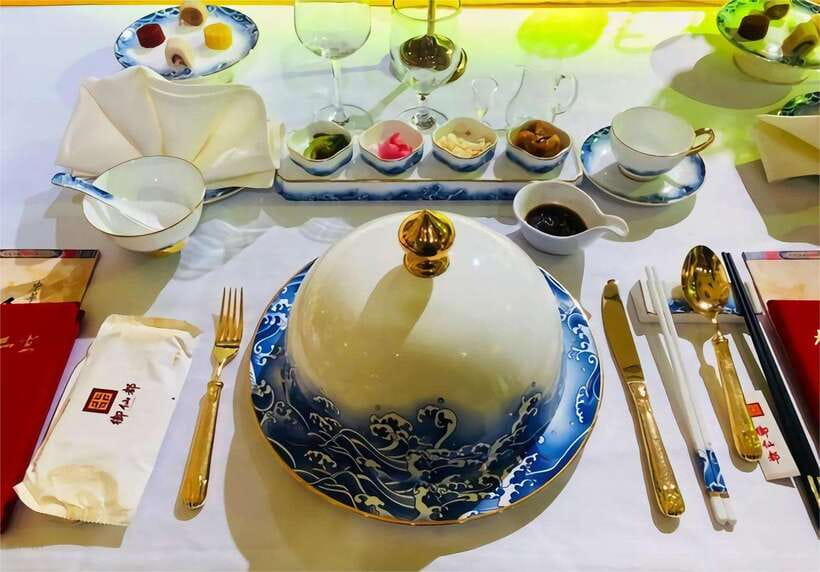
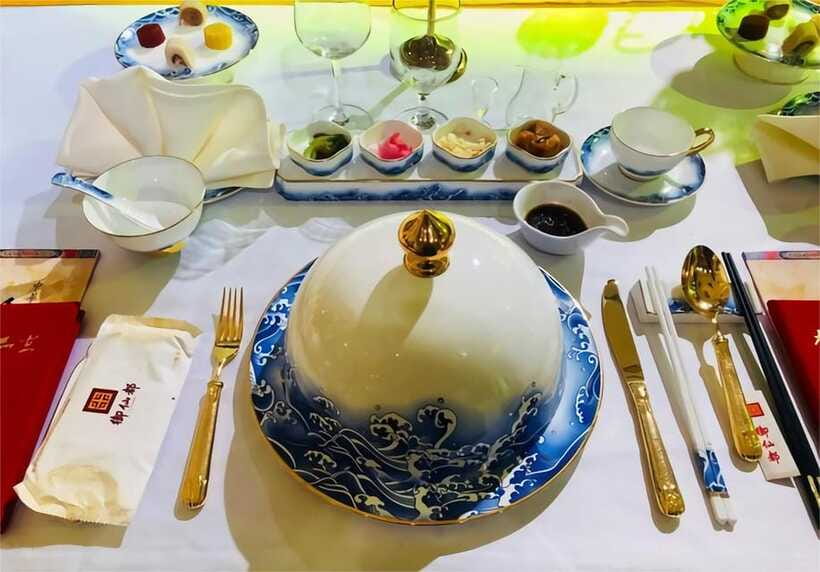
Your ticket includes the meal, and the dining experience is designed to replicate the kind of sumptuous royal meals once served to emperors and their courts. The room design is described as mirroring an ancient palace setting, and you’ll likely feel that shift the moment you sit down.
The menu is set, so you won’t be choosing from a large à la carte list. That’s both a pro and a con.
Pro: You get a full sequence, and it’s easier to understand the theme behind the meal.
Con: If you don’t eat certain foods (or you have strong preferences), you may have limited flexibility.
Here are the dishes listed for the menu sequence:
- Appetizer Platter
- Braised Sea Cucumber with Fish Maw in Casserole
- Marinated Tofu and Bamboo Shoots
- Roast Duck with Jujube Wood
- Chinese Cabbage in soup
- Roasted Lamb
- Longevity noodles with poached eggs
- Deep-fried dough sticks (youtiao) with milk
- Yogurt filled with honey
A few notes on how to approach this as a diner:
- Don’t treat it like “just get full.” Treat it like a guided tasting. The order matters, and the meal is built as a progression.
- Expect a mix of richer and lighter bites. Even with set menus, Chinese imperial-style cooking often balances textures: savory, tender, and then something comforting like noodles or dough sticks.
- The inclusion of both youtiao with milk and longevity noodles is a nice practical touch. It gives you something familiar enough to anchor the more unusual dishes for first-timers.
One more thing: because this meal is tied to show timing, pacing can feel intentional rather than leisurely. If you like taking your sweet time, you’ll want to manage your expectations going in.
The Cultural Performance: Music, Dance, and Period Flavor
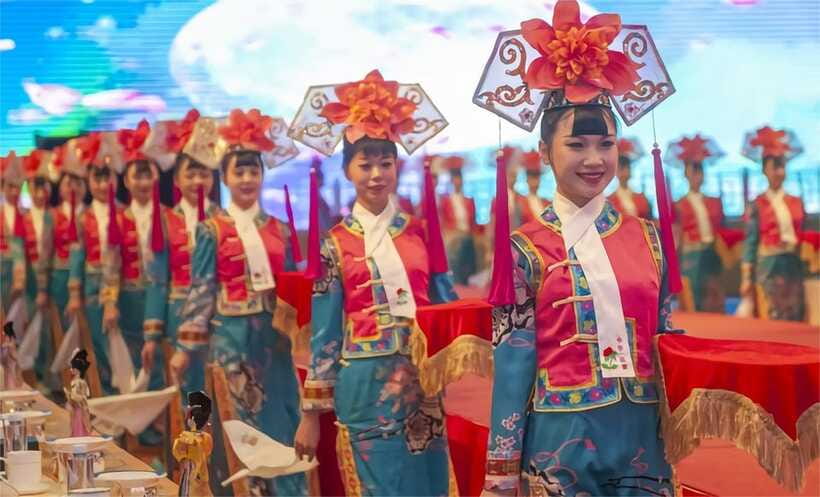
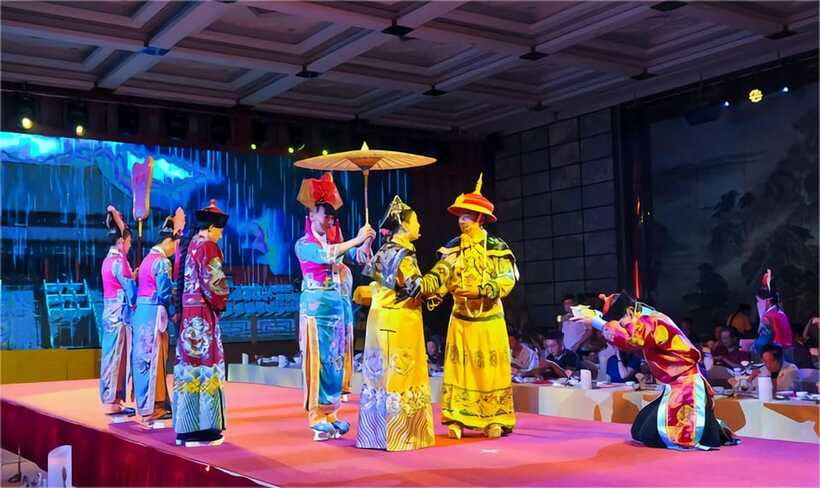
The performance is included, and it’s not just background music. The experience package pairs dinner with a cultural show, and the show is described as a historical performance featuring elements like traditional costumes, music, dance, colors, and a focus on Chinese flavors.
That’s the reason this works for many visitors: you get two kinds of storytelling in one sitting. The museum gives you the “how did food evolve” angle. The performance gives you the “how did court culture feel” angle.
From a value standpoint, this is important. Many dinner-only experiences are basically a restaurant with a fancy room. Here, you’re paying for both dining and an organized cultural program. It can make the evening feel more complete, especially if you want one ticket to cover more than just eating.
- From Beijing: Mutianyu Great Wall Tours with Options★ 4.9 · 9,216 reviews
- Beijing: Forbidden City Tour(Group/Private)-Tickets Included★ 4.8 · 7,974 reviews
- Beijing: T-Square & Forbidden City Group or Private Tour★ 4.8 · 4,446 reviews
- All-Inclusive Tour: Tiananmen Square, Forbidden City, Great Wall★ 5.0 · 2,873 reviews
- MuBus: Mutianyu Great Wall ENG/ESP/RUS Guided Bus Tour★ 5.0 · 2,361 reviews
Timing That Actually Matters: Check-In Windows and Show Start
This is the part that can make or break your evening. Your schedule isn’t vague. The ticket info includes specific check-in times and start times, and the experience expects you to be in the hall on time.
For the lunch session:
- Lunch ticket checking time: 11:38 AM
- Performance start: 12:10 PM
For the dinner session:
- Dinner ticket checking time: 6:28 PM
- Show beginning: 6:50 PM
What I recommend in real-world terms: arrive a few minutes early so you’re not stressed. The difference between “I made it” and “I’m seated before it starts” is often just a short buffer, but here that buffer matters.
Price and Value: Is $137 Worth It?
At $137 per person, this isn’t a cheap meal. So the only honest question is what you’re buying for that money.
You’re paying for:
- A museum experience that focuses on imperial cuisine over long historical stretches
- A set meal described as a royal feast replication
- A included cultural performance
If you were only interested in dinner, the price would be harder to justify. But because it bundles museum content and a show, it has more going for it than a standard restaurant night.
Also, I’ll point out a practical caution. Some online booking platforms can price these experiences higher than booking through other channels. If you’re cost-sensitive, compare options before you lock in. Even if you still choose the museum, comparing doesn’t hurt.
The best value scenario is when you want an evening that covers multiple interests: history + food + performance. If you only want one of those, look harder.
Best Fit: Who Will Enjoy This the Most
I think this experience is a strong match if:
- You want a structured cultural night with a clear theme
- You like learning while you eat, not just sampling dishes
- You’re okay with a set menu and want to experience “the whole picture”
- You enjoy performance-style cultural shows with costume and staged presentation
It might be less ideal if:
- You need a highly flexible menu
- You prefer slow, self-paced museum wandering
- You’re sensitive to foods like sea cucumber or fish maw (those are on the listed menu)
Also, it’s noted as not suitable for children under 2 years, so if you’re traveling with very young kids, plan around that.
Practical Tips So You Don’t Waste Time
A few details here save headaches:
- Your QR code from the booking platform isn’t your real ticket. Your actual ticket is sent by email, so check your inbox when you book.
- Plan to arrive before the check-in time, because the hall seating and meal/performance flow depend on you being ready when the schedule starts.
- The package does not include traditional costume or makeup transformation. If you’re hoping to try on a robe or get a face makeover, you’ll want another option or a separate add-on.
If you come in expecting a timed, staged experience rather than a freeform museum, you’ll probably enjoy it more.
Should You Book This Imperial Cuisine Experience?
Book it if you want one evening that combines imperial cuisine storytelling, a full palace-style meal, and a cultural performance that goes beyond generic dining ambiance. The museum-meal-show pairing is the magic here: it turns food into something you can connect to court culture.
Skip or shop around if you’re looking for the cheapest meal in Beijing, or if $137 feels hard to justify for a set menu and staged performance. In that case, compare booking channels and consider whether you’d rather spend that money on a food tour, a different museum visit, or a longer meal where you can choose dishes freely.
FAQ
How long is the experience?
The experience runs about 3 to 4 hours.
What’s included in the price?
Your ticket includes the meal and the cultural performance.
What dishes are on the set menu?
The menu includes items such as braised sea cucumber with fish maw, roast duck with jujube wood, roasted lamb, longevity noodles with poached eggs, youtiao with milk, and yogurt filled with honey, along with several other courses.
Is traditional costume or makeup transformation included?
No. Traditional costume and makeup transformation are not included.
What time should I arrive for lunch or dinner?
Lunch checking time is 11:38 AM with the performance starting at 12:10 PM. Dinner checking time is 6:28 PM with the show beginning at 6:50 PM. Arriving a few minutes early is recommended.
Do I need to bring the QR code to enter?
No. The QR code generated after you order is not your actual ticket. Your real ticket is sent to you via email, so check your inbox for details.
More Tour Reviews in Beijing
- From Beijing: Mutianyu Great Wall Tours with Options
★ 4.9 · 9,216 reviews - Beijing: Forbidden City Tour(Group/Private)-Tickets Included
★ 4.8 · 7,974 reviews - Beijing: T-Square & Forbidden City Group or Private Tour
★ 4.8 · 4,446 reviews - All-Inclusive Tour: Tiananmen Square, Forbidden City, Great Wall
★ 5.0 · 2,873 reviews - MuBus: Mutianyu Great Wall ENG/ESP/RUS Guided Bus Tour
★ 5.0 · 2,361 reviews - 4-Hour Small Group Tour to Forbidden City with Entry Tickets
★ 5.0 · 1,863 reviews
Beijing's Evening Spectacles
- Beijing Golden Mask Dynasty Show with Private Transfer
★ 5.0 · 98 reviews - Beijing: Traditional Cultural Show Peking Opera Tickets
★ 4.4 · 66 reviews - Beijing Royal Dinning Experience with cultural performance
★ 4.4 · 57 reviews - Beijing Culture: Tea Ceremony, Heritage Instrument & Calligraphy
★ 5.0 · 57 reviews - Beijing Night Golden Mask Dynasty Show Ticket with Guide and Pickup
★ 5.0 · 26 reviews - Beijing Golden Mask Dynasty Show Discount Tickets
★ 5.0 · 12 reviews
Just In: More Beijing Tours to Browse


Cultural Shows & Performances, compared.
 ★ 5.0Beijing Golden Mask Dynasty Show with Private TransferFrom $6698 reviews
 ★ 4.4Traditional Cultural Show Peking Opera TicketsFrom $2866 reviews
 ★ 4.4Beijing Royal Dinning Experience with cultural performanceFrom $9957 reviews
 ★ 5.0Beijing Culture: Tea Ceremony, Heritage Instrument & CalligraphyFrom $7857 reviews
 ★ 5.0Beijing Night Golden Mask Dynasty Show Ticket with Guide and PickupFrom $6626 reviews
 ★ 5.0Beijing Golden Mask Dynasty Show Discount TicketsFrom $3912 reviews
 ★ 5.0Beijing OCT Theater Golden Mask Dynasty Show TicketsFrom $4011 reviews
 ★ 4.8Golden Mask Dynasty(Oriental Mythology)Show TicketsFrom $4110 reviews
Browse the lists this tour appears in