
Reviewed · CHINESE CALLIGRAPHY CLASSES
Beijing Culture: Tea Ceremony, Heritage Instrument & Calligraphy
Forget the crowds; try living Chinese tradition. This 2.5-hour workshop in Beijing puts you in a quiet, air-conditioned heritage space (not a theater) where tea, Guqin, and calligraphy are taught by top practitioners in English.
I especially like two things. First, the Guqin lesson is not just a performance: you learn with guidance and play along during the session. Second, the tea ceremony is paced and explained by a certified tea master, so you’re tasting with context, not just checking off a ritual.
One consideration: this is a calm, hands-on cultural workshop, not a fast sightseeing hit. If you prefer loud, high-energy attractions, you might find the pace a little slow.
In This Review
- Key highlights before you go
- A Quiet Private Venue at 813 Creative Park
- Tea, Guqin, and Calligraphy: Three Core Skills, One Flow
- The Tea Ceremony: Warm Tea With Real Context
- Guqin Music Lesson: Listening, Then Playing a Full Melody
- Calligraphy Workshop: Writing Strokes With Meaning
- Traditional Outfit Rental: A Photo Moment With Purpose
- Price and Value: What $78.60 Buys You
- Logistics That Keep the Day Easy
- Who Should Book This Workshop, and Who Might Not
- Should You Book This Beijing Heritage Tea, Guqin & Calligraphy Workshop?
- FAQ
- What is the duration of the Beijing tea ceremony, Guqin, and calligraphy experience?
- Where does the experience start and end?
- How many people are in the group?
- What’s included in the price?
- Is transportation included?
- Do I need to know Chinese to participate?
- What should I do about meals?
- Is it air-conditioned?
- Is there a cancellation policy?
- Is the experience affected by weather?
Key highlights before you go
- A private, public-off-limits venue: a heritage space closed to the general public, designed for learning rather than foot traffic
- Small group, up to 8 people: plenty of attention for calligraphy and instrument basics
- Tea, Guqin, and calligraphy in one session: three core skills taught back-to-back
- National-level cultural masters + English guidance: including a bilingual guide with an M.A. in History & Sociology
- Traditional outfit rental for ritual and photos: a fun way to step into the moment
- Air-conditioned comfort: you’re learning indoors, even when Beijing weather is doing its own thing
Brush, ink and rice paper, more quiet hours
A Quiet Private Venue at 813 Creative Park
The meeting point is at 813 Creative Park in Chaoyang, and the activity starts and ends back there. That matters more than you might think, because it keeps the experience simple: you’re not weaving through multiple stops or relying on complicated internal transfers.
The setting is described as a serene, air-conditioned heritage venue that’s closed to the public. In plain terms, you’re walking into a place built for practice and conversation, not for constant walking-by. And because the group is capped at 8 travelers, the room feels more like a classroom than a stage.
Several guests talk about the atmosphere being calm and beautifully decorated, tucked away from the busy city. I like experiences like that in Beijing, because it gives your day a reset button. You also get a mobile ticket, so you’re not juggling paper or screenshots once you’re on-site.
Tea, Guqin, and Calligraphy: Three Core Skills, One Flow
This workshop focuses on three pillars of Chinese culture: Chinese tea ceremony, playing the Guqin (an ancient zither), and calligraphy using a brush.
The value here is that you’re not just watching. You’re tasting, listening, and then putting your hands to the work. The session is designed around understanding, not memorizing. A big theme is meaning: why the ritual is done a certain way, and what the traditions are trying to express.
From the way the session is described and how guests experience it, the flow usually goes something like this: you start with tea, then move to Guqin (including a live performance and a learning segment), and finish with calligraphy. That order feels logical: tea settles you, Guqin trains your attention, then calligraphy gives you a physical way to slow down and focus.
The Tea Ceremony: Warm Tea With Real Context
Tea ceremonies in tourist settings often turn into a quick tasting with a few stock lines. This one aims higher. You’re guided by a certified tea master during the traditional tea ceremony and tea tasting.
What I like about this part is that it’s not only about drinking. It’s about rhythm and attention—how water, temperature, pouring, and scent all change the experience. Guests describe it as soothing, purposeful, and slightly meditative. That’s a good sign. When a tea ceremony is done well, it stops being an activity and starts being a breather.
Practical tip: treat the tea tasting like a slow conversation with the cup. Take the time to smell before you sip. If you’re the type who wants to rush through everything in a foreign country, this is the moment where you’ll probably have to slow your brain down. The payoff is that you’ll remember the feeling long after you forget what you ate near your hotel.
Also, even though meals aren’t included, you do get tea snacks as part of the experience. So you’re not stepping into a long cultural program on an empty stomach.
Guqin Music Lesson: Listening, Then Playing a Full Melody
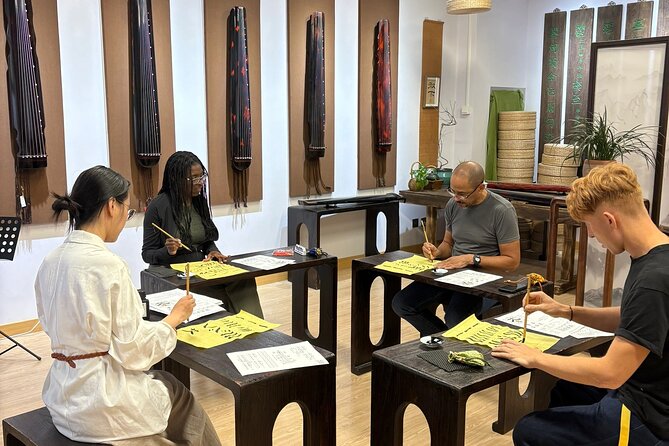
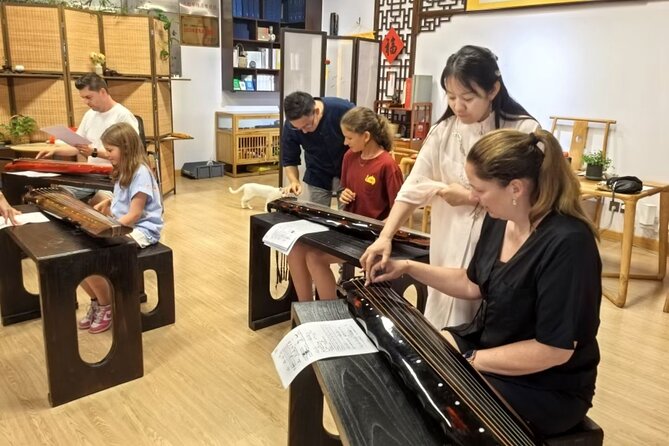
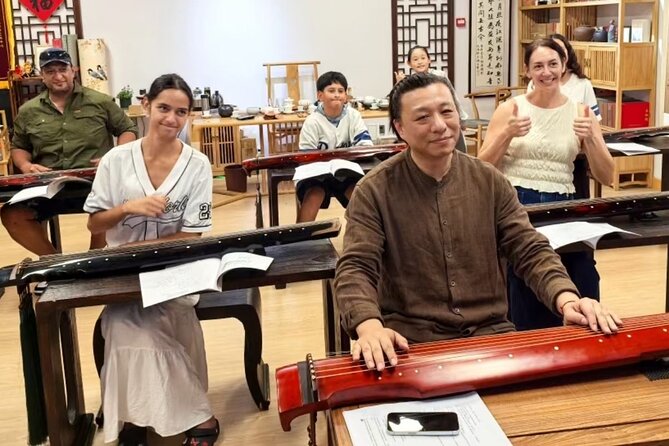
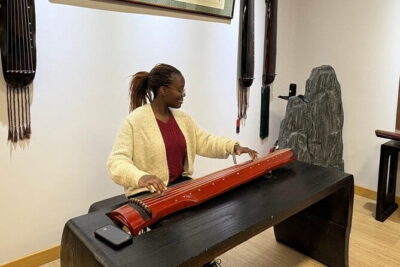
The Guqin portion is two-part: there’s a live Guqin performance by a national-level heritage artist, followed by a hands-on Guqin learning session.
Here’s the big difference between this and most “see it, clap it, leave it” cultural performances: the goal isn’t passive appreciation only. You get coaching to play. Guests describe the session as personal—especially the moment where the master guides your fingers. That kind of tactile instruction is rare on tours, and it’s often the part that feels most memorable.
You’re learning to play a full melody on the Guqin. That matters because it’s not just learning a grip or plucking a single note for your photos. A full melody gives you a structure to work with and something coherent to take away, even if you don’t become the next household name Guqin player.
What you should expect emotionally: quiet focus. Several people mention feeling moved or even goosebumps from how intimate the music felt in that calm room. If you go in expecting a flashy show, you’ll miss the point. If you go in ready to listen closely, you’ll get a different kind of satisfaction.
Slow pours and warm cups, more tea sittings
- Traditional Chinese Tea Ceremony Experience★ 4.7 · 74 reviews
- Beijing Culture: Tea Ceremony, Heritage Instrument & Calligraphy★ 5.0 · 57 reviews
- Beijing Culture Event: Tradition Music, Tea Ceremony, Calligraphy★ 5.0 · 11 reviews
- Beijing: Temple Of Heaven+Tai Chi Class+Tea Ceremony★ 5.0 · 8 reviews
- Traditional Chinese Tea Ceremony Experience★ 5.0 · 7 reviews
Calligraphy Workshop: Writing Strokes With Meaning
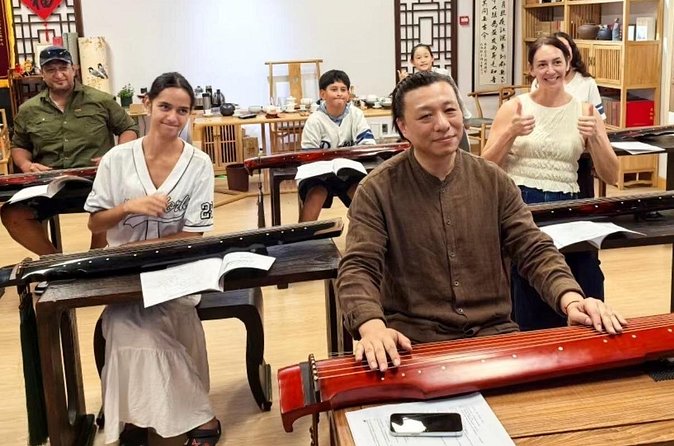
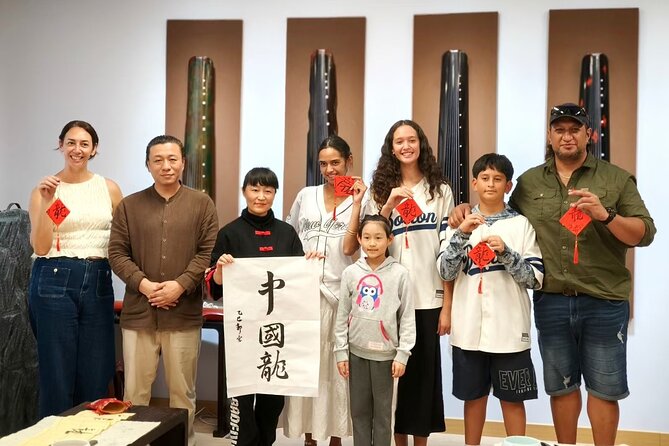
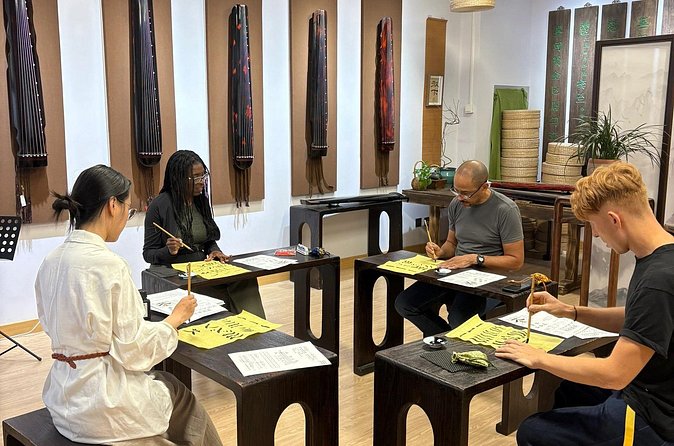
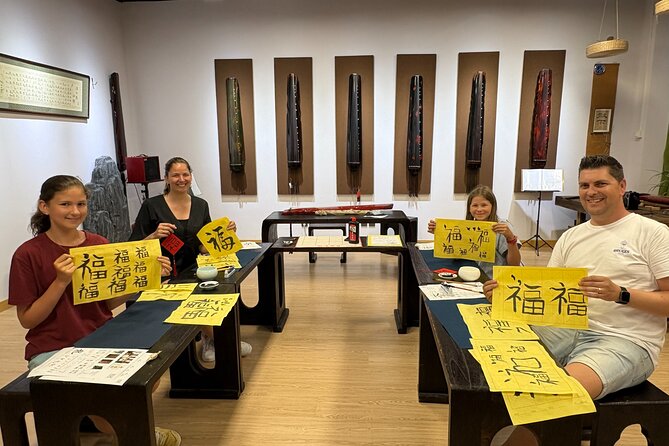
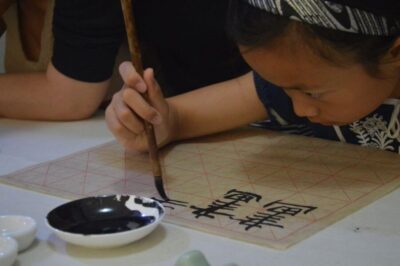
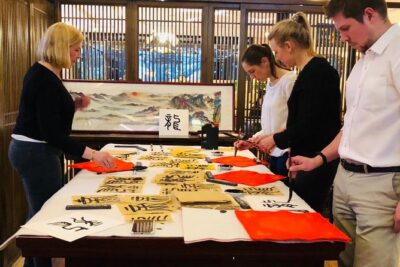
The calligraphy workshop is guided by an expert, using traditional brush-and-paper technique. This is the part where many first-timers realize calligraphy isn’t just handwriting with fancy vibes—it’s control, patience, and understanding the shape of meaning.
The training goal is to write real Chinese characters and understand their ancient roots. In practice, that likely means you’ll be taught how strokes start, how they move, and what makes them look right. Don’t worry if you’ve never held a calligraphy brush before. Several guests say you don’t need prior knowledge—you can still love the session.
One extra detail that shows up in guests’ experiences: the teacher may help you write your Chinese name, and you might be able to take the written paper home (so you don’t have to worry about leaving your one-of-a-kind practice behind).
My advice: be patient with your first few characters. The brush “talks back” at first—your hand wants to behave like a pen, but calligraphy asks for a slower, steadier approach. If you’re willing to look a little awkward for a while, you’ll come out with something more personal than a souvenir.
Traditional Outfit Rental: A Photo Moment With Purpose
You get traditional outfit attire rental for ritual and photos. This is more than a costume change. In a session built around tradition, it helps you step into the physical posture of the moment.
Use the outfit time smartly. Wear it for the activities, not just for photos. When you’re in the right clothing, you’re more likely to sit the way the instructors demonstrate and hold the brush or tea cup comfortably. That’s when the session starts to feel like a ritual rather than a photo shoot.
Guests also mention a welcome tea moment and a final group photo. So yes, you’ll likely have pictures. But if you focus only on photos, you’ll miss the quiet benefits—tea, music, and brushwork are the real souvenirs here.
Price and Value: What $78.60 Buys You
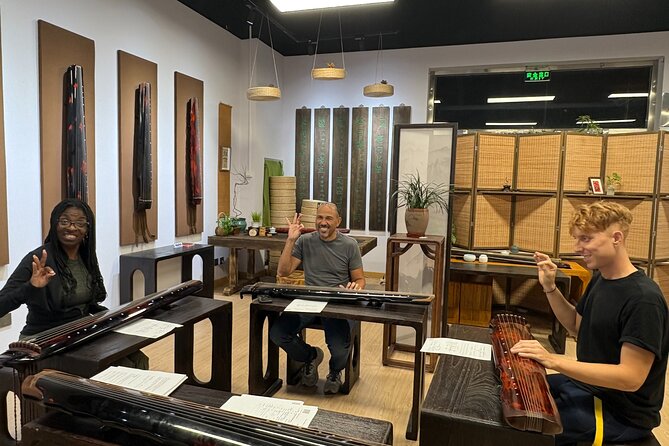
At $78.60 per person for about 2 hours 30 minutes, you’re paying for three specialist-led workshops inside a private heritage venue.
Here’s where the value calculation works:
- You’re not paying only for a performance. You’re paying for practice (Guqin + calligraphy) and tasting (tea ceremony).
- The teaching is connected to national-level heritage artists and certified instruction.
- The group size is limited to 8, which generally means less waiting and more hands-on time.
Compare that to a typical cultural show where you sit, watch, and leave. This costs money, yes, but the session gives you skills, not only memories. For many people, that’s why they call it emotional or moving: your brain can’t treat it like background entertainment when you’re physically doing parts of it.
One more thing to keep in mind: transportation isn’t included. So factor in how you’ll get to 813 Creative Park.
Logistics That Keep the Day Easy
This is a mobile-ticket experience, and it ends where it starts. You’re also told it’s near public transportation, which helps if you don’t want to spend your energy hailing rides just to get to a calm workshop.
Duration is listed at about 2.5 hours. That’s a sweet spot: long enough to learn and settle in, short enough not to steal your whole day.
Weather can matter. The experience notes a weather requirement, and if it’s canceled for poor weather you’ll be offered another date or a full refund. That’s worth respecting when you’re planning your Beijing schedule.
If you’re the type who likes flexible planning, this is also listed as free cancellation up to 24 hours in advance for a full refund. That reduces the risk if your itinerary shifts.
Who Should Book This Workshop, and Who Might Not
You should strongly consider this if you want:
- A quieter alternative to Beijing’s sightseeing rush
- A hands-on cultural experience rather than a museum-style look
- Time with experts who teach the “why” behind the ritual
It’s also great if you’re traveling with someone who likes the arts but gets annoyed by how staged some performances can feel. This is described as not being a show, with a focus on personal guidance.
Who might skip it? If you only want big-name attractions and you’re allergic to calm, slow learning, this may not match your energy level. The workshop is intentionally gentle. You’re there to practice, listen, and write, not to sprint between photo stops.
Should You Book This Beijing Heritage Tea, Guqin & Calligraphy Workshop?
Yes, you should book it if you’re trying to bring your Beijing day below the noise level.
I’d especially recommend it if you:
- Want something memorable that isn’t a crowded show
- Like skill-building travel, even if you’re a beginner
- Appreciate the arts when they’re taught by practitioners, not entertainers
I would think twice if you’re short on time and only want surface highlights, because this session rewards patience. It’s also wise to plan your transport to 813 Creative Park in advance since pickup or drop-off isn’t included.
Overall, it’s one of the better-value ways to spend a half-day in Beijing: you leave with tea knowledge, a new relationship to Guqin sounds, and something tangible from calligraphy. That combination is hard to beat.
FAQ
What is the duration of the Beijing tea ceremony, Guqin, and calligraphy experience?
It runs for about 2 hours 30 minutes.
Where does the experience start and end?
It starts at 813 Creative Park in Chaoyang and ends back at the same meeting point.
How many people are in the group?
The maximum group size is 8 travelers.
What’s included in the price?
Included are the traditional tea ceremony and tea tasting with a certified tea master, a live Guqin performance and hands-on Guqin learning session, a calligraphy workshop with expert guidance, traditional outfit attire rental for ritual and photos, and a bilingual guide with an M.A. in History & Sociology.
Is transportation included?
No. Transportation to and from the venue is not included.
Do I need to know Chinese to participate?
You can participate even if you don’t know Chinese, and the guide provides instruction in English.
What should I do about meals?
Meals outside of the provided tea snacks are not included.
Is it air-conditioned?
The experience is described as taking place in a serene, air-conditioned cultural haven.
Is there a cancellation policy?
You can cancel for a full refund up to 24 hours before the experience start time. Free cancellation is listed.
Is the experience affected by weather?
Yes. It requires good weather. If canceled due to poor weather, you’ll be offered a different date or a full refund.
If you want, tell me your rough Beijing plan (where you’re staying and what time you want this in your day). I’ll suggest the easiest way to fit it in and what to pair it with nearby.
Beijing's Evening Spectacles
- Beijing Golden Mask Dynasty Show with Private Transfer
★ 5.0 · 98 reviews - Beijing: Traditional Cultural Show Peking Opera Tickets
★ 4.4 · 66 reviews - Beijing Royal Dinning Experience with cultural performance
★ 4.4 · 57 reviews - Beijing Night Golden Mask Dynasty Show Ticket with Guide and Pickup
★ 5.0 · 26 reviews - Beijing Golden Mask Dynasty Show Discount Tickets
★ 5.0 · 12 reviews - Beijing OCT Theater Golden Mask Dynasty Show Tickets
★ 5.0 · 11 reviews
Beijing by the Teacup
- Traditional Chinese Tea Ceremony Experience
★ 4.7 · 74 reviews - Chinese Tea ceremony in Beijing Hutong courtyard
★ 4.7 · 26 reviews - Beijing Culture Event: Tradition Music, Tea Ceremony, Calligraphy
★ 5.0 · 11 reviews - Beijing: Temple Of Heaven+Tai Chi Class+Tea Ceremony
★ 5.0 · 8 reviews - Traditional Chinese Tea Ceremony Experience
★ 5.0 · 7 reviews - Beijing Tai Chi and Tea Ceremony Experience
★ 5.0 · 4 reviews
The Brush and the Ink
- Beijing Calligraphy Class
★ 4.9 · 112 reviews - Chinese Calligraphy Class for Small Group
★ 5.0 · 104 reviews - Beijing Historic City Guided Walking Tour + Calligraphy Creation
★ 5.0 · 59 reviews - Beijing Wangfujing Calligraphy Class by Forbidden City
★ 5.0 · 58 reviews - Beijing Wangfujing Calligraphy Class Nearby Forbidden City
★ 5.0 · 56 reviews - Noon Calligraphy Class
★ 5.0 · 47 reviews
Just In: More Beijing Tours to Browse



Chinese Calligraphy Classes, compared.
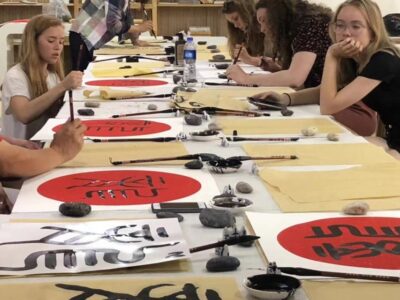 ★ 4.9Beijing Calligraphy ClassFrom $20112 reviews
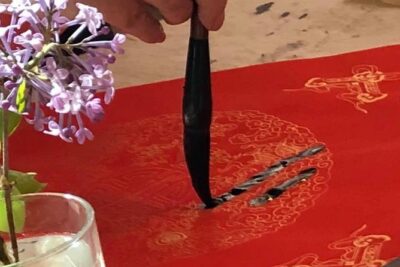 ★ 5.0Chinese Calligraphy Class for Small GroupFrom $20104 reviews
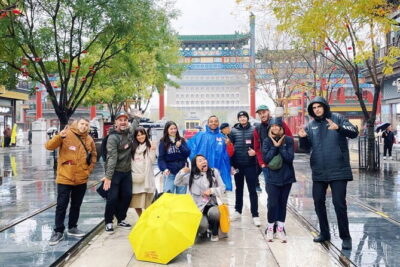 ★ 5.0Beijing Historic City Guided Walking Tour + Calligraphy CreationFrom $559 reviews
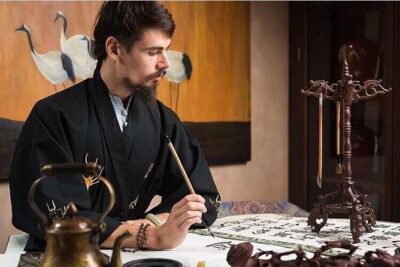 ★ 5.0Beijing Wangfujing Calligraphy Class by Forbidden CityFrom $2058 reviews
 ★ 5.0Beijing Wangfujing Calligraphy Class Nearby Forbidden CityFrom $3556 reviews
 ★ 5.0Noon Calligraphy ClassFrom $2047 reviews
 ★ 4.3Discover Old Beijing: Hutong Walking Tour & CalligraphyFrom $2524 reviews
 ★ 5.0Beijing Culture Event: Tradition Music, Tea Ceremony, CalligraphyFrom $1511 reviews
Browse the lists this tour appears in