
Reviewed · CHINESE CALLIGRAPHY CLASSES
Beijing Historic City Guided Walking Tour + Calligraphy Creation
Some cities feel like museums. Beijing feels like a street.
This 3.5-hour guided walk connects imperial-era stories to modern daily life, with stops through places like Huguang Guild Hall and the art-street area around Liulichang, plus a calligraphy creation moment. I especially like how the tour builds understanding step-by-step, and how the route includes everyday scenes, including street food and Qianmen’s shopping vibe.
One key thing to plan around: you end near Tiananmen Square but you will not enter to visit it, so don’t count on this for that big photo-stop.
In This Review
- Key things to know before you go
- Price and value: $5 to reserve, then budget for your guide
- Where the tour starts and how the walk is laid out
- Stop 1: Huguang Guild Hall and the 1807 merchant world
- Stop 2: Hutong alley walking where daily life becomes the lesson
- Stop 3: Liulichang Street, antiques, and calligraphy culture
- Stop 4: Yangmeizhu Byway where modern creativity shows up
- Stop 5: Dashilan Street’s commercial pulse
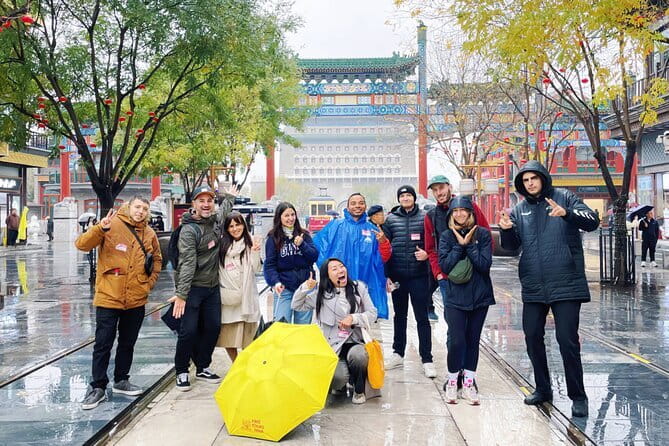
- Stop 6: Qianmen Walking Street near Tiananmen Square
- Calligraphy creation: the best part when you want something hands-on
- Group pace, guide style, and what to pack
- Who should book this Beijing historic walk
- Should you book this tour or choose another?
- FAQ
- How long is the Beijing Historic City Guided Walking Tour?
- Where does the tour start, and what time?
- Where does the tour end?
- Does the tour include Tiananmen Square admission or entry?
- Is this tour paid all-in, or is it tips-based?
- Is calligraphy creation included?
Key things to know before you go
- Tips-based tour, not an all-in ticket: your $5 booking reserves a spot, and the suggested guide tip is 160–200 RMB (about 20–25 USD/EUR).
- Real Beijing on foot: hutongs, guild-hall history, and pedestrian streets instead of only postcard monuments.
- Art connections: Liulichang’s calligraphy and antique culture ties directly into your calligraphy creation time.
- Small group per booking: up to 6 people per booking, with a higher overall tour cap, so you should still expect a group-walk feel.
- Ends near Tiananmen, no entry: you finish by Qianmen Metro Station area, but you won’t go into Tiananmen Square.
- Guide energy matters: the best tours here keep moving and explain clearly, even when the weather is cold.
Brush, ink and rice paper, more quiet hours
Price and value: $5 to reserve, then budget for your guide
This tour is priced low on the surface: $5 per person is basically your reservation fee. The actual operating model is tips-based, which means your guide’s pay depends on what you choose to give.
The tour suggests a tip of 160–200 RMB (20–25 USD/EUR). For me, the value comes from matching the fee to what you’re really buying: time with a local English-speaking guide who handles the route and the storytelling, plus a walk that mixes major landmarks of a different kind—alley life, old commercial streets, and an art district—with at least one hands-on cultural activity (calligraphy).
If you’re the type who likes to budget tightly, this setup can feel “pay what you feel,” but you do have a clear guideline. If you’d rather pay one fixed price and forget about it, then this may not be your favorite format.
Where the tour starts and how the walk is laid out
The meet point is Huguang Guild Hall on Hu Fang Lu (Xi Cheng Qu), starting at 10:00 am. The tour runs about 3 hours 30 minutes, and you finish by Qianmen / Tiananmen Square’s edge area—specifically in front of Tiananmen Square, but without entering.
You’ll get a mobile ticket, and the route stays near public transportation. The practical win here is that you’re not stuck inside a single museum complex—you can recover quickly afterward by using the Metro nearby.
One more route detail that matters for planning: it’s a shared walking tour, and it’s capped in a way that keeps it manageable. The listing notes up to 6 guests per booking, while the overall activity has a higher maximum (the tour cap). Translation: you should expect a group pace, not a private stroll.
Stop 1: Huguang Guild Hall and the 1807 merchant world
Your first major anchor is Huguang Guild Hall, built in 1807. Guild halls were not just fancy halls—they were power centers for merchants and officials, and this one historically hosted influential people from Hubei and Hunan provinces.
What makes this stop work on a walking tour is how it sets the lens for everything after. Instead of jumping straight to streets and shops, you get a sense of how networks of trade and regional identity shaped old Beijing. There’s also an opera stage, which hints at why these halls mattered culturally too.
Time-wise, it’s about 20 minutes and the admission here is free. If you’re hoping for a long, detailed interior visit, this stop is more of a structured orientation moment. Still, it gives you something useful to carry into the alleys.
Stop 2: Hutong alley walking where daily life becomes the lesson
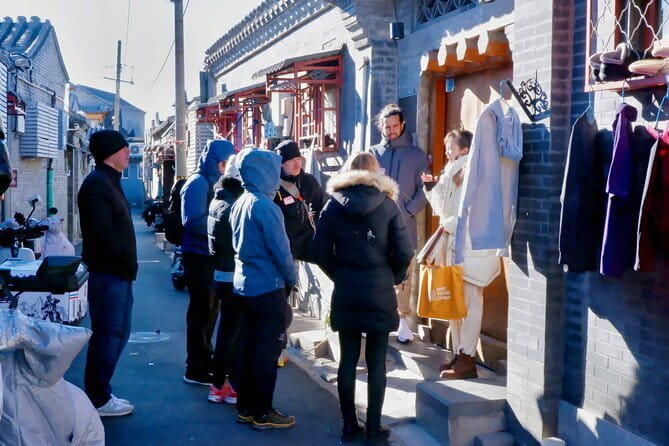
After the guild hall, you head into a hutong tour, which is the heart of this experience. Hutongs are narrow lanes, and walking them changes how Beijing feels compared to staying on wide streets.
This section is about more than aesthetics. The tour framing includes Beijing’s urban planning progress and challenges, and you’ll likely hear it explained through what you can see: how people lived in older residential patterns and what has changed over time. The alley scale also makes the history feel personal, because you’re moving at human speed.
The hutong stop is about 1 hour, and admission is free. The main practical note: wear shoes you can trust. Alley walking usually means uneven paving and lots of turning corners.
Beijing at street level, more routes on foot
- Beijing Hutong Walking Food and Beer Tour at Hidden Restaurants★ 5.0 · 1,132 reviews
- Private Beijing Walking Tour of the Forbidden City with 7 Options★ 5.0 · 675 reviews
- Forbidden City Private Walking Tour with Optional Sights★ 5.0 · 400 reviews
- Beijing Private Hutong Food Walking Tour★ 5.0 · 299 reviews
- Beijing: Hutong Culinary Walking Tour with 15+ Tastings★ 5.0 · 162 reviews
Stop 3: Liulichang Street, antiques, and calligraphy culture
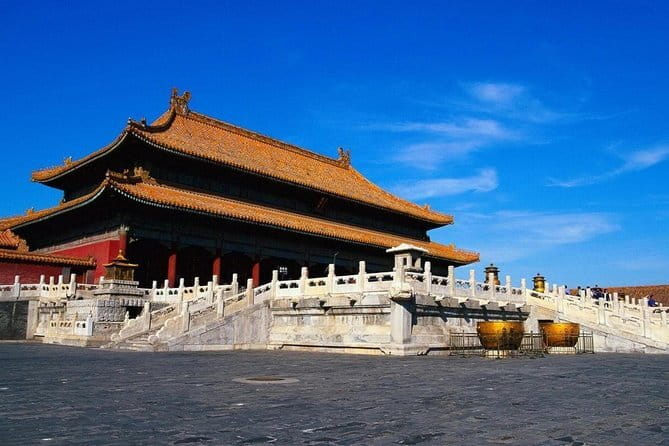
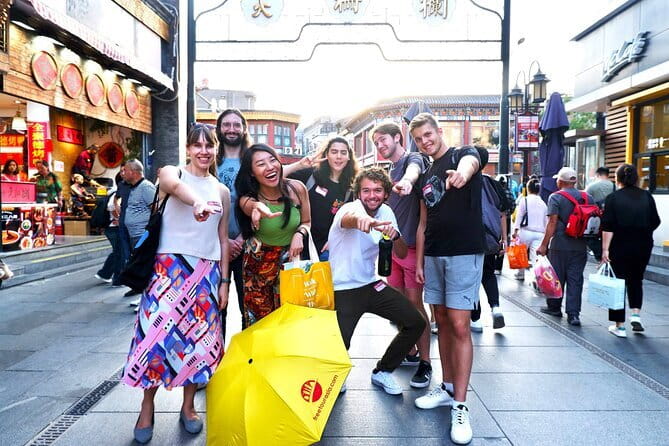
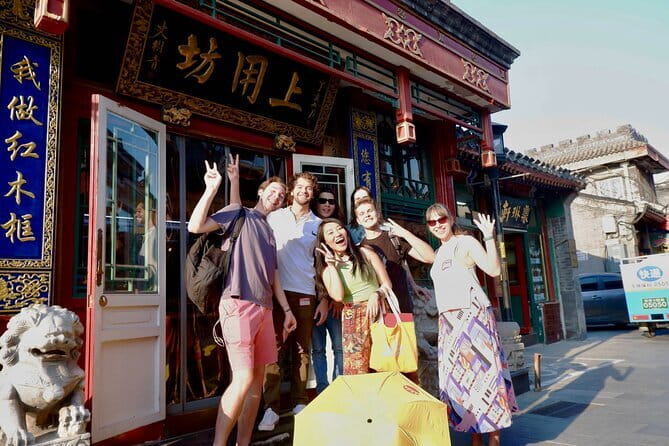
Next is Liulichang Street, described as an artistic heart of Beijing with antique treasures and cultural charm. This is where the tour starts linking history to what people do for fun and status—especially through the arts.
You’re in an area known for shops offering calligraphy and also traditional art styles (the tour description mentions traditional painting). Even if you don’t buy anything, the practical value is visual: you see how calligraphy and collecting work as part of Beijing’s everyday cultural economy.
This stop is about 40 minutes with free admission. It’s not an all-day shopping spree, so treat it like a guided orientation to the street’s “why.” If you love art, you may want to return later on your own for a longer browse.
Stop 4: Yangmeizhu Byway where modern creativity shows up
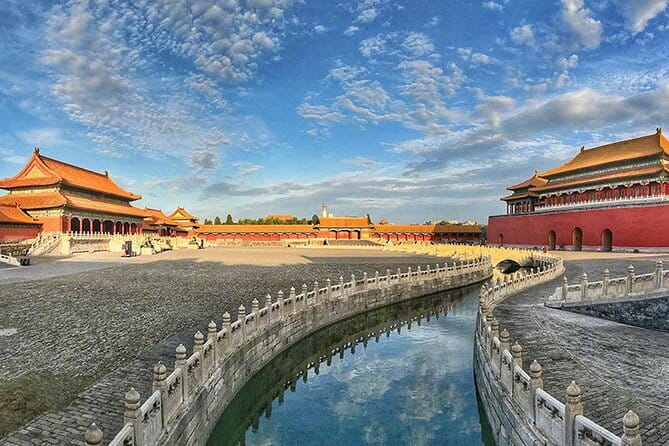
Then the tour switches gears into Yangmeizhu Byway, a trendy alley area where older streets meet modern creativity. The listing points to boutique shops, quirky art studios, and stylish cafes.
This stop helps you understand a simple truth about Beijing: old and new aren’t separate worlds. They share the same blocks. On a walking tour, that contrast lands fast, because you feel it—one minute you’re thinking about guilds and merchants, the next you’re walking past modern spaces.
This portion is about 20 minutes and free to view. The drawback for some people is that it’s shorter and more of a “walk-through” than a deep look. If you want a long time inside design shops, you’ll need to schedule that separately after the tour.
Stop 5: Dashilan Street’s commercial pulse
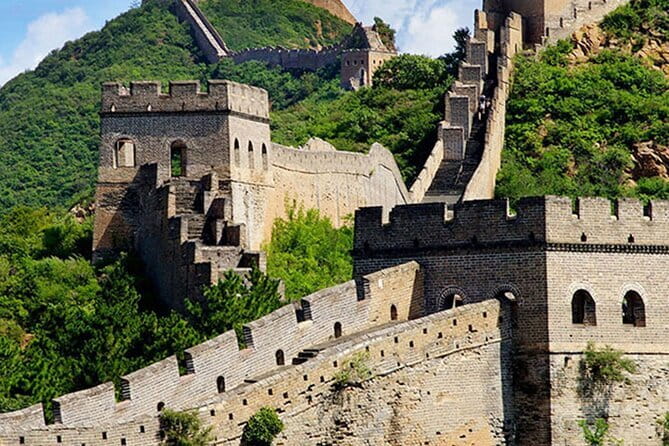
Now you move to Dashilan Street, called Beijing’s oldest and most vibrant commercial hub in the tour description. Translation: this is where the city’s shopping culture becomes a walking experience.
The listing says you’ll find iconic shops, trendy boutiques, and local delicacies. That’s your cue for what you’ll likely notice during this stretch: people are out, you can smell food, and you get a better sense of what a “day in Beijing” looks like beyond historic sites.
This stop is also around 20 minutes, free admission. The timing is good if you like variety, but if you’re the type who wants to linger, expect to do that on your own later.
Stop 6: Qianmen Walking Street near Tiananmen Square
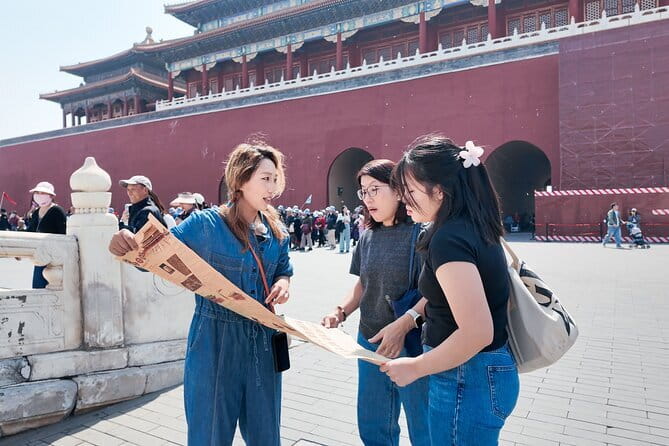
The final segment is Qianmen Walking Street, right south of Tiananmen Square. The tour notes it’s restored ancient streets mixed with culture, shopping, and cuisine.
This is a strong closer because it’s both central and atmospheric. You’ll get to end near one of Beijing’s most famous areas while still spending most of your time on streets and stories that feel less scripted. In the pacing of the full walk, Qianmen works as the reward zone.
The tour ends at a point described as in front of Tiananmen Square—but again, you will not enter. The practical move is to treat this tour like the “neighborhood Beijing” prelude, then reserve separate time if Tiananmen Square itself is on your must-do list.
Calligraphy creation: the best part when you want something hands-on
The experience title includes calligraphy creation, and the rest of the route supports that by taking you through areas tied to calligraphy culture, especially around Liulichang.
Even without a lot of technical detail in the tour description, a hands-on calligraphy moment is usually the best way to turn “I saw art” into “I did art.” It also keeps the tour from feeling like only listening and walking.
What I’d recommend: go in expecting it to be simple and guided. Don’t worry about perfect brush technique. Your goal is participation, not calligraphy mastery.
If you’re coming from a place where you only see calligraphy in frames, this part gives you a different respect for the craft because you feel how it works—pressure, motion, and patience.
Group pace, guide style, and what to pack
This is a shared walking tour with a group size that stays small per booking (up to 6). The overall cap is higher, which likely means you might be part of a larger operation, but the “per booking” number is what helps keep your experience feeling personable.
The reviews-driven pattern here is clear: the guide approach tends to be organized and structured, with explanations at each stop and a pace that keeps you from getting stuck in one place too long. Guides are also described as patient and able to handle cold weather without slowing the whole day down.
Pack like you’re doing an urban stroll: comfortable walking shoes, a light layer you can adjust, and water. The tour notes that it requires good weather, so if conditions are rough, expect the operator may shift dates rather than force it.
Who should book this Beijing historic walk
You’ll like this tour if:
- You want Beijing beyond the big monuments, through hutongs and commercial streets.
- You like history explained through people’s everyday routines, not only dynasties on a timeline.
- You want a mix of culture plus a practical activity with calligraphy creation.
- You have limited time and want an efficient route that still covers multiple “Beijing moods.”
You might skip it if:
- Tiananmen Square entry is your #1 priority. This ends near it, but you won’t enter.
- You don’t enjoy walking neighborhoods and prefer only major sites with long interior visits.
Should you book this tour or choose another?
Yes—book it if you want the feeling of Beijing as a living city, not just a checklist. The low reservation fee makes it easy to try, and the suggested tip range is fair for a guide-led route that mixes historic halls, hutongs, art streets, and hands-on calligraphy.
The one caution is planning: put Tiananmen Square on a separate plan if you want inside access. If you do that, this walk becomes a strong way to understand what Beijing is actually made of—alleys, merchants, artists, and the rhythm of public streets.
FAQ
How long is the Beijing Historic City Guided Walking Tour?
It lasts about 3 hours 30 minutes (approx.).
Where does the tour start, and what time?
The meeting point is Huguang Guild Hall, and the start time is 10:00 am.
Where does the tour end?
The tour ends in front of Tiananmen Square, and the meeting/end area is near Qianmen Metro Station (Line 2 & 8). The tour does not enter Tiananmen Square.
Does the tour include Tiananmen Square admission or entry?
No. You will not enter to visit Tiananmen Square during this tour. If you want to visit, you need your own reservation at least one day in advance.
Is this tour paid all-in, or is it tips-based?
It’s a tips-based model. The $5 booking fee is for reserving your spot, and you decide the tip amount. The tour suggests 160–200 RMB.
Is calligraphy creation included?
Yes, calligraphy creation is included as part of the experience.
More Beijing Outings
- From Beijing: Mutianyu Great Wall Tours with Options
★ 4.9 · 9,216 reviews - Beijing: Forbidden City Tour(Group/Private)-Tickets Included
★ 4.8 · 7,974 reviews - Beijing: T-Square & Forbidden City Group or Private Tour
★ 4.8 · 4,446 reviews - All-Inclusive Tour: Tiananmen Square, Forbidden City, Great Wall
★ 5.0 · 2,873 reviews - MuBus: Mutianyu Great Wall ENG/ESP/RUS Guided Bus Tour
★ 5.0 · 2,361 reviews - 4-Hour Small Group Tour to Forbidden City with Entry Tickets
★ 5.0 · 1,863 reviews
More Tour Reviews in Beijing
- From Beijing: Mutianyu Great Wall Tours with Options
★ 4.9 · 9,216 reviews - Beijing: Forbidden City Tour(Group/Private)-Tickets Included
★ 4.8 · 7,974 reviews - Beijing: T-Square & Forbidden City Group or Private Tour
★ 4.8 · 4,446 reviews - All-Inclusive Tour: Tiananmen Square, Forbidden City, Great Wall
★ 5.0 · 2,873 reviews - MuBus: Mutianyu Great Wall ENG/ESP/RUS Guided Bus Tour
★ 5.0 · 2,361 reviews - 4-Hour Small Group Tour to Forbidden City with Entry Tickets
★ 5.0 · 1,863 reviews
The Brush and the Ink
- Beijing Calligraphy Class
★ 4.9 · 112 reviews - Chinese Calligraphy Class for Small Group
★ 5.0 · 104 reviews - Beijing Wangfujing Calligraphy Class by Forbidden City
★ 5.0 · 58 reviews - Beijing Culture: Tea Ceremony, Heritage Instrument & Calligraphy
★ 5.0 · 57 reviews - Beijing Wangfujing Calligraphy Class Nearby Forbidden City
★ 5.0 · 56 reviews - Noon Calligraphy Class
★ 5.0 · 47 reviews
Just In: More Beijing Tours to Browse



Chinese Calligraphy Classes, compared.
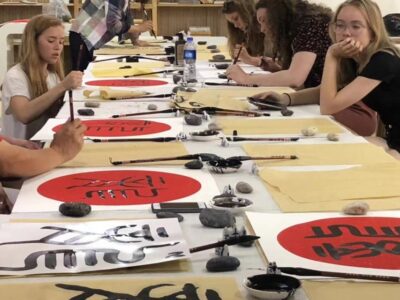 ★ 4.9Beijing Calligraphy ClassFrom $20112 reviews
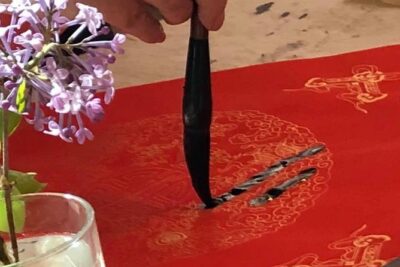 ★ 5.0Chinese Calligraphy Class for Small GroupFrom $20104 reviews
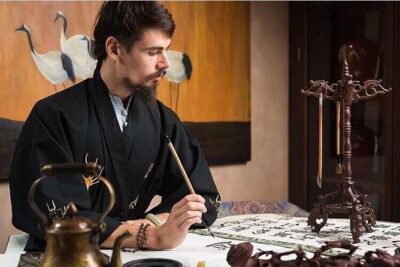 ★ 5.0Beijing Wangfujing Calligraphy Class by Forbidden CityFrom $2058 reviews
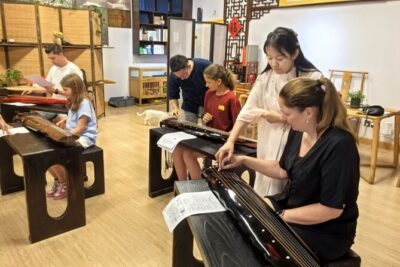 ★ 5.0Beijing Culture: Tea Ceremony, Heritage Instrument & CalligraphyFrom $7857 reviews
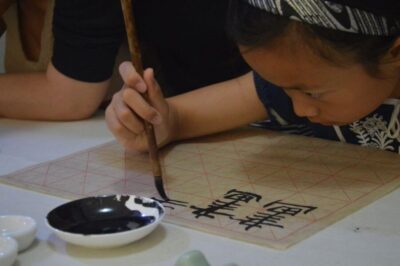 ★ 5.0Beijing Wangfujing Calligraphy Class Nearby Forbidden CityFrom $3556 reviews
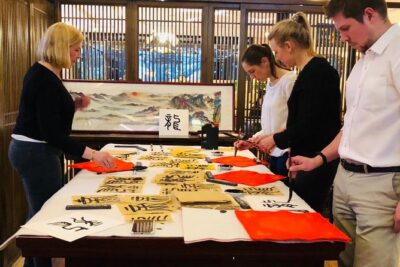 ★ 5.0Noon Calligraphy ClassFrom $2047 reviews
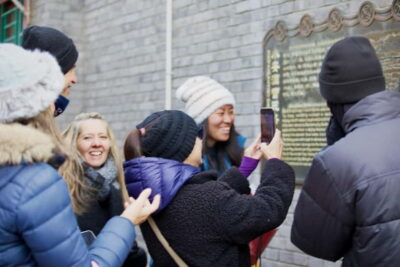 ★ 4.3Discover Old Beijing: Hutong Walking Tour & CalligraphyFrom $2524 reviews
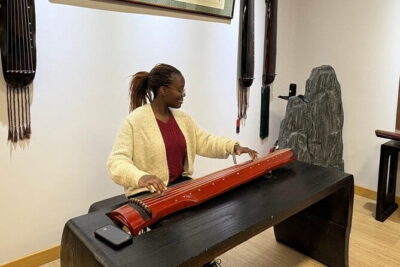 ★ 5.0Beijing Culture Event: Tradition Music, Tea Ceremony, CalligraphyFrom $1511 reviews
Browse the lists this tour appears in