
Reviewed · CHINESE CALLIGRAPHY CLASSES
Beijing Culture Event: Tradition Music, Tea Ceremony, Calligraphy
Three traditions, one calm evening. This Beijing experience brings tea ceremony etiquette, live guqin music, and brush-based calligraphy into one smooth 2–3 hour session. I love how the guide ties each art form to meaning, not just performance, and I also love the hands-on pace where you actually try the activities. One possible drawback: because it’s only a couple hours, you’ll get solid basics, not a full deep-dive master class.
If you want something authentic that doesn’t feel like a museum stop, this is a great fit. You’ll be with a small group (maximum 12), with an English guide and an expert guqin performer from the Beijing Guqin Association.
In This Review
- Key highlights you should know before you go
- Tea, Guqin, and Calligraphy in One Session That Actually Makes Sense
- Huagong Road Meeting Point and the Small-Group Advantage
- Tea Ceremony: Etiquette, Philosophy, and What You’ll Taste
- Live Guqin Music: Hearing the 2,000-Year-Old Instrument Up Close
- Learning a melody you can recognize
- A surprisingly cool detail about music scores
- Calligraphy Workshop: Writing a Character With Meaning (Not Just Practice)
- Value at $15: Why Three Traditions Together Beats Booking Separately
- What You Can Expect From the Timeline (Without Rushing You)
- Who This Is For (And Who Might Want Another Plan)
- Practical Tips to Make the Most of It
- Should You Book This Beijing Tea, Guqin, and Calligraphy Session?
- FAQ
- How long is the experience?
- What’s included in the $15 price?
- Do I need experience playing guqin or doing calligraphy?
- How many people are in the group?
- Where is the meeting point?
- Is it easy to reach using public transportation?
- What is the cancellation policy?
Key highlights you should know before you go
- Tea ceremony guidance with etiquette and philosophy so you know what you’re doing and why it matters
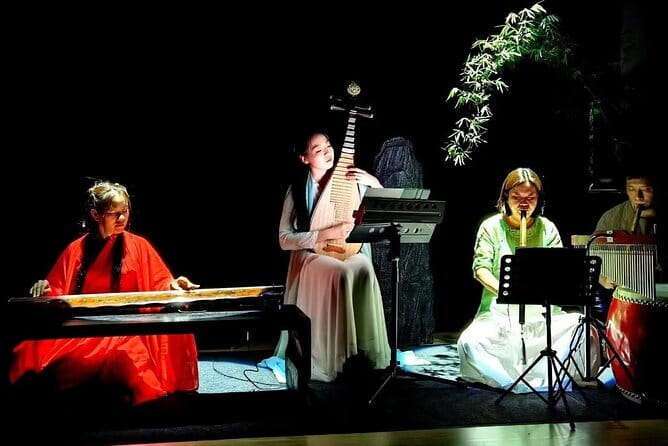
- Live guqin performance plus hands-on learning of a simple tune from Crouching Tiger, Hidden Dragon
- Calligraphy practice where you write your own meaningful word or phrase using basic brush techniques
- A master from the Beijing Guqin Association leads the guqin portion, keeping it professional and culturally grounded
- Great value at $15 for three connected traditions in one short session
Brush, ink and rice paper, more quiet hours
Tea, Guqin, and Calligraphy in One Session That Actually Makes Sense
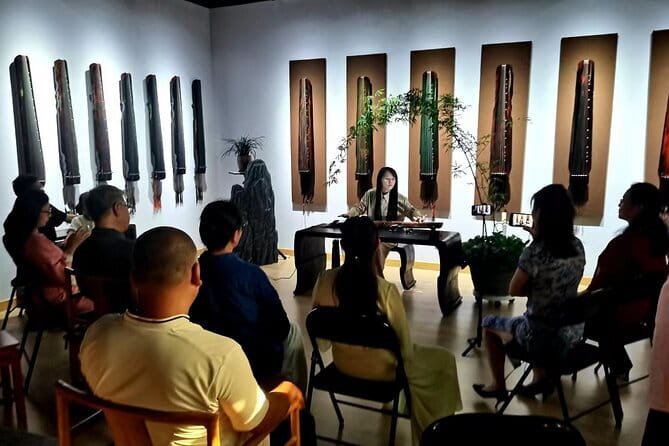
Beijing has plenty of culture you can watch from a seat. This is different. You start with a tea ceremony, then move to a live guqin performance, and you finish with calligraphy practice. The trick is that each part supports the others, so the evening feels like one story instead of three separate activities.
What I like about the flow is how it lowers the intimidation factor. You do not need prior experience with guqin or calligraphy. The pace is also gentle. In a city that can feel fast and loud, this session gives you a quiet reset without turning into a slow, boring lecture.
Huagong Road Meeting Point and the Small-Group Advantage
The session starts and ends back at the meeting point near Huagong Road (Hua Gong Lu, Chaoyang District). For many people, that’s a plus: you’re not spending your afternoon crisscrossing Beijing to reach three different stops.
The group size also matters. With a maximum of 12 travelers, you’re far more likely to get individual attention when you’re trying something new. If you’re the type who worries about getting things wrong in front of others, this format tends to feel more comfortable than big show-and-sit setups.
Also note the practical stuff: it uses a mobile ticket, and the activity is near public transportation. That combination makes it easy to fit into an already-packed day.
Tea Ceremony: Etiquette, Philosophy, and What You’ll Taste
The tea ceremony is not presented as a random sampling. You start by learning the philosophy and etiquette behind the practice. That framing changes how you experience it. Instead of thinking, This is just tea, you start thinking, This is a way people slow down, show respect, and create a calm moment on purpose.
Then you move into tea brewing and tasting. It’s hands-on, but it’s also guided. For you, the payoff is simple: you leave with a memory that’s sensory (warm cup, aroma, taste) and mental (what you were taught to notice).
One small practical note: the tour includes tea and/or coffee. So you’re covered whether you’re a dedicated tea person or you want something else to balance the session.
Live Guqin Music: Hearing the 2,000-Year-Old Instrument Up Close
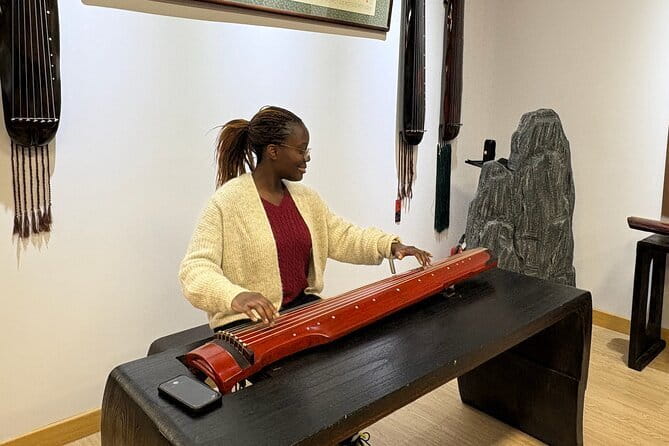
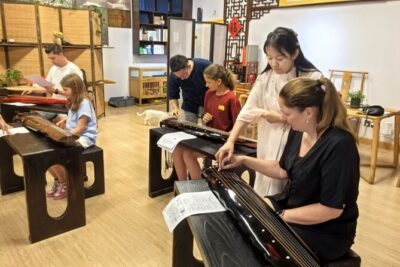
The guqin is the star attraction, and it’s a special one. This ancient plucked instrument has been played for centuries by scholars and dignitaries, and it’s often described as a symbol of Chinese elegance and philosophy. The session also emphasizes the guqin’s status in formal contexts, including its use at high-level settings for receiving foreign guests.
What makes the experience feel authentic is the performer. Your guqin musician is a master from the Beijing Guqin Association. That matters because guqin isn’t the kind of instrument where a generic performance teaches you much. The tone is subtle, and the intention behind the playing is part of the cultural meaning.
Slow pours and warm cups, more tea sittings
- Traditional Chinese Tea Ceremony Experience★ 4.7 · 74 reviews
- Beijing Culture: Tea Ceremony, Heritage Instrument & Calligraphy★ 5.0 · 57 reviews
- Beijing Culture Event: Tradition Music, Tea Ceremony, Calligraphy★ 5.0 · 11 reviews
- Beijing: Temple Of Heaven+Tai Chi Class+Tea Ceremony★ 5.0 · 8 reviews
- Traditional Chinese Tea Ceremony Experience★ 5.0 · 7 reviews
Learning a melody you can recognize
Here’s the best part for most visitors: you don’t just listen. You’ll try playing a simple yet beautiful melody from Crouching Tiger, Hidden Dragon. No experience needed. That means you can participate even if you’re not musical. And if you are musical, it gives you a fun entry point into how guqin works.
A surprisingly cool detail about music scores
If you like understanding how things are made, you’ll appreciate the explanation of how ancient music is documented. You’ll learn that sheet music for this tradition can be written in Chinese characters, which is a fascinating difference from the Western staff notation most of us grow up with.
Calligraphy Workshop: Writing a Character With Meaning (Not Just Practice)

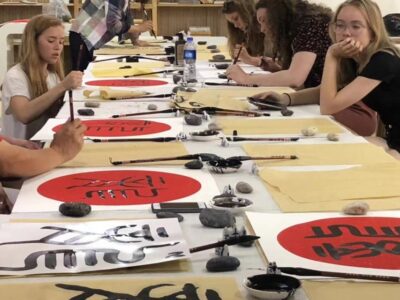
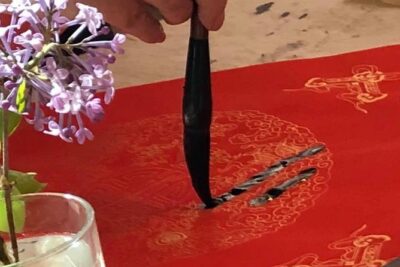
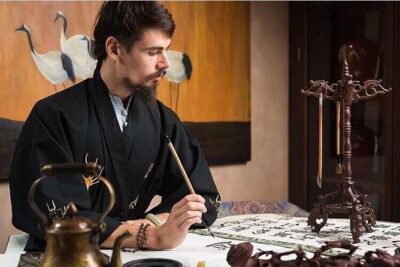
After tea and guqin, you shift to something physical and visual: Chinese calligraphy. The goal here isn’t to turn you into a calligrapher in one night. It’s to give you the feel of the brush and the discipline of focus that calligraphy requires.
You’ll learn basic brush techniques, then write your own meaningful word or phrase. That last part is the secret sauce. Pick something that matters to you—something personal, a travel intention, a short wish—and you’ll end the session with a piece that feels like your own souvenir, not a mass-produced postcard.
Calligraphy also matches the tone of the tea ceremony and guqin. All three encourage you to slow down. The music is mellow. The tea is deliberate. The brushwork asks for patience. The result can feel almost meditative, especially because you’re in a small group and you’re not being rushed through a performance.
Value at $15: Why Three Traditions Together Beats Booking Separately

At $15 per person, this is priced for real access. You’re getting:
- Tea ceremony experience with tasting
- Live guqin performance and a chance to learn a simple tune
- Calligraphy instruction and hands-on writing
- An English guide
When you book experiences separately in many cities, you often pay more for one component—either a tea session, or a short musical performance, or a workshop. Here, all three connect in one continuous visit. Even if you only care about one of the arts, the other two can still be worth it because they reinforce the same cultural theme: tradition as living practice, not just a show.
The other value angle is time. You get everything in about 2 to 3 hours. That makes it a very easy add-on for your Beijing day, especially if you want something calmer than sightseeing lines and long museum routes.
What You Can Expect From the Timeline (Without Rushing You)
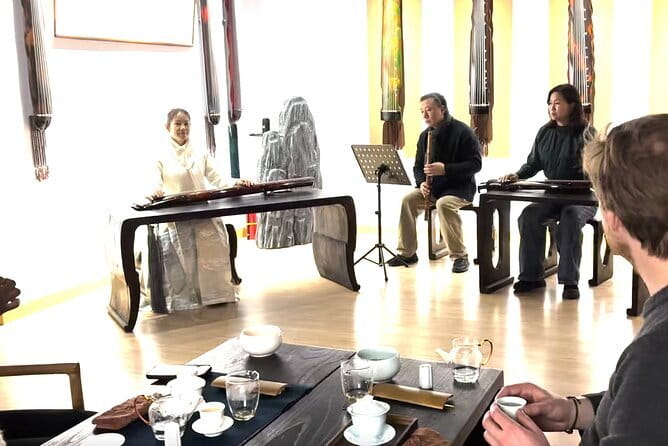
Your evening runs as a single session. You’ll start at Huagong Road, then move through the three parts:
- Tea ceremony and tasting
- Guqin performance, plus guided participation with a simple melody
- Calligraphy workshop where you practice basic brush techniques
You’ll finish back at the meeting point. That keeps things simple. You won’t need to solve the usual travel puzzle of where the next activity is or how to get there with a group.
And because the session is limited to a small group, the pace tends to stay relaxed. You’re not being asked to perform constantly, either. Participation is built in, but it’s not stressful.
Who This Is For (And Who Might Want Another Plan)

This is a great fit if you:
- Want authentic cultural practice rather than only watching
- Enjoy calm evenings and don’t want constant hustle
- Like learning how traditions work, including etiquette and meaning
- Want a hands-on activity that doesn’t require special skills
It’s also a strong choice for couples and small groups. The atmosphere is peaceful, and the calligraphy part gives you something shared and tangible. If you like music, you’ll probably appreciate the guqin explanations and the way the instructor frames how ancient music can be notated with Chinese characters.
If you’re the type who needs hours of instruction to feel satisfied, you might wish for more time. This session is short by design. You’ll leave with basics and a strong first taste, not a long training experience.
Practical Tips to Make the Most of It
A few simple moves can help you enjoy the session more:
- Go with one intention for calligraphy. Decide your word or phrase ahead of time so you’re not stuck thinking on the spot.
- Plan for a slow mindset. Tea and guqin are not loud, fast experiences. If you’re running on pure adrenaline from the day before, you might need a moment to switch gears.
- Dress for sitting and focus. The session is hands-on and calm. Comfortable clothing helps you participate without thinking about your posture.
- Use your mobile ticket. Have it ready so you’re not sorting it out when you arrive.
- Arrive with enough time to settle in. The meeting point is near public transportation, but getting there comfortably keeps the start of the evening smooth.
And yes, the instructor is there for English support. If you have questions about what you’re tasting, hearing, or writing, this is the moment to ask.
Should You Book This Beijing Tea, Guqin, and Calligraphy Session?
If you want one activity that gives you three connected aspects of Chinese tradition—tea etiquette, guqin music culture, and calligraphy practice—this is a smart choice. The small group size, the English guide, and the chance to participate (not just watch) make it feel more personal than a typical show.
I especially recommend it if you’re trying to balance your Beijing trip with something calmer. It’s also a good value play: for $15, you’re getting three meaningful cultural blocks in about 2–3 hours.
Skip it only if you’re looking for a long, advanced workshop or a high-energy performance. This session is designed for focus, patience, and gentle learning.
FAQ
How long is the experience?
It runs about 2 to 3 hours.
What’s included in the $15 price?
You get the tea ceremony experience (including tasting), guqin performance and use of the instrument, a calligraphy workshop, and an English guide. Coffee and/or tea are also included.
Do I need experience playing guqin or doing calligraphy?
No. You can join without prior experience, and you’ll be guided through each activity.
How many people are in the group?
The experience has a maximum of 12 travelers.
Where is the meeting point?
It starts at Huagong Road (Hua Gong Lu, Chaoyang District, Beijing) and ends back at the same meeting point.
Is it easy to reach using public transportation?
Yes, it’s near public transportation.
What is the cancellation policy?
You can cancel for a full refund if you do it up to 24 hours before the start time. If you cancel within 24 hours, the amount you paid is not refunded.
More Tour Reviews in Beijing
- From Beijing: Mutianyu Great Wall Tours with Options
★ 4.9 · 9,216 reviews - Beijing: Forbidden City Tour(Group/Private)-Tickets Included
★ 4.8 · 7,974 reviews - Beijing: T-Square & Forbidden City Group or Private Tour
★ 4.8 · 4,446 reviews - All-Inclusive Tour: Tiananmen Square, Forbidden City, Great Wall
★ 5.0 · 2,873 reviews - MuBus: Mutianyu Great Wall ENG/ESP/RUS Guided Bus Tour
★ 5.0 · 2,361 reviews - 4-Hour Small Group Tour to Forbidden City with Entry Tickets
★ 5.0 · 1,863 reviews
Beijing by the Teacup
- Traditional Chinese Tea Ceremony Experience
★ 4.7 · 74 reviews - Beijing Culture: Tea Ceremony, Heritage Instrument & Calligraphy
★ 5.0 · 57 reviews - Chinese Tea ceremony in Beijing Hutong courtyard
★ 4.7 · 26 reviews - Beijing: Temple Of Heaven+Tai Chi Class+Tea Ceremony
★ 5.0 · 8 reviews - Traditional Chinese Tea Ceremony Experience
★ 5.0 · 7 reviews - Beijing Tai Chi and Tea Ceremony Experience
★ 5.0 · 4 reviews
The Brush and the Ink
- Beijing Calligraphy Class
★ 4.9 · 112 reviews - Chinese Calligraphy Class for Small Group
★ 5.0 · 104 reviews - Beijing Historic City Guided Walking Tour + Calligraphy Creation
★ 5.0 · 59 reviews - Beijing Wangfujing Calligraphy Class by Forbidden City
★ 5.0 · 58 reviews - Beijing Culture: Tea Ceremony, Heritage Instrument & Calligraphy
★ 5.0 · 57 reviews - Beijing Wangfujing Calligraphy Class Nearby Forbidden City
★ 5.0 · 56 reviews
Just In: More Beijing Tours to Browse




Chinese Calligraphy Classes, compared.
 ★ 4.9Beijing Calligraphy ClassFrom $20112 reviews
 ★ 5.0Chinese Calligraphy Class for Small GroupFrom $20104 reviews
 ★ 5.0Beijing Historic City Guided Walking Tour + Calligraphy CreationFrom $559 reviews
 ★ 5.0Beijing Wangfujing Calligraphy Class by Forbidden CityFrom $2058 reviews
 ★ 5.0Beijing Culture: Tea Ceremony, Heritage Instrument & CalligraphyFrom $7857 reviews
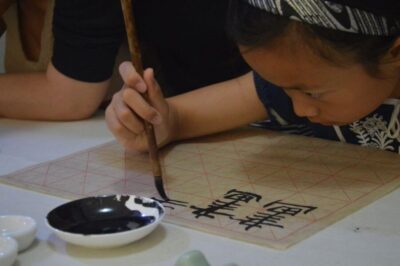 ★ 5.0Beijing Wangfujing Calligraphy Class Nearby Forbidden CityFrom $3556 reviews
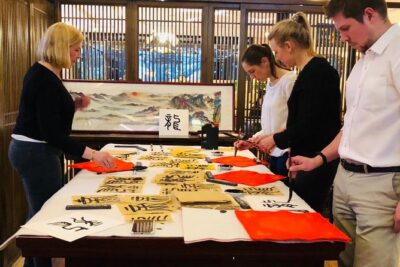 ★ 5.0Noon Calligraphy ClassFrom $2047 reviews
 ★ 4.3Discover Old Beijing: Hutong Walking Tour & CalligraphyFrom $2524 reviews
Browse the lists this tour appears in