
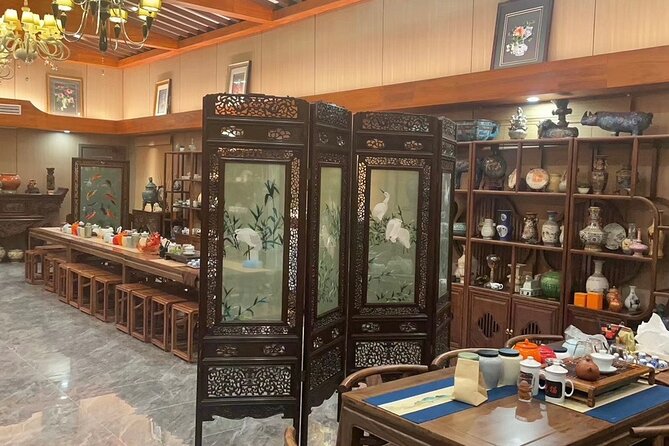
Reviewed · TEA CEREMONY EXPERIENCES
Traditional Chinese Tea Ceremony Experience
Beijing tea rituals are strangely calming. This is a hands-on heritage session where an English-speaking tea master walks you through the ritual of brewing and serving, not just drinking; I love the English clarity that makes the steps easy to follow. You’re greeted warmly on arrival, then guided through tasting with intent.
What I like even more is how they train your senses in real time: you smell the leaves, learn water temperature, and understand steeping timing before taking your first careful sip. One consideration: there’s no transportation included, and the meeting point can vary, so you’ll want a simple plan for getting there and arriving on time.
In This Review
- Key moments you’ll notice right away
- Why this Beijing tea ceremony feels different from a quick tasting
- What you’ll taste: Oolong, Pu-erh, green tea, jasmine, and flower tea
- The tea master’s method: water temperature and steeping time
- The ritual steps you follow: warming the teapot to mindful pouring
- How long it takes (and why the range matters)
- English host support and who you’ll actually interact with
- Price and value: why $9 can be a smart cultural buy
- Who should book this tea ceremony in Beijing
- Practical tips so you get the most from your session
- Should you buy tea to take home?
- Book it or pass: my practical recommendation
- FAQ
- How long does the traditional Chinese tea ceremony take?
- What’s included in the price?
- Is there a tour guide included?
- What tea types will I taste?
- Is it suitable for children?
- What do I need to provide when booking?
Key moments you’ll notice right away
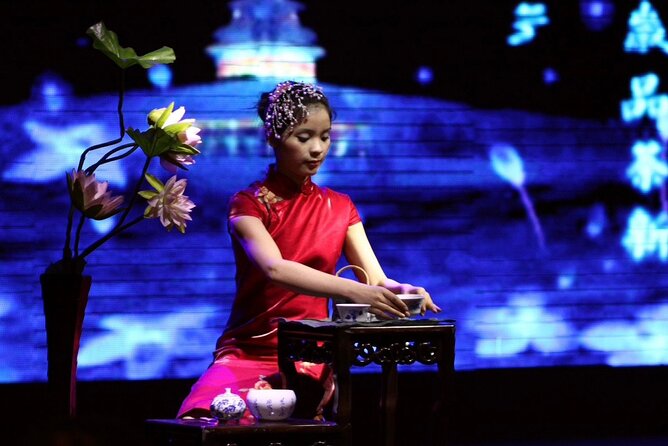
- Five mini cups, real variety: you sample multiple teas (including Oolong, Pu-erh, green tea, jasmine, and flower tea).
- Smell-first instruction: you’re guided to notice aroma before taste, which changes how you experience each tea.
- Precision you can feel: water temp and steeping time are taught as practical skills, not trivia.
- A calm, respectful ritual: the atmosphere is built around respect, harmony, and mindfulness.
- Small extras may show up: depending on your session, you might get welcome touches like gifts and a photo opportunity.
Slow pours and warm cups, more tea sittings
Why this Beijing tea ceremony feels different from a quick tasting
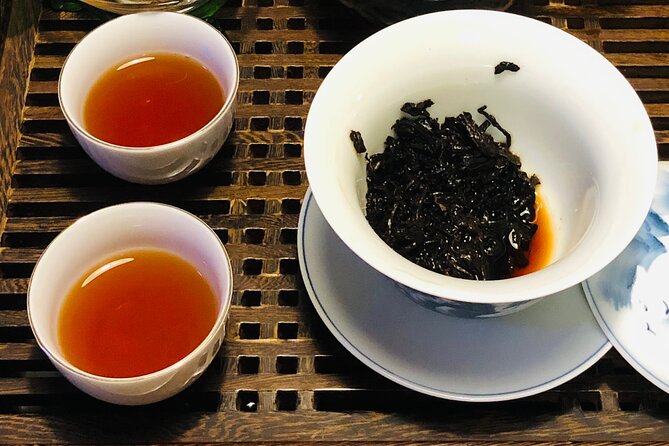
China is where tea culture began, and this experience is designed to show you why that matters. Instead of rushing you through a few sips, the tea master treats the cup like a mini performance of care—warming tools, brewing with intention, then serving with attention.
I appreciate that the tone is both traditional and practical. You’re learning how to enjoy tea the right way, with clear instruction you can actually use later at home. That makes it a smart cultural stop if you want something more grounded than museum time.
Also, it’s family-friendly in a sensible way. The experience is fun for adults and kids who can follow instructions calmly, with guidance that keeps the session from feeling too formal. Just remember the age limit: it’s not suitable for children under 7.
What you’ll taste: Oolong, Pu-erh, green tea, jasmine, and flower tea
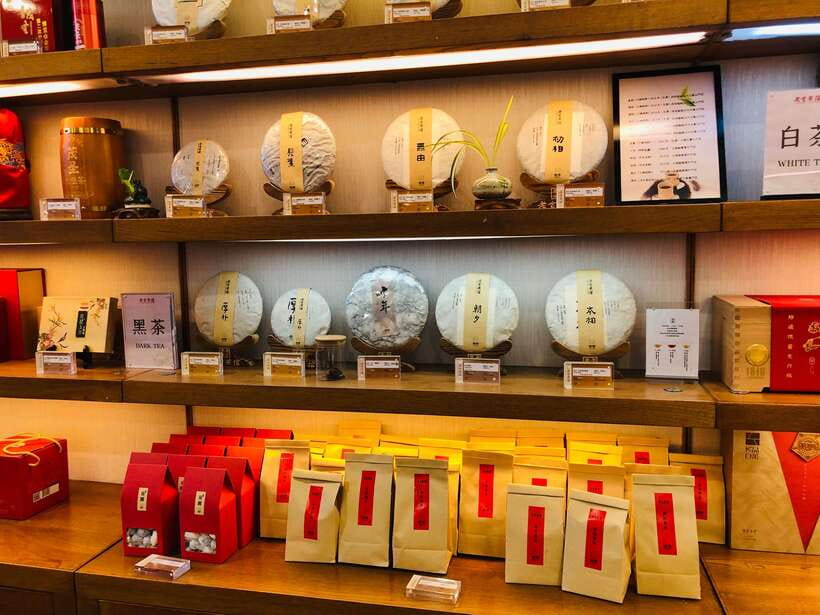
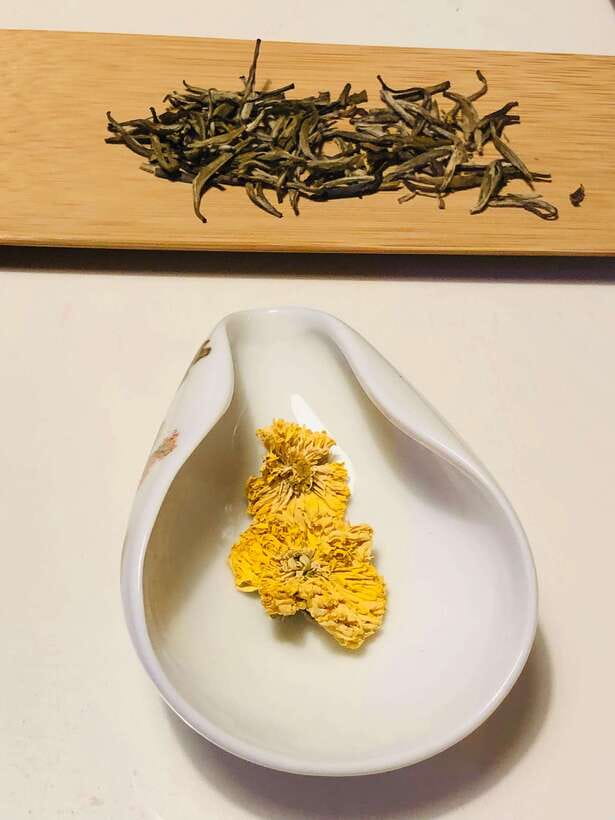
The tasting portion is built around variety, so you can start linking flavor to process. You’ll try teas like Oolong, Pu-erh, green tea, jasmine tea, and flower tea, with the tea master explaining what makes each one distinct.
The included part is 5 mini cups, which is a good format. It’s enough tasting to notice differences without turning it into a stomach workout. In other words, you get the learning value of many teas, but you can still move on with your day afterward.
A useful detail: the master doesn’t just say what the tea is. They guide you to smell the leaves and associate aroma with the tea’s final character. Once you do that, the tasting becomes less random and more like a skill you’re building.
The tea master’s method: water temperature and steeping time
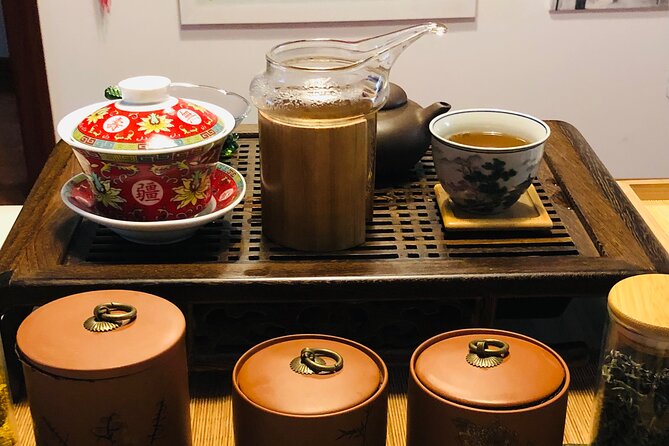
This is where the ceremony earns its keep. The tea master demonstrates precise technique, and you get to see the logic behind each step. The most important lessons are about water temperature and steeping timing, because those two factors shape taste more than people expect.
Here’s what this means in practice. You’re taught to understand the right water heat for the tea type, then to time steeping so the tea doesn’t turn flat or bitter. The ceremony becomes a real lesson in cause and effect: change the temperature or timing, and the cup changes.
They also show you how to handle the pouring step with care. Even if you never become a tea expert, you’ll leave knowing that good tea isn’t only about having the best leaves—it’s about brewing them properly. That’s the kind of takeaway that lasts.
The ritual steps you follow: warming the teapot to mindful pouring
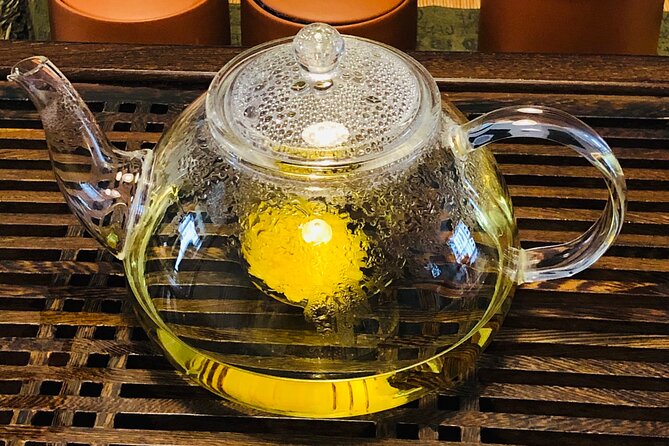
The ceremony is presented as a traditional ritual, not a speed-run. You’ll move through steps with intention, and each step has a sensory purpose.
A classic example: you’ll warm the teapot, then watch how tea is poured. That sequence matters because it affects aroma and how the tea opens up in the cup. The tea master keeps the pacing calm so you can notice what’s happening, rather than zoning out while you wait for the next cup.
More broadly, the experience emphasizes respect, harmony, and mindfulness. You’ll feel the difference in the tone: slower gestures, patient explanations, and a clear focus on attention. If you’ve been touring all day, this is a nice counterweight.
- From Beijing: Mutianyu Great Wall Tours with Options★ 4.9 · 9,216 reviews
- Beijing: Forbidden City Tour(Group/Private)-Tickets Included★ 4.8 · 7,974 reviews
- Beijing: T-Square & Forbidden City Group or Private Tour★ 4.8 · 4,446 reviews
- All-Inclusive Tour: Tiananmen Square, Forbidden City, Great Wall★ 5.0 · 2,873 reviews
- MuBus: Mutianyu Great Wall ENG/ESP/RUS Guided Bus Tour★ 5.0 · 2,361 reviews
How long it takes (and why the range matters)
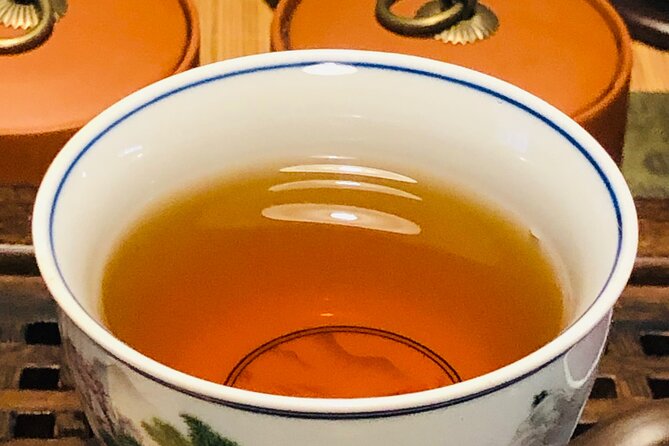
The duration is listed as 30 minutes to 3 hours, depending on the option and time slot you book. That range is important because it changes how you plan your day.
- If you book a shorter slot, treat it like a focused skill lesson plus tasting. It’s ideal if you have other tight plans after the tea house.
- If you book a longer slot, you’ll likely get more time to slow down, ask questions, and take in the full ritual pace.
Either way, it’s not a “show up and leave” thing. The value is in the instruction and tasting flow, so arriving on time helps you get the full experience without feeling rushed.
English host support and who you’ll actually interact with
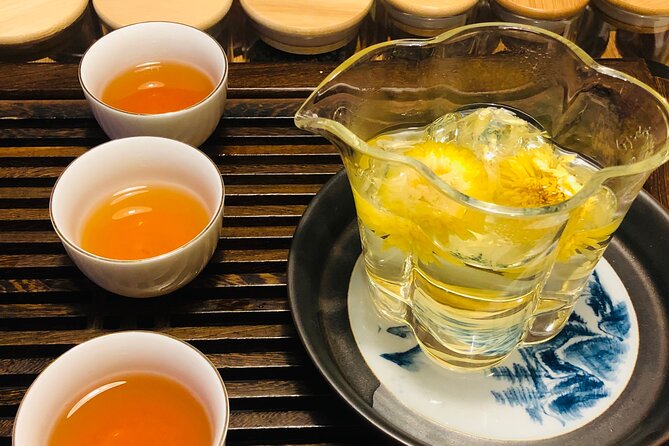
The experience includes an English host or greeter. In practice, this means you’re not left guessing what’s going on. You’ll be met on arrival, and the session is delivered in English.
Some sessions are led by tea experts who have strong English skills. Names that have come up include Richard (also listed as Richard Li), Feye as a host, and Kostya as a tea master. Even if your session uses a different expert, the key point for you is consistency: explanations are delivered in English.
Also, after the ceremony, the tea master manager will walk you back to the meeting point. That’s a small but real comfort if you’re trying to fit this into an itinerary after big sightseeing days.
Price and value: why $9 can be a smart cultural buy
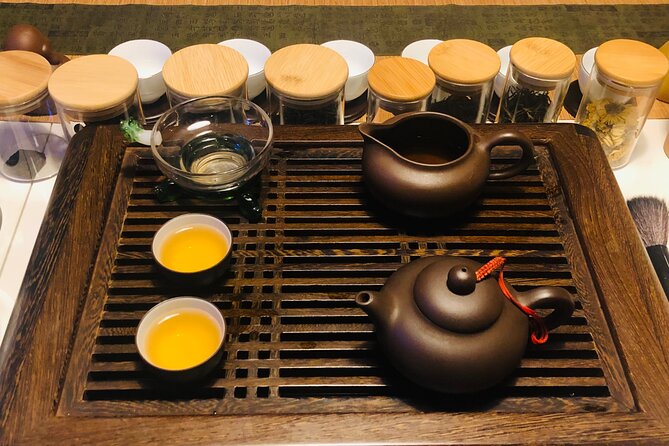
$9 per person is low for a structured cultural activity with instruction plus tea. The real value isn’t only the cost—it’s what you learn.
You’re getting:
- a traditional tea ceremony format
- tea tasting across multiple types
- guided lessons on process (not just flavor)
- 5 mini cups of tea to practice your senses
If you’ve spent time in Beijing and your schedule is packed, this kind of low-cost, high-learning activity can be a strong use of time. You get cultural context without committing half your day or paying for a bigger, multi-stop tour.
Where costs can rise: the optional tea shop purchase isn’t included. If you want to bring tea home, plan to pay that on your own.
Who should book this tea ceremony in Beijing
This is a great fit if you want a calm cultural experience with clear takeaways. It’s especially good if you:
- enjoy hands-on learning more than listening to facts
- want to understand tea beyond stereotypes
- like experiences that are suitable for adults and kids who can follow instructions
It’s not suitable for:
- children under 7
- pregnant women
If either of those applies, you’ll want a different Beijing activity that fits your needs and comfort.
Practical tips so you get the most from your session
A few things can make your visit smoother.
First, bring your attention. Tea ceremonies reward slow noticing—aroma first, taste second, then observation of how the tea changes from cup to cup. If you rush your senses, you lose some of the value.
Second, ask questions as you go. The tea master’s explanations are a core part of why this is worth doing. If you’re curious about which factor matters most for your favorite tea, that’s a great question to ask during the process.
Third, plan your arrival. Since there’s no transportation included and the meeting point can vary, build in time to find your location. If your day includes major sights, give yourself a little buffer.
Finally, if you have a preference for how you like tea (lighter vs stronger), you can often use that as a guide while learning steeping timing. Even if you don’t remember every detail, you’ll leave with a working sense of how to brew more confidently later.
Should you buy tea to take home?
You’ll have the option to purchase tea after the ceremony at your own expense. Since you’re tasting multiple varieties, this is a natural moment to buy what you actually liked, rather than something you selected blindly.
Keep it practical. If you’re planning to travel with tea, think about packaging and how much you realistically want to carry. If you’re buying gifts, choose based on the flavors you tasted—jasmine and flower teas can be more fragrant and approachable, while Oolong and Pu-erh may be better if you already enjoy more complex flavors.
Book it or pass: my practical recommendation
I’d book this if you want a low-cost, meaningful Beijing activity that teaches real tea skills. The strengths are the English-friendly guidance, the variety of teas in small tasting cups, and the focus on technique like water temperature and steeping timing.
I’d pass if you’re looking for a big city-walk tour or if you need transportation provided, since you’ll handle getting to the meeting point on your own. Also skip it if your group includes a child under 7 or someone who is pregnant.
If your schedule has room for a quiet, guided learning session, this is the kind of experience that sticks with you long after the last sip.
FAQ
How long does the traditional Chinese tea ceremony take?
The duration is listed as 30 minutes to 3 hours, depending on availability and the option you book.
What’s included in the price?
The activity includes the tea ceremony itself and 5 mini cups of tea.
Is there a tour guide included?
No tour guide is included. You’ll have an English host or greeter for help and the tea master will lead the ceremony.
What tea types will I taste?
You’ll taste a variety of teas such as Oolong, Pu-erh, green tea, jasmine tea, and flower tea.
Is it suitable for children?
No, it’s not suitable for children under 7 years old.
What do I need to provide when booking?
You’re asked to leave your WhatsApp number when you book.
More Tour Reviews in Beijing
- From Beijing: Mutianyu Great Wall Tours with Options
★ 4.9 · 9,216 reviews - Beijing: Forbidden City Tour(Group/Private)-Tickets Included
★ 4.8 · 7,974 reviews - Beijing: T-Square & Forbidden City Group or Private Tour
★ 4.8 · 4,446 reviews - All-Inclusive Tour: Tiananmen Square, Forbidden City, Great Wall
★ 5.0 · 2,873 reviews - MuBus: Mutianyu Great Wall ENG/ESP/RUS Guided Bus Tour
★ 5.0 · 2,361 reviews - 4-Hour Small Group Tour to Forbidden City with Entry Tickets
★ 5.0 · 1,863 reviews
Beijing by the Teacup
- Beijing Culture: Tea Ceremony, Heritage Instrument & Calligraphy
★ 5.0 · 57 reviews - Chinese Tea ceremony in Beijing Hutong courtyard
★ 4.7 · 26 reviews - Beijing Culture Event: Tradition Music, Tea Ceremony, Calligraphy
★ 5.0 · 11 reviews - Beijing: Temple Of Heaven+Tai Chi Class+Tea Ceremony
★ 5.0 · 8 reviews - Traditional Chinese Tea Ceremony Experience
★ 5.0 · 7 reviews - Beijing Tai Chi and Tea Ceremony Experience
★ 5.0 · 4 reviews
Just In: More Beijing Tours to Browse


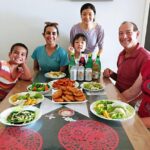

Tea Ceremony Experiences, compared.
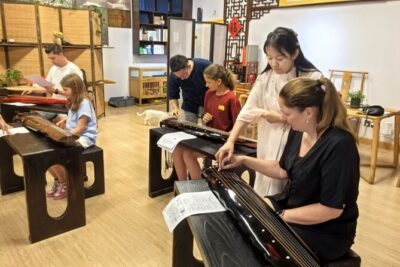 ★ 5.0Beijing Culture: Tea Ceremony, Heritage Instrument & CalligraphyFrom $7857 reviews
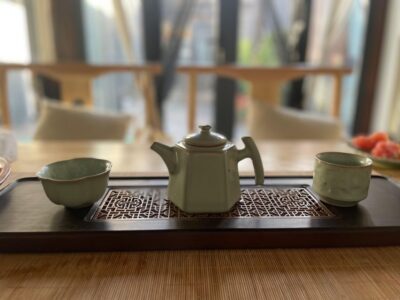 ★ 4.7Chinese Tea ceremony in Beijing Hutong courtyardFrom $3126 reviews
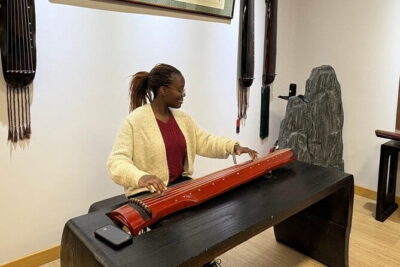 ★ 5.0Beijing Culture Event: Tradition Music, Tea Ceremony, CalligraphyFrom $1511 reviews
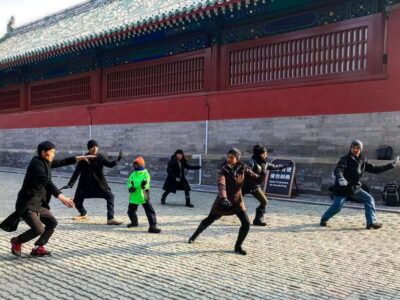 ★ 5.0Temple Of Heaven+Tai Chi Class+Tea CeremonyFrom $1298 reviews
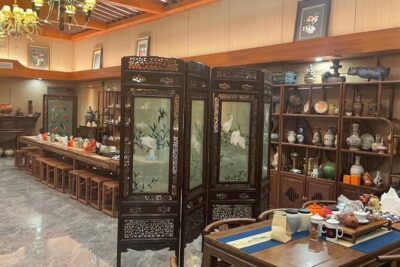 ★ 5.0Traditional Chinese Tea Ceremony ExperienceFrom $97 reviews
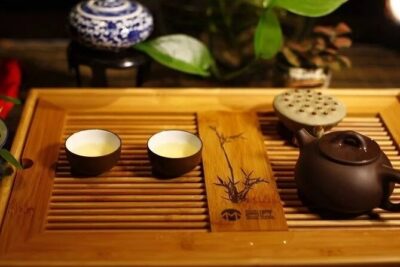 ★ 5.0Beijing Tai Chi and Tea Ceremony ExperienceFrom $954 reviews
Browse the lists this tour appears in