
Reviewed · HUTONG WALKS & RICKSHAW TOURS
Chinese Tea ceremony in Beijing Hutong courtyard
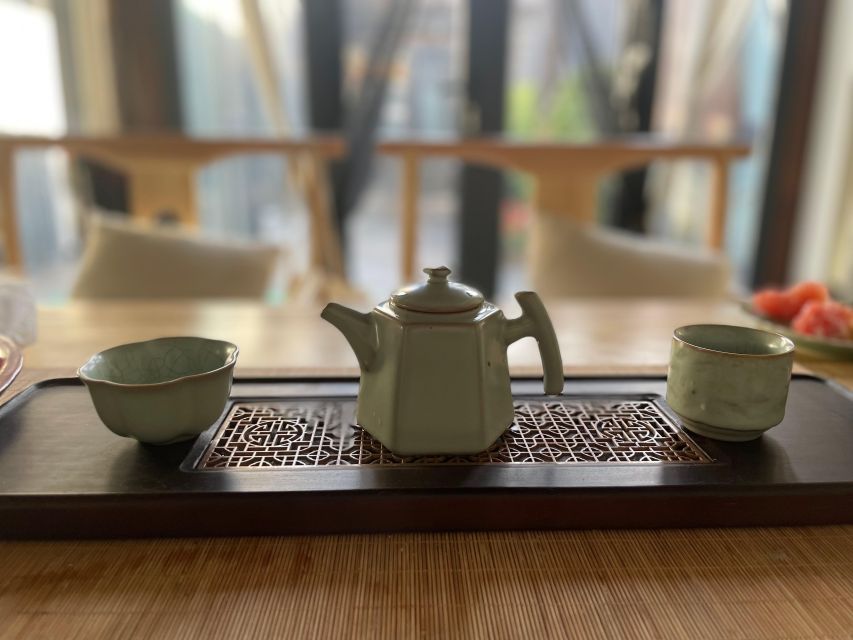
Chinese tea has a way of slowing Beijing down. In a Hutong courtyard near the Forbidden City, you get a one-hour Chinese tea ceremony with small-group attention and time to chat with local hosts.
Two things I especially like: you choose from classic tea styles (black, green, wulong, Pu’Er), and you don’t just watch—you learn how to brew and drink properly. The one drawback to consider is cost: the listed price is $31 per person, but there’s also a separate 100 RMB per person charge noted for this experience.
If you’re already touring the Forbidden City area, this is a smart use of time. It’s cultural, yes, but it’s also very human: you’re sitting inside a working Hutong courtyard where local family life is part of the atmosphere.
In This Review
- Key things to look forward to
- Tea ceremony in a Beijing Hutong: what the hour really feels like
- Where you’ll be: Hutong courtyard, steps from the Forbidden City
- Getting there: pickup, timing, and what to do before you start
- Choosing your tea: black, green, wulong, or Pu’Er
- The ceremony itself: how the hosts teach, serve, and explain
- Hutong courtyard life: the part that makes it feel real
- Optional short stroll: Hutong lanes near the Forbidden City
- Price and value: is it worth $31 plus 100 RMB?
- Who should book this tea ceremony?
- Tips to get more out of your hour
- Should you book? My practical recommendation
- FAQ
- FAQ
- How far is the tea workshop from the Forbidden City?
- How long is the Chinese tea ceremony?
- What is included in the price?
- What kinds of tea can I choose from?
- Is the tour taught in English?
- Is there pickup?
- How big is the group?
- Is wheelchair access available?
- Is there an extra charge besides the $31 price?
- What are the cancellation and payment options?
Key things to look forward to
- Hutong courtyard setting near the Forbidden City: about a short walk from the east gate area
- Pick your tea style: black, green, wulong, or Pu’Er, served as one pot
- Learn how to brew and drink: not just rules, but practical technique and meaning
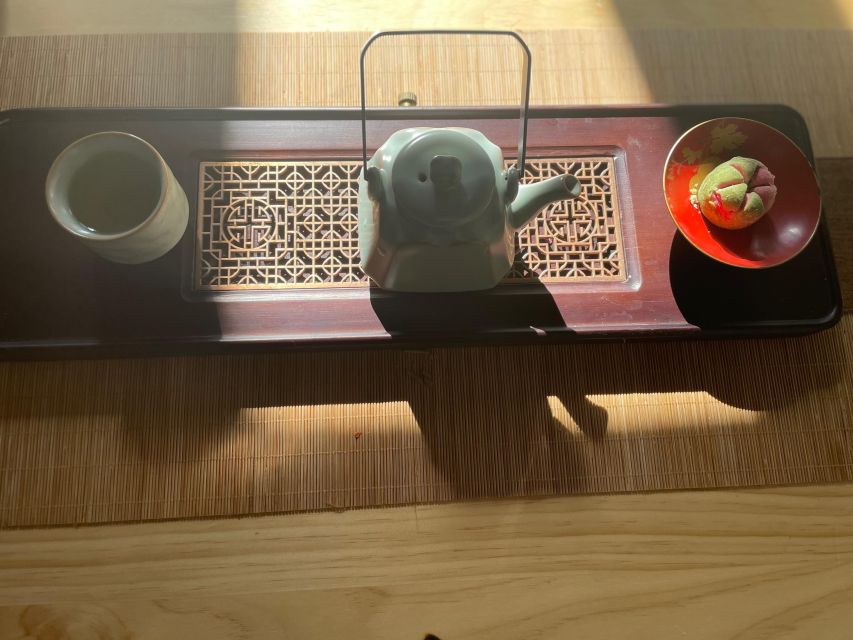
- Complimentary snacks with your tea: small bites that match the ceremony
- Conversation time with local hosts: English guidance plus real family talk
- Very small group (up to 4 people): more Q&A, less waiting around
Down the grey-brick lanes on foot or by pedicab
Tea ceremony in a Beijing Hutong: what the hour really feels like
Beijing’s Hutongs can feel like a living time capsule—narrow lanes, courtyard homes, daily life happening in plain sight. This experience takes that everyday setting and turns it into a tea lesson you can actually use later, whether you’re a tea person or not.
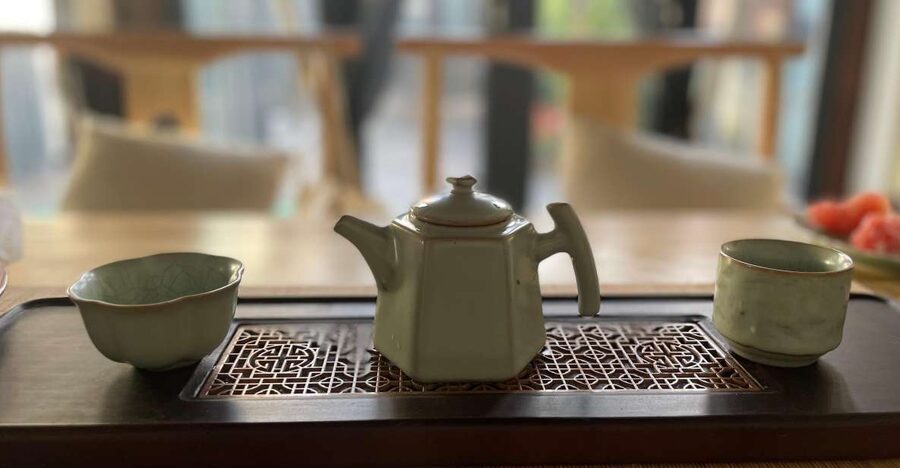
The ceremony itself is built around one pot of Chinese tea, and you get to choose the type. That choice matters because the whole point is to taste and learn how different teas behave, how they’re brewed, and what they’re traditionally associated with.
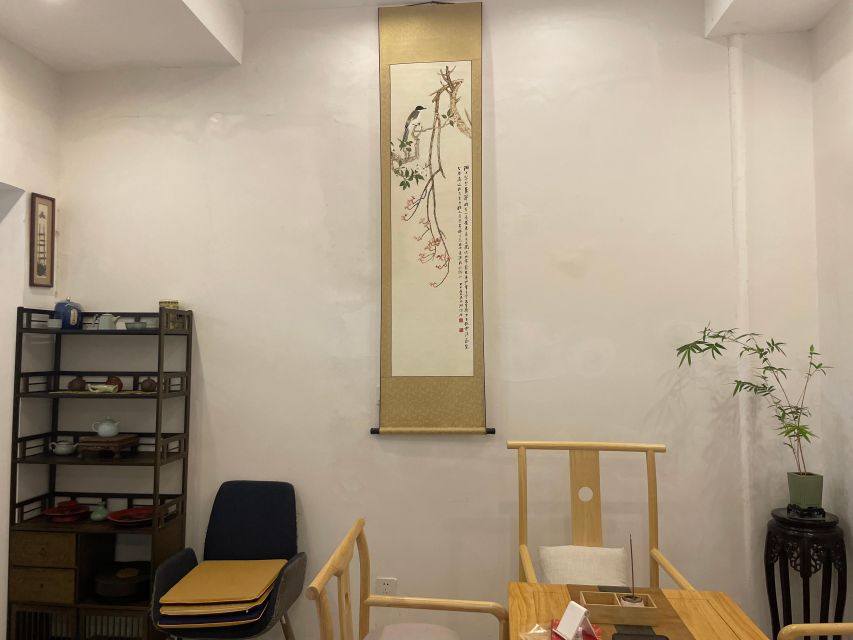
You should expect a calm pace. Even when the area around you is busy, the courtyard space is designed for sitting, listening, and tasting without rushing. That’s also why the small group size works so well—there’s room for questions and conversation.
Where you’ll be: Hutong courtyard, steps from the Forbidden City
Location is the big practical win here. The tea workshop is about 150 meters from the east gate of the Forbidden City, and it’s also described as roughly 800 meters west of an exit gate. Either way, you’re close enough that this doesn’t feel like a major detour.
On a busy Beijing day, that’s huge. You can do this before or after major sights and still keep your energy for walking and photos. Also, being near landmark areas means you’re likely to find plenty of directions and transit options nearby—useful if you’re trying to build your day without stress.
You’ll be in a setting surrounded by historic points of interest, including places referenced like the Pudusi inheritance area and the Imperial Ancestral Temple. The point isn’t that you’ll run a sightseeing route; it’s that the neighborhood context is real. You’re drinking tea in the same part of town where history sits close to daily life.
Getting there: pickup, timing, and what to do before you start
You’ll get pickup included, with a simple instruction: wait in your hotel lobby about 10 minutes before your scheduled pickup time. The ceremony runs for 1 hour, so timing matters. Show up a few minutes early at the start point and you’ll feel calmer once you arrive.
The experience also notes that it’s in English, led by an English instructor. That’s a key detail for this kind of activity because tea ceremonies can get poetic fast. Here, you’re getting explanations you can follow, and the hosts have enough English to make conversation comfortable.
One more practical note: the group is capped at 4 participants. That means you’ll likely share the courtyard space with a couple of other people—not a crowd. If you like low-pressure cultural activities, this format is a big plus.
Choosing your tea: black, green, wulong, or Pu’Er
The menu of tea options is straightforward: black tea, green tea, wulong tea, and Pu’Er tea. You’ll get one pot total for your ceremony, and you can choose among those styles.
What I like about this setup is that it gives you variety without turning your hour into a complicated tasting seminar. You’re not bouncing between five different teas and rushing to keep up. Instead, you pick one style and learn how that type is meant to be brewed and enjoyed.
From what people have shared, the ceremony isn’t just about flavor—it’s also about technique. One consistent takeaway: good tea taste usually comes from brewing details, not simply pouring boiling water and waiting. You’ll hear why the process matters, and you’ll get a chance to experience the difference.
Slow pours and warm cups, more tea sittings
- Traditional Chinese Tea Ceremony Experience★ 4.7 · 74 reviews
- Beijing Culture: Tea Ceremony, Heritage Instrument & Calligraphy★ 5.0 · 57 reviews
- Beijing Culture Event: Tradition Music, Tea Ceremony, Calligraphy★ 5.0 · 11 reviews
- Beijing: Temple Of Heaven+Tai Chi Class+Tea Ceremony★ 5.0 · 8 reviews
- Traditional Chinese Tea Ceremony Experience★ 5.0 · 7 reviews
The ceremony itself: how the hosts teach, serve, and explain
Expect an explanation of tea culture as the ceremony happens. The teaching style is meant to be practical and conversational, not lecture-heavy. You’ll also receive complimentary snacks that pair with the tea.
A few points show up again and again in the experiences people describe:
- You learn more than one way to think about tea, including how the ceremony’s steps connect to meaning and tradition.
- You get guidance on how to brew properly, with attention to what makes the tea taste right.
- You’ll likely discuss which teas are traditionally treated as better suited to different seasons, and how people associate tea with how you feel.
Also, the ceremony includes social skills, in a way. People mention learning how to hold and handle teacups with correct form, which sounds formal until you’re doing it and realizing it changes your experience. It slows you down, makes you pay attention, and helps you focus on the cup and aroma instead of multitasking.
Hutong courtyard life: the part that makes it feel real
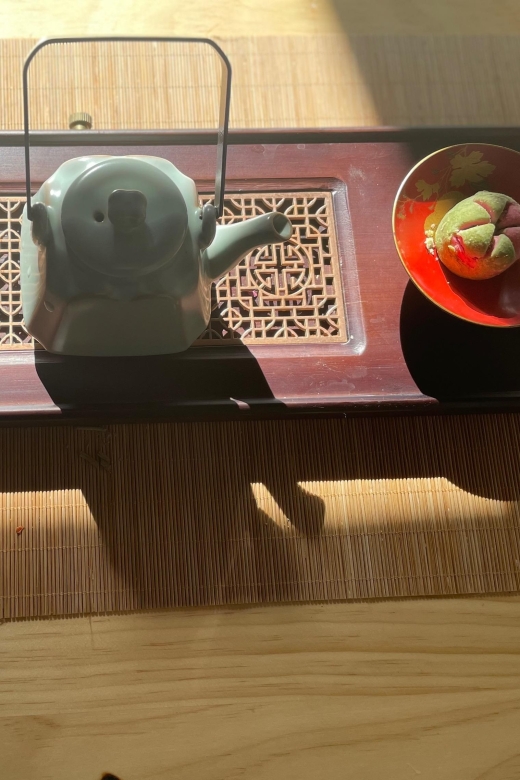
This is where the value isn’t just the tea. It’s the setting and the people.
The host angle is central to the experience: you’ll have a deep contact with local Beijing life in the Hutong courtyard, and the experience emphasizes that the family has lived there for generations. That matters because the conversation often turns into real stories about daily routines, neighborhood culture, and what the ceremony means inside a living home.
One of the most frequently praised details is the warm interaction with hosts who speak English well. A host named Limeng is specifically mentioned in multiple accounts as friendly and welcoming, with English that makes the cultural exchange easy rather than awkward.
If you’re worried about feeling like you’re being performed at, don’t. The courtyard setting encourages back-and-forth talk. You can ask questions, learn the reasoning behind steps, and treat it more like a shared moment than a staged performance.
Optional short stroll: Hutong lanes near the Forbidden City
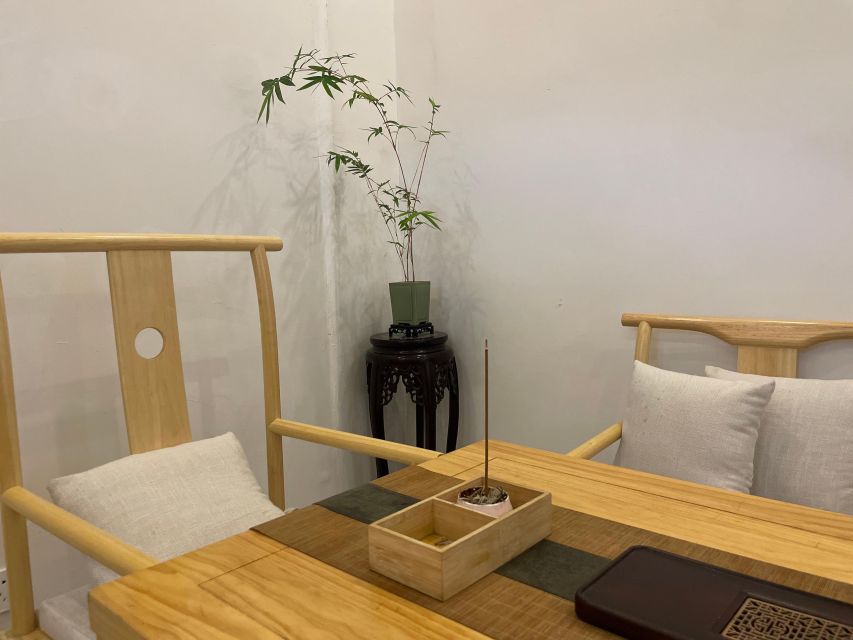
The experience may include a short walk afterward through nearby Hutong lanes, described as close to the Forbidden City. This part isn’t as consistently described as the ceremony itself, but the idea matches what you’re already doing: you’re getting the atmosphere of the area from inside, not just from a guided viewpoint.
Even if the walk is brief, it helps connect the tea lesson to the place it comes from. Beijing’s Hutongs aren’t museums. A short stroll gives you that sense of texture—tight turns, old walls, quiet doorways, and the feeling that history is still in use.
Price and value: is it worth $31 plus 100 RMB?
Let’s talk money plainly. You’re paying $31 per person, and the details also mention an additional 100 RMB per person charge.
So the right question isn’t just whether it’s cheap. The question is whether what you’re getting matches your interests.
Here’s the value case:
- Small group of up to 4 means more interaction and less waiting.
- You get one pot of tea, plus complimentary snacks.
- The location is extremely central, about a short walk from the Forbidden City area, so you’re not spending half your day commuting.
- You get English-led explanations and hands-on brewing guidance, not only a look-and-smile demonstration.
And here’s the consideration: for a family or group, the total can feel steep quickly because of that small-group pricing and the extra RMB charge. One family-sized group mentioned thinking the price was steep. If you’re traveling as a bigger group, you may want to compare this to other tea experiences farther from the city center, where pricing can be less intense.
My take: it’s worth it if you want a calmer, more personal cultural hour in a real courtyard. It’s less compelling if you only want a quick drink with minimal explanation.
Who should book this tea ceremony?
This is a strong fit if:
- You like cultural activities where you learn a skill you can repeat later (brewing technique, how to taste, ceremony steps).
- You want a quieter break from the major sights in the Forbidden City area.
- You enjoy chatting with locals and don’t want a scripted tour.
It’s also a decent choice even if you’re not a big tea person. Some people say they aren’t tea lovers but still found the tea tasty and enjoyed the conversation and rituals. That’s often a good sign: the ceremony can be approachable, not elitist.
If you’re allergic to strong scents or prefer strictly hands-off experiences, you’ll want to plan carefully. The ceremony is guided and you’ll be invited to participate, including learning how to brew and handle cups.
Tips to get more out of your hour
A tea ceremony is short. If you go in ready, you’ll get way more from it.
- Ask your host which tea style you’ll enjoy most, based on what you normally drink. The tea choice is part of the experience.
- Don’t rush the tasting. If the host explains steps as you go, wait for the cue before taking action.
- Take a moment to notice aroma and aftertaste. Tea changes as it cools slightly, and that’s part of why the ceremony takes time.
- If you care about learning, ask follow-up questions. With a group size capped at 4, you can actually get answers.
Should you book? My practical recommendation
Book it if you want a small, hands-on cultural hour in a real Hutong courtyard right near the Forbidden City. The mix of tea choice, snacks, English instruction, and local conversation makes it more than a drink stop.
Skip it if you’re mainly chasing bargains or you don’t enjoy guided cultural activities. With the additional 100 RMB per person, you’re paying for intimacy and location, not just tea flavor.
If your day is heavy with sights, this is a smart counterbalance. It slows you down, gives you something useful to remember, and lets Beijing feel less like a checklist and more like a place you understand at street level.
FAQ
FAQ
How far is the tea workshop from the Forbidden City?
The workshop is about 150 meters from the east gate of the Forbidden City, and it’s also described as around 800 meters west of an exit gate area.
How long is the Chinese tea ceremony?
The experience lasts 1 hour.
What is included in the price?
It includes the Hutong courtyard experience and the Chinese tea ceremony, including one pot of Chinese tea and complimentary snacks.
What kinds of tea can I choose from?
You can choose among black tea, green tea, wulong tea, and Pu’Er tea.
Is the tour taught in English?
Yes. The instructor and experience are listed as English.
Is there pickup?
Yes. Pickup is included, and you should wait in your hotel lobby about 10 minutes before the scheduled pickup time.
How big is the group?
It’s a small group limited to 4 participants.
Is wheelchair access available?
Yes, the experience is listed as wheelchair accessible.
Is there an extra charge besides the $31 price?
The information notes an additional charge of 100 RMB per person.
What are the cancellation and payment options?
Free cancellation is available up to 24 hours in advance for a full refund, and you can reserve now and pay later.
More Tour Reviews in Beijing
- From Beijing: Mutianyu Great Wall Tours with Options
★ 4.9 · 9,216 reviews - Beijing: Forbidden City Tour(Group/Private)-Tickets Included
★ 4.8 · 7,974 reviews - Beijing: T-Square & Forbidden City Group or Private Tour
★ 4.8 · 4,446 reviews - All-Inclusive Tour: Tiananmen Square, Forbidden City, Great Wall
★ 5.0 · 2,873 reviews - MuBus: Mutianyu Great Wall ENG/ESP/RUS Guided Bus Tour
★ 5.0 · 2,361 reviews - 4-Hour Small Group Tour to Forbidden City with Entry Tickets
★ 5.0 · 1,863 reviews
Beijing by the Teacup
- Traditional Chinese Tea Ceremony Experience
★ 4.7 · 74 reviews - Beijing Culture: Tea Ceremony, Heritage Instrument & Calligraphy
★ 5.0 · 57 reviews - Beijing Culture Event: Tradition Music, Tea Ceremony, Calligraphy
★ 5.0 · 11 reviews - Beijing: Temple Of Heaven+Tai Chi Class+Tea Ceremony
★ 5.0 · 8 reviews - Traditional Chinese Tea Ceremony Experience
★ 5.0 · 7 reviews - Beijing Tai Chi and Tea Ceremony Experience
★ 5.0 · 4 reviews
Deeper Into the Hutongs
- Beijing Hutong Walking Food and Beer Tour at Hidden Restaurants
★ 5.0 · 1,132 reviews - Temple Heaven, Summer Palace, Lama Temple, Hutong Bus Tour
★ 4.7 · 319 reviews - Temple of Heaven, Summer Palace, Lama Temple, Hutong Tours
★ 5.0 · 311 reviews - Beijing Private Hutong Food Walking Tour
★ 5.0 · 299 reviews - The Hutong Experience by Bike
★ 5.0 · 163 reviews - Beijing: Hutong Culinary Walking Tour with 15+ Tastings
★ 5.0 · 162 reviews
Just In: More Beijing Tours to Browse




Hutong Walks & Rickshaw Tours, compared.
 ★ 5.0Beijing Hutong Walking Food and Beer Tour at Hidden RestaurantsFrom $801,132 reviews
 ★ 4.7Temple Heaven, Summer Palace, Lama Temple, Hutong Bus TourFrom $58319 reviews
 ★ 5.0Temple of Heaven, Summer Palace, Lama Temple, Hutong ToursFrom $99311 reviews
 ★ 5.0Beijing Private Hutong Food Walking TourFrom $82299 reviews
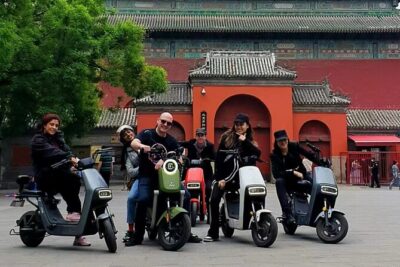 ★ 5.0The Hutong Experience by BikeFrom $150163 reviews
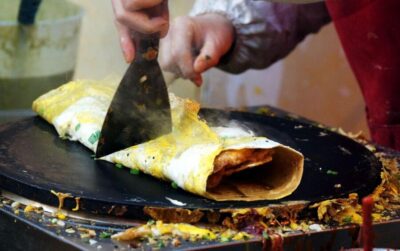 ★ 5.0Hutong Culinary Walking Tour with 15+ TastingsFrom $76162 reviews
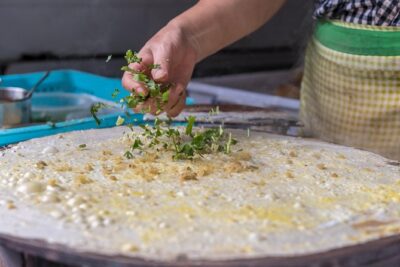 ★ 5.0Beijing Hutong Breakfast Food TourFrom $45155 reviews
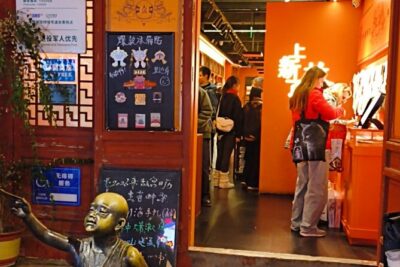 ★ 5.0Beijing City Walk: Explore Hutongs Life and Old BeijingFrom $15146 reviews
Browse the lists this tour appears in