
Reviewed · TEA CEREMONY EXPERIENCES
Traditional Chinese Tea Ceremony Experience
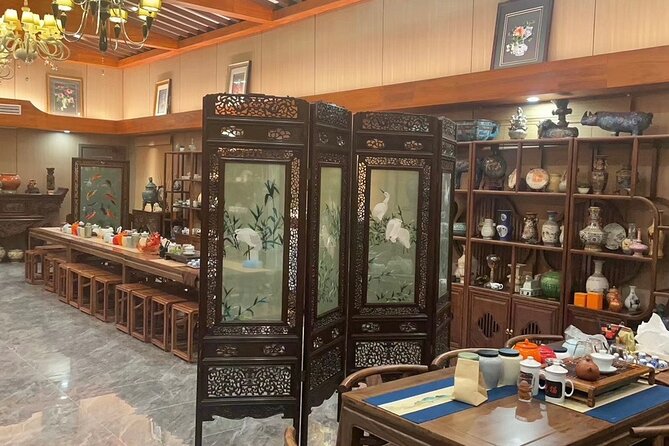
Tea time in Beijing feels like a pause button. This traditional tea ceremony slows everything down with a practiced ritual of brewing and appreciation, not just sipping. You’ll sample several popular styles, learn what matters in each step, and do it with a friendly tea master who keeps the mood calm and welcoming.
I especially love the friendly staff, and the name Richard shows up in glowing feedback alongside the tea master’s warm guidance. I also like that you get a five-mini-cup tasting experience in a short window, so you can fit it into a busy Beijing day without sacrificing quality.
One thing to consider: the ceremony is about 30 minutes, so if you’re hoping for a long, super technical lesson, this is more about the ritual and the basics you can taste immediately.
In This Review
- Key highlights you’ll care about
- A short ceremony that teaches the point of tea
- What happens during the tea ceremony (and why each step matters)
- Five teas in a neat tasting flight
- Getting oriented in Beijing: where you start and how you finish
- Price and value: why $9.90 can make sense
- Small group energy and the role of Richard and the tea master
- When this tea ceremony is the best fit for you
- Should you book this traditional Chinese tea ceremony?
- FAQ
- How long is the traditional Chinese tea ceremony in Beijing?
- What is included in the price?
- Do I need to pay for a tour guide?
- What types of tea will I taste?
- Is there any shopping included?
- Where do I meet for the experience?
- How does the experience end?
- Is there free cancellation?
Key highlights you’ll care about
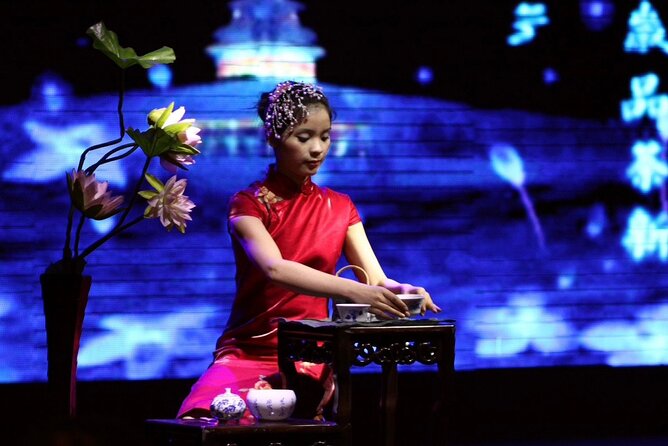
- A real ritual, not just a drink: warming the teapot, pouring with intention, and learning how to appreciate tea properly
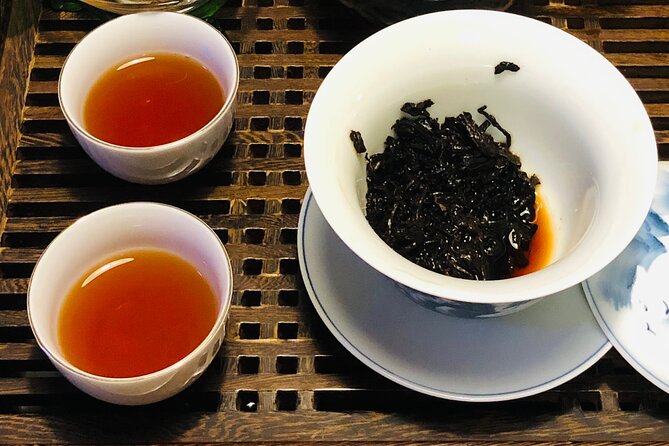
- Five tea styles, small cups: oolong, pu-erh, green tea, jasmine tea, and flower tea
- A tea master-led session: clear demonstrations step by step, with a calm, respectful pace
- Small group size (max 15): more chance to ask questions and stay comfortable
- Great value at $9.90: included tea ceremony plus tasting cups, no guide required
- Optional tea shopping at your own cost: you can buy only if you actually want it
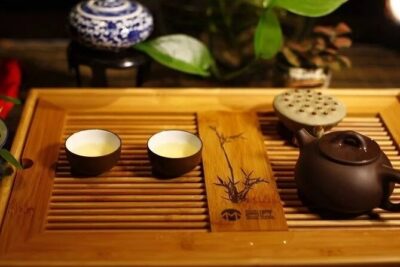
Slow pours and warm cups, more tea sittings
A short ceremony that teaches the point of tea
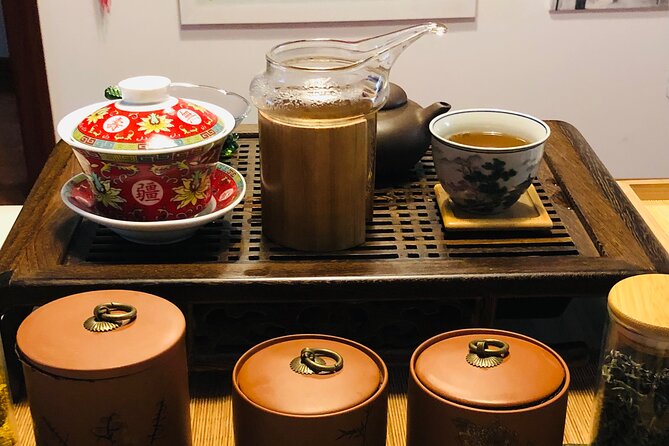
In Beijing, tea culture isn’t treated like background noise. It’s treated like a small performance of care—how the teaware is handled, how the water is poured, and how you’re supposed to smell and sip.
This experience is built around that idea. You arrive, a friendly tea master greets you, and the session becomes a guided walk through the ritual. Even if you’re not a tea expert, you can follow along because each step has a reason: the timing, the temperature, and the way the tea is presented for your senses. The whole mood leans toward respect, harmony, and mindfulness, which is exactly why it works as a break from Beijing’s pace.
And yes, it’s also fun. There’s something natural about learning through tasting, especially when the session is designed around practical steps rather than a lecture.
What happens during the tea ceremony (and why each step matters)
The heart of the activity is a demonstration of proper brewing and appreciation. You’ll watch the tea master work, then you’ll taste the results in a guided way.
Here’s the logic of what you’re seeing:
- Warming the teapot and preparing the cup sets the stage. Tea tastes different when the serving vessel isn’t cold, and the ceremony uses that simple detail to show that temperature and touch matter.
- Pouring the tea isn’t random. The method affects how the tea releases aroma, how it settles, and how you experience the flavor on your first sip.
- Smell first, sip next is a big part of tea appreciation. You’re encouraged to notice aroma before the taste fully takes over.
What I like about this format is that it turns tea into a sensory checklist you can actually remember later when you’re ordering tea in a café. The point is not to memorize complicated terms—it’s to understand why the steps exist, so you can drink with more intention.
Five teas in a neat tasting flight
The ceremony includes tasting in five mini cups, and the tea styles you’ll encounter include oolong, pu-erh, green tea, jasmine tea, and flower tea.
That lineup is smart for a couple reasons:
- It gives you a quick comparison across styles that taste and smell very differently.
- It helps you spot what you genuinely like, not what you think you should like.
If you’re trying to decide what to order later in Beijing, this is a shortcut. After five samples, you usually know whether you prefer:
- an earthy, deeper profile (often pu-erh)
- a lighter, fresh feel (commonly green tea)
- a floral aroma direction (jasmine and flower tea)
- a balanced, aromatic middle ground (often oolong)
Because they’re mini cups, you can taste broadly without feeling stuck with one “wrong” choice. And because it’s part of a guided ritual, you’re not just swallowing and hoping. You’re learning how to pay attention while you drink.
Getting oriented in Beijing: where you start and how you finish
Your meeting point is on Jian Nei Da Jie (Jian Nei Avenue), in Dongcheng district: Jian Nei Da Jie, Dong Cheng Qu, Bei Jing Shi, China. Your activity ends back at the meeting point.
The session is tied to a scheduled stop at Chang An Grand Theater, so plan for the fact that your tea ceremony may be organized around that area. Practically, this means you should give yourself a little buffer so you’re not rushing through Beijing streets and hutong corridors while trying to find the right spot.
The good news: it’s near public transportation. So if your plan is to hop off the subway, this fits easily into a day of sightseeing.
And after the ceremony, the tea master manager walks you back to the meeting point or to Jianguomen Subway station. That matters more than it sounds, because Beijing can feel confusing when you’re juggling directions and crowd flow. Getting guided back reduces that stress.
- From Beijing: Mutianyu Great Wall Tours with Options★ 4.9 · 9,216 reviews
- Beijing: Forbidden City Tour(Group/Private)-Tickets Included★ 4.8 · 7,974 reviews
- Beijing: T-Square & Forbidden City Group or Private Tour★ 4.8 · 4,446 reviews
- All-Inclusive Tour: Tiananmen Square, Forbidden City, Great Wall★ 5.0 · 2,873 reviews
- MuBus: Mutianyu Great Wall ENG/ESP/RUS Guided Bus Tour★ 5.0 · 2,361 reviews
Price and value: why $9.90 can make sense
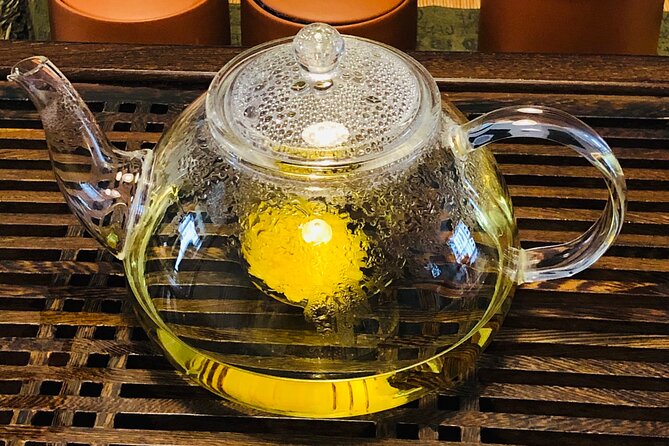
At $9.90 per person, the biggest value question is what you get for the money. Here, you’re paying for a traditional tea ceremony plus five mini cups—not a long tour with extras.
That can be a great deal if:
- you want a cultural activity that doesn’t eat half a day
- you enjoy guided tasting experiences
- you’d rather spend on one meaningful moment than a pile of souvenirs
There are two practical cautions:
- This doesn’t include shopping expenses. If you decide to buy tea afterward, it’s at your own cost.
- It’s short, around 30 minutes. For some people, short is perfect. For others, it can feel like you’re getting the highlight reel rather than the full course.
Still, for many travelers, this is one of those low-cost, high-satisfaction activities. You get tea in multiple styles, a ritual explanation, and the chance to ask questions—without the price tag ballooning.
Small group energy and the role of Richard and the tea master
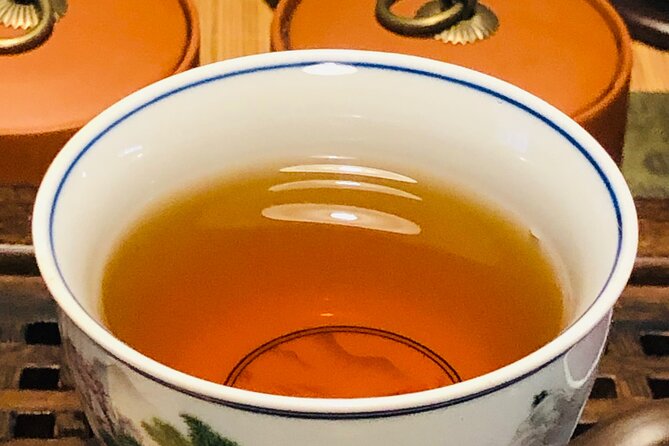
The group size caps at 15 travelers, which is where you start to feel the difference. You’re not disappearing into a crowd. You’re closer to the tea master and more likely to hear details clearly while you’re tasting.
The reviews that stand out mention the staff being friendly and the tea master being very lovely. One name that shows up is Richard, mentioned with particular warmth alongside the tea master’s guidance. That’s a useful signal: this isn’t just scripted. The people running it seem to care about your comfort and understanding.
Also note: there is no separate tour guide included. That’s not a flaw by default. It usually means the tea master becomes the main instructor and guide for the experience. If you like learning directly from the person doing the craft, that’s a good match.
When this tea ceremony is the best fit for you
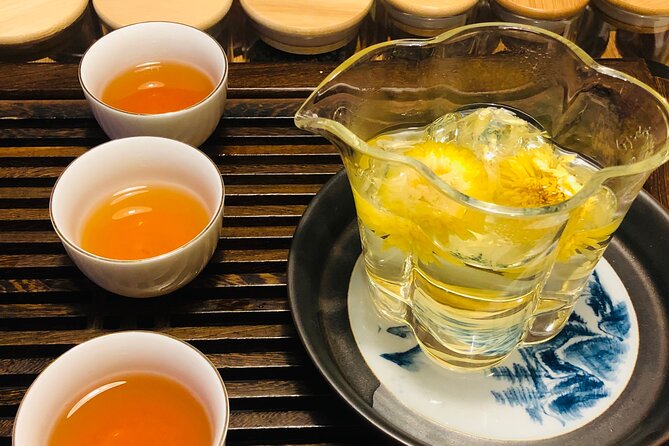
This experience works especially well if you:
- want a calm, culture-forward break in Beijing
- like tasting food and drinks as learning tools
- are traveling with kids, since the format is described as fun and interesting for both adults and children
- prefer small-group activities rather than large, noisy group tours
You might choose another kind of tour if:
- you want a long academic lecture style experience
- you expect a full-day itinerary with many stops
- you’re looking for included shopping or a broader market tour (those aren’t part of this)
Should you book this traditional Chinese tea ceremony?
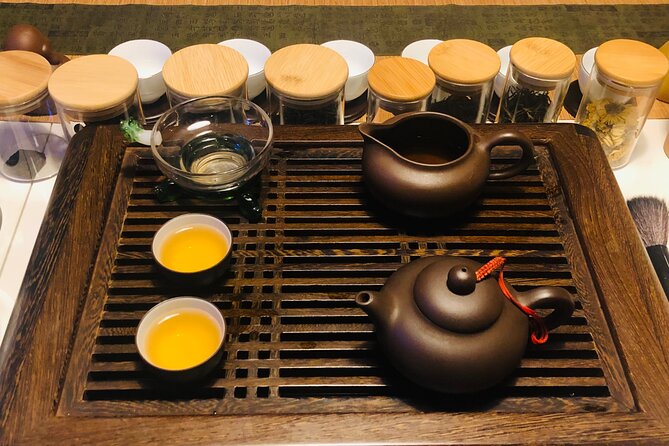
I’d book it if you want a short, well-run ritual with real tasting and a friendly tea master presence. The price is low enough that you’re not taking a big financial risk, and the included tea ceremony plus five mini cups gives you a clear outcome: you taste multiple tea styles and learn how the process works.
Skip it or manage expectations if you’re craving a deep, hour-plus lesson with lots of added sightseeing. This is about the ceremony itself, kept to a tight time window. Think of it as a focused reset you can fit into your itinerary, not a multi-hour course.
If you like thoughtful cultural experiences where you participate through your senses, this one is worth the slot.
FAQ
How long is the traditional Chinese tea ceremony in Beijing?
The ceremony runs for about 30 minutes.
What is included in the price?
The tea ceremony and 5 mini cups of tea are included.
Do I need to pay for a tour guide?
No tour guide is included.
What types of tea will I taste?
You’ll taste multiple teas, including oolong, pu-erh, green tea, jasmine tea, and flower tea.
Is there any shopping included?
No shopping expenses are included. You can purchase tea afterward if you want, at your own expense.
Where do I meet for the experience?
You start at Jian Nei Avenue (Jian Nei Da Jie, Dong Cheng Qu, Bei Jing Shi, China).
How does the experience end?
It ends back at the meeting point, and the tea master manager will also walk you back to the meeting point or to Jianguomen Subway station.
Is there free cancellation?
Yes, you can cancel for a full refund up to 24 hours before the experience starts.
More Tour Reviews in Beijing
- From Beijing: Mutianyu Great Wall Tours with Options
★ 4.9 · 9,216 reviews - Beijing: Forbidden City Tour(Group/Private)-Tickets Included
★ 4.8 · 7,974 reviews - Beijing: T-Square & Forbidden City Group or Private Tour
★ 4.8 · 4,446 reviews - All-Inclusive Tour: Tiananmen Square, Forbidden City, Great Wall
★ 5.0 · 2,873 reviews - MuBus: Mutianyu Great Wall ENG/ESP/RUS Guided Bus Tour
★ 5.0 · 2,361 reviews - 4-Hour Small Group Tour to Forbidden City with Entry Tickets
★ 5.0 · 1,863 reviews
Beijing by the Teacup
- Traditional Chinese Tea Ceremony Experience
★ 4.7 · 74 reviews - Beijing Culture: Tea Ceremony, Heritage Instrument & Calligraphy
★ 5.0 · 57 reviews - Chinese Tea ceremony in Beijing Hutong courtyard
★ 4.7 · 26 reviews - Beijing Culture Event: Tradition Music, Tea Ceremony, Calligraphy
★ 5.0 · 11 reviews - Beijing: Temple Of Heaven+Tai Chi Class+Tea Ceremony
★ 5.0 · 8 reviews - Beijing Tai Chi and Tea Ceremony Experience
★ 5.0 · 4 reviews
Just In: More Beijing Tours to Browse



Tea Ceremony Experiences, compared.
 ★ 4.7Traditional Chinese Tea Ceremony ExperienceFrom $974 reviews
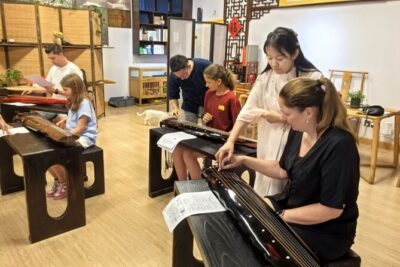 ★ 5.0Beijing Culture: Tea Ceremony, Heritage Instrument & CalligraphyFrom $7857 reviews
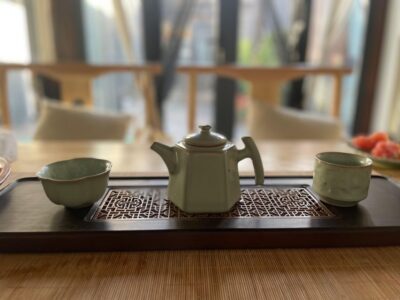 ★ 4.7Chinese Tea ceremony in Beijing Hutong courtyardFrom $3126 reviews
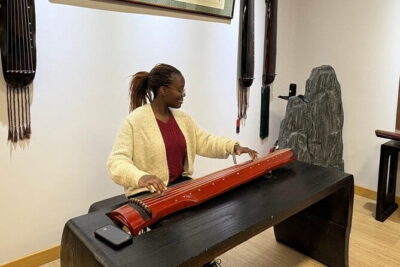 ★ 5.0Beijing Culture Event: Tradition Music, Tea Ceremony, CalligraphyFrom $1511 reviews
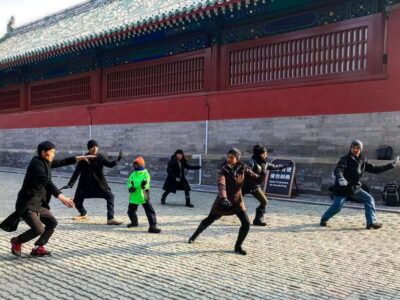 ★ 5.0Temple Of Heaven+Tai Chi Class+Tea CeremonyFrom $1298 reviews
 ★ 5.0Beijing Tai Chi and Tea Ceremony ExperienceFrom $954 reviews
Browse the lists this tour appears in