Reviewed · CHINESE CALLIGRAPHY CLASSES
Beijing Calligraphy Class
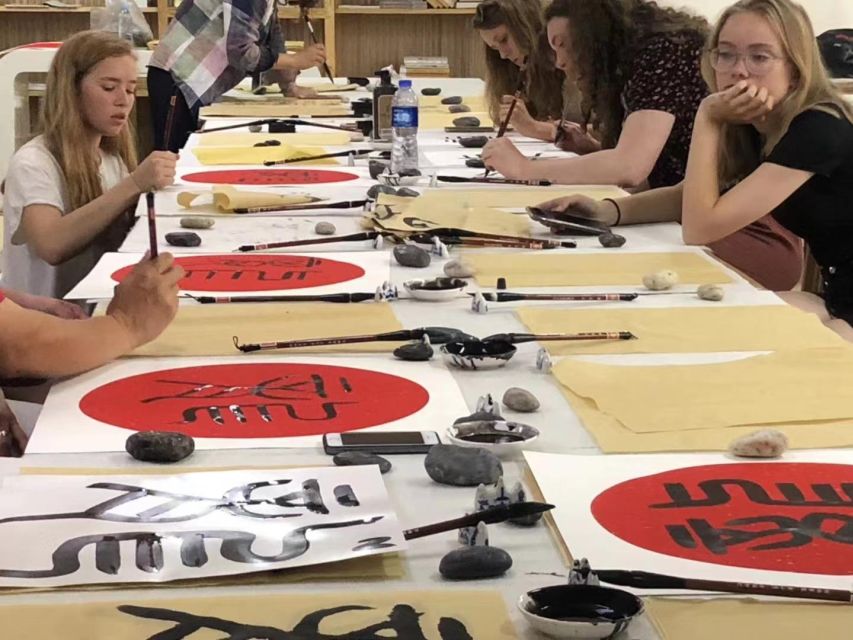
Brush strokes can be calming on command. In this Beijing calligraphy class in downtown Wangfujing, you’ll learn how Chinese characters are built stroke by stroke, with a teacher who guides you through regular, running, cursive, and seat scripts and the tools behind them. I especially like the hands-on focus on brush technique and the way the class keeps you grounded through repetition and rhythm. One drawback to plan for: the 30-minute option can feel short if you want a full, careful piece rather than a quick taste.
The meeting point is convenient too, right at Sun World Dynasty Hotel in the Wangfujing area. Expect an introduction first to calligraphy’s role in Chinese culture, then practical drills using brush, ink stone, and rice paper, and finally practice that pushes you toward balance, harmony, and your own style. This is also a fun option for kids and adults, as long as you go in knowing it’s a guided art lesson, not a speed course.
In This Review
- Key highlights you’ll care about
- Where You Meet in Wangfujing and How to Get There Fast
- What Happens in the Class: Scripts, Tools, and Your First Real Strokes
- Step one: calligraphy in Chinese culture
- Step two: learn the tools that make calligraphy different
- Step three: strokes, rhythm, and building a character
- The Meaning Part: Why This Class Feels More Like Philosophy Than Handwriting
- 30 Minutes vs 1 Hour: Choosing the Duration That Matches Your Goal
- The 30-minute class
- The 1-hour class
- What You Get for the $20 Price: Value You Can Actually Feel
- Who This Beijing Calligraphy Class Fits Best
- Great for beginners
- Great for kids and families
- Great for people who want a quieter side of the city
- Possible Downsides and How to Avoid Them
- The time limit is real
- You need to show up ready to slow down
- Extra costs for getting there
- English support is a strong point, but it’s still a skill lesson
- Should You Book This Beijing Calligraphy Class?
- FAQ
- FAQ
- What languages is the calligraphy class taught in?
- How long is the Beijing calligraphy class?
- What’s included in the price?
- Where do I meet my teacher?
- What tools and materials do you use?
- What styles of Chinese calligraphy will you learn about?
- How do I handle extra travel costs?
Key highlights you’ll care about
- English instruction makes the class easy to follow for non-Chinese speakers.
- Multiple calligraphy styles are introduced, from regular and running to cursive and seat script.
- Tools explained and used: brush, ink stone, and rice paper.
- Balance, rhythm, and harmony are taught as practical rules, not vague art talk.
- Meaning behind characters is part of the lesson, not just pretty handwriting.
- Short or full session options help you match the class to your schedule.
Brush, ink and rice paper, more quiet hours
Where You Meet in Wangfujing and How to Get There Fast
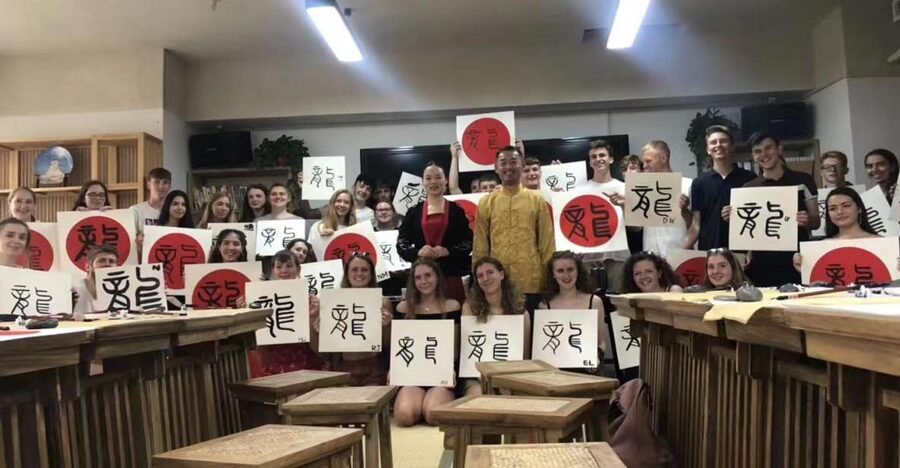
You meet at Sun World Dynasty Hotel lobby, No.50 Wangfujing Avenue, Dong Cheng District, Beijing. It’s one of those locations that makes it easy to fit into a normal sightseeing day, especially if you’re already around Wangfujing.
Getting there is straightforward:
- Taxi: simple and direct, but remember it costs extra since transport isn’t included.
- Subway: take Line 5 to Deng Shi Kou Station (A Exit). Walk left about 2 minutes (180m). At the first traffic light, turn left and walk about 5 minutes (480m). Total is around 8 minutes on foot.
- On foot: if you’re staying in the Wangfujing downtown area, you may be able to walk over comfortably.
The practical win here is timing. You don’t need a long commute to start a calm, focused activity. That matters in Beijing, where getting across town can eat up your day.
What Happens in the Class: Scripts, Tools, and Your First Real Strokes
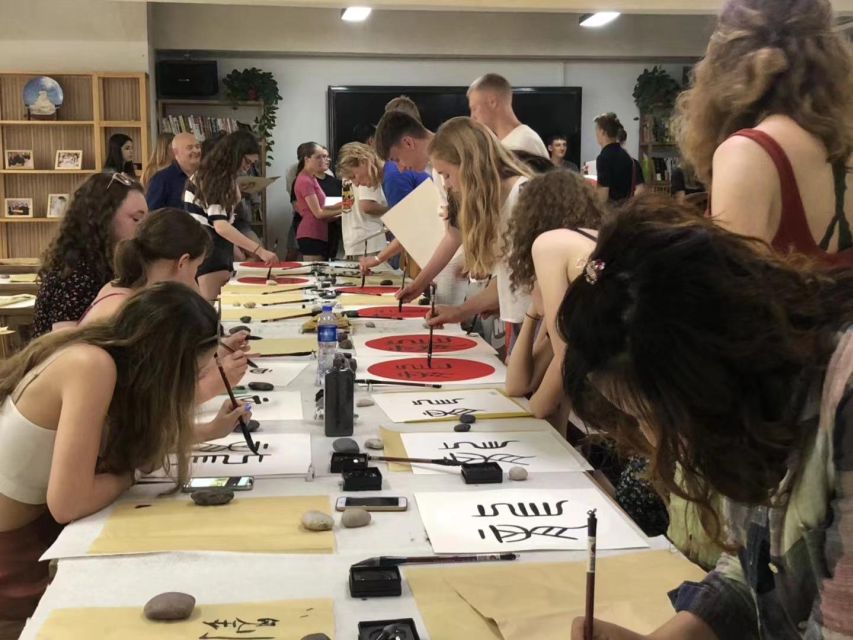
A friendly teacher meets you at the studio and keeps the flow simple: start with context, then get your hands moving.
Step one: calligraphy in Chinese culture
The class typically begins with a quick introduction to why calligraphy matters in China. You’ll also get an overview of the different calligraphy styles, including:
- regular script
- running script
- cursive script
- seat script
You’re not just being shown terms. The teacher’s goal is to help you see that each style has its own feel and rules, even if you’ve never written Chinese characters before.
Step two: learn the tools that make calligraphy different
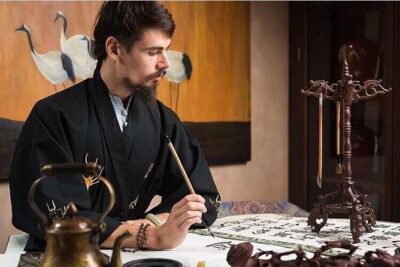
Next comes the practical gear talk. You’ll learn about the tools used in traditional calligraphy, such as:
- brushes
- ink stones
- rice paper
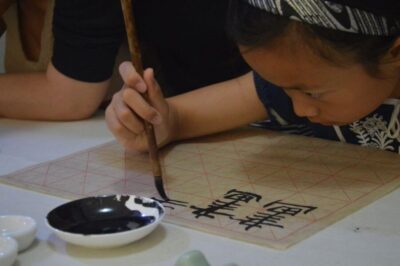
This is a big part of the experience because it changes the way you write. The brush behaves differently than a pen, ink has its own pace, and rice paper reacts in a way you can feel. Even if you’re clumsy at first, the class structure helps you improve step by step.
Make a keepsake to take home
- Beijing: Dumpling Making Workshop with Meal and Tea★ 4.7 · 69 reviews
- Online Cooking Class Beijing Dumplings and Cuisine by Sunflowerli Renowned Chef★ 5.0 · 65 reviews
- Beijing Wangfujing Calligraphy Class Nearby Forbidden City★ 5.0 · 56 reviews
- Chinese Kungfu class in old temple beside Forbidden Ci★ 4.8 · 53 reviews
- Noon Calligraphy Class★ 5.0 · 47 reviews
Step three: strokes, rhythm, and building a character
Then you shift from tools to technique. You start with simpler strokes and work toward more complex compositions. The teacher emphasizes:
- balance (how thick, thin, and spacing work together)
- rhythm (the beat of your movement, not speed)
- harmony (how the full character feels as one unit)
If you’ve only seen calligraphy framed behind glass, this part is where it becomes real. You’ll practice the fundamentals until your hand learns the logic. That’s why the class is relaxing for many people. It’s repetitive, but in a way that trains focus.
The Meaning Part: Why This Class Feels More Like Philosophy Than Handwriting
One reason this Beijing calligraphy class earns such strong ratings is that the teacher doesn’t treat characters like random symbols. You learn the culture meanings behind certain characters, and that changes how you approach your own piece.
A good example from the class atmosphere: some instructors share calligraphy philosophy in plain language, including a Confucius saying about unity (One World One Heart). Even if you don’t memorize a quote, you feel the message: calligraphy is meant to show inner discipline as much as outward skill.
And the class often lands in a meditative zone. In multiple experiences, guests describe the session as calm and mindful, with a light, focused attention. That fits the craft. When you’re working with brush strokes, ink, and rice paper, you can’t just rush. Your body slows down with the work.
For me, that’s the key cultural difference you can actually feel, not just read about in a museum caption.
30 Minutes vs 1 Hour: Choosing the Duration That Matches Your Goal
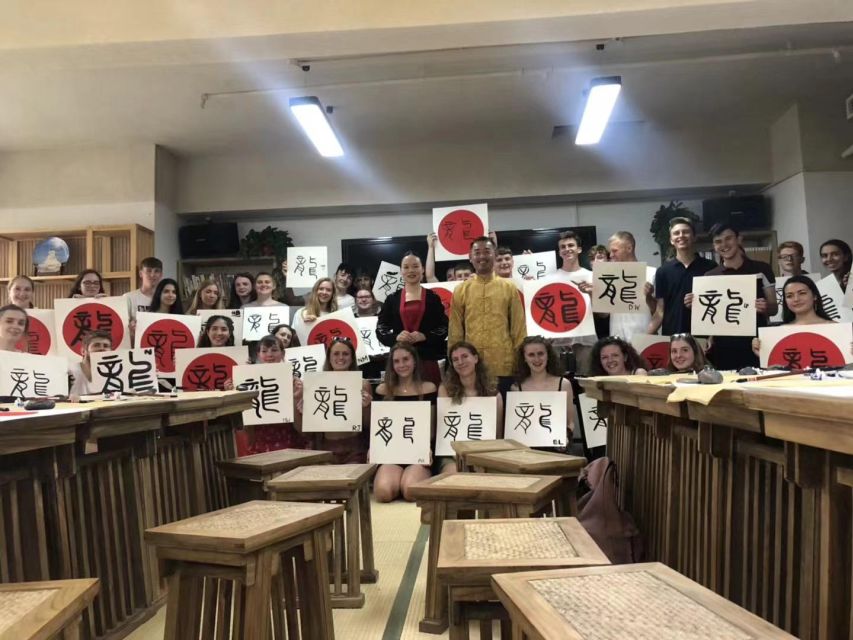
You can book either a 30-minute calligraphy class or a 1-hour class. This choice affects what you’ll get out of it.
The 30-minute class
Choose 30 minutes if you want:
- a quick intro to brush technique
- a short guided practice session
- something meaningful you can do without giving up half a day
The trade-off: you might not have as much time to refine a final character as much as you’d like. In at least one experience, people noted you should allow around 45 minutes to 1 hour to make the session feel worthwhile, which tells you the 30-minute option can be tight if you want a careful finish.
The 1-hour class
Choose 1 hour if you want:
- more guided practice and adjustments
- time to improve before you make a final piece
- the full feel of the lesson, including technique and character meaning
From the way the class is taught, 1 hour is the safer bet for beginners who want both technique and the satisfaction of finishing something they’re proud of.
What You Get for the $20 Price: Value You Can Actually Feel
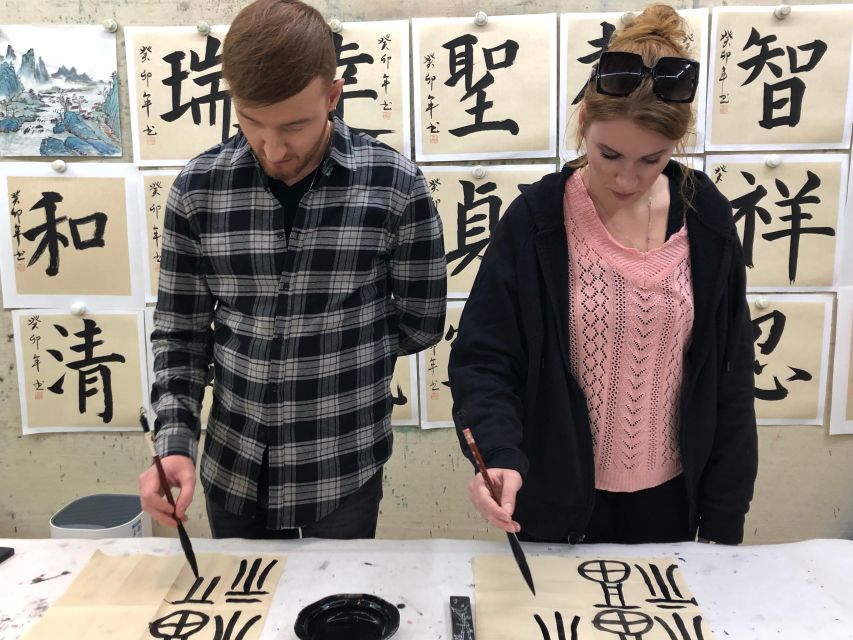
At $20 per person, this is one of those deals that feels fair because the price buys the whole working experience.
Here’s what’s included:
- an excellent art teacher
- a 30-minute or 1-hour class (your booking choice)
- calligraphy supplies to use during class
The supplies matter because this isn’t just watching someone write. You’re using the brush, ink stone, and rice paper under guidance. That’s the difference between a quick demonstration and a real skill-building session.
What’s not included:
- taxi and subway fare
- personal shopping expenses
- any other expenses not listed
So, the real cost isn’t only the $20. It’s the add-on transport if you need it, plus whatever you might buy afterward. Still, even with a taxi, this is usually a low-cost way to add a hands-on cultural activity to your Beijing time.
Also, some guests mention leaving with a finished result they can take home, which makes the value feel even stronger. The class is built around practicing a character and composing your work, so you should expect a tangible takeaway.
Who This Beijing Calligraphy Class Fits Best
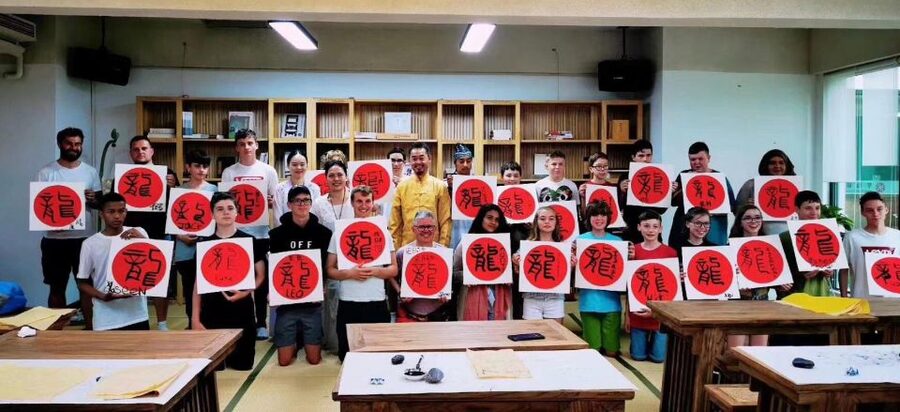
This class works for more people than you might expect.
Great for beginners
You don’t need prior writing experience. The teacher starts with foundational strokes and helps with the practical parts like holding the brush and getting your hand moving.
Great for kids and families
It’s a fun activity for both adults and kids. The calm pace helps younger participants stay engaged. If you’re traveling with children, this is one of the better low-intensity activities in central Beijing.
Great for people who want a quieter side of the city
If your Beijing day is packed with crowds and traffic, calligraphy offers a reset. It’s not just cultural trivia; it’s focus training. People describe the experience as relaxing and meditative.
Possible Downsides and How to Avoid Them
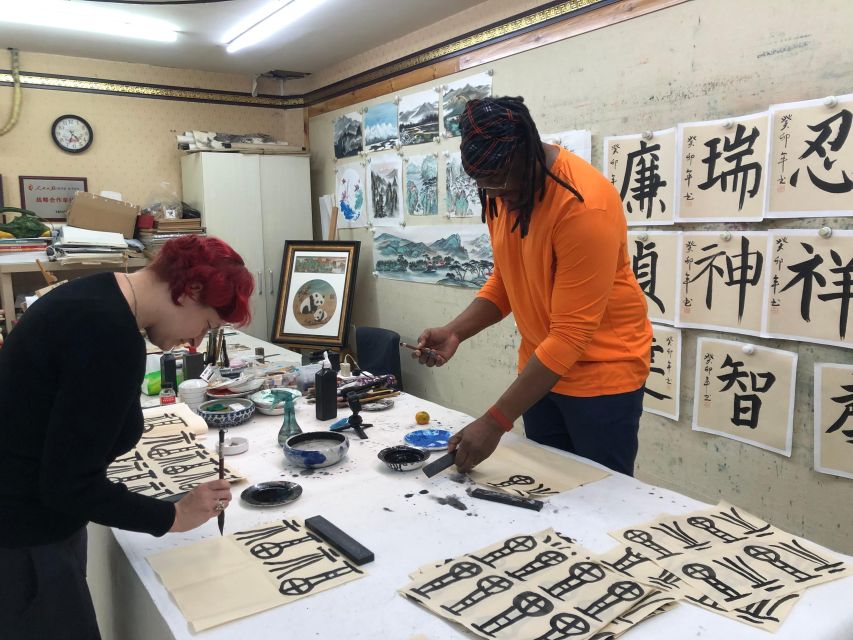
This is a small class experience, so a few things can affect your enjoyment.
The time limit is real
If you book 30 minutes, don’t expect a full, polished artwork experience like you’d get from a multi-session course. If you want the best balance of learning and finishing, the 1-hour option is the safer pick.
You need to show up ready to slow down
Calligraphy isn’t a grab-and-go photo stop. If you keep rushing your strokes, the brush won’t cooperate. Go in expecting that the calm comes from repetition, not performance.
Extra costs for getting there
Transport isn’t included, so factor in subway or taxi fare. If you’re already near Wangfujing, you can reduce this.
English support is a strong point, but it’s still a skill lesson
The class is taught in English, which helps a lot. Still, calligraphy is physical. Even with great instructions, your first character won’t look perfect. That’s normal, and it’s part of why the teacher’s guidance matters.
Should You Book This Beijing Calligraphy Class?
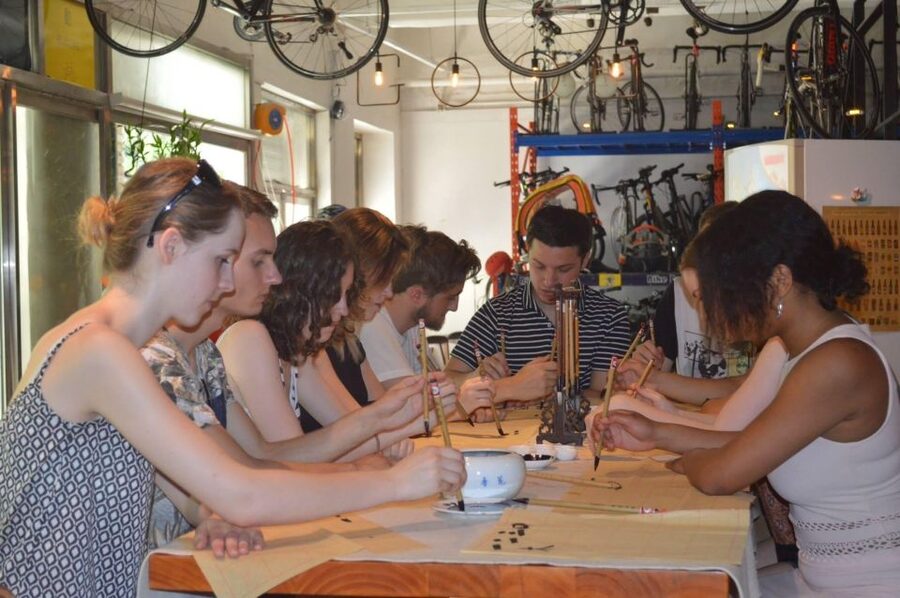
Yes, if you want a hands-on cultural activity that won’t eat your whole day. For $20 and a short session, you get a real skill taste: brush technique, ink stone basics, rice paper feel, and a clear path through strokes and character meaning.
Book it especially if:
- you’re near Wangfujing and want a simple plan
- you want something calm and focused in the middle of sightseeing
- you’re traveling with kids and want an activity they can enjoy
- you want to understand the symbolism behind what you’re writing, not just copy shapes
Skip or reconsider if:
- you expect a long, intensive art workshop
- you only want a quick viewing experience rather than practicing
- you’re short on time and want maximum finished output in the 30-minute option
FAQ
FAQ
What languages is the calligraphy class taught in?
The class is taught in English.
How long is the Beijing calligraphy class?
You can choose either a 30-minute class or a 1-hour class (based on availability).
What’s included in the price?
The price includes the art teacher, your chosen class length, and calligraphy supplies to use during the class.
Where do I meet my teacher?
Meet your teacher in the Sun World Dynasty Hotel lobby, No.50 Wangfujing Avenue, Dong Cheng District, Beijing.
What tools and materials do you use?
You’ll learn about and use traditional calligraphy tools such as brushes, ink stones, and rice paper.
What styles of Chinese calligraphy will you learn about?
The class covers different styles including regular script, running script, cursive script, and seat script.
How do I handle extra travel costs?
Taxi and subway fare are not included, so you’ll pay for getting to the meeting point separately.
Make a Little Beijing to Take Home
- Chinese Calligraphy Class for Small Group
★ 5.0 · 104 reviews - Beijing: Dumpling Making Workshop with Meal and Tea
★ 4.7 · 69 reviews - Online Cooking Class Beijing Dumplings and Cuisine by Sunflowerli Renowned Chef
★ 5.0 · 65 reviews - Beijing Wangfujing Calligraphy Class by Forbidden City
★ 5.0 · 58 reviews - Beijing Wangfujing Calligraphy Class Nearby Forbidden City
★ 5.0 · 56 reviews - Chinese Kungfu class in old temple beside Forbidden Ci
★ 4.8 · 53 reviews
More Tour Reviews in Beijing
- From Beijing: Mutianyu Great Wall Tours with Options
★ 4.9 · 9,216 reviews - Beijing: Forbidden City Tour(Group/Private)-Tickets Included
★ 4.8 · 7,974 reviews - Beijing: T-Square & Forbidden City Group or Private Tour
★ 4.8 · 4,446 reviews - All-Inclusive Tour: Tiananmen Square, Forbidden City, Great Wall
★ 5.0 · 2,873 reviews - MuBus: Mutianyu Great Wall ENG/ESP/RUS Guided Bus Tour
★ 5.0 · 2,361 reviews - 4-Hour Small Group Tour to Forbidden City with Entry Tickets
★ 5.0 · 1,863 reviews
The Brush and the Ink
- Chinese Calligraphy Class for Small Group
★ 5.0 · 104 reviews - Beijing Historic City Guided Walking Tour + Calligraphy Creation
★ 5.0 · 59 reviews - Beijing Wangfujing Calligraphy Class by Forbidden City
★ 5.0 · 58 reviews - Beijing Culture: Tea Ceremony, Heritage Instrument & Calligraphy
★ 5.0 · 57 reviews - Beijing Wangfujing Calligraphy Class Nearby Forbidden City
★ 5.0 · 56 reviews - Noon Calligraphy Class
★ 5.0 · 47 reviews
Just In: More Beijing Tours to Browse




Chinese Calligraphy Classes, compared.
 ★ 5.0Chinese Calligraphy Class for Small GroupFrom $20104 reviews
 ★ 5.0Beijing Historic City Guided Walking Tour + Calligraphy CreationFrom $559 reviews
 ★ 5.0Beijing Wangfujing Calligraphy Class by Forbidden CityFrom $2058 reviews
 ★ 5.0Beijing Culture: Tea Ceremony, Heritage Instrument & CalligraphyFrom $7857 reviews
 ★ 5.0Beijing Wangfujing Calligraphy Class Nearby Forbidden CityFrom $3556 reviews
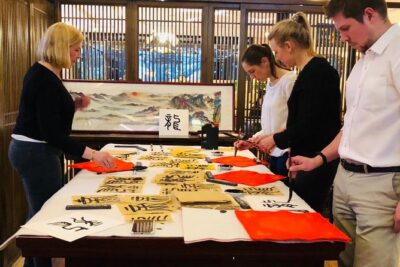 ★ 5.0Noon Calligraphy ClassFrom $2047 reviews
 ★ 4.3Discover Old Beijing: Hutong Walking Tour & CalligraphyFrom $2524 reviews
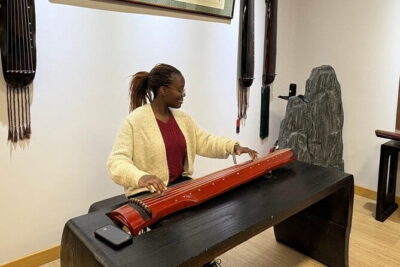 ★ 5.0Beijing Culture Event: Tradition Music, Tea Ceremony, CalligraphyFrom $1511 reviews
Browse the lists this tour appears in