
Reviewed · FORBIDDEN CITY & TIANANMEN SQUARE TOURS
Chinese Kungfu class in old temple beside Forbidden Ci
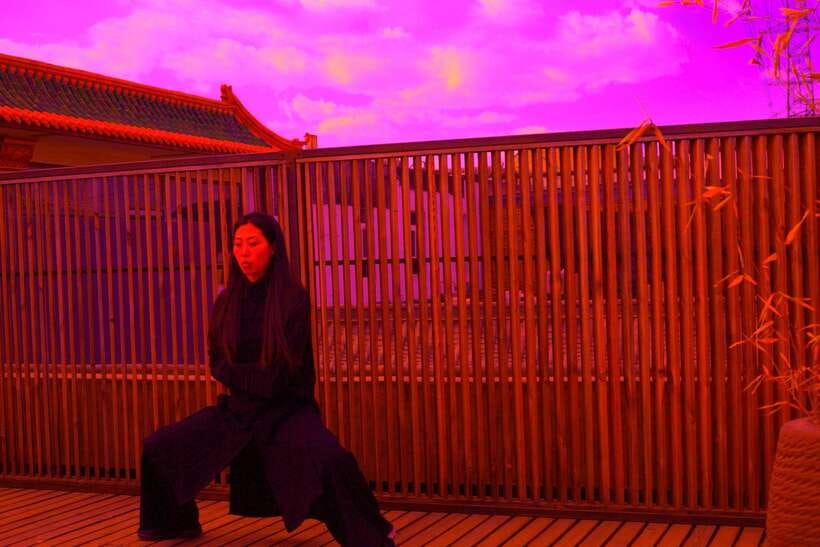
Kungfu lessons in a 700-year hutong temple setting. You train in a real residential lane just off the Forbidden City east gate, with English support from Limeng and a Shaolin-trained master who focuses on practical skills, not just poses.
I especially like the fact that you learn basics you can actually use in day-to-day situations, guided step-by-step.
What I liked next: the lesson feels grounded and personal. You get focused instruction, plus a traditional kungfu uniform set for the session (and you can inquire about buying sizes afterward). One possible drawback: it’s a short, one-hour class, so you’re going to leave with foundations and a few key skills—not a full mastery of kungfu.
In This Review
- Key points at a glance
- Entering Pudusi: A Hutong Kungfu Class by the Forbidden City East Gate
- Meeting the Teacher: Shaolin Background and Patient Coaching
- Your English Support with Limeng: When Translation Improves the Whole Lesson
- A Tea Ceremony at Bayi Teahouse You May Start With
- Your One-Hour Kungfu Lesson: Basics, Form Corrections, and Practical Use
- Self-Defense Focus: What You’re Actually Learning
- Why the Hutong Temple Setting Changes the Experience
- What’s Included: Master, Translation, Styles, and the Practice Outfit
- Timing, Session Length, and How to Plan Your Day
- Value for $45: What You’re Paying For (and Why It’s Fair)
- Who This Fits Best
- Should You Book This Kungfu Class?
- FAQ
- Where does the kungfu class take place?
- How long is the kungfu class?
- What is the price?
- Do I get help in English?
- Does the teacher focus on practical self-defense?
- Are kungfu practice outfits provided?
- Is the booking valid for more than one day?
- Can I cancel for a refund?
- Who is the provider?
Key points at a glance
- Hutong training near the Forbidden City in a heritage compound called Pudusi
- Shaolin-trained teacher who learned from a young age and teaches practical form
- English support from Limeng to help you understand the why, not only the how
- Self-defense-focused movements explained in a usable way
- Traditional tea ceremony start for some bookings via Bayi Teahouse
- Practice outfit provided for class comfort and authenticity
Back through the red gates, more Forbidden City walks
Entering Pudusi: A Hutong Kungfu Class by the Forbidden City East Gate
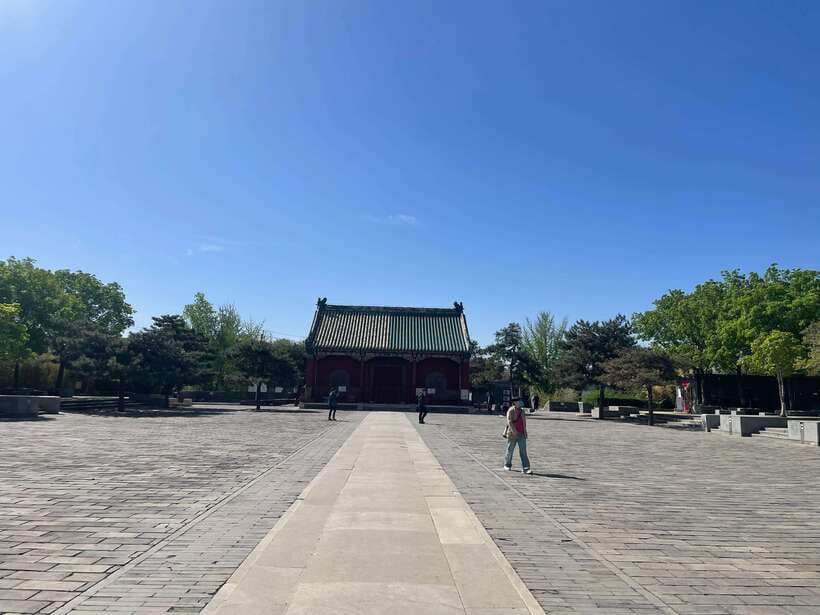
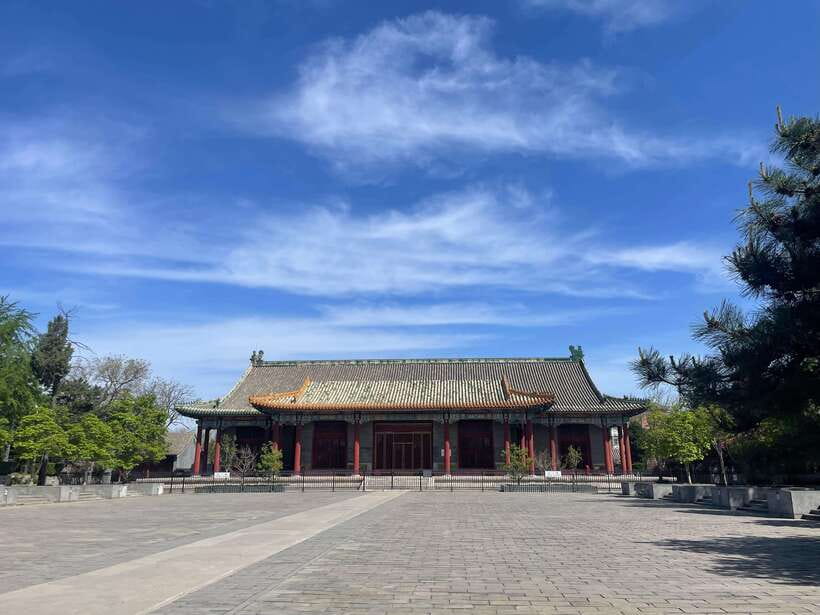
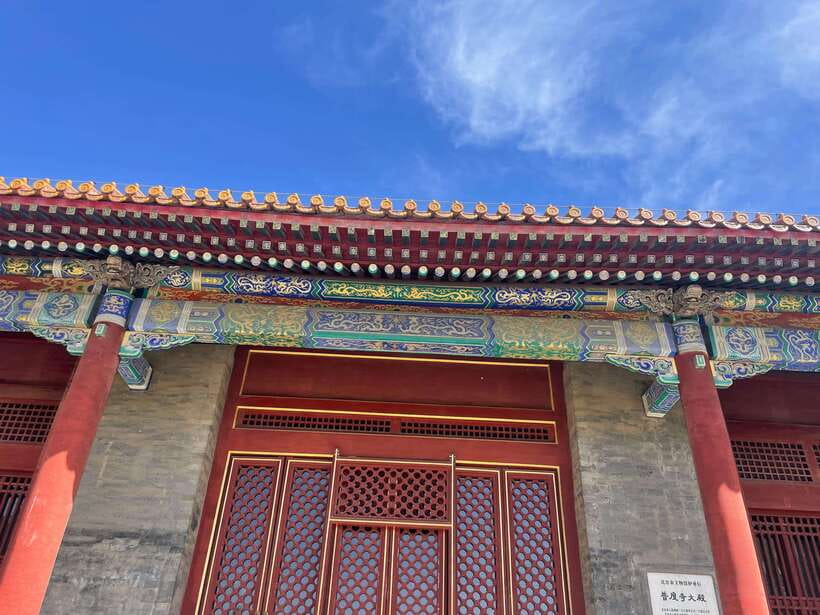
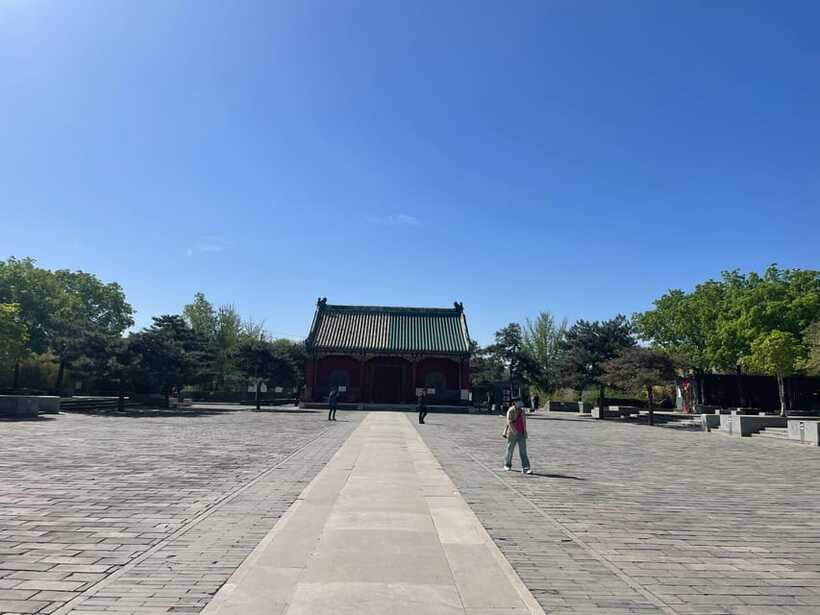
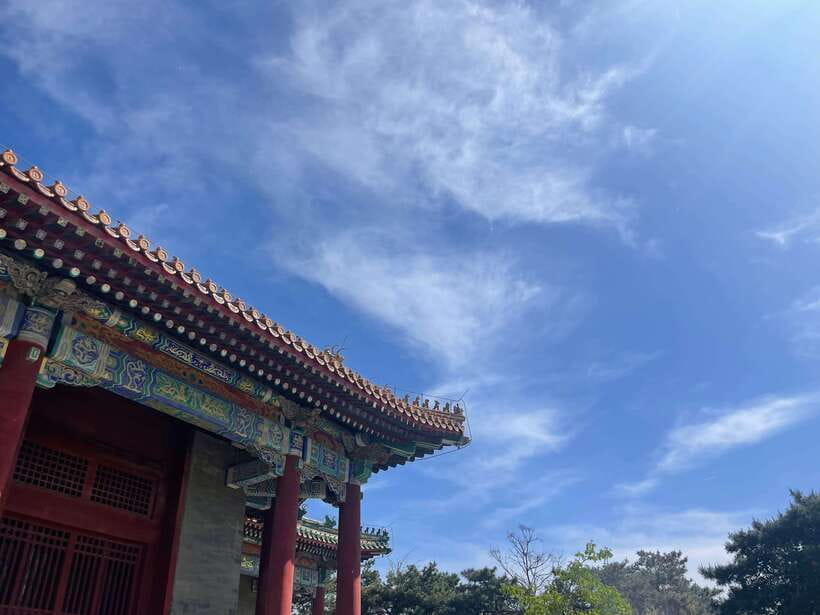
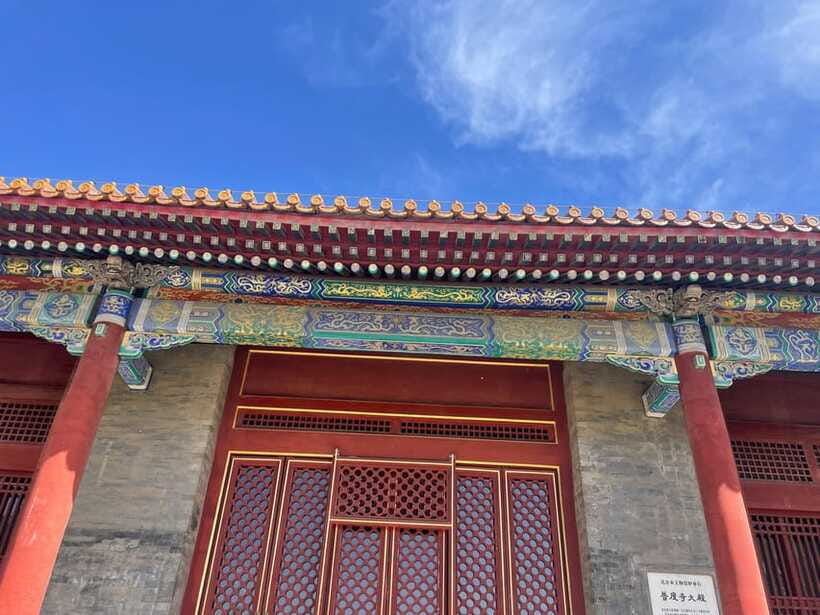
This experience is about more than learning kungfu moves. It’s about where you learn them. The class happens in a hutong-area inheritance space (Pudusi) that’s described as nearly 700 years old and tied to temple/royal legacy within the residential network around the Forbidden City. That matters because the setting shapes the mood: you’re not in a modern studio designed for tourists. You’re in a lived-in area with real texture—courtyard feel, quiet lanes, and that historic “you are close to the capital’s old bones” atmosphere.
And yes, the location is the big draw. The compound sits right by the east gate area of the Forbidden City, which means you can connect the history you’re seeing outside with the skills being taught inside. If you’re the kind of person who likes cultural experiences that feel physical and specific, this works.
One practical note: the class is designed for hands-on learning in a limited time. Expect fundamentals, corrections, and a short set of practical techniques, not a long performance.
Meeting the Teacher: Shaolin Background and Patient Coaching
The teacher is trained from a very early age in Shaolin kungfu, and he also knows multiple traditional styles. That background shows in how the lesson is taught. Instead of handing you a memorized sequence and calling it done, he works on structure: stance, body alignment, control of movement, and the logic behind technique.
The tone you’re aiming for in a good kungfu class is calm focus. Here, that’s the point. In the sessions I’m describing from the information you have, the master is known for being patient and for correcting you directly—especially with newcomers. If it’s your first martial arts experience, that’s a huge advantage. It reduces the stress and helps you actually learn the basics correctly.
You also won’t be left in the dark. Limeng is listed as the English host/greeter in the experience, and in the way the sessions are described, she helps translate the teacher’s explanation so you understand the fundamentals, not just the movement.
Your English Support with Limeng: When Translation Improves the Whole Lesson
A kungfu class can be frustrating if you only get instructions in gestures. Here, English support makes a difference because the teacher doesn’t just show. He explains principles and practical use, and Limeng helps you connect the explanation to what you’re practicing.
This is one reason the experience feels “real” rather than scripted. You’re not only learning steps; you’re learning meaning. For example, the way the teacher describes practical use and self-defense framing helps you understand why a movement is done a certain way—like where your weight should be, what your guard is meant to protect, and how your timing matters.
A Tea Ceremony at Bayi Teahouse You May Start With
Some bookings pair the kungfu lesson with a tea ceremony experience through Bayi Teahouse. In those versions, you meet in the hutong area first, and the guide explains tea ceremony details before you try a couple types of tea, often with a small snack. The tea portion is described as about an hour, then you shift to the kungfu portion.
Even if you’re not a tea person, this opening can be useful. It slows the pace and gives you a cultural warm-up so the martial arts part feels like part of a single story: Chinese tradition isn’t only physical technique—it’s also etiquette, attention, and everyday rituals.
If you do get the tea start, bring your curiosity. The most enjoyable part is usually how the explanation connects to everyday life in China, not only the tasting.
Fists, staffs and shaven heads, more kung fu
- Chinese Kungfu class in old temple beside Forbidden Ci★ 4.8 · 53 reviews
- Chinese Kung Fu Experience Class in Beijing★ 5.0 · 11 reviews
- Beijing Night Tour Kungfu Show★ 3.5 · 9 reviews
- Chinese Kung Fu Experience Class in Beijing★ 4.8 · 6 reviews
- Chinese Kungfu Class Beside Fobbiden City★ 5.0 · 4 reviews
Your One-Hour Kungfu Lesson: Basics, Form Corrections, and Practical Use
The training time for the class itself is about one hour. In that hour, you’re introduced to basic training and also how techniques can be used in casual life. That “practical use” angle is repeated in the activity description, and it shows up in the teaching approach.
Here’s what that typically means for you:
- You work on core kungfu basics (stance, coordination, and basic technique patterns).
- You practice motions with attention to how your body moves—especially how the teacher helps you avoid common beginner mistakes.
- You get demonstrated guidance on how techniques can translate to real-world situations, including defensive and attack movements tailored to everyday self-protection needs.
The master is described as teaching both Shaolin and other traditional forms. That can make the class feel broader than a single-style beginner demo. You’re not expected to become a performer. You’re expected to leave with fundamentals you can keep practicing.
If you’re hoping for long sparring or high-energy combat, you may find the format more instructional than cinematic. The value is in getting correct technique early—then refining it later on your own.
Self-Defense Focus: What You’re Actually Learning
The self-defense emphasis matters because it changes what you pay attention to. Instead of practicing movements like stage tricks, you practice them with the question: what would this do for me if I had to protect myself?
In the experience details, the teacher is specifically described as leading students to use techniques in life for self-defense. Reviews also mention self-defense training for women specifically, including defensive and attack movements taught in a way that fits someone who may not be training in martial arts already.
So what should you expect in real terms?
- You’ll likely practice a set of simple but meaningful defensive motions.
- The teacher will correct you to make the movement effective, not just pretty.
- You’ll get guidance on how to combine body mechanics with intention.
Important reality check: you’re not walking away “trained.” You’re walking away with a start you can build on—plus the confidence that you understand the basics enough to practice safely.
Why the Hutong Temple Setting Changes the Experience
There’s a reason this works better than a generic kungfu show. The setting is close to a historic temple-influenced compound, within the hutong residential fabric. That gives the lesson a kind of cultural gravity. You’re practicing in an environment connected to traditional life, not in a venue built only for tourists.
You’ll feel that in small ways:
- The pace of the space is slower and more grounded.
- The group energy (even when you’re part of a small group) tends to be more respectful.
- The experience feels like a relationship with local heritage rather than a scripted attraction.
If you like travel that’s physical and cultural at the same time, this is a strong match.
What’s Included: Master, Translation, Styles, and the Practice Outfit
The experience includes:
- A professional kungfu master
- Shaolin kungfu and different traditional styles (as taught in the class)
- Practical use of kungfu techniques
- English host/greeter support
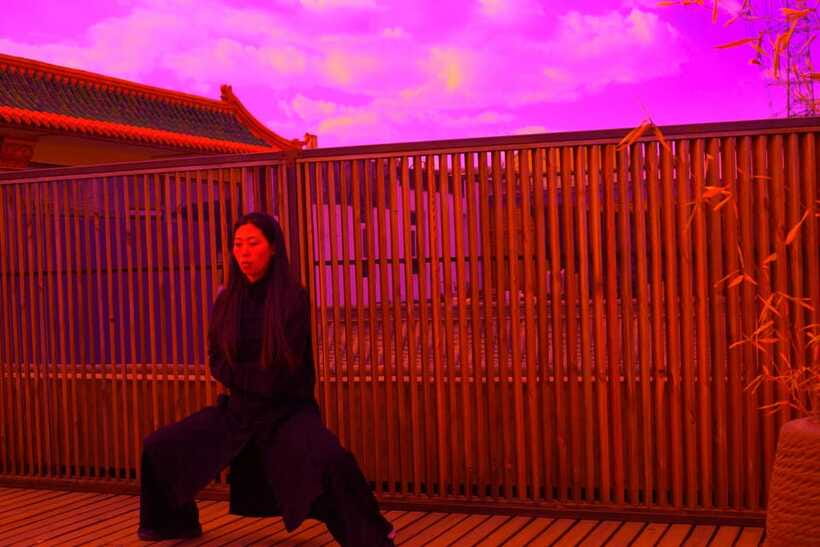
You’re also told that practice suits are provided, including an outer layer, an inner layer, and pants. That’s not just for looks. It helps you move comfortably and keeps the session feeling like a real training activity. If you want to buy a uniform, the note says you should contact the provider to choose the right size and color.
Packing tip from real-world experience with this kind of activity: bring an extra t-shirt to change afterward. Even with a beginner class, you may work up a bit of sweat during basic training and corrections.
Timing, Session Length, and How to Plan Your Day
Your booking is listed as valid for 3 days, but the kungfu class itself runs about one hour. Think of it as: you reserve now, then you choose an available starting time within that 3-day window.
That flexibility helps if you’re building a Beijing day around Forbidden City tickets, nearby walking routes, or a morning schedule that can shift.
If you’re adding the tea ceremony portion, remember that it may add time before the kungfu practice. Plan your morning like you’re doing a real local appointment: give yourself buffer, arrive a little early, and treat it as part of your day’s storyline.
Value for $45: What You’re Paying For (and Why It’s Fair)
At $45 per person, the value comes from how many hard-to-find elements you get in one place.
You’re paying for:
- A real Shaolin-trained teacher who teaches foundations and practical use
- English support from Limeng, which makes learning easier and safer
- A heritage location near the Forbidden City, not a generic studio setup
- A short but hands-on class where you practice, not just watch
Martial arts instruction from a professional teacher in a historic setting is usually expensive in big tourist hubs. Here, the price-to-personal-instruction ratio sounds reasonable because you’re not just paying for a performance. You’re paying for coaching, translation, and time inside an authentic hutong compound.
Also, beginners tend to get more value when they can understand what the teacher is explaining. Translation turns that learning from guesswork into actual comprehension.
Who This Fits Best
This class is ideal if you:
- Want a traditional Chinese culture experience that’s hands-on, not only sightseeing
- Are curious about Shaolin foundations and how kungfu principles can connect to daily self-defense
- Prefer small, human-scale instruction with English support
- Like experiences that pair heritage spaces (hutongs, old temple inheritance areas) with practical learning
It may feel less ideal if you:
- Want a long multi-hour workout
- Expect sparring-heavy training or a full kata/performance course in one sitting
- Are looking for a purely entertainment-focused show
Should You Book This Kungfu Class?
Yes—if you want a real training moment in a historic hutong setting near the Forbidden City, this is worth your time. The big reasons to book are the teacher’s Shaolin background, the practical self-defense framing, and the presence of English support from Limeng so the lesson makes sense while you practice.
If you’re short on time or expecting a long martial arts boot camp, you might feel limited by the one-hour format. But if you go in for fundamentals, corrections, and a meaningful cultural connection, you’ll likely leave with something you can keep practicing back home.
FAQ
Where does the kungfu class take place?
The class is held in a local hutong area inside the Pudusi inheritance, located right beside the east gate area of the Forbidden City.
How long is the kungfu class?
The class itself is about one hour.
What is the price?
The price is listed as $45 per person.
Do I get help in English?
Yes. The experience lists English host/greeter support, and the sessions described include translation support during the lesson.
Does the teacher focus on practical self-defense?
Yes. The instruction includes practical use of kungfu techniques and self-defense-oriented guidance.
Are kungfu practice outfits provided?
Yes. The experience notes that traditional kungfu practising suits are provided, including outer and inner pieces plus pants. Buying options are mentioned separately.
Is the booking valid for more than one day?
Yes. The booking is described as valid for 3 days, so you can check availability to choose starting times.
Can I cancel for a refund?
Yes. Free cancellation is listed as available up to 24 hours in advance for a full refund.
Who is the provider?
The experience provider is Bayi Teahouse.
More Tour Reviews in Beijing
- From Beijing: Mutianyu Great Wall Tours with Options
★ 4.9 · 9,216 reviews - Beijing: Forbidden City Tour(Group/Private)-Tickets Included
★ 4.8 · 7,974 reviews - Beijing: T-Square & Forbidden City Group or Private Tour
★ 4.8 · 4,446 reviews - All-Inclusive Tour: Tiananmen Square, Forbidden City, Great Wall
★ 5.0 · 2,873 reviews - MuBus: Mutianyu Great Wall ENG/ESP/RUS Guided Bus Tour
★ 5.0 · 2,361 reviews - 4-Hour Small Group Tour to Forbidden City with Entry Tickets
★ 5.0 · 1,863 reviews
Kung Fu, Onstage and Hands-On
- Chinese Kung Fu Experience Class in Beijing
★ 5.0 · 11 reviews - Beijing Night Tour Kungfu Show
★ 3.5 · 9 reviews - Chinese Kung Fu Experience Class in Beijing
★ 4.8 · 6 reviews - Chinese Kungfu Class Beside Fobbiden City
★ 5.0 · 4 reviews - Beijing Legend of Kungfu Show Ticket
★ 5.0 · 3 reviews - Tai Chi or Kung Fu plus Chinese Calligraphy Learning Class
★ 5.0 · 3 reviews
More Time Inside the Forbidden City
- Beijing: Forbidden City Tour(Group/Private)-Tickets Included
★ 4.8 · 7,974 reviews - Beijing: T-Square & Forbidden City Group or Private Tour
★ 4.8 · 4,446 reviews - All-Inclusive Tour: Tiananmen Square, Forbidden City, Great Wall
★ 5.0 · 2,873 reviews - 4-Hour Small Group Tour to Forbidden City with Entry Tickets
★ 5.0 · 1,863 reviews - Beijing: Tiananmen Square Registration Service(Ticket)
★ 4.5 · 1,704 reviews - Beijing Full Day Tours: Tiananmen Sq, Forbidden City, Great Wall
★ 5.0 · 1,634 reviews
Just In: More Beijing Tours to Browse




Forbidden City & Tiananmen Square Tours, compared.
 ★ 4.8Forbidden City Tour(Group/Private)-Tickets IncludedFrom $47,974 reviews
 ★ 4.8T-Square & Forbidden City Group or Private TourFrom $174,446 reviews
 ★ 5.0All-Inclusive Tour: Tiananmen Square, Forbidden City, Great WallFrom $1282,873 reviews
 ★ 5.04-Hour Small Group Tour to Forbidden City with Entry TicketsFrom $151,863 reviews
 ★ 4.5Tiananmen Square Registration Service(Ticket)From $31,704 reviews
 ★ 5.0Beijing Full Day Tours: Tiananmen Sq, Forbidden City, Great WallFrom $991,634 reviews
 ★ 4.6Tianmen Square, Forbidden City & Royal Museum ToursFrom $41,288 reviews
 ★ 5.0Beijing Forbidden City Ticket Booking (Optional: guide service)From $91,263 reviews
Browse the lists this tour appears in