
Reviewed · DUMPLING & COOKING CLASSES
Beijing: Dumpling Making Workshop with Meal and Tea
Dumplings meet hands-on Chinese hospitality. In Beijing, this dumpling-making workshop lets you knead dough and shape dumplings with an English-speaking guide (you might meet folks like Leo or Jenny), then you unwind at a shared table with tea pairing.
I also like the short lesson on history and symbolism behind dumplings, from Lunar New Year traditions to regional twists, so your dinner has context. The main catch is that it is not suitable for food allergies, since it’s a hands-on meal experience with shared ingredients.
In This Review
- Key highlights worth getting excited about
- Why this Beijing workshop feels different than a food stop
- Timing and what the 16:30 start means for your day
- Kneading dough: the skill that changes how your dumplings turn out
- Fillings and folding: where the dumpling gets its personality
- The Dumpling meaning lesson: Lunar New Year to regional twists
- The communal dinner: tea pairing, extra dishes, and beer
- Price and value: is $35 a fair deal for 3 hours?
- Who this is best for, and who should skip
- Practical tips: what to wear and how to get the most out of it
- My take: should you book this dumpling-making workshop in Beijing?
- FAQ
- Is hotel pickup included?
- How long is the dumpling-making workshop?
- What time does it start?
- Is the class taught in English?
- What’s included in the price?
- Is it suitable for people with food allergies?
- What should I bring, and are there rules?
Key highlights worth getting excited about
- Hands-on dumpling skills: kneading, filling, and folding taught step by step in English
- Meaning behind the food: Lunar New Year connections and regional dumpling variations
- A real meal, not just snacks: tea pairing plus other local dishes and drinks
- Communal, cozy dinner vibe: you eat together and chat while dumplings cook
- Hospitality that goes beyond the script: examples like Leo helping when people got lost
- Traditional setting possibilities: some sessions are in a Hudong-style atmosphere
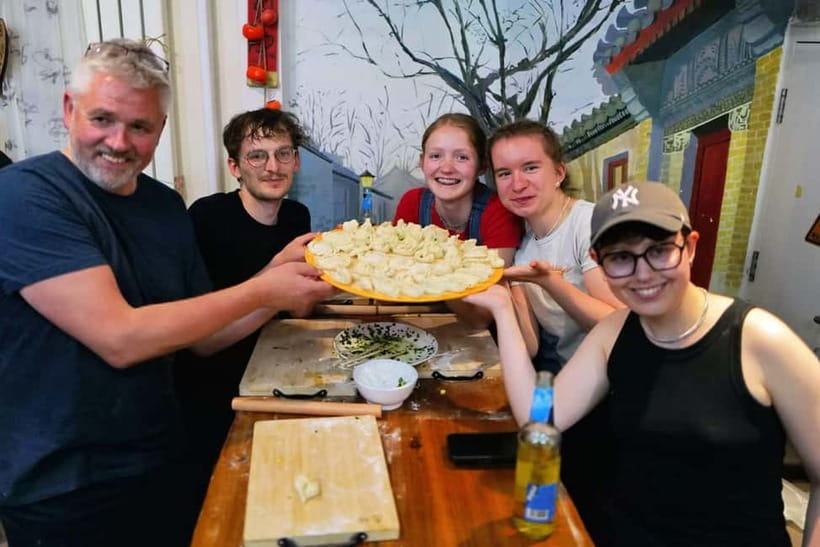
Fold your own jiaozi, more time at the board
Why this Beijing workshop feels different than a food stop
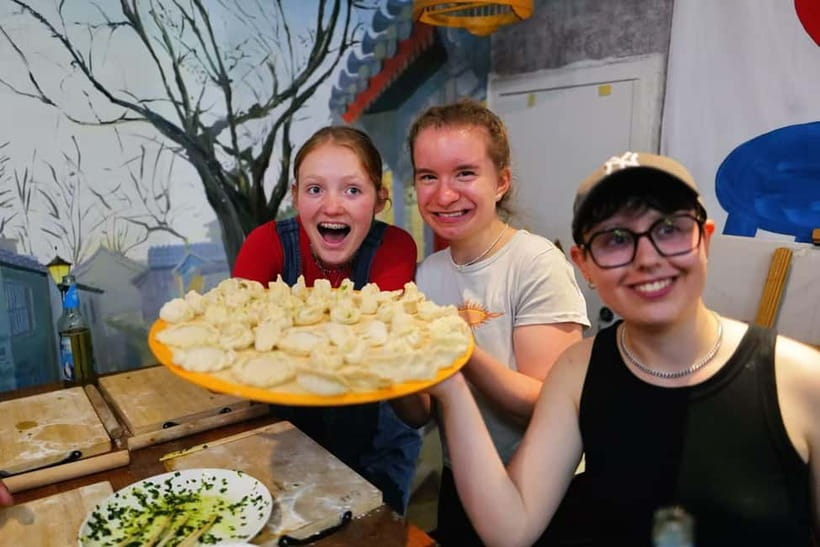
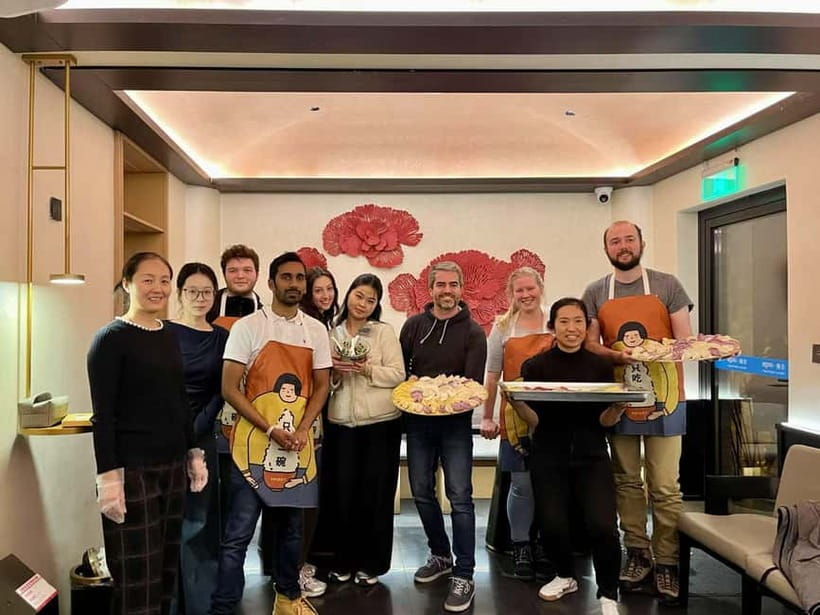
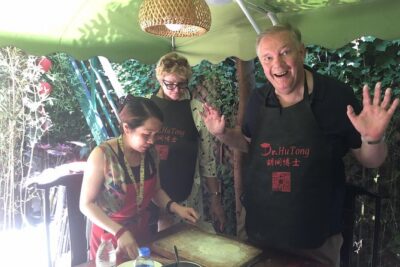
This is the kind of activity that turns dinner into a skill. You’re not just watching someone cook. You get your hands on the dough, learn folding techniques, then sit down to eat what you made.
What I really like is the mix of practical and cultural learning. You get the motions down, but you also hear why dumplings show up during big moments like Lunar New Year, and how different regions develop their own styles. That pairing makes the experience feel grounded in everyday life, not staged.
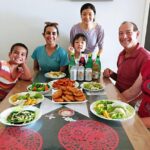
The group meal also matters. It’s communal, so you’re likely chatting with whoever is next to you while the dumplings finish cooking. A few people also note there’s more than dumplings on the table, from other main dishes to desserts and drinks, so nobody leaves hungry.
Timing and what the 16:30 start means for your day
The class runs for 3 hours and starts at 16:30. That timing is great if you’ve already spent the morning sightseeing and you want something hands-on as daylight fades. It’s also a smart move for travelers who don’t want a late-night food event.
You meet at the hotel lobby, and from there the group heads to the workshop space. Hotel pickup and drop-off are not included, so you’ll want to plan to be at the meeting point on your own. If you’re arriving by metro or taxi that afternoon, I’d give yourself extra cushion for traffic and for the kind of street wandering Beijing can encourage.
The session is taught in English. Many guests call out clear, step-by-step instruction and patient guidance, which is exactly what you want when you’re learning something as finicky as dough thickness and pleated folds.
Also note: you can skip the ticket line. That’s a small thing, but it saves time when you’re arriving at a specific meeting point at a set start time.
Kneading dough: the skill that changes how your dumplings turn out
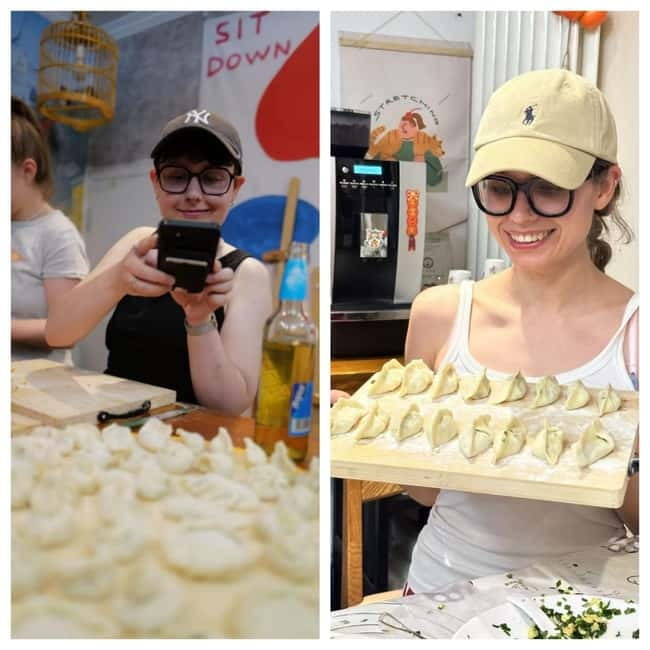
Most dumpling workshops focus on the folding. This one also pays attention to dough work, which is key if you want the final dumpling texture to feel right.
You’ll learn how to knead dough and how to handle it so it’s elastic enough to wrap filling cleanly. In plain terms, good dough handling helps you avoid two common problems: dumplings that tear while pinching, and dough that ends up too thick (or chewy) after cooking.
I like that the teaching is practical and not just theory. One of the recurring themes in the feedback is that instructors explain each stage clearly, including how to roll dough and how to hold it while you fill and fold. If you’re brand new, that matters. You’ll leave with a set of motions you can actually repeat at home, not just memories of a good meal.
A small consideration: some ingredients may be pre-prepped. For example, one guest mentioned very tasty fillings were premade. You might still do a lot of hands-on shaping, but don’t expect a pure from-scratch prep where every component is mixed by you from raw ingredients.
Fillings and folding: where the dumpling gets its personality
After the dough basics, you move into making dumplings like a local. The flow is simple: create or portion the filling, portion the dough, fill, then fold and pinch.
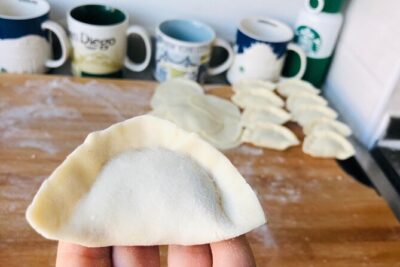
Folding is the star. You’ll practice pinching techniques—some people specifically mention learning multiple ways to shape the edges. The goal is consistency: enough closure that the filling stays put, and enough pleats that the dumpling cooks evenly.
Here’s what I think makes the instruction valuable: you’re not just copying someone else’s hands. You’re learning the logic behind the steps. When you understand the aim—sealing the wrapper and forming pleats—you start to correct your own mistakes. That’s why people leave feeling like they can actually remake dumplings later.
You also get to choose what kind of dumplings you’ll eat at the table. The experience describes dumplings that can be pan-fried for crispness or boiled for a softer, silkier bite. That’s a nice variety for learning, because each texture highlights a different side of the dough and folding quality.
Make a keepsake to take home
- Beijing: Dumpling Making Workshop with Meal and Tea★ 4.7 · 69 reviews
- Online Cooking Class Beijing Dumplings and Cuisine by Sunflowerli Renowned Chef★ 5.0 · 65 reviews
- Beijing Wangfujing Calligraphy Class Nearby Forbidden City★ 5.0 · 56 reviews
- Chinese Kungfu class in old temple beside Forbidden Ci★ 4.8 · 53 reviews
- Noon Calligraphy Class★ 5.0 · 47 reviews
The Dumpling meaning lesson: Lunar New Year to regional twists
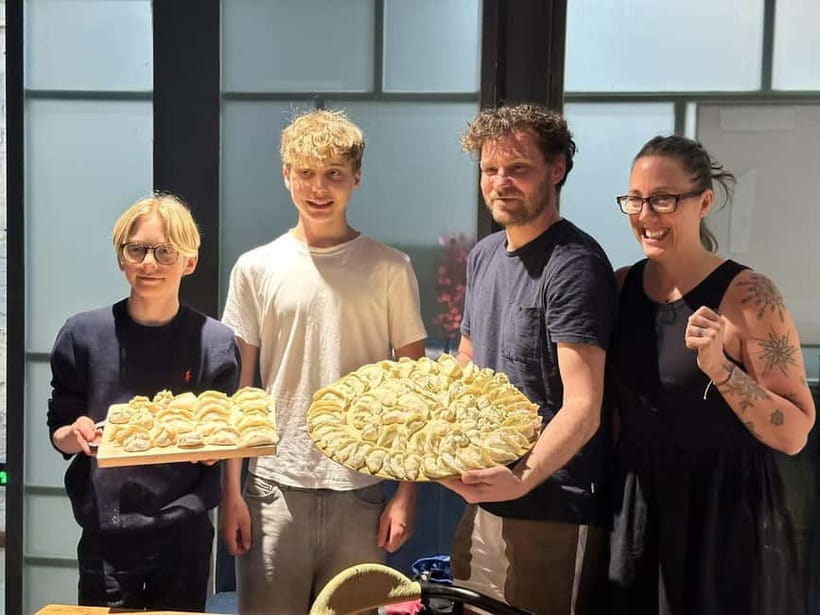
One part you shouldn’t skip is the short guide-led explanation of dumplings’ history and symbolism. This isn’t an hours-long lecture. It’s positioned as context while you’re actively working.
You’ll hear about dumplings in connection with Lunar New Year traditions and why they show up during major seasonal celebrations. You’ll also learn that dumplings are not one-size-fits-all. Regional styles create different flavors and shapes, which explains why the same food can feel different depending on where you are in China.
I like this approach because it answers the “why should I care” question. If you’re spending time pinching dough in your kitchen later, it’s helpful to know what that form and tradition represent. It turns the activity from entertainment into cultural literacy, in a way that feels casual and friendly.
The communal dinner: tea pairing, extra dishes, and beer
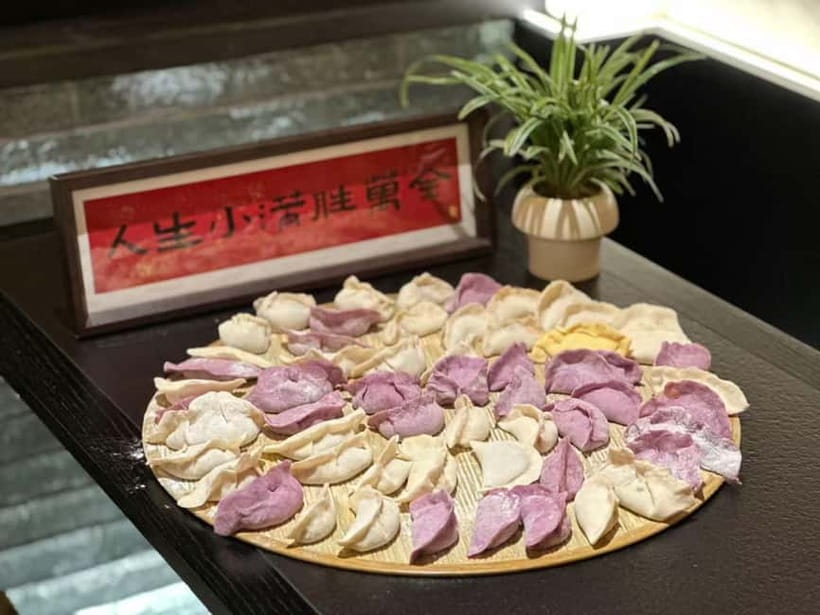
After the hands-on work, you sit down to eat your creations. This is where the experience becomes more than a class: it turns into a shared meal that feels like bonding.
Tea pairing is included. You’ll have tea alongside your dumplings, which helps reset your palate between bites. If you’re new to Chinese tea, it’s a low-pressure way to notice how the drink changes the taste of food.
Then there’s the added food variety. The activity includes other foods and beverages beyond the dumplings you made yourself, and beer is included. Several guests specifically call out additional local dishes beyond dumplings, such as Kung pow chicken and vegetable-forward plates. One review even mentions breaded chicken nuggets as part of the mix, which tells me the spread is broad enough to please different appetites.
Desserts also show up, and people mention water and juice too. So even if you’re not in the mood to focus only on dumplings, the meal still feels like a proper feast.
One more detail I think you’ll appreciate: dumplings are often finished while you’re sitting together. That gives you time to chat with the group, ask questions, and compare how everyone’s folding turned out. It’s a gentle way to learn from others without feeling tested.
Finally, some guests describe the setting as a traditional Hudong-style environment. Even if your session is different, the common thread is a cozy, communal setup rather than a cafeteria-feeling dining room.
Price and value: is $35 a fair deal for 3 hours?
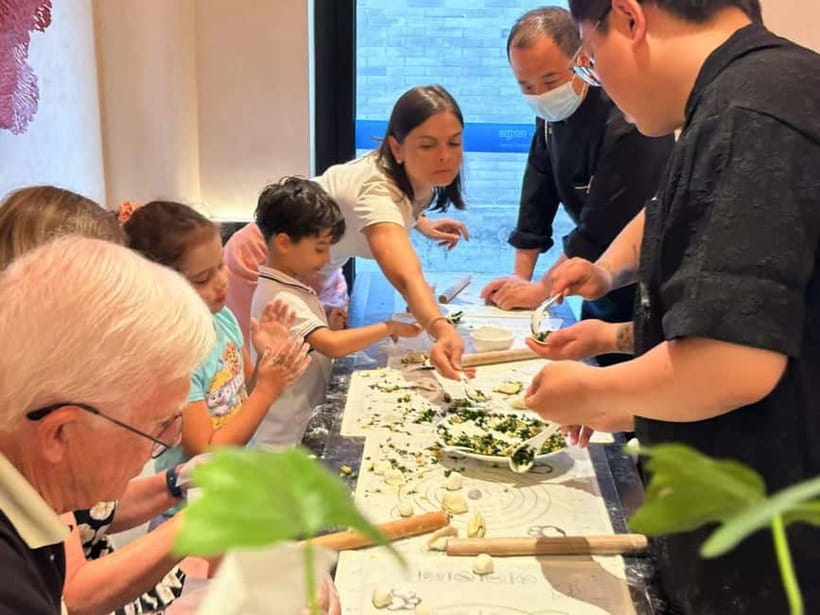
At $35 per person for 3 hours, the value works best if you want both a cooking skill and a guided meal. You’re not paying only for ingredients. You’re paying for instruction in kneading and folding, plus the cultural explanation, plus tea pairing, plus a multi-item meal with drinks.
Many cheaper classes feel like you pay for the activity and then you still have to find dinner afterward. Here, the meal is part of the package. Since beer and other beverages are included, the cost can feel more reasonable if you would otherwise spend money at dinner.
Also, the guide is English-speaking. That’s worth something in Beijing, where many street food experiences are fun but not always easy to understand. Being able to ask questions and get clear explanations makes the experience more usable and memorable.
So I see the price as fair if you’re aiming for an experience with real output. You’ll leave with dumpling-making confidence, plus a full meal.
Who this is best for, and who should skip
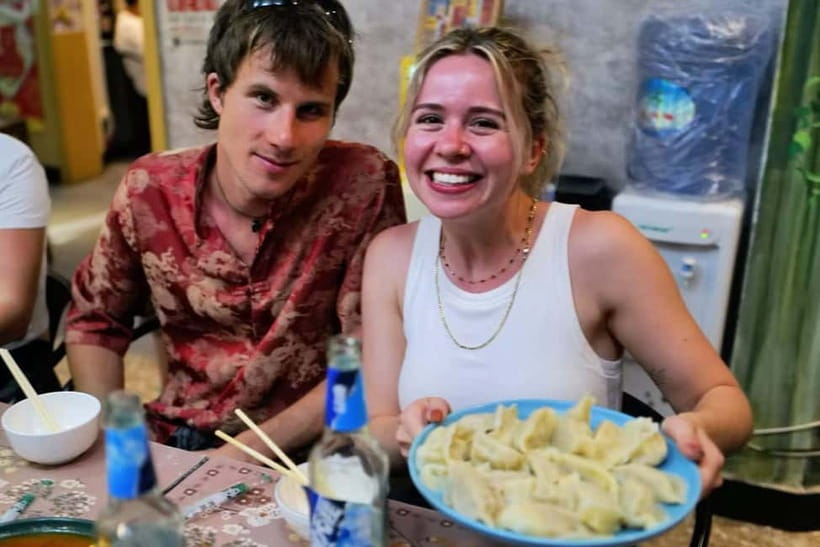
This is a great fit for you if you want a practical cultural activity. You like learning by doing, you enjoy food-focused travel, and you don’t mind spending a couple of hours away from the main sightseeing routes.
It’s also good if you’re traveling in a way that values social connection. The communal dinner format and shared cooking steps encourage conversation, so solo visitors can still feel included.
You should skip this option if you have food allergies. The data is explicit: it’s not suitable. It’s also not presented as a specialized allergy-safe experience, so don’t count on substitutions.
If you have mobility needs, it is wheelchair accessible. And while you don’t get hotel pickup, meeting at the hotel lobby is usually straightforward if you can get to that point easily.
Practical tips: what to wear and how to get the most out of it
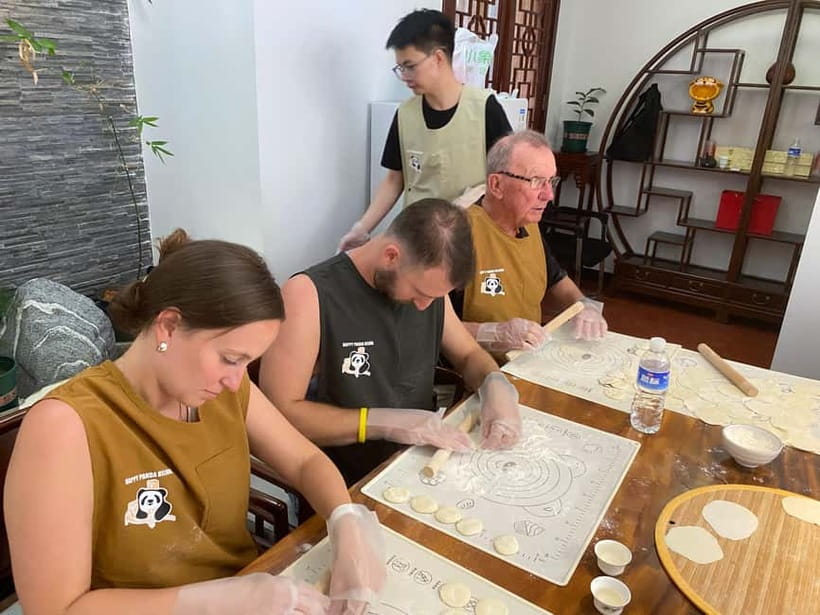
Keep it simple. Wear comfortable clothes. Dumpling workshops involve dough handling, and you’ll want something you don’t mind getting flour on.
Plan to arrive early enough to check the exact meeting location inside the hotel lobby. Since the activity begins at 16:30, being late can cut into the most hands-on parts of the class.
If you think you might get lost, build in time. One guest noted they missed the class because they got lost in Beijing, and the guide Leo went above and beyond trying to help and even delivered dumplings to the guest’s hotel room when pickup efforts didn’t work out. That story is a great signal of care, but you shouldn’t rely on it as a plan. Your best strategy is arriving on time.
Also, smoking isn’t allowed. If you’re trying to time your day around a quick cigarette stop, adjust your schedule so you don’t have to rush.
My take: should you book this dumpling-making workshop in Beijing?
I’d book it if you want a hands-on cultural meal with real instruction. The big wins for me are the step-by-step English guidance, the dumpling symbolism lesson that gives meaning to what you’re doing, and the fact that you eat a proper shared dinner with tea and beer included.
You might hesitate if you have strict dietary needs, because it’s not suitable for food allergies. And if you’re expecting every component (including fillings) to be made entirely from scratch by you, know that some elements may be pre-prepped, even though you’ll still do substantial dough and folding work.
If you like learning skills you can repeat at home, and you’re happy to spend early evening in a cozy communal setting, this is a strong value at $35 for a full 3-hour experience.
FAQ
Is hotel pickup included?
No. You meet at the hotel lobby, and you’ll need to arrange your own way to get back after the class.
How long is the dumpling-making workshop?
It lasts 3 hours.
What time does it start?
The activity starts at 16:30.
Is the class taught in English?
Yes. The instructor teaches in English.
What’s included in the price?
The class includes ingredients for dumpling making, a tea pairing with the meal, and other foods and beverages, including beer.
Is it suitable for people with food allergies?
No. It is not suitable for people with food allergies.
What should I bring, and are there rules?
Bring comfortable clothes. Smoking is not allowed.
Make a Little Beijing to Take Home
- Beijing Calligraphy Class
★ 4.9 · 112 reviews - Chinese Calligraphy Class for Small Group
★ 5.0 · 104 reviews - Online Cooking Class Beijing Dumplings and Cuisine by Sunflowerli Renowned Chef
★ 5.0 · 65 reviews - Beijing Wangfujing Calligraphy Class by Forbidden City
★ 5.0 · 58 reviews - Beijing Wangfujing Calligraphy Class Nearby Forbidden City
★ 5.0 · 56 reviews - Chinese Kungfu class in old temple beside Forbidden Ci
★ 4.8 · 53 reviews
More Tour Reviews in Beijing
- From Beijing: Mutianyu Great Wall Tours with Options
★ 4.9 · 9,216 reviews - Beijing: Forbidden City Tour(Group/Private)-Tickets Included
★ 4.8 · 7,974 reviews - Beijing: T-Square & Forbidden City Group or Private Tour
★ 4.8 · 4,446 reviews - All-Inclusive Tour: Tiananmen Square, Forbidden City, Great Wall
★ 5.0 · 2,873 reviews - MuBus: Mutianyu Great Wall ENG/ESP/RUS Guided Bus Tour
★ 5.0 · 2,361 reviews - 4-Hour Small Group Tour to Forbidden City with Entry Tickets
★ 5.0 · 1,863 reviews
Roll Your Own: Dumpling Classes
- Online Cooking Class Beijing Dumplings and Cuisine by Sunflowerli Renowned Chef
★ 5.0 · 65 reviews - 4-Hour Private Beijing Hutong Bike Tour with Dumpling Lunch
★ 5.0 · 13 reviews - Beijing Forbidden City, Summer Palace, Hutong and Dumpling Making
★ 5.0 · 10 reviews - 4-Hour Private Tour of Calligraphy Class, Hutong and Dumplings
★ 5.0 · 9 reviews - Private Beijing Tour: Forbidden City, Mutianyu Great Wall, and Dumpling Lunch
★ 5.0 · 7 reviews - Private Hutong Culture Tour with Dumpling Cooking Class plus Cricket Fighting Game
★ 5.0 · 5 reviews
Just In: More Beijing Tours to Browse

Dumpling & Cooking Classes, compared.
 ★ 5.0Online Cooking Class Beijing Dumplings and Cuisine by Sunflowerli Renowned ChefFrom $2065 reviews
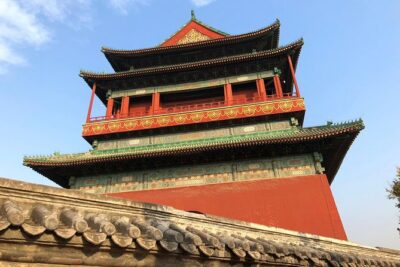 ★ 5.04-Hour Private Beijing Hutong Bike Tour with Dumpling LunchFrom $19913 reviews
 ★ 5.0Beijing Forbidden City, Summer Palace, Hutong and Dumpling MakingFrom $19010 reviews
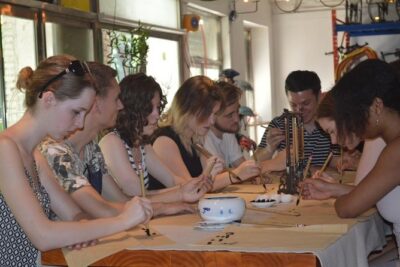 ★ 5.04-Hour Private Tour of Calligraphy Class, Hutong and DumplingsFrom $689 reviews
 ★ 5.0Private Beijing Tour: Forbidden City, Mutianyu Great Wall, and Dumpling LunchFrom $1897 reviews
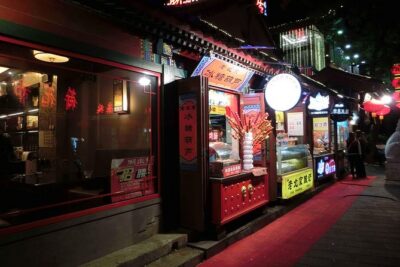 ★ 4.5Private Beijing Night Tour with Mr. Shi’s Dumplings, Great Leap Brewing and Houhai LakeFrom $1025 reviews
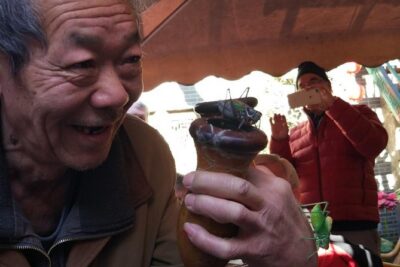 ★ 5.0Private Hutong Culture Tour with Dumpling Cooking Class plus Cricket Fighting GameFrom $1765 reviews
Lama Temple, Temple of heaven, Hutong tour with Dumpling MakingFrom $1853 reviews
★ 5.0Private Hutong Culture Tour with Dumpling Cooking Class plus Cricket Fighting GameFrom $1765 reviews
Lama Temple, Temple of heaven, Hutong tour with Dumpling MakingFrom $1853 reviews
Browse the lists this tour appears in