
Reviewed · HUTONG WALKS & RICKSHAW TOURS
Discover Old Beijing: Hutong Walking Tour & Calligraphy
Beijing sounds louder in the hutongs. I love the local stories that explain how these neighborhoods changed, and I love the calligraphy workshop where you make art and take it home. The only catch: this is a real walking tour, so bring comfy shoes and be on time.
I also like that the guides vary the tone, from big-picture city planning to the small street details. I’ve seen praise for guides like Carrie, who explains hutong past, present, and future planning, and Shery, who keeps things friendly and clear while you move through the Old Beijing rhythm.
In This Review
- Key Things You’ll Really Like on This Old Beijing Walk
- Why Hutongs Feel More Real Than Any Landmark Photo
- Starting at Huguang Guild Opera Theatre: The First Win Is Getting It Right
- Huguang Guild Opera Theatre: Old Performance Culture, Not Just a Stop Sign
- Hutongs on Foot: Where Stories Explain Real Beijing Change
- The Courtyard Secret Stop: An Inside Look at Old Courtyard Life
- Yangmeizhu Byway and the Antique Street Feeling
- Daguanlou Cinema and Chinese Cinema Roots
- Dashilan Residential District and Street Market Snacks
- Qianmen Pedestrian Street: Big Energy, Clear Context
- Price and Value: What $25 Buys You Here
- How 3.5 Hours Fits Your Beijing Schedule (And Who It Suits)
- Quick Advice for a Smoother Walk
- Should You Book This Old Beijing Hutong Walking Tour?
- FAQ
- How long is the hutong walking tour?
- What language is the guide?
- Where is the meeting point?
- What sights and areas do we visit?
- Is there food included?
- Do we make anything during the tour?
- Can I cancel for a full refund?
- Should I rely on Google Maps for the meeting point?
Key Things You’ll Really Like on This Old Beijing Walk
- A hutong courtyard you actually get inside: you see daily-life architecture up close, not just from a photo spot.
- Calligraphy you make yourself: one activity that turns the whole walk into a keep-sake, not just a bunch of stops.
- Downtown classics plus neighborhood texture: you connect big sights with the streets people lived on.
- Snack breaks that break up the pace: you get street-food-style stops and drinks, so you’re not walking on empty.
- Photo-friendly walking route: lots of interesting angles, from narrow hutong lanes to major pedestrian streets.
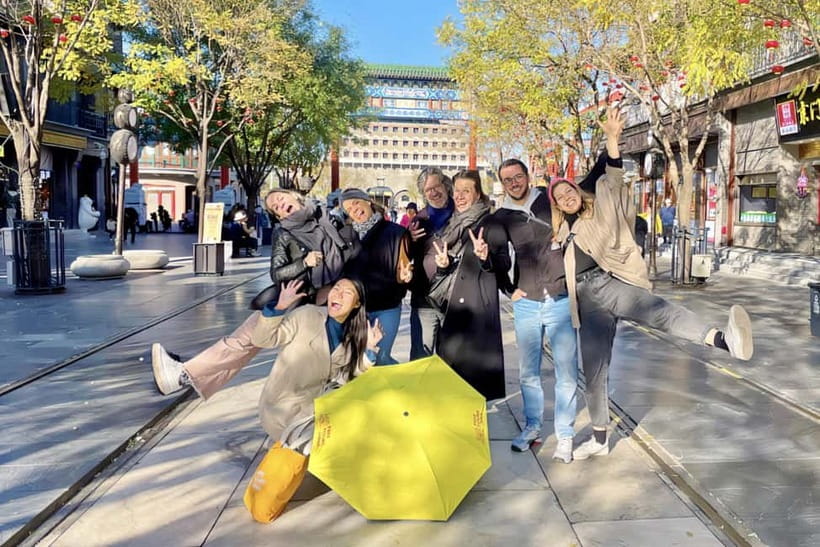
- An easy-to-find meeting point if you follow directions: look for the yellow umbrella near the green space.
Down the grey-brick lanes on foot or by pedicab
Why Hutongs Feel More Real Than Any Landmark Photo
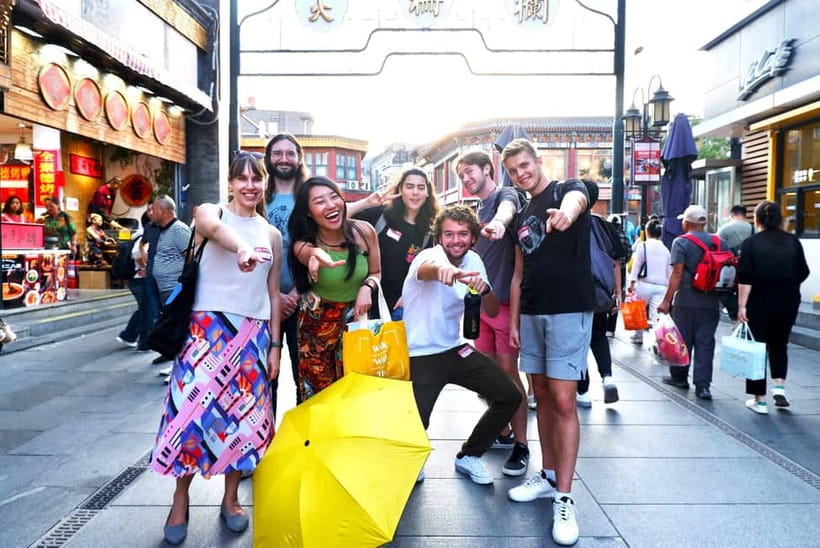
This tour works because it treats Beijing like a living city, not a museum list. You’ll start in a cultural hub area, then shift into hutongs where you can understand daily life: the narrow lanes, the courtyard layout, and the way people organize space.
What I like most is how the guide connects architecture to human decisions. A gate, a byway, a cinema stop, or a residential street isn’t just a thing to photograph. It becomes a clue for how Beijing grew into the political center it is today—and what “progress” looks like on the ground.
If you’ve been to big-ticket sights in Beijing already, this adds the missing layer: how the city functions between the headlines.
Starting at Huguang Guild Opera Theatre: The First Win Is Getting It Right
The walk begins near the Huguang Guild Opera Theatre area, and you meet at Hufangqiao Metro Station (Line 7), Exit D. When you exit, you head straight to the main road, turn right, and walk about 60 meters east to the green space at the intersection. Then you look for the yellow umbrella.
Here’s the practical tip that saves time: Google Maps can be unreliable for this meeting point, so ignore the pin. Follow the written directions and you’ll get there with less stress.
Also, plan to arrive 5–10 minutes early. Metro stations in Beijing can feel like small cities of their own, and you want that buffer before the guide starts moving the group.
Huguang Guild Opera Theatre: Old Performance Culture, Not Just a Stop Sign
Your first major stop is the Huguang Guild Opera Theatre area. Even if you don’t know the details of Chinese opera, the guide’s job is to translate the setting into something you can picture.
This is where you get oriented in “Old Beijing culture.” The theater piece helps explain why certain neighborhoods became cultural magnets, and why performance traditions matter when cities change.
You’ll spend about 30 minutes here, with guided context. That’s enough time to understand what you’re seeing without turning it into a sit-down lecture. You’ll also be set up for the next phase, when the streets become your classroom.
Hutongs on Foot: Where Stories Explain Real Beijing Change
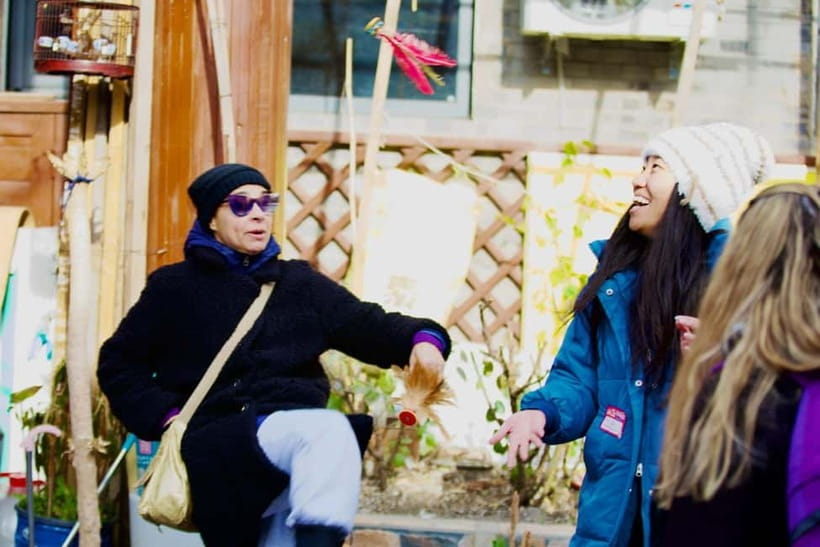
Then you shift into the hutongs, walking through the kind of lanes that made Beijing feel intimate long before skyscrapers took over the skyline. This part is guided for about 30 minutes, and it’s the heart of the experience.
This is also where I’d expect your brain to start linking things. Narrow street? Courtyard layout? A wall that seems too high for the lane? Those aren’t random. The guide frames them as choices people made for community life, family space, and neighborhood rhythm.
A standout detail from guide praise is the way Carrie connects the hutong story to bigger planning decisions—past, present, and what’s next. That perspective helps you avoid the trap of thinking hutongs are only nostalgia. They’re part of an evolving city.
The hutong segment is also your best chance to notice how “small scale” life works: movement through doorways, how streets funnel people, and where small storefronts fit into the layout.
Brush, ink and rice paper, more quiet hours
- Beijing Calligraphy Class★ 4.9 · 112 reviews
- Chinese Calligraphy Class for Small Group★ 5.0 · 104 reviews
- Beijing Historic City Guided Walking Tour + Calligraphy Creation★ 5.0 · 59 reviews
- Beijing Wangfujing Calligraphy Class by Forbidden City★ 5.0 · 58 reviews
- Beijing Culture: Tea Ceremony, Heritage Instrument & Calligraphy★ 5.0 · 57 reviews
The Courtyard Secret Stop: An Inside Look at Old Courtyard Life
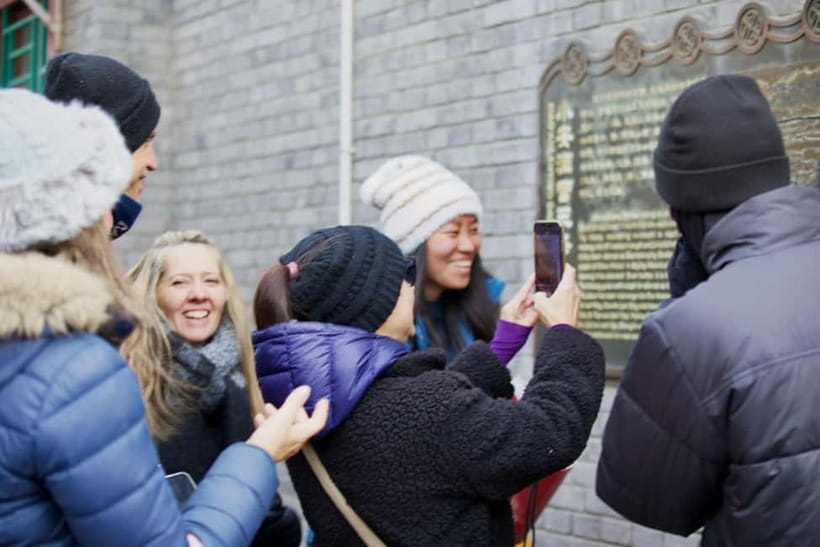
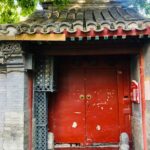
You’ll have a special stop that lasts about 20 minutes. The purpose is simple: you get access to an authentic hutong courtyard experience rather than only seeing the outside edge.
This is the part you’ll remember because it’s tactile. Courtyards give you a sense of how space breathes in Beijing homes—light coming through a frame of walls, rooms organized around daily needs, and a feeling of privacy that surprises first-timers.
It’s also a good break from nonstop walking. You can slow down, take in details, and see why courtyard architecture shaped social life.
If you’re the kind of person who loves architecture but hates dry facts, this segment hits the sweet spot: the guide adds meaning, and you get to look with your own eyes.
Yangmeizhu Byway and the Antique Street Feeling
Next comes Yangmeizhu Byway, guided for about 30 minutes. This is where the tour blends everyday neighborhood character with the small-commerce side of Beijing.
You’ll also get time that feels like a local stroll through an area known for antique shopping. The point isn’t to push you into buying. It’s to help you notice what survives—crafts, objects, and the street culture around them.
From a value standpoint, this part helps balance the tour. If everything were official landmarks, you’d miss the texture. If everything were only residential hutongs, you might miss the downtown energy. This section gives you both.
Daguanlou Cinema and Chinese Cinema Roots
You’ll pass through Daguanlou Cinema for about 20 minutes, a stop that ties Beijing’s downtown story to the birthplace of Chinese cinema theme.
Even if you’re not a cinema history specialist, the guide’s storytelling helps you see why cultural institutions cluster the way they do. Cinema isn’t separate from neighborhood life in cities like Beijing. It grows where people gather, where streets have foot traffic, and where entertainment meets daily routine.
This is a short stop, but it’s a useful contrast. After courtyard calm and hutong narrowness, a cinema connection brings you right back into public city energy.
Dashilan Residential District and Street Market Snacks
Then you’ll walk into the Dashilan area, including a residential district component (about 30 minutes). You’ll see the street-side commercial life too, and this is where the tour turns practical: you’re learning how people live at street level.
One of the most loved parts of this style of tour is the built-in food break. You get snack breaks, including street food and drinks along the route. That matters more than it sounds, because walking tours can turn into grumpy marathons if you’re constantly hungry.
The street market atmosphere also helps you connect the dots. You’re not just learning the layout of streets; you’re seeing how people use them—shopping, eating, pausing, and moving through the same lanes you’re walking.
Qianmen Pedestrian Street: Big Energy, Clear Context
The tour then heads to Qianmen Pedestrian Street for about 40 minutes. This is a good segment for people who like variety: you get a lively downtown experience while still staying within the tour’s “why” lens.
You’ll also connect toward Zhengyang Gate & Arrow Tower and a Tiananmen Square view from outside. The outside-view setup is important: you still get the symbolism and geography, without needing to build your day around long ticketed stops.
This whole stretch is also practical for photos. Wide pedestrian flow, historic-ish street edges, and plenty of places where your guide can point out what to look for.
Price and Value: What $25 Buys You Here
At $25 per person for a 3.5-hour walk, the value depends on what you want from a Beijing visit. If you mainly want landmark checklists, you might feel underwhelmed. But if you care about stories, context, and at least one hands-on activity, this pricing starts to make sense.
Here’s what you’re getting for your time:
- A local English-speaking guide who ties streets to city change
- A set of stops that cover downtown landmarks and hutong life
- Snack breaks with street food-style eating
- A calligraphy activity where you create your own artwork and take it home for free
- Welcome items, including a China Survival Guide and welcome gifts
The other value point is pacing. The route isn’t rushed in a “hurry up and pose” way. It’s designed to keep you moving while still giving you time to absorb stops—especially the courtyard and calligraphy segments.
One consideration: this isn’t the cheapest way to walk around central Beijing. If you’re hoping for a low-cost, tip-style outing only, you may question the cost-to-story ratio. If you want structure plus a keepsake, it feels fair.
How 3.5 Hours Fits Your Beijing Schedule (And Who It Suits)
This is a 3.5-hour outing, and you’ll cover a mix of formal and street-level scenes. You’ll likely walk enough that your legs will remember it later, especially in warmer or busier weather.
This tour suits:
- First-time visitors who want a cleaner understanding of Old Beijing versus modern Beijing
- People who like learning through walking, not sitting in a classroom
- Anyone interested in Chinese culture beyond museum walls
- Travelers who want a tangible memory, not only photos
- Small groups of friends who want an easy way to meet other people along the walk
If you’re short on time in Beijing but want more than the standard big-sight run, this is a strong “connect the city” option.
Quick Advice for a Smoother Walk
- Wear comfortable shoes. Hutong walking can include uneven pavement and tighter lane turns.
- Bring a layer. Weather can shift, and you’ll be outside for most of the tour.
- Arrive early and use the yellow umbrella marker. It’s the fastest way to confirm you’re with the right group.
- Come hungry enough to enjoy the snack breaks. That part is built into the flow for a reason.
Should You Book This Old Beijing Hutong Walking Tour?
I’d book this tour if you want Old Beijing explained through real streets, not just photographed from the sidewalk. The combo of hutong courtyard access and the hands-on calligraphy makes it more than a generic walking route, and the downtown stops keep it grounded in what Beijing looks like today.
Skip it only if you strongly dislike walking or you’re only interested in major-ticket attractions. This tour’s best moments are the quiet in-between spaces: courtyards, narrow lanes, and the way the guide turns everyday streets into city lessons.
If that sounds like your kind of Beijing day, you’ll likely feel glad you booked.
FAQ
How long is the hutong walking tour?
The tour lasts about 3.5 hours.
What language is the guide?
The tour includes a live English-speaking guide.
Where is the meeting point?
You meet at Hufangqiao Metro Station (Line 7), Exit D (South-West Exit). Follow the written directions to the green space near the intersection and look for the yellow umbrella.
What sights and areas do we visit?
The walk includes stops such as Huguang Guild Opera Theatre, Beijing hutongs, Yangmeizhu Byway, Daguanlou Cinema, Dashilan residential/commercial areas, Qianmen Pedestrian Street, Zhengyang Gate & Arrow Tower, and a view of Tiananmen Square from outside.
Is there food included?
Yes. Snack breaks are included, with street food and drinks along the way.
Do we make anything during the tour?
Yes. You visit a Chinese calligraphy studio, create your own Chinese calligraphy artwork, and take it home for free.
Can I cancel for a full refund?
Yes. You can cancel up to 24 hours in advance for a full refund.
Should I rely on Google Maps for the meeting point?
No. Google Maps does not work reliably in China for this meeting spot, so follow the written meeting instructions instead.
More Tour Reviews in Beijing
- From Beijing: Mutianyu Great Wall Tours with Options
★ 4.9 · 9,216 reviews - Beijing: Forbidden City Tour(Group/Private)-Tickets Included
★ 4.8 · 7,974 reviews - Beijing: T-Square & Forbidden City Group or Private Tour
★ 4.8 · 4,446 reviews - All-Inclusive Tour: Tiananmen Square, Forbidden City, Great Wall
★ 5.0 · 2,873 reviews - MuBus: Mutianyu Great Wall ENG/ESP/RUS Guided Bus Tour
★ 5.0 · 2,361 reviews - 4-Hour Small Group Tour to Forbidden City with Entry Tickets
★ 5.0 · 1,863 reviews
The Brush and the Ink
- Beijing Calligraphy Class
★ 4.9 · 112 reviews - Chinese Calligraphy Class for Small Group
★ 5.0 · 104 reviews - Beijing Historic City Guided Walking Tour + Calligraphy Creation
★ 5.0 · 59 reviews - Beijing Wangfujing Calligraphy Class by Forbidden City
★ 5.0 · 58 reviews - Beijing Culture: Tea Ceremony, Heritage Instrument & Calligraphy
★ 5.0 · 57 reviews - Beijing Wangfujing Calligraphy Class Nearby Forbidden City
★ 5.0 · 56 reviews
Deeper Into the Hutongs
- Beijing Hutong Walking Food and Beer Tour at Hidden Restaurants
★ 5.0 · 1,132 reviews - Temple Heaven, Summer Palace, Lama Temple, Hutong Bus Tour
★ 4.7 · 319 reviews - Temple of Heaven, Summer Palace, Lama Temple, Hutong Tours
★ 5.0 · 311 reviews - Beijing Private Hutong Food Walking Tour
★ 5.0 · 299 reviews - The Hutong Experience by Bike
★ 5.0 · 163 reviews - Beijing: Hutong Culinary Walking Tour with 15+ Tastings
★ 5.0 · 162 reviews
Just In: More Beijing Tours to Browse



Hutong Walks & Rickshaw Tours, compared.
 ★ 5.0Beijing Hutong Walking Food and Beer Tour at Hidden RestaurantsFrom $801,132 reviews
 ★ 4.7Temple Heaven, Summer Palace, Lama Temple, Hutong Bus TourFrom $58319 reviews
 ★ 5.0Temple of Heaven, Summer Palace, Lama Temple, Hutong ToursFrom $99311 reviews
 ★ 5.0Beijing Private Hutong Food Walking TourFrom $82299 reviews
 ★ 5.0The Hutong Experience by BikeFrom $150163 reviews
 ★ 5.0Hutong Culinary Walking Tour with 15+ TastingsFrom $76162 reviews
 ★ 5.0Beijing Hutong Breakfast Food TourFrom $45155 reviews
 ★ 5.0Beijing City Walk: Explore Hutongs Life and Old BeijingFrom $15146 reviews
Browse the lists this tour appears in