
This ride follows Beijing’s spine, and it changes how the city feels. The Dragon’s backbone (the Central Axis) turns major landmarks into one clean, logical route, so you’re not zigzagging around looking for the next postcard. I especially love seeing the Tian’anmen area and the Forbidden City perimeter from the right angle, and I also like how the tour is led by English-speaking guides such as Amber or Jacky (you’ll get clear explanations, plus a friendly, practical pace). One thing to watch: the bikes can run a bit small, so if you’re tall or long-legged, ask about sizing before you start.
With only up to 8 people, you get the benefits of a guided day without feeling like you’re stuck in a crowd. You meet at Exit D of Ci Qi Kou Station (Line 5), then pedal through the parts of Beijing that are built for movement along the imperial line—plus side hutongs where everyday life still happens. If you want to spend a long time inside big-ticket sights, budget extra time or accept that this is mainly about the exterior views and the story around them.
In This Review
- Key points to know before you go
- Beijing Central Axis on two wheels: why this route works
- Getting there fast: meeting at Ci Qi Kou and starting smoothly
- Tian’anmen Square and the Mao portrait gate area: the public face of Beijing
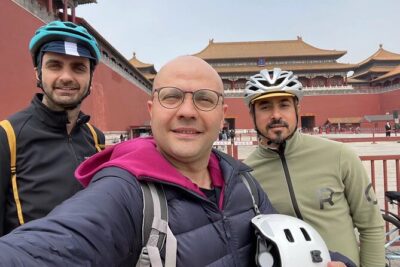
- Forbidden City perimeter: formal entrances, moat views, and corner turrets
- Drum & Bell Towers and the “time announcer” feel
- Hutongs and ordinary life: where the axis meets real neighborhoods
- Jing-hang Canal: a different Beijing pace
- How long is it, and what the pacing feels like
- Price and value: where $67 really goes
- Guides matter: the difference you’ll feel on the road
- Who this tour is best for
- Should you book this Central Axis bike tour?
Key points to know before you go
- Central Axis route logic: a 7.8 km historical line that links major imperial sites from north to south
- Tian’anmen Square + Mao portrait gate area: one of the most recognizable political-photo backdrops in China
- Forbidden City perimeter viewpoints: formal entrance, city moat, and corner turrets from the outside
- Drum & Bell Towers and timekeeping theme: the twin towers are part of the “Time’s announcer” feel
- Hutongs + markets + local lanes: side neighborhoods that connect to the main axis, not just monuments
- Jing-hang Canal scenery: stops along the longest manmade canal in the world, with temples and shops nearby
Weigh these up before you book this Beijing tour:
Beijing Central Axis on two wheels: why this route works
Beijing’s Central Axis is not just a straight line on a map. It’s a planning idea turned into architecture: the city was built so power and order could be read in one direction. When you bike this corridor, you can see how imperial Beijing was arranged—big ceremonial spaces, then gates and walls, then the edges where regular people’s streets begin.
That’s why I like this tour format. A walking tour can make you bounce between sites and lose the “why” behind the layout. A taxi tour can make you observe without understanding. Here, you ride about 20 km along the “dragon’s backbone” theme, and the guide helps you connect what you’re seeing: not only the famous places, but also the smaller pieces that make the whole plan make sense.
You also get the best kind of guide help: explanation that changes your angle. Instead of saying, Look at that gate, the guide points out how the gate fits into the axis and why it matters visually.
Getting there fast: meeting at Ci Qi Kou and starting smoothly
Your meet-up is simple: Exit D of Ci Qi Kou Station (Line 5). If you’re using a taxi, the practical tip is to open Alipay, set the destination as 磁器口地铁站D出口, and show that text to the driver. Once you arrive, your guide meets you at the meeting point.
This matters more than it sounds. A lot of Beijing tours start deep inside major sights, where you lose time shuffling tickets and queues. Starting at Ci Qi Kou keeps the rhythm: you’re out riding, not stuck in a slow check-in loop.
The tour runs about 3 hours. That’s short enough to keep energy high, but long enough to cover real ground—especially since you’re moving along the Central Axis and its connected lanes. The group size limit (up to 8) also helps the guide manage traffic stops without turning the day into herding cats.
Tian’anmen Square and the Mao portrait gate area: the public face of Beijing
The headline stop is Tian’anmen Square, followed by the area around the Tian’anmen gate with Chairman Mao’s portrait. This is the part of Beijing that most people recognize instantly—wide ceremonial space, huge political symbolism, and buildings placed with a big-stage purpose.
On a bike, you get a useful advantage: you can see the scale quickly. You’re not stuck craning your neck from one point. You can move along the route while still keeping your bearings on where things sit relative to the axis.
A balanced expectation note: you’re seeing this area from the outside as part of a route-focused tour. If you want to go inside any specific buildings or pay for interior access, plan on additional tickets for tourist sights, since tickets are not included.
Forbidden City perimeter: formal entrances, moat views, and corner turrets
One of the biggest “wow” moments on this ride is the Forbidden City’s huge formal entrance, along with the city moat and corner turrets. Even if you never cross the ticket gates, this is where you start to grasp how Beijing’s layout signals rank and ceremony.
Here’s what makes it work as a biking stop. The entrance and the corner turrets aren’t just decorative. They’re part of a defensive and ceremonial system, and their position along the central line changes how the space reads. From the bike route, you can see how the structures relate to the moat and the walls, rather than only seeing fragments.
Also, the guide’s job is to help you “read” the architecture. You should walk away understanding why the entrance looks the way it does and how it connects to the axis theme you’ve been following. This is the difference between a photo stop and a meaningful sight.
Your group only, at your own pace
- Beijing: Forbidden City Tour(Group/Private)-Tickets Included★ 4.8 · 7,974 reviews
- Beijing: T-Square & Forbidden City Group or Private Tour★ 4.8 · 4,446 reviews
- Beijing:Mutianyu Great Wall Private Trip with English Driver★ 5.0 · 1,263 reviews
- Private Mutianyu Great Wall Trip with English-Speaking Driver★ 5.0 · 927 reviews
- Private Mutianyu Great Wall Trip With English-Speaking Driver★ 5.0 · 899 reviews
Drum & Bell Towers and the “time announcer” feel
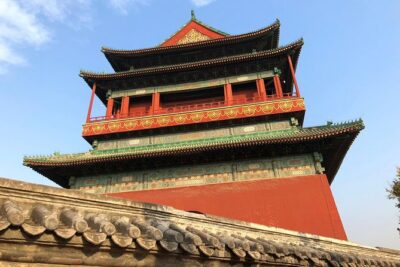
A fun twist on this route is the emphasis on Beijing’s timekeeping vibe—drum and bell towers described as the time announcer twin towers. These towers are not just landmarks; they’re part of the city’s historical rhythm, which fits the Central Axis storytelling so well.
You’ll also pass by or get views connected with the lakes and bridges area where the drum and bell towers are part of the scenery. That’s a nice contrast to the hard-edged symbolism near Tian’anmen. Here the mood softens: waterlines, bridge shapes, and the towers rising in the background.
If you’re the type who enjoys architecture details, this section is a good one to slow down. Even within a short 3-hour tour, the best guides create “micro-pauses” to let you look properly, not just roll past.
Hutongs and ordinary life: where the axis meets real neighborhoods
Beijing’s imperial planning is only half the story. The other half is what sits alongside it: hutongs, side lanes where ordinary people lived and still live.
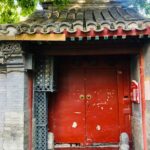
This tour includes time for hutongs hidden in Ancient Beijing City, along with side neighborhoods connected to the central way. You should expect narrow streets and local textures—less monument viewing and more street-level context. If you want to understand Beijing beyond the big names on postcards, this is the section that usually feels most personal.
Some versions of the tour focus more on local life elements like markets and family-run neighborhood scenes, and there’s also a hutong-focused idea that includes a viewpoint from the Drum Tower (for an overview of how daily life spreads across the city). Since the itinerary can vary by how the guide structures the 3 hours, you’ll get the best result if you ask at the start what exact hutong loop you’ll ride that day.
Jing-hang Canal: a different Beijing pace
Another highlight is the Jing-hang Canal, described as the longest manmade canal in the world. This adds a different layer to your day. Instead of only imperial buildings and ceremonial gates, you get a corridor shaped by trade and movement.
Along this part of the route, you can expect views tied to the canal with temples and stores beside it. That mix matters. It helps you connect Beijing’s political center to the practical networks that kept the city alive.
Even if you’re not a canal person, you’ll probably enjoy this because it breaks up the heavy monument density with something more human-scale. It’s also a good place for the guide to explain how water routes and city development interact—without turning the day into a lecture.
How long is it, and what the pacing feels like
The tour duration is 3 hours, and it covers a lot conceptually: major axis architecture plus connected streets. The biking distance is described as around 20 km along the central axis route. That’s enough riding to feel like a real activity day, not a slow rolling “drive-by.”
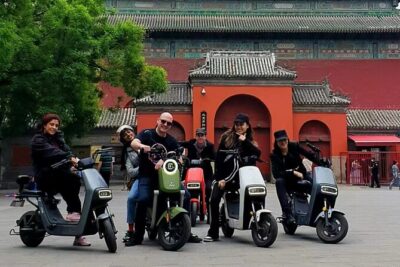
Here’s the practical consideration: it’s a shared-bike setup, one bike per person. That’s great for simplicity, but it also explains the one drawback that showed up in feedback—some bikes may be on the small side. If you’re between sizes, mention it early. You want comfortable control, not a stretched riding position that makes you tense.
Also, remember that this is about seeing and understanding the route. It’s not built around long museum stays. If you’re the kind of person who wants to read every plaque and spend 2 hours inside a venue, plan to do that on a separate day.
Price and value: where $67 really goes
At $67 per person for a private-style bike tour with a 1 English-speaking guide, pickup from the meeting point, a shared bike, and mineral water, the value is in what you avoid: wasted time and confusion.
Beijing’s Central Axis can be intimidating to navigate if you’re trying to figure out the right angles and stops on your own. This tour packages the hardest part—route planning—into a smooth arc that hits the places you’ll actually want to see: Tian’anmen, the Forbidden City entrance perimeter, drum and bell towers, hutong lanes, and the Jing-hang Canal area.
The big cost note is simple: tickets for tourist sights are not included. So if you’re hoping to step inside specific major sites, budget those ticket expenses separately. That said, the included route still makes sense even without interior access, because the key “architecture read” happens from the outside along the axis line.
Guides matter: the difference you’ll feel on the road
The best part of this tour tends to be the human side. Feedback highlights that guides like Amber communicate clearly and keep things fun, and Jacky is praised for pointing you toward areas you might not find efficiently without local guidance.
What that means for you: you should get more than route directions. You’ll get explanations that help you connect distant landmarks into one plan, and you’ll get a guide who can adjust if your timing gets messy. One helpful detail from the experience: guides can be accommodating when someone arrives later than expected due to scheduling mix-ups.
So when you meet at Ci Qi Kou, don’t be shy about asking quick questions like:
- What’s the exact focus today: more axis monuments or more hutongs and market lanes?
- Are the bikes a standard size range, and should I request a different fit?
- Do we plan any viewpoint stops that require short walking?
Who this tour is best for
I’d point you toward this tour if:
- You like architecture and urban planning and want to understand why Beijing is arranged the way it is
- You want a productive morning or early afternoon with major landmarks plus neighborhood texture
- You prefer biking because it lets you cover the axis without tiring out after a few photos
- You enjoy a small group atmosphere where your guide can actually talk to you
If you’re only interested in spending maximum time inside museums and ticketed venues, this may feel short. But if you want a strong overview with meaningful context, it’s a solid way to start.
Should you book this Central Axis bike tour?
Yes, if you want Beijing in one coherent line: Tian’anmen, the Forbidden City perimeter, drum and bell towers, hutong lanes, and Jing-hang Canal scenery, all tied together by the Central Axis story. The price is reasonable for what’s included, especially the English guide and the bike-powered logistics.
I’d think twice if:
- You’re very sensitive about bike fit (double-check sizing because some bikes may run small)
- You expect ticketed interior access as part of the deal
- You want a slow, linger-on-every-corner day rather than a 3-hour, route-focused ride
If you match those expectations, you’ll get the kind of Beijing understanding that’s hard to reproduce when you’re just hopping between stops on your own.
More Cycling Tours in Beijing
- The Hutong Experience by Bike
★ 5.0 · 163 reviews - Beijing Highlights-Private Beijing Bike Tour
★ 4.5 · 21 reviews - 4-Hour Private Beijing Hutong Bike Tour with Dumpling Lunch
★ 5.0 · 13 reviews - Modern Beijing Discovery by Bike
★ 5.0 · 13 reviews - Street Food in Beijing Hutongs by Bike
★ 5.0 · 11 reviews - Old Beijing Hutongs Biking Adventure
★ 5.0 · 8 reviews
More Beijing Outings
- From Beijing: Mutianyu Great Wall Tours with Options
★ 4.9 · 9,216 reviews - Beijing: Forbidden City Tour(Group/Private)-Tickets Included
★ 4.8 · 7,974 reviews - Beijing: T-Square & Forbidden City Group or Private Tour
★ 4.8 · 4,446 reviews - All-Inclusive Tour: Tiananmen Square, Forbidden City, Great Wall
★ 5.0 · 2,873 reviews - MuBus: Mutianyu Great Wall ENG/ESP/RUS Guided Bus Tour
★ 5.0 · 2,361 reviews - 4-Hour Small Group Tour to Forbidden City with Entry Tickets
★ 5.0 · 1,863 reviews
More Tour Reviews in Beijing
- From Beijing: Mutianyu Great Wall Tours with Options
★ 4.9 · 9,216 reviews - Beijing: Forbidden City Tour(Group/Private)-Tickets Included
★ 4.8 · 7,974 reviews - Beijing: T-Square & Forbidden City Group or Private Tour
★ 4.8 · 4,446 reviews - All-Inclusive Tour: Tiananmen Square, Forbidden City, Great Wall
★ 5.0 · 2,873 reviews - MuBus: Mutianyu Great Wall ENG/ESP/RUS Guided Bus Tour
★ 5.0 · 2,361 reviews - 4-Hour Small Group Tour to Forbidden City with Entry Tickets
★ 5.0 · 1,863 reviews
Just In: More Beijing Tours to Browse



Cycling Tours, compared.
 ★ 5.0The Hutong Experience by BikeFrom $150163 reviews
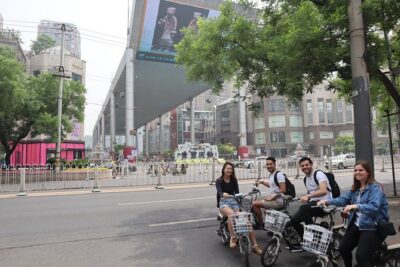
 ★ 4.5Beijing Highlights-Private Beijing Bike TourFrom $10021 reviews
 ★ 5.04-Hour Private Beijing Hutong Bike Tour with Dumpling LunchFrom $19913 reviews
 ★ 5.0Modern Beijing Discovery by BikeFrom $8913 reviews
 ★ 5.0Street Food in Beijing Hutongs by BikeFrom $7511 reviews
Old Beijing Hutongs Biking AdventureFrom $2698 reviews
Beijing Bike Forbidden City Tiananmen Square Group Tour 2 HoursFrom $697 reviews
★ 5.0Street Food in Beijing Hutongs by BikeFrom $7511 reviews
Old Beijing Hutongs Biking AdventureFrom $2698 reviews
Beijing Bike Forbidden City Tiananmen Square Group Tour 2 HoursFrom $697 reviews
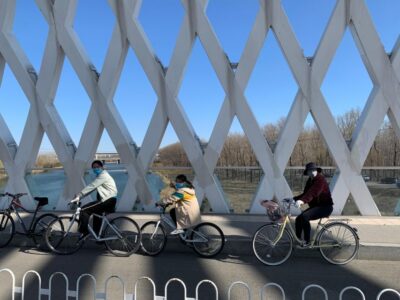 ★ 4.3Riverside Cycling With A NativeFrom $514 reviews
Browse the lists this tour appears in