Reviewed · SHOPPING TOURS
Private Beijing Shopping Tour
Beijing shopping can get overwhelming fast, so this private tour helps you focus. You get a local guide to plan a shopping route around what you actually want, then use a private vehicle to move between markets and store bags. Instead of figuring out logistics, you handle the wish list and your guide handles the busy-work.
I like the practical private-vehicle convenience—you’re not stuck carrying shopping around—and I also like the bargaining support when prices jump around. Guides including Sally, Susan, and Becky are described as English-speaking and good at steering people away from mistakes or overcharging, so you can shop with more confidence. The main drawback is that market-hopping can start to feel repetitive after a while, so it pays to go in with clear priorities (and not just browse every stall for hours).
In This Review
- Key things that make this tour work
- How This Private Beijing Shopping Tour Works
- Price and Value: What You’re Paying For (and What You’re Not)
- Your Driver + Guide Team: The Logistics That Save Your Energy
- Stop 1: Hongqiao (Pearl) Market and the Glasses Question
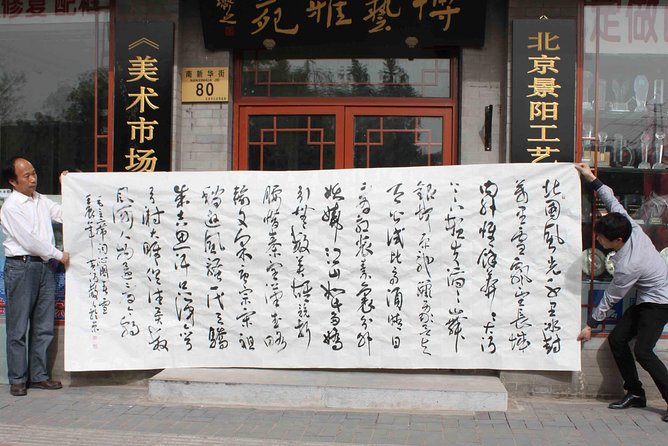
- Stop 2: Liulichang Street Antique Market for Chinese Decor
- Stop 3: Maliandao Tea Street with 1000+ Vendors
- Stop 4: Panjiayuan Antique Market for Souvenirs With Personality
- Stop 5: Silk Street + Pearl Market (Xiushui) for Gifts and Deals
- Optional Adds: Local Supply Market for Chinese Cooking Fans
- Bargaining and Negotiation: What the Guide Actually Helps With
- What to Expect From the Pace and the 4–6 Hour Window
- How Payment Works in Beijing Markets (Don’t Get Stuck)
- What to Bring for a Smoother Shopping Day
- Who This Tour Is Best For (and Who Should Skip It)
- Should You Book This Private Beijing Shopping Tour?
- FAQ
- How long is the Private Beijing Shopping Tour?
- Is this tour private or shared with other people?
- What’s included in the price?
- What stops are typically included?
- Are market admission fees included?
- Do I need cash for shopping?
- Are meals and drinks included?
- Can the itinerary be customized?
- What if I want more time than the tour includes?
- What is the cancellation policy?
Key things that make this tour work
- Private time, not a group cattle line: Only your party goes, and the guide adjusts the route to your interests.
- A guide who helps with prices and translation: Negotiation goes smoother when someone knows the area and can help you ask questions.
- Bag storage and air-con transport: You return to the vehicle between stops and finish with help getting everything back to your hotel.
- Market variety within one session: Pearls, antiques, tea, and souvenirs happen in one planned day.
- Free entry tickets at the listed stops: You’re paying for the tour itself, not separate market admission fees.
- Cash in CNY is key: Many markets are set up for Chinese yuan, so you’ll want bills ready before you arrive.
Your group only, at your own pace

How This Private Beijing Shopping Tour Works
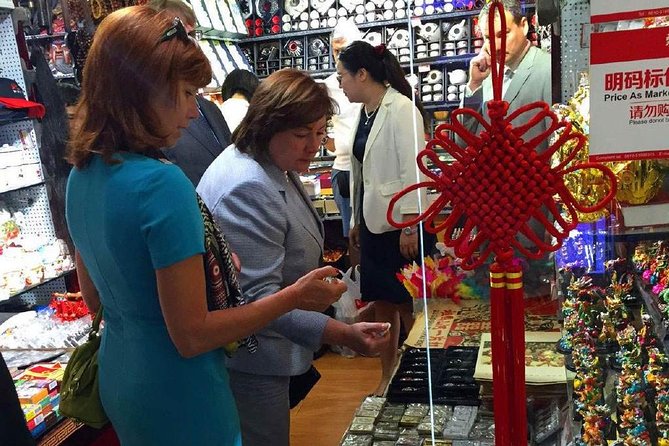
This is a 4 to 6 hour private shopping experience built around one simple idea: you tell your guide what you want, and they map the best way to get it. Your route can change based on your tastes—clothing, electronics, housewares, or other goods. You’ll also get translation help when you’re staring at product labels and wondering what’s actually included.
You’ll start with hotel pickup (hotels within the 4th ring road) and end with a return drop-off. Between stops, you’ll use a private vehicle, which matters because Beijing markets can be dense and your arms will get tired fast.
Price and Value: What You’re Paying For (and What You’re Not)
The tour costs $148 per person for about 4 to 6 hours. That price isn’t just paying for someone to point at stores—it’s paying for time savings, logistics help, and a guide who can smooth over the stuff that slows shopping down (finding the right stalls, asking questions, and negotiating).
You also don’t pay separate admission fees for the market stops listed. Bottled water is included, and you get round-trip private transfer for your shopping day. Food and drinks are on you, and if you want more time, it’s an extra $30 per hour—so think of this as buying a controlled shopping window rather than an open-ended wandering day.
Your Driver + Guide Team: The Logistics That Save Your Energy
A big selling point is the private transport paired with a guide. After each market stop, you can get back to the vehicle and stash purchases. That turns the shopping day from a backpack test into a real plan.
This also helps when you’re comparing prices. You can step back, show items to your guide, and decide calmly instead of rushing because you’re already carrying too much. When you’re ready to go back, your guide brings you to the air-con transport waiting for all your bags.
Stop 1: Hongqiao (Pearl) Market and the Glasses Question
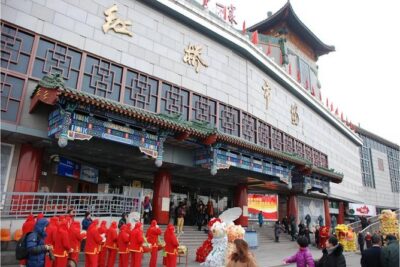
Hongqiao Market, often called the Pearl Market, is your first stop. If you’re chasing pearls—or anything pearl-related—this is the kind of place where you’ll see lots of options concentrated in one area.
One practical detail: the tour description notes that if you need prescription glasses, shops here can sometimes handle them in a few hours. I’d treat that as a “maybe, depending on the shop” situation, not a guarantee. Still, it’s a useful possibility if you’re time-limited and want custom eyewear done while you’re in the city.
What to watch for: pearls and eyewear are also categories where sellers may push upsells. Having a guide alongside you can help you verify what’s being offered and keep the conversation grounded.
Save room in the suitcase
- Private Beijing Markets Tour with Tea Tasting at Hongqiao Pearl Market★ 5.0 · 18 reviews
- Beijing Exclusive Private Shopping Tour: Curated Just for You★ 5.0 · 12 reviews
- Private Beijing Shopping Tour★ 5.0 · 8 reviews
- Night Market Haggling Adventure with an English Guide!★ 4.8 · 7 reviews
- 4-Day Beijing Tour: Best Private Package with No Shopping Stops★ 5.0 · 7 reviews
Stop 2: Liulichang Street Antique Market for Chinese Decor
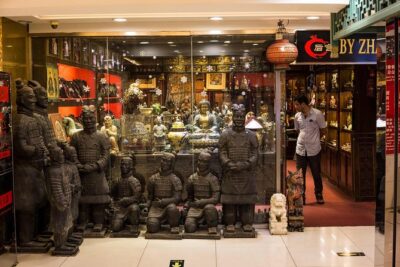
Liulichang is where you shift from shopping-by-category to shopping-by-character. The Liulichang Antique Market is a good place to look for antiques and Chinese decorative items—things that feel like they belong in a home, not just a souvenir shelf.
This stop can be especially rewarding if you want gifts with a visual story: calligraphy-style decor, traditional-looking pieces, and items that feel tied to Chinese aesthetics. If you’re after small, budget-friendly curios, it can also work well because you can browse without needing to commit to a big purchase right away.
Consideration: antiques vary wildly in quality and authenticity. Your best move is to ask questions, look closely, and let the guide help you avoid obvious mismatches. If you’re not sure what you’re looking at, don’t pretend you are—slow down and ask.
Stop 3: Maliandao Tea Street with 1000+ Vendors
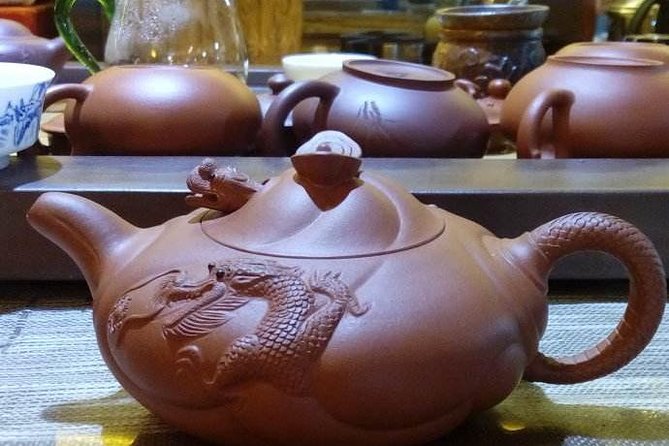
Maliandao Tea Street is built for one mission: tea shopping. The tour notes that there are more than 1000 vendors here, which means you can spend a long time comparing lots of options.
If you like tea, you’ll love how many directions this market can take you—different types, different packaging, different price tiers. Your guide can help you move through the choices faster by pointing you toward sellers that fit your goals, rather than letting you get stuck wandering aisle-to-aisle.
A realistic tip: with so many vendors, you can lose your “price sense” if you don’t keep comparing. Ask your guide to help you benchmark what fair pricing looks like before you settle on a big buy.
Stop 4: Panjiayuan Antique Market for Souvenirs With Personality
Panjiayuan Antique Market is another classic stop for unique Chinese souvenirs and antiques. Compared with places that mainly sell mass-market goods, Panjiayuan can feel more like a hunt—less everything-looks-the-same, more “maybe I’ll find that exact thing.”
This is also a strong stop for people who want smaller, portable items: things you can pack without turning your luggage into an obstacle course. If you’re buying for family, it’s often easier to shop for a range of small items than one big “main gift.”
Main drawback to keep in mind: if you’ve already hit multiple markets that sell similar-looking souvenirs, you may find Panjiayuan less surprising. That doesn’t mean it’s bad—just manage expectations and focus on what you’re trying to bring home.
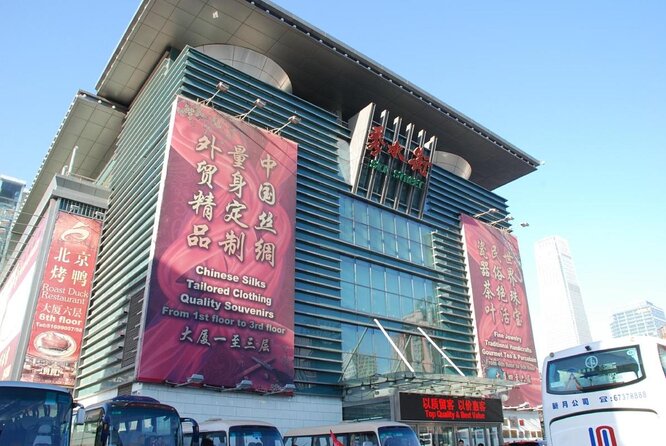
Stop 5: Silk Street + Pearl Market (Xiushui) for Gifts and Deals
The tour includes Silk Street & Pearl Market (Xiushui) as your later stop. This is where you can take the shopping you’ve learned so far and apply it to last-minute gifts.
Your guide gives tips on which vendors to visit for specific items, plus how to find the right souvenirs to take home. If you’re the kind of shopper who likes structure—check the recommended stalls, compare, then bargain—this stop can be a good match.
There’s also a built-in break: you can refresh at one of the outdoor cafes nearby (own expense). In practice, that’s smart. Tea and shopping tours can make you forget to eat, and a planned pause keeps the afternoon from turning into “I’m tired, so I’ll buy the first okay thing.”
Optional Adds: Local Supply Market for Chinese Cooking Fans
There’s an extra option mentioned for people who want to shop for Chinese cooking supplies. If that’s your goal—ingredients, tools, or market-style kitchen items—this can be a fun twist that goes beyond the usual “clothes and trinkets” routine.
I’d bring a clear list here. Cooking-related shopping can spread across a lot of small categories, and a guide can help you avoid wasting time on items that don’t match your home kitchen needs.
Bargaining and Negotiation: What the Guide Actually Helps With
The heart of a market day is bargaining, and this tour is designed for it. Your guide helps you practice and navigate negotiations, not by taking over the entire conversation, but by keeping you pointed in the right direction.
From the way the tour is described, guides can help you avoid two common problems:
- getting pushed toward the wrong product for your goal
- getting overcharged when you’re not sure what a fair price looks like
In particular, the standout feedback names guides who handled negotiations and made sure shoppers weren’t misguided or overcharged. That’s the difference between bargaining as stress and bargaining as skill.
Practical advice: set a budget range before you enter. When you see something you like, ask your guide for input right away, then negotiate. If you wait too long, you start bargaining emotionally instead of logically.
What to Expect From the Pace and the 4–6 Hour Window
Markets move fast, and this tour is timed for efficiency. The listed stops are each about an hour, but the overall time can run 4 to 6 hours depending on your selections and how long you spend comparing items.
If you want speed—like “get it done quickly”—this format works. One review highlights that booking right before the tour still got things arranged smoothly with confirmation and planning around what you wanted to buy.
If you want a slower “take your time” day, you can ask for it, but keep in mind that the tour is built around multiple stops. After a couple hours, you might start noticing repeating product styles across different markets—so prioritize what you love and let the guide know when you want to skip ahead.
How Payment Works in Beijing Markets (Don’t Get Stuck)
Here’s the reality check that saves your day: most markets only accept Chinese CNY payment. Bring cash so you can buy without hunting for a workaround.
Your guide can help with translation and questions about wares, but they can’t fix a cash-only situation. If you like bargaining, having small bills also helps you negotiate without awkward “sorry, I need to find change” interruptions.
What to Bring for a Smoother Shopping Day
Since you’re going to multiple markets and buying potentially fragile items, think like a shopper, not a tourist.
Bring:
- cash in CNY for markets that may not take cards
- comfortable shoes for uneven floors and crowded aisles
- a way to keep items safe (extra bags are often essential)
If you plan to buy pearls, antiques, or cooking supplies, treat packaging as part of your budget. The tour helps with transport and storage, but you’ll still want to protect what you bring home.
Who This Tour Is Best For (and Who Should Skip It)
This tour fits you if:
- you want a private guide to handle logistics and help with negotiations
- you have specific shopping targets like pearls, tea, antiques, or souvenirs
- you’d rather spend your time comparing and bargaining than figuring out where to go
It’s less ideal if:
- you prefer wandering on your own without structure
- you want to browse casually for hours with no plan, since the route moves through several markets and can feel repetitive
Also, if you’re shopping for only one item category, you might not need all the stops. But the guide can adjust the suggested itinerary based on your interests, which is the point of going private.
Should You Book This Private Beijing Shopping Tour?
I’d book this if you value speed, help with bargaining, and a guide who can steer you toward the right areas—especially if you’re not confident shopping in Chinese markets on your own. The mix of pearls, antiques, tea, and souvenirs gives you coverage in one session, and the private vehicle + bag storage is a comfort upgrade you’ll notice immediately.
I’d hesitate only if you’re the type who loves slow browsing in one place. This tour is more like a well-planned route through multiple shopping worlds than a single-market day. If you go in with a clear wish list and a cash plan, this can turn a stressful shopping day into a fun, controlled mission.
FAQ
How long is the Private Beijing Shopping Tour?
It runs about 4 to 6 hours, depending on your shopping needs and how long you stay at each stop.
Is this tour private or shared with other people?
It’s a private tour/activity. Only your group will participate.
What’s included in the price?
Included items are bottled water, hotel pickup and drop-off (for hotels within the 4th ring road), a local guide, a private tour, and round-trip private transfer.
What stops are typically included?
The tour can include Hongqiao (Pearl) Market, Liulichang Antique Market, Maliandao Tea Street, Panjiayuan Antique Market, and Silk Street & Pearl Market (Xiushui). There’s also an option for a local supply market if you’re shopping for Chinese cooking items.
Are market admission fees included?
For the listed stops, admission tickets are noted as free.
Do I need cash for shopping?
Most markets only accept Chinese CNY payment, so it’s best to prepare cash.
Are meals and drinks included?
Food and drinks aren’t included. There may be time to refresh at cafes during the day, but purchases are your own expense.
Can the itinerary be customized?
Yes. You can tell your guide what you want, and the route is suggested based on your interests.
What if I want more time than the tour includes?
Additional hours are available for USD $30 per hour.
What is the cancellation policy?
You can cancel for a full refund if you cancel at least 24 hours in advance of the experience’s start time. Free cancellation is offered under that rule.
Your Party, Your Pace
- Beijing: Forbidden City Tour(Group/Private)-Tickets Included
★ 4.8 · 7,974 reviews - Beijing: T-Square & Forbidden City Group or Private Tour
★ 4.8 · 4,446 reviews - Beijing:Mutianyu Great Wall Private Trip with English Driver
★ 5.0 · 1,263 reviews - Private Mutianyu Great Wall Trip with English-Speaking Driver
★ 5.0 · 927 reviews - Private Mutianyu Great Wall Trip With English-Speaking Driver
★ 5.0 · 899 reviews - Mutianyu Great Wall&Summer Palace Excursion:Group/Private Options
★ 5.0 · 816 reviews
More Beijing Outings
- From Beijing: Mutianyu Great Wall Tours with Options
★ 4.9 · 9,216 reviews - Beijing: Forbidden City Tour(Group/Private)-Tickets Included
★ 4.8 · 7,974 reviews - Beijing: T-Square & Forbidden City Group or Private Tour
★ 4.8 · 4,446 reviews - All-Inclusive Tour: Tiananmen Square, Forbidden City, Great Wall
★ 5.0 · 2,873 reviews - MuBus: Mutianyu Great Wall ENG/ESP/RUS Guided Bus Tour
★ 5.0 · 2,361 reviews - 4-Hour Small Group Tour to Forbidden City with Entry Tickets
★ 5.0 · 1,863 reviews
More Tour Reviews in Beijing
- From Beijing: Mutianyu Great Wall Tours with Options
★ 4.9 · 9,216 reviews - Beijing: Forbidden City Tour(Group/Private)-Tickets Included
★ 4.8 · 7,974 reviews - Beijing: T-Square & Forbidden City Group or Private Tour
★ 4.8 · 4,446 reviews - All-Inclusive Tour: Tiananmen Square, Forbidden City, Great Wall
★ 5.0 · 2,873 reviews - MuBus: Mutianyu Great Wall ENG/ESP/RUS Guided Bus Tour
★ 5.0 · 2,361 reviews - 4-Hour Small Group Tour to Forbidden City with Entry Tickets
★ 5.0 · 1,863 reviews
Just In: More Beijing Tours to Browse




Shopping Tours, compared.
 ★ 5.0Private Beijing Markets Tour with Tea Tasting at Hongqiao Pearl MarketFrom $8818 reviews
 ★ 5.0Beijing Exclusive Private Shopping Tour: Curated Just for YouFrom $11812 reviews
 ★ 4.8Night Market Haggling Adventure with an English Guide!From $687 reviews
 ★ 5.04-Day Beijing Tour: Best Private Package with No Shopping StopsFrom $6497 reviews
 ★ 5.06-Hour Private Beijing Tour: Flower and Fish Market, Panjiayuan Antique Market and 798 Art ZoneFrom $1587 reviews
 ★ 5.0Private Full Day Beijing Shopping TourFrom $887 reviews
 ★ 5.0Lama Temple, Hutong and Silk & Pearl Market Private Day TourFrom $1395 reviews
 ★ 5.0Private Tour to Pearl Market Acrobatic Show & Peking Duck DinnerFrom $1585 reviews
Browse the lists this tour appears in