
Reviewed · JINGSHAN & BEIHAI PARKS
Private Beijing Jingshan Hill, Beihai, and Hutongs with Imperial Lunch/Dinner
Panoramas from Jingshan make Beijing easy to read. I like the Jingshan Hill climb for big views over the Forbidden City, and I like Beihai Park for standout imperial details like the White Dagoba and Nine Dragon Screen. The main trade-off is simple: this is a walking-heavy old-city day, so comfortable shoes matter.
This tour is built for you, not for a hurry. You get hotel pickup and drop-off, a private guide who can adjust timing so your imperial lunch/dinner fits, and entrance fees are handled for the ticketed stops. Just note the meal is a set menu, so share any dietary needs ahead of time.
In This Review
- Key things I’d watch for
- Imperial parks, hutongs, and old Beijing views in one private day
- Jingshan Park: the central-axis climb that pays off fast
- Beihai Park: White Dagoba, Nine Dragon Screen, and Tuancheng
- Houhai hutongs: lake-side streets with a modern edge
- Yandai Xie Street: an old name, shops full of life
- Bell and Drum Towers: the drum-beating ceremony and a Bell Tower view
- Imperial lunch/dinner at Beihai’s Fangshan: set menu, big experience
- Price and logistics: what $180 buys you in real life
- What to wear, how to time your day, and how to plan your energy
- Who this tour suits best (and who should skip it)
- Should you book this private Beijing day?
- FAQ
- How long is the private tour?
- Is this a private tour or a shared group?
- Does the tour include hotel pickup and drop-off?
- What’s included in the price besides the tour itself?
- Is there a boat ride at Beihai Park?
- Which sites will I see during the day?
- Is lunch or dinner part of the experience?
- Is the meal flexible for dietary restrictions?
- What kind of footwear should I bring?
- Can I cancel for free?
Key things I’d watch for
- Jingshan Hill views: quick climb, dramatic skyline over the Forbidden City axis
- Beihai’s imperial set pieces: White Dagoba, Nine Dragon Screen, Tuancheng
- Seasonal boat time: Beihai boat rides run April to November only
- Hutongs with lake atmosphere: Houhai’s traditional buildings along the water
- Bell and Drum Towers show: you watch the drum-beating ceremony and get a Bell Tower panorama
- Imperial-style meal: set-menu lunch/dinner at Beihai’s Fangshan restaurant, with pre-trip dietary input
The hilltop view over the palace roofs, more park walks
Imperial parks, hutongs, and old Beijing views in one private day
Beijing can feel huge. This private day helps you turn that sprawl into a clear story: emperors and axis views, then gardens, then real neighborhoods and street life, ending with a ceremony at the towers. It’s a lot to fit into one outing, but the private format keeps it from feeling chaotic.
I also like the pacing philosophy here. Instead of rushing you from photo stop to photo stop, the route gives you time at each place. And the guide can adjust the order depending on your departure time, so your meal doesn’t land at the worst moment.
One small reality check: because you’re moving through historic areas, plan on uneven sidewalks and longer walking stretches than you might expect. If you’re the type who hates being rushed, you’ll probably appreciate that this day is guided and structured, not free-for-all.
Jingshan Park: the central-axis climb that pays off fast
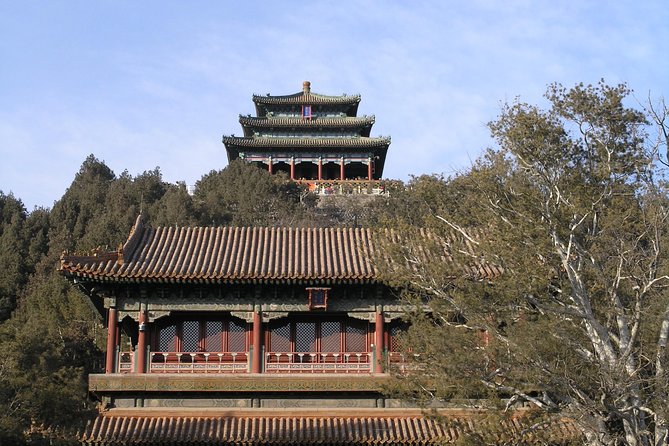
Jingshan Park sits at the top of Beijing’s central axis. That matters more than you might think, because it’s the quick way to understand the city’s old design logic. When you climb here, you’re not just getting views—you’re getting orientation.
The time on the hill is about 50 minutes with an admission ticket included. You don’t need to be an athlete. The climb is short enough to do comfortably, but still long enough to feel like you earned the payoff.
What you’re really looking for is the perspective over the Forbidden City and the surrounding “big order” of the city. This is where Beijing’s imperial geometry becomes obvious: major landmarks line up, and you can start placing everything you see later.
Practical tip: go in with a simple goal—take in the views, then look for axes and alignments, not just rooftops.
Beihai Park: White Dagoba, Nine Dragon Screen, and Tuancheng
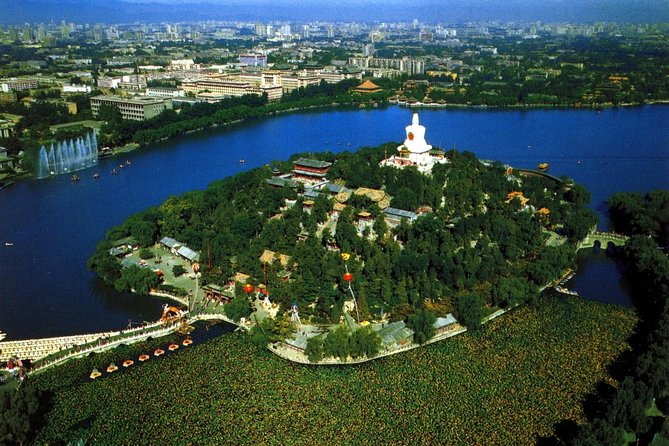
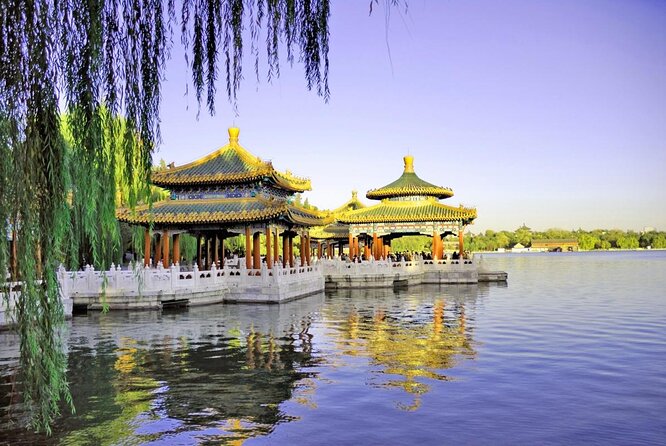
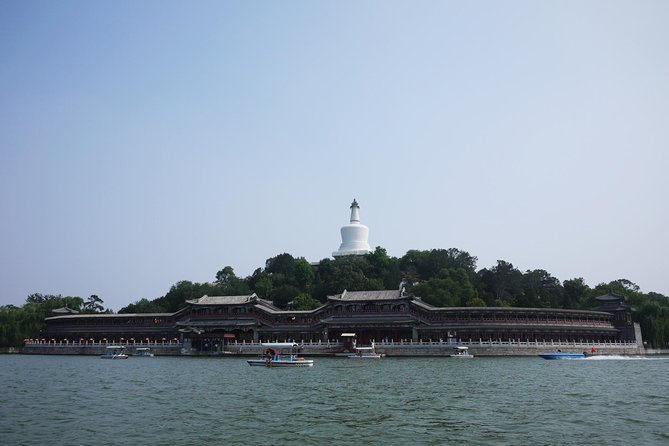
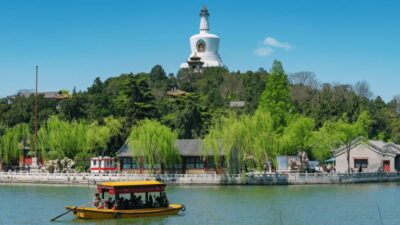
Next you head to Beihai Park, the imperial garden area northwest of the Forbidden City. This stop is about variety. You’re not only wandering open paths; you’re moving between iconic structures that tell you what an emperor’s leisure space looked like.
You’ll spend around 2 hours here, with admission included. Major sights include:
- White Dagoba (a signature landmark you’ll recognize quickly)
- Nine Dragon Screen (a classic image in Beijing visuals)
- Tuancheng (part of the imperial garden layout)
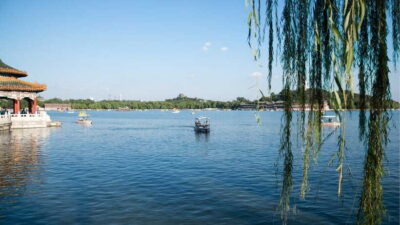
If you’re visiting during April to November, there’s a boat ride option at Beihai. That’s a nice break from walking and it changes your perspective—suddenly the garden looks like it’s organized for leisure, not just sightseeing.
Beihai also tends to feel calmer than the most crowded tourist circuits, especially when you arrive at a good time. The garden vibe helps you reset your brain after Jingshan.
Practical tip: bring water and pace yourself. Even when it feels “pretty and easy,” you can still rack up steps in a park.
Houhai hutongs: lake-side streets with a modern edge
After Beihai, you shift from imperial garden mode into real-neighborhood mode. The route moves into the Houhai area, one of Beijing’s famous pub-street zones by the lake.
You’ll spend about 1 hour walking among hutongs—those older quarters with traditional-style buildings lining the water. This is where Beijing starts to feel lived-in. You’re not only looking at preserved sights; you’re seeing daily life and the mix of locals and visitors.
What I like about this part is the contrast. The lake gives you air and breathing room, while the surrounding streets give you the textures of old Beijing living. The walk itself is often easy to enjoy because the setting is naturally scenic.
A good approach: don’t try to “collect” everything. Instead, take the time to watch how the streets bend around the lake and how doorways and facades face the water.
Down the grey-brick lanes on foot or by pedicab
- Beijing Hutong Walking Food and Beer Tour at Hidden Restaurants★ 5.0 · 1,132 reviews
- Temple Heaven, Summer Palace, Lama Temple, Hutong Bus Tour★ 4.7 · 319 reviews
- Temple of Heaven, Summer Palace, Lama Temple, Hutong Tours★ 5.0 · 311 reviews
- Beijing Private Hutong Food Walking Tour★ 5.0 · 299 reviews
- The Hutong Experience by Bike★ 5.0 · 163 reviews
Yandai Xie Street: an old name, shops full of life
Then you head to Yandaixie Street, one of the older streets in Beijing. The street gets its name from a Qing dynasty store selling giant smoking pipes, and the idea of an old commercial street still feels present as you walk.
This is a shorter stop—about 30 minutes—with admission included. Today it’s known for shops, with a steady mix of locals and tourists moving through.
This isn’t a “museum moment.” It’s more like a neighborhood street that you can use to connect the day: you’ve seen gardens and towers; now you’re seeing how people actually fill an old route with everyday commerce.
Practical tip: if you want souvenirs, this is a good time to browse. If you’re not interested in shopping, still stroll slowly. The street layout and names are part of the experience.
Bell and Drum Towers: the drum-beating ceremony and a Bell Tower view
The day ends with the Bell and Drum Towers, including time to go inside the Drum Tower for a traditional drum-beating ceremony. It’s a perfect closer because it’s both visual and rhythmic—something you can’t get from a photo alone.
You’ll spend about 50 minutes, and admission tickets are included. The ceremony is the headline, but there’s a second bonus: you also go up the Bell Tower for a panoramic view of old Beijing neighborhoods.
This is where the day’s pieces connect. You’ve been on the central-axis hill, through imperial garden icons, along lake-side hutongs, and then you land at a historic timekeeper landmark. It feels like Beijing’s old systems of order and ceremony come full circle.
Practical tip: try not to arrive thinking you’ll “just watch a show.” Treat it like a moment with a beginning, middle, and end—so you can actually soak it in.
Imperial lunch/dinner at Beihai’s Fangshan: set menu, big experience
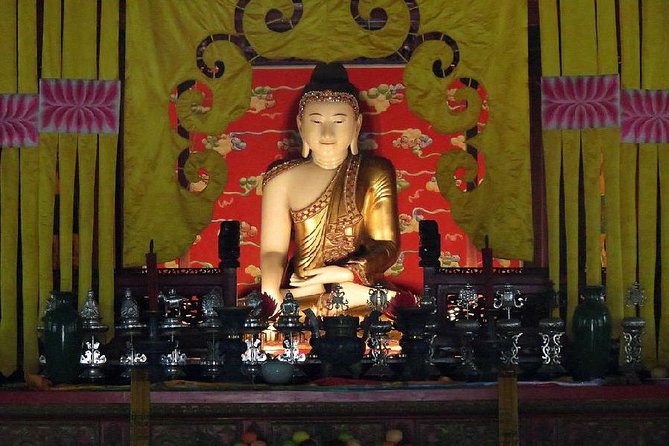
Meals are part of the value here, and they’re not just an afterthought. You’ll have an imperial-style meal at Beihai’s Fangshan restaurant, served as a set menu.
Depending on your timing, the day can be arranged so you get lunch or dinner. The guide adjusts the order based on your departure time, which helps you avoid the common problem: seeing the best sights and then being ravenous at the wrong hour.
The one thing to handle in advance is food needs. Since it’s a set menu, you should advise any special dietary requirements beforehand so the restaurant can plan. If you have restrictions, this matters more than it does on flexible buffet-style meals.
What you get from an imperial-style meal here is context. After Beihai’s world of emperor leisure, you’re not just eating—you’re sampling the “period feel” in the middle of the same area.
Price and logistics: what $180 buys you in real life
At $180 per person for a 7–8 hour private day, the question isn’t only cost. It’s what you’re paying for: convenience, time saved, and fewer stress points.
Here’s where you’re getting value:
- Private guide: route is tailored to your departure time and rhythm
- Hotel pickup and drop-off: this reduces friction in old Beijing areas
- Entrance tickets included: you don’t have to play admin with multiple sites
- Meal included: lunch/dinner is part of the package, not something you have to find mid-day
The other value is practical: this route can be tricky to stitch together efficiently on your own. With a guide handling the flow, you spend more energy enjoying the day and less energy figuring out which gate, which entrance, and which timing works best.
It’s also a smart choice if you want English explanations that are clear and pacing that lets you actually look. The guides who have led this route—people like Dana, Angie, and Colin—are known for keeping the day moving at a human speed and communicating in strong English.
If you’re traveling solo, couples, or a small group, private format is often the sweet spot. If your priority is only maximizing number of stops, you might find cheaper options. But if your priority is comfort + context, this price starts to make sense fast.
What to wear, how to time your day, and how to plan your energy
This is a day with “quietly serious” walking. The tour itself flags that you’ll cover a lot of the old part of Beijing. That’s your cue to wear shoes that handle uneven pavement and long stretches.
Also think about how you’ll handle sun and weather. The parks include outdoor walking, and the towers are a mix of indoor and outdoor views. Bring a light layer if you run cold easily.
Timing strategy: because the guide can adjust the sequence depending on your departure time, choose the start time that best fits your energy level. If mornings are your thing, go earlier. If you like a slower start and a later meal, pick a later departure so the day can be arranged around it.
And one more tip: when you’re at viewpoints like Jingshan and the Bell Tower, give yourself permission to linger. You’re not collecting stamps; you’re learning the city’s layout.
Who this tour suits best (and who should skip it)
This private day is ideal if you want classic Beijing sights without building a complicated plan yourself. It also works well if you care about pacing and want a guide who can keep the day flowing without steamrolling you.
It’s especially good for:
- Couples and small groups who want a shared, guided day
- People who like imperial parks and want context, not just photos
- Visitors who want a drum ceremony plus the old streets around Houhai and Yandai Xie
You might skip it if:
- You hate walking for long stretches through old neighborhoods
- You have strict dietary needs and prefer to choose meals à la carte (because the imperial meal is a set menu)
- You’re on a tight budget and your main goal is lowest cost over highest convenience
Should you book this private Beijing day?
If you want a well-paced mix of imperial views, garden icons, hutong street flavor, and a real ceremony at the towers, I’d say yes. The price feels fair when you consider it includes hotel pickup and drop-off, entrance fees, and your imperial meal, all inside one guided day.
Book it if you want less hassle and more story. Pass if you’d rather do everything on your own and you don’t need that structure.
Either way, come prepared for walking and choose the start time that matches your energy.
FAQ
How long is the private tour?
It runs about 7 to 8 hours.
Is this a private tour or a shared group?
It’s private. Only your group will participate.
Does the tour include hotel pickup and drop-off?
Yes. Hotel pickup and drop-off are included, and pickup is offered.
What’s included in the price besides the tour itself?
The price includes lunch/dinner as well as entrance fees for the listed ticketed stops.
Is there a boat ride at Beihai Park?
Yes, a boat ride is available from April to November.
Which sites will I see during the day?
You’ll visit Jingshan Park, Beihai Park, the Houhai area (Back Lakes) hutongs, Yandai Xie Street, and the Bell and Drum Towers.
Is lunch or dinner part of the experience?
Yes. You’ll have an imperial-style lunch/dinner at Beihai’s Fangshan restaurant, and the timing can adjust based on your departure time.
Is the meal flexible for dietary restrictions?
The imperial meal is a set menu. You should advise special dietary requirements beforehand.
What kind of footwear should I bring?
Wear comfortable shoes, because the tour involves quite a lot of walking in old Beijing.
Can I cancel for free?
Yes. Free cancellation is available up to 24 hours before the experience starts for a full refund.
More Tour Reviews in Beijing
- From Beijing: Mutianyu Great Wall Tours with Options
★ 4.9 · 9,216 reviews - Beijing: Forbidden City Tour(Group/Private)-Tickets Included
★ 4.8 · 7,974 reviews - Beijing: T-Square & Forbidden City Group or Private Tour
★ 4.8 · 4,446 reviews - All-Inclusive Tour: Tiananmen Square, Forbidden City, Great Wall
★ 5.0 · 2,873 reviews - MuBus: Mutianyu Great Wall ENG/ESP/RUS Guided Bus Tour
★ 5.0 · 2,361 reviews - 4-Hour Small Group Tour to Forbidden City with Entry Tickets
★ 5.0 · 1,863 reviews
Deeper Into the Hutongs
- Beijing Hutong Walking Food and Beer Tour at Hidden Restaurants
★ 5.0 · 1,132 reviews - Temple Heaven, Summer Palace, Lama Temple, Hutong Bus Tour
★ 4.7 · 319 reviews - Temple of Heaven, Summer Palace, Lama Temple, Hutong Tours
★ 5.0 · 311 reviews - Beijing Private Hutong Food Walking Tour
★ 5.0 · 299 reviews - The Hutong Experience by Bike
★ 5.0 · 163 reviews - Beijing: Hutong Culinary Walking Tour with 15+ Tastings
★ 5.0 · 162 reviews
Park Views Over the Palace
- Beijing:Jingshan Park (Palace Museum Garden) Ticket
★ 4.5 · 185 reviews - Beijing: Beihai Park Entry Ticket & English PDF Guidebook
★ 4.7 · 87 reviews - Beijing: Jingshan Park Entry Ticket- Views of Forbidden City
★ 4.6 · 51 reviews - Beijing: Beihai park e-ticket entry
★ 4.8 · 47 reviews - Beijing: JingShan park (palace museum garden) entry ticket
★ 4.7 · 18 reviews - Imperial Secret-Forbidden City and Jingshan Park Small Group Tour
★ 5.0 · 16 reviews
Just In: More Beijing Tours to Browse


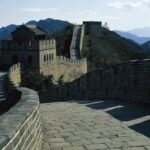
Jingshan & Beihai Parks, compared.
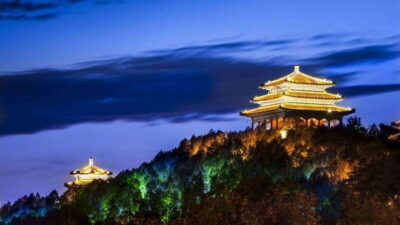 ★ 4.5Beijing:Jingshan Park (Palace Museum Garden) TicketFrom $6185 reviews
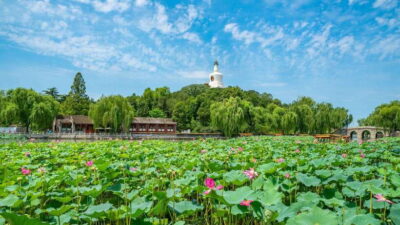 ★ 4.7Beihai Park Entry Ticket & English PDF GuidebookFrom $787 reviews
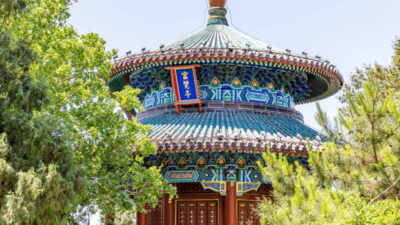 ★ 4.6Jingshan Park Entry Ticket- Views of Forbidden CityFrom $651 reviews
 ★ 4.8Beihai park e-ticket entryFrom $647 reviews
 ★ 4.7JingShan park (palace museum garden) entry ticketFrom $618 reviews
 ★ 5.0Imperial Secret-Forbidden City and Jingshan Park Small Group TourFrom $9816 reviews
 ★ 4.4Beihai Park Full Access Ticket – Must-See in ChinaFrom $910 reviews
 ★ 5.0Jingshan Park TourFrom $1488 reviews
Browse the lists this tour appears in