Reviewed · PEKING DUCK & FOOD TOURS
3-Day All-Inclusive Beijing Private Tour: Top Sights+Peking Duck
Three days, zero stress. This private plan strings together Beijing’s biggest UNESCO hits, with entrance fees covered and lunch included, and it even brings you to Peking duck. The trade-off is a packed schedule, so expect long car rides and a steady pace.
I like that you’re not stuck in a one-size-fits-all group. You can customize your interests, and the guide’s job is to pace the day around your questions, not around a tour clock (the gentler style I saw in examples like Susan and Qing matters).
You’ll also get real convenience: hotel pickup and drop-off for hotels within the 5th ring road, plus mobile ticket access. And at the Great Wall, you don’t have to treat the day like a workout—this plan includes options like cable car or ski lift up with a toboggan ride down.
In This Review
- Key highlights worth caring about
- What you’re really buying with this Beijing private tour
- Price and value: where $439.20 per person actually makes sense
- Day 1: Tiananmen Square and the Forbidden City in a single, smart arc
- The Peking duck stop: the meal feels like part of the sightseeing
- Day 1 afternoon add-on: Lama Temple is worth it if you like cultural contrast
- Day 2: Great Wall day with the Mutianyu vs. Badaling choice
- A key consideration: weather and season will affect how you feel on the wall
- Bird’s Nest and the old-center axis: a day that balances old and new
- Day 3: Temple of Heaven, Echo Wall, Hongqiao Market, and Summer Palace
- Temple of Heaven: the sacred math of Chinese architecture
- Echo Wall: a practical hands-on moment
- Hongqiao Market: Pearl Market shopping without getting lost
- Summer Palace: the day’s finale is built for “slow looking”
- Hall of Benevolence and Longevity
- Long Corridor: murals that make the walking part worth it
- Marble Boat at Kunming Lake
- Transport and pacing: why the private format feels different
- What to pack and how to make this day feel like a win
- Who should book this tour, and who might want a different plan
- Should you book this Beijing private tour?
- FAQ
- What is the price per person?
- Is the tour private or shared?
- Are entrance fees included?
- Are meals included?
- Do I get Peking duck on this tour?
- Which Great Wall sections can I choose?
- What Great Wall transport is included?
- What is not included in the price?
- What documents do I need to book?
- Can Tiananmen Square be skipped?
Key highlights worth caring about
- Private vehicle, just your party: Your guide/driver runs the day for your group.
- Most costs handled up front: Entrance fees and 3 lunches are included.
- Great Wall choice (Mutianyu or Badaling): Pick the section that fits your vibe and views.
- Peking duck lunch stop: A classic Beijing meal built into the flow.
- UNESCO sites on a logical loop: Forbidden City, Temple of Heaven, Summer Palace, and more.
- Guides who adjust the pace: Examples like Roy’s careful help on wall steps show the benefit of a good guide.
Crisp duck and hutong snacks, still hungry?
What you’re really buying with this Beijing private tour
On paper, this is a “top sights” itinerary. In practice, it’s about reducing friction. You’re paying for a guide who understands how to thread together major landmarks across three days without making you hunt for tickets, map your way, or lose time figuring out transport.
The value is strongest in two places. First, entrance fees are included, so you don’t get sticker shock mid-trip. Second, lunch is included on all three days, which is a big deal in Beijing where timing can make food plans stressful.
The other big factor is the private format. This isn’t a bus-with-headphones situation. You get a guide/driver team, and you can ask questions as you go. In the guide examples tied to this tour—Albert Liu, Bella, Susan, Becky, Roy, and Qing—the common theme is how they explain the sites and keep the day comfortable.
Price and value: where $439.20 per person actually makes sense
At $439.20 per person for about three days, you’re paying for convenience and access, not just sightseeing. The price is easier to justify because this plan stacks in costs that add up fast on your own: entrance tickets, hotel transfers (within the 5th ring road), and a Great Wall lift experience.
Also look at what’s included vs. not included. Included are:
- Qualified local guide + private transfer
- Hotel pickup/drop-off (for hotels within Beijing’s 5th ring road)
- Entrance fees
- Cable car round trip or ski lift up and toboggan down at the Great Wall
- Lunch (3)
Not included are:
- Overnight accommodation
- Show tickets
So if you’re thinking of doing these sights solo, you’d likely spend time coordinating transport, buying tickets, and dealing with the mental load of timing. Here, that’s handled. If you’re the type who likes slow mornings and free afternoons, the “top sights” structure might still feel busy—but that’s true of almost any Great Wall + Forbidden City + Summer Palace plan.
Day 1: Tiananmen Square and the Forbidden City in a single, smart arc
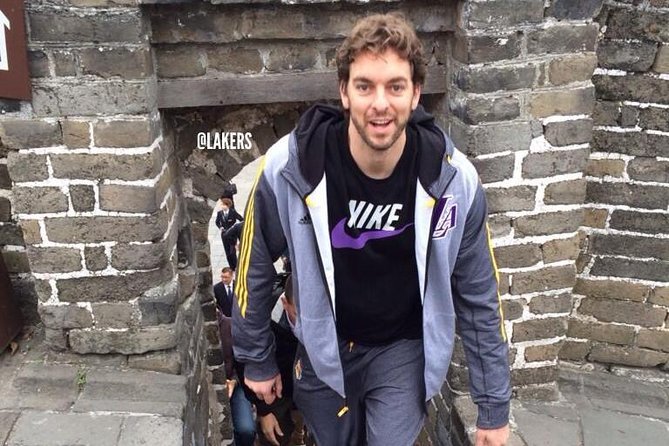
Day 1 starts with Tiananmen Square (free, but potentially not guaranteed). You get a set amount of time to take it in—plus, you’re not forced to rush because there’s no entry fee clogging up the timeline. The one practical wrinkle: Tiananmen Square may close unannounced due to government activities. If it closes, it will be skipped, and since the square is free, there are no refunds tied to that part.
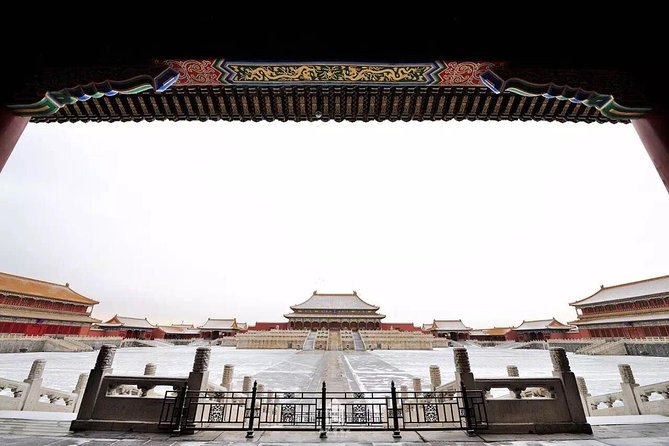
Next comes the Forbidden City (Palace Museum). This is the big one, and you’ll feel it the moment you pass into the complex: it’s not a single building, it’s an entire palace system built around courtyards, halls, and formal movement. The tour gives you enough time to understand the layout without feeling like you’re speed-walking through history.
What I like about this plan is how it breaks the Forbidden City into meaningful stops instead of just “see everything.” You move through key spaces and halls that connect to how the palace functioned:
- Hall of Great Harmony (Taihe Dian): a grand centerpiece that helps you understand imperial ceremony.
- Hall of Union: the residential-side halls where the symbolism of power and the private world of the rulers come through.
- Imperial Garden of the Palace Museum: your Forbidden City walkthrough ends here via the north gate, which sets you up neatly for the next part of the day.
The Peking duck stop: the meal feels like part of the sightseeing
After the Imperial Garden, the tour heads to a local restaurant to savor Peking duck, described as crisp, golden skin paired with the right sides. This is a smart placement. You’ve just spent hours inside one of the most formal spaces on earth; a classic Beijing food moment gives you a sensory reset without killing your schedule.
Then you get a cultural curveball in the best way: Lama Temple (Yonghegong). This Tibetan Buddhist monastery has a layered past tied to Qing-era imperial life. A good guide can help you read the place beyond the architecture—how the religious setting shapes the visitor experience, and how the history connects to the wider city.
If you’re picky about where you spend your time, note the trade-off: the day is dense. The Forbidden City alone can tire you out, and with Lama Temple afterward, you’ll want comfortable shoes and a willingness to keep moving.
Two days or more, the city end to end
- Beijing: Top 6 Highlights All Inclusive 2-Day Private Tour★ 5.0 · 472 reviews
- Beijing Private Tour: 2 Days Forbidden City and Mutianyu Great Wall VIP Tour★ 5.0 · 418 reviews
- Beijing: All Inclusive 3-Day Top Highlights Private Tour★ 5.0 · 259 reviews
- Mini Group: 2-Day Beijing Highlights and Great Wall Tour★ 5.0 · 242 reviews
- 2-Day Beijing Highlights Small-Group Guided Tour★ 4.5 · 120 reviews
Day 1 afternoon add-on: Lama Temple is worth it if you like cultural contrast
Lama Temple is not the “main headline” for most first-timers, but it’s a strong follow-up because it changes the tone of your trip. The tour frames it as a world-renowned monastery with about 300 years of history, and it notes its connection to Emperor Yongzheng before he ascended the throne.
What you can expect during your visit is time to walk the grounds with your guide explaining the setting and the stories behind it. If you tend to enjoy religious architecture, imperial-era transformation, or simply variety after the Forbidden City’s formality, Lama Temple lands well.
Day 2: Great Wall day with the Mutianyu vs. Badaling choice
Day 2 is your Great Wall block, and this tour gives you a choice: Mutianyu (often quieter and greener) or Badaling (the iconic, more famous section). You meet your guide in the hotel lobby and head out by private vehicle.
This is one of the best “value” moments of the whole tour because the plan includes the lift and descent option:
- Cable car round trip, or
- Ski lift up and toboggan down at the Great Wall
That matters even if you’re not an active traveler. It lets you experience the wall views and photo angles without turning the day into a leg-day contest. The Great Wall is long and steep in spots; having a built-in transportation alternative changes the experience from exhausting to enjoyable.
A key consideration: weather and season will affect how you feel on the wall
Nothing in the tour description can control fog, wind, or cold. What I’d plan around is this: the wall section choice (Mutianyu vs. Badaling) can shift the vibe, but you’ll still want warm layers if the forecast runs cool, and you’ll want a hat or sunglasses for sun.
Bird’s Nest and the old-center axis: a day that balances old and new
On the way back to downtown, you stop for lunch and then pause at the Bird’s Nest (Beijing National Stadium). This is a quick, scenic interlude. You’re not meant to spend hours here; it functions as a contrast to the ancient sites you’ve been doing.
After lunch (included), the tour continues to the Bell and Drum Towers. Your guide leads you into the Drum Tower area, including time to climb up and watch a traditional drum performance. The tour notes that admission for this stop is not included, and show tickets are listed as not included overall. So if a separate ticket is required for the drum performance component, you’ll need to budget for it on your own.
Even with that possible extra cost, this stop can be a fun shift. Instead of palace halls and wall steps, you get Beijing’s historical central axis told through the rhythm of the city.
Day 3: Temple of Heaven, Echo Wall, Hongqiao Market, and Summer Palace
Day 3 is built like a greatest-hits tour, but it avoids the worst problem: it doesn’t just dump you at random points. It starts with Temple of Heaven, then walks you into a series of smaller but memorable experiences before landing at Summer Palace, which is the day’s final big “wow.”
Temple of Heaven: the sacred math of Chinese architecture
At Temple of Heaven, you spend time with two iconic landmarks:
- Hall of Prayer for Good Harvests
- The Echo Wall and another Imperial Vault of Heaven related stop area (the plan highlights the acoustical spot)
The tour description includes a neat detail about Hall of Prayer for Good Harvests, including the idea of a nail-free structure. Whether you notice that exact detail on-site or not, having your guide explain the purpose behind the space helps you see it as more than a photo stop.
Echo Wall: a practical hands-on moment
Then comes the Echo Wall, where whispers carry from one end to the other. This is one of those experiences you can’t fully “read” from a caption. If you like interactive elements, this short segment is fun because you can test the effect right there and get instant feedback.
Hongqiao Market: Pearl Market shopping without getting lost
Next is Hongqiao Market, described as the Pearl Market, with time to explore and your guide sharing tips for haggling like a local. Entry is free for this stop in the plan, but you’ll obviously spend your own money if you buy.
This is the part of the day for souvenirs—things that look and feel more personal than museum postcards. If shopping isn’t your thing, you can treat this as a walk-through stop and focus on browsing.
Summer Palace: the day’s finale is built for “slow looking”
You’ll end Day 3 at Summer Palace (Yiheyuan) after a hearty lunch at a local eatery. Summer Palace is an imperial garden complex, and the tour gives you time at the main anchors:
- Hall of Benevolence and Longevity
- Long Corridor
- Qingyan Stone Boat (also called the Marble Boat)
Hall of Benevolence and Longevity
This hall is the centerpiece for receptions and official greetings. In a private format, your guide can explain what you’re seeing in terms of how power worked at court—why certain halls mattered and what ceremonies looked like.
Long Corridor: murals that make the walking part worth it
Then you get the Long Corridor, noted as the world’s longest painted corridor, with beams decorated in murals. If you’ve ever hated “walk through this and look at that” sightseeing, this section can flip the script because the details are part of the experience.
Marble Boat at Kunming Lake
Finally, you visit Qingyan Stone Boat, built as a waterfront structure symbolizing the imperial family’s enduring power, with time to wander past Kunming Lake and surrounding pavilions. Even with a short stop, it’s a satisfying end because it feels like a full mini-world rather than just another building.
Transport and pacing: why the private format feels different
The tour runs on private transfers, with hotel pickup/drop-off for hotels inside the 5th ring road. That’s a big deal for a city like Beijing, where travel time can be long when you’re squeezing in multiple sites.
You’ll likely spend time in the car between stops, especially from downtown to the Great Wall and back. The upside is that your guide can manage the day around you, instead of waiting on other groups or herding people through timed tickets.
This is where the guide quality shows. Examples tied to this tour mention guides taking extra care—Roy helping with steps so someone could stand on the wall, and Susan pacing so no one felt pressured to move on before questions were answered. Those details matter because a private tour can either feel calm or feel rushed. The best guides keep it calm.
What to pack and how to make this day feel like a win
You’re going to cover major sites across three days, including the Forbidden City, a Tibetan Buddhist monastery, a Great Wall section, and a large imperial garden. That means you’ll want:
- Comfortable walking shoes (Forbidden City and Summer Palace add up)
- Weather-ready layers (Great Wall mornings or late-day cold can surprise you)
- A plan for hydration and small snacks if you’re sensitive to meal timing
Also, don’t underestimate the value of asking your guide how long you should spend in each area. The tour is described as flexible based on your preferences, so you can shift time toward architecture, history, culture, or cuisine.
Who should book this tour, and who might want a different plan
This tour is a great match if:
- You’re a first-time Beijing visitor who wants the top UNESCO hits in a logical order
- You want private guidance instead of crowded group logistics
- You care about explanations—how the sites worked historically and what details mean
- You want a classic food stop like Peking duck without adding extra planning
You might think twice if:
- You want lots of free time to wander without a plan
- You dislike long stretches of driving
- You prefer to shop extensively on your own schedule (the Hongqiao Market stop is brief and structured)
Should you book this Beijing private tour?
I’d book it if you want a clean, efficient way to see Beijing’s signature landmarks with less stress. The entrance fees included, three included lunches, and Great Wall lift options make the overall cost feel less like a “tour premium” and more like a bundled service.
The only reason not to book is the pace. This is three days of major sights, not three days of slow roaming. If you know you do well with a structured itinerary and appreciate a guide who can slow down when you ask questions, this plan delivers.
FAQ
What is the price per person?
The tour price is $439.20 per person.
Is the tour private or shared?
It’s a private tour. Your group shares the experience only with your party plus a guide/driver.
Are entrance fees included?
Yes. Entrance fees are included as part of the itinerary.
Are meals included?
Yes. Lunch is included for all three days.
Do I get Peking duck on this tour?
Yes. After the Forbidden City visit, the tour includes a stop at a local restaurant for authentic Peking duck.
Which Great Wall sections can I choose?
You can choose between Badaling or Mutianyu for the Great Wall portion.
What Great Wall transport is included?
The plan includes the cable car round trip or ski lift up and toboggan down at the Great Wall.
What is not included in the price?
Overnight accommodation and show tickets are not included.
What documents do I need to book?
You need a current valid passport. Passport name and number are required at booking.
Can Tiananmen Square be skipped?
Yes. Tiananmen Square may close unannounced due to government activities. If that happens, it will be skipped, and it is noted that there are no refunds because Tiananmen Square is free.
More Tour Reviews in Beijing
- From Beijing: Mutianyu Great Wall Tours with Options
★ 4.9 · 9,216 reviews - Beijing: Forbidden City Tour(Group/Private)-Tickets Included
★ 4.8 · 7,974 reviews - Beijing: T-Square & Forbidden City Group or Private Tour
★ 4.8 · 4,446 reviews - All-Inclusive Tour: Tiananmen Square, Forbidden City, Great Wall
★ 5.0 · 2,873 reviews - MuBus: Mutianyu Great Wall ENG/ESP/RUS Guided Bus Tour
★ 5.0 · 2,361 reviews - 4-Hour Small Group Tour to Forbidden City with Entry Tickets
★ 5.0 · 1,863 reviews
Beijing Over Several Days
- Beijing 2-Day Tours: Great Wall, Forbidden City & Top Highlights
★ 5.0 · 688 reviews - Beijing: Top 6 Highlights All Inclusive 2-Day Private Tour
★ 5.0 · 472 reviews - Beijing Private Tour: 2 Days Forbidden City and Mutianyu Great Wall VIP Tour
★ 5.0 · 418 reviews - Beijing: All Inclusive 3-Day Top Highlights Private Tour
★ 5.0 · 259 reviews - Mini Group: 2-Day Beijing Highlights and Great Wall Tour
★ 5.0 · 242 reviews - 2-Day Beijing Highlights Small-Group Guided Tour
★ 4.5 · 120 reviews
Eat Beijing: More Food Walks
- Beijing Hutong Walking Food and Beer Tour at Hidden Restaurants
★ 5.0 · 1,132 reviews - Temple Heaven, Lama Temple, Summer Palace & Peking Duck Bus Tour
★ 5.0 · 377 reviews - Old Beijing Dinner Tour
★ 5.0 · 348 reviews - Beijing: Hidden Gems Guided Food Tour with Beer and Tastings
★ 4.9 · 306 reviews - Beijing Private Hutong Food Walking Tour
★ 5.0 · 299 reviews - Beijing: Hutong Culinary Walking Tour with 15+ Tastings
★ 5.0 · 162 reviews
Just In: More Beijing Tours to Browse

Peking Duck & Food Tours, compared.
 ★ 5.0Beijing Hutong Walking Food and Beer Tour at Hidden RestaurantsFrom $801,132 reviews
 ★ 5.0Temple Heaven, Lama Temple, Summer Palace & Peking Duck Bus TourFrom $56377 reviews
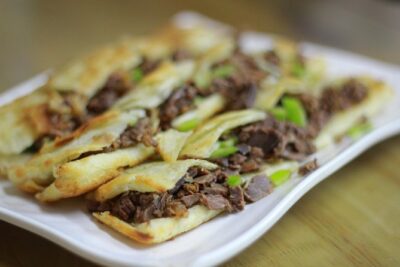 ★ 5.0Old Beijing Dinner TourFrom $75348 reviews
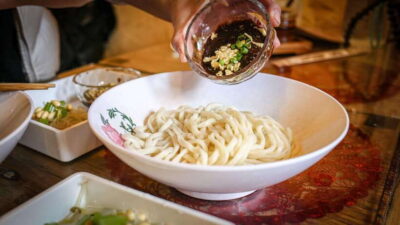 ★ 4.9Hidden Gems Guided Food Tour with Beer and TastingsFrom $75306 reviews
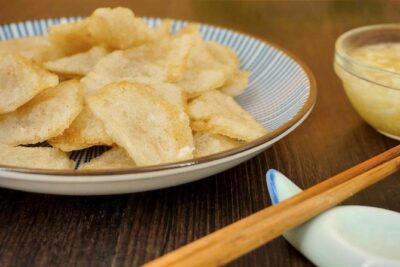 ★ 5.0Beijing Private Hutong Food Walking TourFrom $82299 reviews
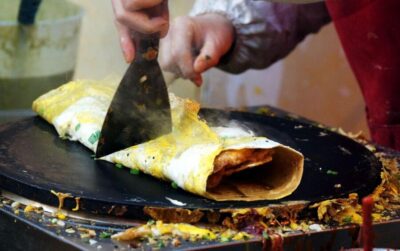 ★ 5.0Hutong Culinary Walking Tour with 15+ TastingsFrom $76162 reviews
 ★ 5.0Beijing Hutong Breakfast Food TourFrom $45155 reviews
★ 5.0Beijing Hutong Breakfast Food TourFrom $55120 reviews
★ 5.0Beijing Hutong Breakfast Food TourFrom $45155 reviews
★ 5.0Beijing Hutong Breakfast Food TourFrom $55120 reviews
Browse the lists this tour appears in