
Reviewed · HUTONG WALKS & RICKSHAW TOURS
Beijing Hutong Walking Tour History, Architecture and Local Life
Hutongs have a heartbeat. In about 3 hours, you’ll walk from Xisi area into older Beijing lanes and courtyards, then see how it all sits next to the modern city. You also get a traditional Beijing drink while your guide translates what you’re seeing into plain, usable context.
What I like most is how the tour turns architecture into something you can read. You’re not just looking at walls—you learn the purpose of doors, courtyards, and the layout of siheyuan homes, which makes the whole neighborhood feel less mysterious.
The second big win: the stop sequence mixes religious sites and old courtyard life, from Xishiku Church to temple grounds and pagoda views. One thing to consider is that it’s a good-weather walk, and several stops are brief, so you’ll get an overview rather than hours in any one place.
In This Review
- Key Highlights Worth Your Time
- Starting at Xisi Subway Station: Easy Meet, Old-to-New Contrast
- What a Hutong Guide Really Changes for You
- Xishiku Church: Early Beijing With a Chinese Twist
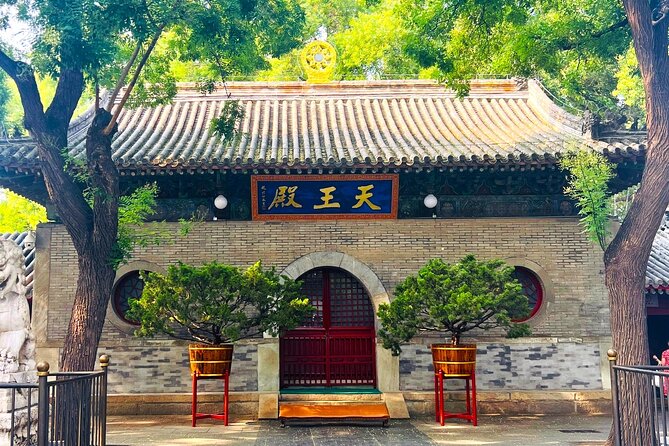
- Guangji Temple: Traditional Temple Architecture and Old Paintings
- Zhengyang Shuju and the Yuan Dynasty Wansong Brick Pagoda
- Zhunta Lane: One of Beijing’s Oldest Hutongs on Foot
- Lidai Diwang Miao: Temple of Successive Emperors (When Open)
- White Stupa Temple (Miaoying/Baita Si): Pagodas From an Angle
- Price and Value: What $49 Buys You in Beijing
- Group Size, Pacing, and Getting the Most From Short Stops
- Should You Book This Hutong Walking Tour?
- FAQ
- How long is the Beijing hutong walking tour?
- What does the tour cost?
- Where does the tour start and where does it end?
- What’s included in the price?
- What’s not included?
- How many people are in the group?
- Do I get a ticket on my phone?
- Is the tour dependent on weather?
- What is the cancellation policy?
- Is the tour accessible for most people and are service animals allowed?
Key Highlights Worth Your Time
- Xisi Subway Station start: easy to find, low-stress opening
- Up-close hutong street time on a very old lane where daily life is the point
- Siheyuan courtyard learning with practical explanations of design and layout
- Temples and pagodas including a Yuan Dynasty brick pagoda reference
- Traditional drink + bottled water included so you don’t scramble mid-walk
- Small group size (max 10) which helps with Q&A and pacing
Down the grey-brick lanes on foot or by pedicab
Starting at Xisi Subway Station: Easy Meet, Old-to-New Contrast
This tour is built for practical city travel. You meet at Xisi Subway Station (Line 2), and the whole route is set up for walking between nearby sights rather than long transfers. That matters in Beijing, where “one neighborhood away” can still mean a time crunch if you’re on your own.
The first payoff comes from the contrast. You start in a west Beijing pocket that feels like everyday city life, then the route frames how older lanes and temple spaces sit alongside newer development. Even without a museum ticket, you’ll start connecting the dots between what the city was built for and how it’s used today.
Also, the pacing is human. At about 3 hours total, you’re getting multiple stops without feeling like you’re speed-running Beijing. Many visits are short, so you’ll want to listen closely and ask questions when your guide slows down.
What a Hutong Guide Really Changes for You
A hutong walk can be either pretty or useful. This one aims for useful.
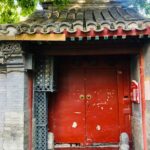
Your guide will point out the “logic” behind traditional Beijing layout—especially around homes and courtyard living. You’ll learn how doors and entry spaces relate to privacy, family structure, and social order. It’s the kind of detail you’d likely miss if you were just taking photos and moving on.
You also get help with everyday travel sense. In addition to architecture talk, guides here often share restaurant and lunch tips and answer questions as you go. That’s more than sightseeing—it’s how you make your Beijing days feel smoother, especially on your first visits.
If you’re a first-timer, this is a smart way to get bearings fast. If you’ve been to Beijing before, the value is in the specifics: how courtyards work, and what different religious sites were designed to communicate.
Xishiku Church: Early Beijing With a Chinese Twist
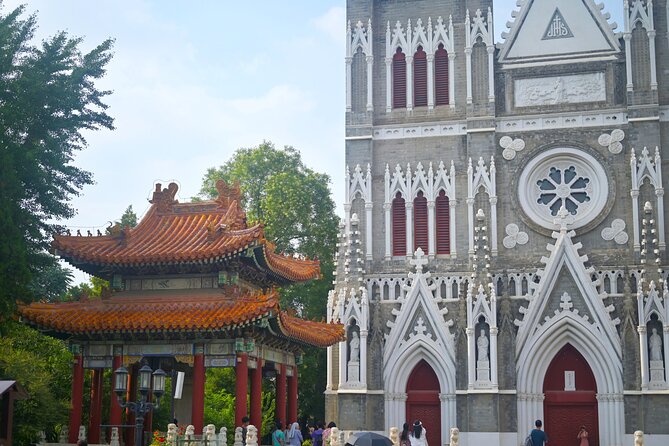
The walk begins at Xishiku Church, described as Beijing’s earliest church with a Chinese touch. This stop is brief—about 10 minutes—but it sets a tone. Beijing isn’t only imperial temples and traditional courtyards. It also has layers of religious and cultural influence that arrived, adapted, and took root.
You’ll hear the story behind why the church exists here and what makes its look different from what you might expect. Even in a short time, the point is to train your eye: notice materials, proportions, and how a foreign-introduced form fits into a Chinese streetscape.
If churches are your thing, you may wish you had longer. If your time is tight, the quick visit works because it keeps the tour momentum and saves your energy for the deeper hutong and courtyard segments.
Guangji Temple: Traditional Temple Architecture and Old Paintings
Next comes Beijing Guangji Temple, where you can see traditional temple architecture and ancient finger paintings. Plan on around 20 minutes here, and you’ll want to treat this as a “learn to look” stop.
Temple architecture in China often acts like a language. You’ll likely notice how buildings are arranged, how ornament supports meaning, and how the site is designed for both ritual and visitors. The mention of ancient finger paintings is a great hook because it connects the art to human touch and practice, not just decoration.
One practical note: this is still part of a walking day. Keep your phone charged and be ready for quick photo moments. If you slow down, you can miss the rest of the route, and you’ll want to see what the guide has lined up after this.
Beijing at street level, more routes on foot
- Beijing Hutong Walking Food and Beer Tour at Hidden Restaurants★ 5.0 · 1,132 reviews
- Private Beijing Walking Tour of the Forbidden City with 7 Options★ 5.0 · 675 reviews
- Forbidden City Private Walking Tour with Optional Sights★ 5.0 · 400 reviews
- Beijing Private Hutong Food Walking Tour★ 5.0 · 299 reviews
- Beijing: Hutong Culinary Walking Tour with 15+ Tastings★ 5.0 · 162 reviews
Zhengyang Shuju and the Yuan Dynasty Wansong Brick Pagoda
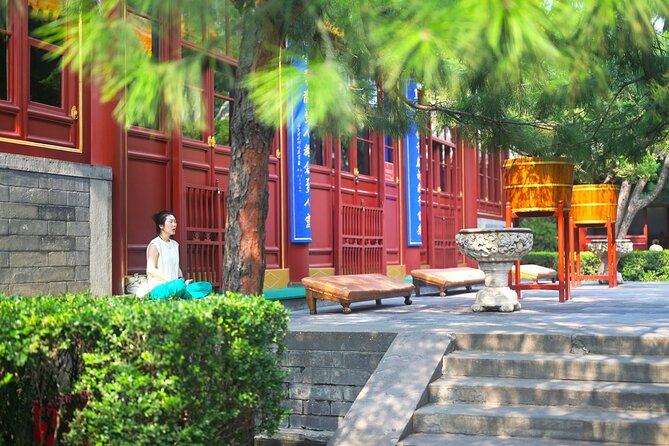
The route then moves to Zhengyang Shuju, where you’ll see the old Wansong Brick Pagoda associated with the Yuan Dynasty. You’ll also explore a collection of old Beijing images in a siheyuan setting.
This is a strong combo stop. The pagoda gives you a clear vertical landmark tied to a specific era, while the images give you a “then” moment—how older Beijing looked and how people lived. Together, those pieces help you stop treating hutongs as a generic “old neighborhood” and start seeing time periods.
The visit is around 20 minutes, and the value is in the guide’s explanations. If you ask about what you’re seeing—materials, dates, what makes a pagoda a pagoda—you’ll likely get more from this segment than you would by simply reading signs.
The short timing is the trade-off. If you love pagodas and want to spend an hour, this won’t be enough by itself. But as part of a hutong-focused day, it gives you a memorable anchor point.
Zhunta Lane: One of Beijing’s Oldest Hutongs on Foot
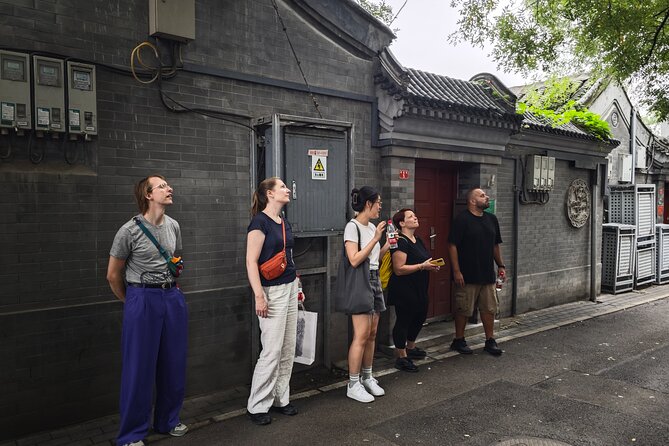
Then you get what hutong lovers come for: Zhunta Lane, described as one of the oldest hutongs. This is where the tour shifts from architecture to daily life.
You’ll walk slowly enough to notice how people use space—where conversations happen, how the lane feels at pedestrian speed, and how buildings “face” the street. The guide’s job here is to help you read the neighborhood like a map rather than a photo background.
This segment is about 15 minutes. That may sound short, but hutongs reward attention. If you constantly stop, you could lose the rhythm of the walk. So let your guide set the pace, and save your own slow wandering for after the tour if you want to return.
If you’re traveling solo, this is also a good emotional reset. You’re not stuck with only indoor sights. You’re moving through the city as it actually is—quiet in places, lived-in in others.
Lidai Diwang Miao: Temple of Successive Emperors (When Open)
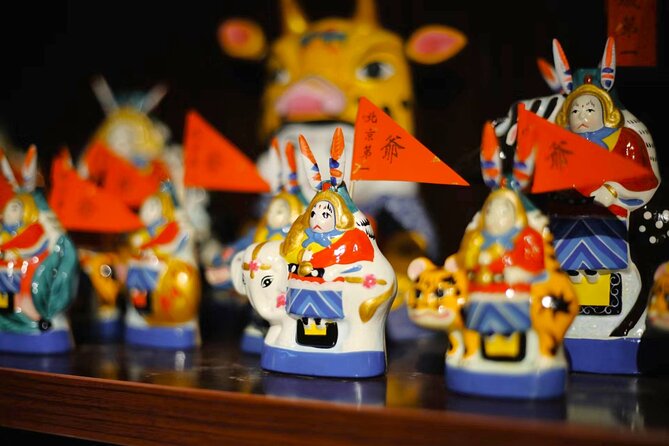
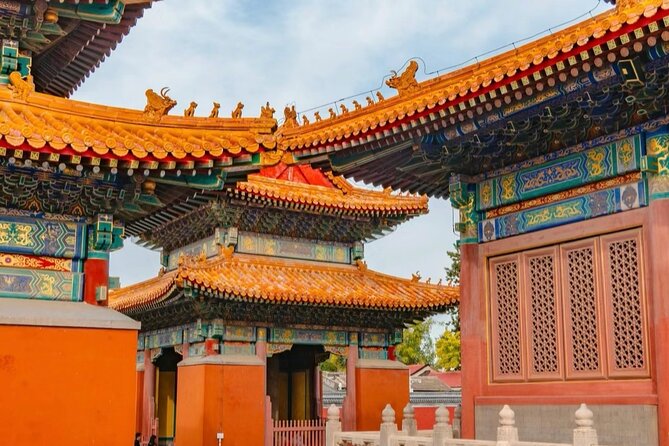
At the Lidai Diwang Miao, also called the Temple of Previous Dynasties / Temple of Successive Emperors, you’ll learn about how Chinese culture honors ancestors. This stop is about 20 minutes, and admission is included when the site is accessible.
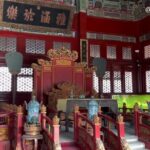
The big idea here is ritual and remembrance. Even if you’re not a long-term student of Chinese religion, the architecture and placement tend to communicate hierarchy and continuity. You’ll see grand palatial structures and hear what ancestor veneration means in this kind of setting.
There’s one built-in reality check: the tour notes it as if open. That’s worth considering if you’re planning around a single day. If it’s closed on your date, you still get the rest of the route, but it won’t have that specific emotional peak.
As you walk through, try to look for patterns—how the site guides you forward and how visitors are directed. The value here is understanding why the place is designed the way it is.
White Stupa Temple (Miaoying/Baita Si): Pagodas From an Angle
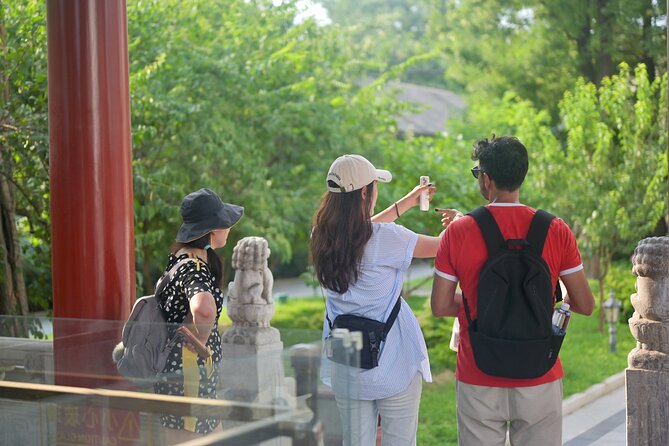
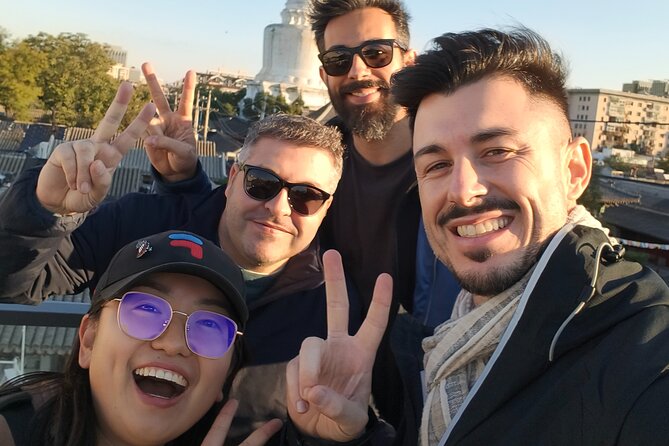
The final featured landmark is the White Stupa Temple, known as Miaoying or Baita Si. Instead of a long, indoor-focused visit, the tour uses a clever viewpoint from a nearby cafe balcony to show the exterior design of the White Stupa.
This is about 15 minutes, and it’s a smart way to wrap up. Pagodas can look confusing when you’re too close, or when you’re only seeing one face. From a distance, you can better compare shapes and learn about different pagoda types, which your guide will connect back to what you saw earlier.
If you love photos, you’ll probably appreciate this structure: you get a stable view and a chance to see proportions rather than only details. And because the focus is exterior, you avoid feeling stuck inside on a short schedule.
It also helps pacing. Ending with a scenic viewpoint gives you the chance to process what the day taught you—how older Beijing spaces were built to draw the eye upward, organize communities, and shape belief.
Price and Value: What $49 Buys You in Beijing
At $49 per person, this is positioned as an efficient introduction to hutong Beijing with real stops, not just a walk and a few talking points. The biggest value is in the mix: churches, temples, a siheyuan photo setting, a hutong lane, and pagoda context—within a small group of up to 10.
Also, the tour includes bottled water and a complimentary traditional Beijing drink, plus all fees and taxes. Most stops are free-admission, and one major temple has included admission when open. In practical money terms, you’re paying for guidance and time, not a pile of ticket hassles.
A fair caution: you’re paying for a guided overview. This is not a half-day to worship deeply or study one site. If you want serious time in any single temple or inside multiple courtyards, you may need to add a follow-up visit on another day.
Still, for people who want smart structure—especially on a first trip—this price looks reasonable. It’s the kind of tour you take to learn the “how to look” skills, then use those skills when you explore on your own later.
Group Size, Pacing, and Getting the Most From Short Stops
Because the group is capped at 10 people, you’re more likely to get direct answers instead of “group speed answers.” That matters for a theme like hutongs, where doorways, entryways, and courtyards can be hard to interpret without someone pointing them out.
The tour is also about travel time between stops. That’s a good detail because it sets expectations: a few locations are short, and the walking links them together. If you’re the kind of person who hates rushing, you’ll want to go in mentally prepared to soak up each stop in a focused way.
This is also a great tour style if you prefer practical guidance. You’ll get recommendations for where to eat and how to travel after the walk, which can save you time and avoid bad luck with touristy meal choices.
One last tip from a common-sense point of view: wear shoes you can trust. The hutong route is still city streets plus lanes. You’ll be glad you didn’t gamble with slick soles.
Should You Book This Hutong Walking Tour?
Book it if you want a structured hutong introduction with multiple cultural stops and a guide who explains what you’re seeing in everyday terms. It’s especially good for first-time Beijing visits, when you need context more than another photo spot.
Skip it (or treat it as a sampler) if you know you want long, unhurried time in one temple or courtyard. The day is designed to move, and some stops are deliberately brief. You’ll leave with clarity, not with “I studied every doorway” depth.
If your priority is local architecture, temple design, and a real-feeling walk through an old lane, this tour checks the boxes. It’s also a solid value because it includes water, a traditional drink, and guidance through several key places without extra ticket juggling.
FAQ
How long is the Beijing hutong walking tour?
The tour lasts about 3 hours, and that total duration includes travel time between each location.
What does the tour cost?
The price is $49.00 per person.
Where does the tour start and where does it end?
It starts at Xisi Subway Station (meeting point includes 西四 / Xicheng area). It ends at 阜成门站 C东南口 (Line 2), in the Financial Street area.
What’s included in the price?
Included: all fees and taxes, bottled water, and a complimentary traditional Beijing drink. Admission is free for several stops, and one temple stop has included admission when open.
What’s not included?
Private transportation is not included.
How many people are in the group?
The tour has a maximum of 10 travelers.
Do I get a ticket on my phone?
Yes, the tour uses a mobile ticket.
Is the tour dependent on weather?
Yes. The experience requires good weather. If it’s canceled due to poor weather, you’ll be offered a different date or a full refund.
What is the cancellation policy?
You can cancel for a full refund up to 24 hours in advance. If you cancel less than 24 hours before the start time, the amount paid will not be refunded.
Is the tour accessible for most people and are service animals allowed?
Most travelers can participate, and service animals are allowed. The meeting points are near public transportation.
More Beijing Outings
- From Beijing: Mutianyu Great Wall Tours with Options
★ 4.9 · 9,216 reviews - Beijing: Forbidden City Tour(Group/Private)-Tickets Included
★ 4.8 · 7,974 reviews - Beijing: T-Square & Forbidden City Group or Private Tour
★ 4.8 · 4,446 reviews - All-Inclusive Tour: Tiananmen Square, Forbidden City, Great Wall
★ 5.0 · 2,873 reviews - MuBus: Mutianyu Great Wall ENG/ESP/RUS Guided Bus Tour
★ 5.0 · 2,361 reviews - 4-Hour Small Group Tour to Forbidden City with Entry Tickets
★ 5.0 · 1,863 reviews
More Tour Reviews in Beijing
- From Beijing: Mutianyu Great Wall Tours with Options
★ 4.9 · 9,216 reviews - Beijing: Forbidden City Tour(Group/Private)-Tickets Included
★ 4.8 · 7,974 reviews - Beijing: T-Square & Forbidden City Group or Private Tour
★ 4.8 · 4,446 reviews - All-Inclusive Tour: Tiananmen Square, Forbidden City, Great Wall
★ 5.0 · 2,873 reviews - MuBus: Mutianyu Great Wall ENG/ESP/RUS Guided Bus Tour
★ 5.0 · 2,361 reviews - 4-Hour Small Group Tour to Forbidden City with Entry Tickets
★ 5.0 · 1,863 reviews
Deeper Into the Hutongs
- Beijing Hutong Walking Food and Beer Tour at Hidden Restaurants
★ 5.0 · 1,132 reviews - Temple Heaven, Summer Palace, Lama Temple, Hutong Bus Tour
★ 4.7 · 319 reviews - Temple of Heaven, Summer Palace, Lama Temple, Hutong Tours
★ 5.0 · 311 reviews - Beijing Private Hutong Food Walking Tour
★ 5.0 · 299 reviews - The Hutong Experience by Bike
★ 5.0 · 163 reviews - Beijing: Hutong Culinary Walking Tour with 15+ Tastings
★ 5.0 · 162 reviews
Just In: More Beijing Tours to Browse



Hutong Walks & Rickshaw Tours, compared.
 ★ 5.0Beijing Hutong Walking Food and Beer Tour at Hidden RestaurantsFrom $801,132 reviews
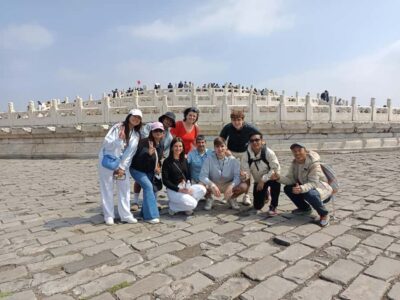 ★ 4.7Temple Heaven, Summer Palace, Lama Temple, Hutong Bus TourFrom $58319 reviews
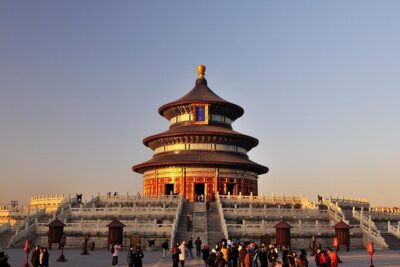 ★ 5.0Temple of Heaven, Summer Palace, Lama Temple, Hutong ToursFrom $99311 reviews
 ★ 5.0Beijing Private Hutong Food Walking TourFrom $82299 reviews
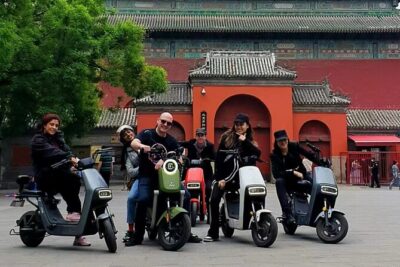 ★ 5.0The Hutong Experience by BikeFrom $150163 reviews
 ★ 5.0Hutong Culinary Walking Tour with 15+ TastingsFrom $76162 reviews
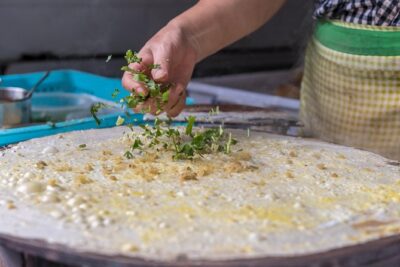 ★ 5.0Beijing Hutong Breakfast Food TourFrom $45155 reviews
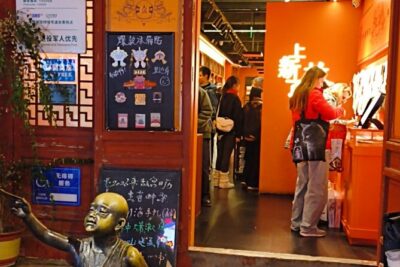 ★ 5.0Beijing City Walk: Explore Hutongs Life and Old BeijingFrom $15146 reviews
Browse the lists this tour appears in