
Reviewed · HUTONG WALKS & RICKSHAW TOURS
Beijing: Hutongs & Drum Tower City Walking Tour
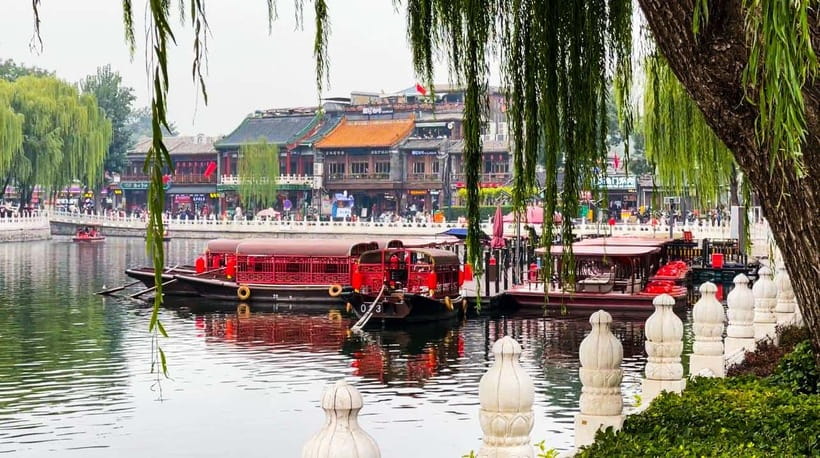
Hop on a hooded rickshaw. In this Hutongs & Drum Tower City Walking Tour, I like that the route threads Houhai and Qianhai waters and then slips into lanes that feel 300 to 700 years old, guided with steady care by people like Alice. I also love the optional courtyard home visit, where you can say ni hao, chat with a local family, and see everyday spaces such as the kitchen and living room. One watch-out: entrance tickets are not included, so you may need a little extra spending money depending on what you’re able to see.
Expect a focused 3 to 4 hour loop of old Beijing life, starting at Shichahai subway station Line 8 Exit A2. The classic transport here is the rickshaw ride: a hooded tricycle that’s treated like the old-school taxi for nobles and wealthy business owners, and yes, it’s the kind of experience President Nixon and his wife reportedly enjoyed back in 1972. If you’re serious about snacks, plan to carry some cash—Chinese cash helps you pay quickly at local snack stores and shops.
In This Review
- Key Points You’ll Actually Care About
- Hutongs in Motion: What Makes This Walk Feel Real
- A small consideration before you go
- Start at Shichahai: Getting Oriented Fast, Without the Stress
- Houhai and Qianhai Lakes: The Best Place to Learn the City’s Mood
- Yandai Byway (Ancient Commercial Street): Snacks, Souvenirs, and Real Local Rhythm
- Taoism Temple by Jing-hang Canal and Wanning Bridge: A Calm Detour with Context
- Rickshaw Through the Hutongs: The Hooded Tricycle Experience That Changes Everything
- How the ride is handled
- Optional Courtyard Home Visit: The Part That Makes It Feel Personal
- Drum Tower Square and the 600-Year-Old Drum Tower Climb
- Price and Value: Is $69 a Smart Use of Time?
- Who This Tour Suits Best (and Who Might Want Something Else)
- Should You Book This Hutongs & Drum Tower Tour?
- FAQ
- How long is the Beijing Hutongs & Drum Tower City Walking Tour?
- Where do I meet the tour guide?
- Is the tour guide English-speaking?
- What’s included in the price?
- Are entrance tickets included?
- Do I need Chinese cash?
- What do I need to bring?
- Can I get a refund if I cancel?
Key Points You’ll Actually Care About

- Hutong alleys beside the water: Houhai and Qianhai set the tone for an unhurried old-city stroll.
- The hooded rickshaw vibe: a throwback ride (typically about 30 minutes per two people) through tight lanes.
- Taoism stop by Jing-hang Canal and Wanning Bridge: a calmer cultural detour with context for modern beliefs.
- Yandai Byway snack time: an ancient commercial street feel, with free time to taste and browse.
- Drum Tower + the square between Drum and Bell Towers: big-city history at street level, then a climb for views.
Down the grey-brick lanes on foot or by pedicab
Hutongs in Motion: What Makes This Walk Feel Real
Beijing’s hutongs are not a theme park. They’re working neighborhoods built from narrow lanes and courtyard compounds. That’s why this tour works so well: it doesn’t just point at old walls. It sends you down the lanes, then times the walking around the city’s old-water rhythm.
I especially like the way the tour uses contrast. You start near the lakes—Houhai and Qianhai—where the air feels open and the pace can slow down. Then you step into hutongs, where movement compresses. You feel why these lanes were practical: they connect daily life across courtyards, markets, temples, and family homes.
The guides listed for this experience (names you may get include Alice, Amber, Lisa, Jenny, Tony, Susan, Linda, Johnny, and Kolar Lee) are repeatedly praised for two things that matter on a short tour: clear English and attention to how you’re doing. That combo makes the history feel less like a lecture and more like a street conversation.
A small consideration before you go
Old lanes can be crowded and a bit uneven. The experience is designed as a walking tour with optional add-ons, so if you want total control over your own pace, go in with realistic expectations: you’ll follow the guide’s rhythm for the full 3 to 4 hours.
Start at Shichahai: Getting Oriented Fast, Without the Stress
Your day starts near Shichahai subway station (Line 8, Exit A2). That matters because it keeps the logistics simple. You’re not hunting for a meeting point deep inside a maze of exits. You show up, meet your guide, and the walking route begins naturally around the old-city area.
From that starting point, you’re set up for an easy win: you can get your bearings quickly, even if this is your first time in Beijing. The lakes give you a visual reference, so later, when hutongs branch away, you still remember where you are in relation to the water.
Practical tip: wear shoes you don’t mind getting a little dusty. Hutongs are close quarters, and the walk isn’t staged with the clean sidewalks you’d expect in newer commercial zones.
Houhai and Qianhai Lakes: The Best Place to Learn the City’s Mood
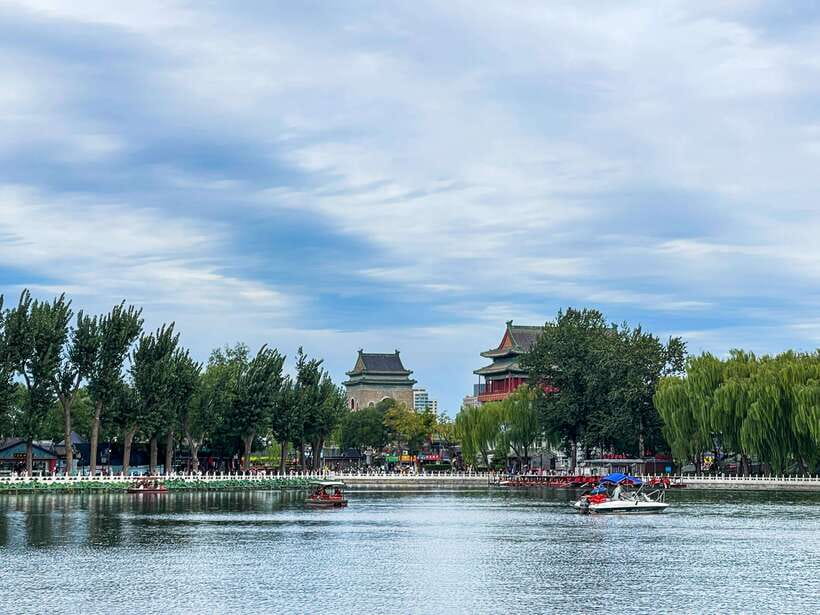
Houhai and Qianhai are not just pretty water. They’re where Beijing feels lived-in. During the stroll, you get a sense of how locals use the space—moving between calm views and quick snack stops—so the whole day feels less like sightseeing and more like a normal afternoon in the old city.
I like that the water stops also act like mental rest breaks. After you’ve spent time inside narrow lanes, you need the open air again. This tour builds those pauses in naturally.
Also, these lakes help make the hutongs understandable. Courtyard compounds weren’t random. They formed around the practical needs of transportation, social life, and access to key areas. When you see the water first, the later alley story has more meaning.
Beijing at street level, more routes on foot
- Beijing Hutong Walking Food and Beer Tour at Hidden Restaurants★ 5.0 · 1,132 reviews
- Private Beijing Walking Tour of the Forbidden City with 7 Options★ 5.0 · 675 reviews
- Forbidden City Private Walking Tour with Optional Sights★ 5.0 · 400 reviews
- Beijing Private Hutong Food Walking Tour★ 5.0 · 299 reviews
- Beijing: Hutong Culinary Walking Tour with 15+ Tastings★ 5.0 · 162 reviews
Yandai Byway (Ancient Commercial Street): Snacks, Souvenirs, and Real Local Rhythm
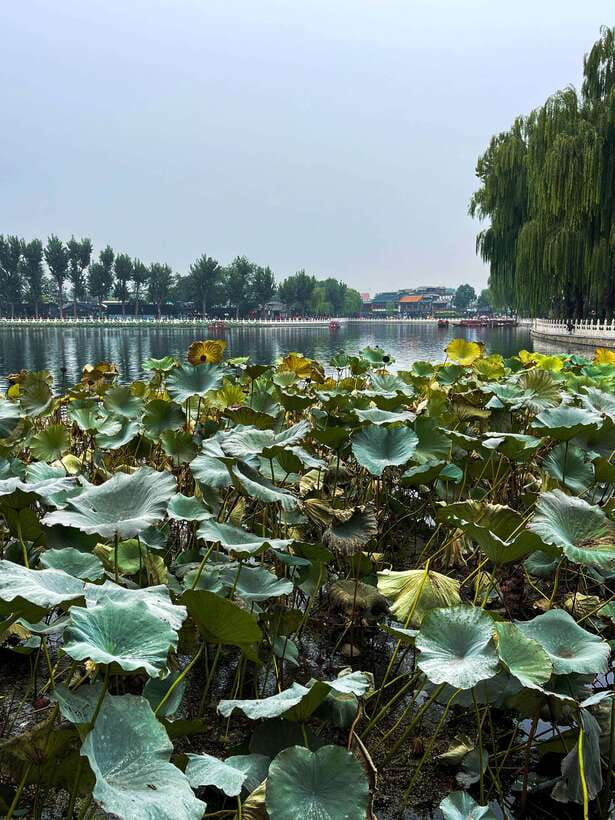
After the water, the tour heads to Yandai Byway, an old commercial street. This is where you’ll feel Beijing’s “old meets daily” energy. It’s not a silent museum corridor. Expect small storefronts, snack aromas, and the kind of browsing that makes time pass fast.
You’ll usually get some free time here, which I think is a smart design choice. It lets you aim for what you want: something hot from a local snack store, a light bite you can share, or a souvenir that actually looks like it belongs in Beijing.
One practical note: the tour data specifically flags that you should bring Chinese cash if you plan to buy food. If you rely only on cards, you might feel slowed down at the moment of decision.
If you’re picky about food, this part of the experience can still work well. Guides in the feedback you provided often helped people find options they could eat—so don’t be shy about asking what something contains or what it’s like before you order.
Taoism Temple by Jing-hang Canal and Wanning Bridge: A Calm Detour with Context
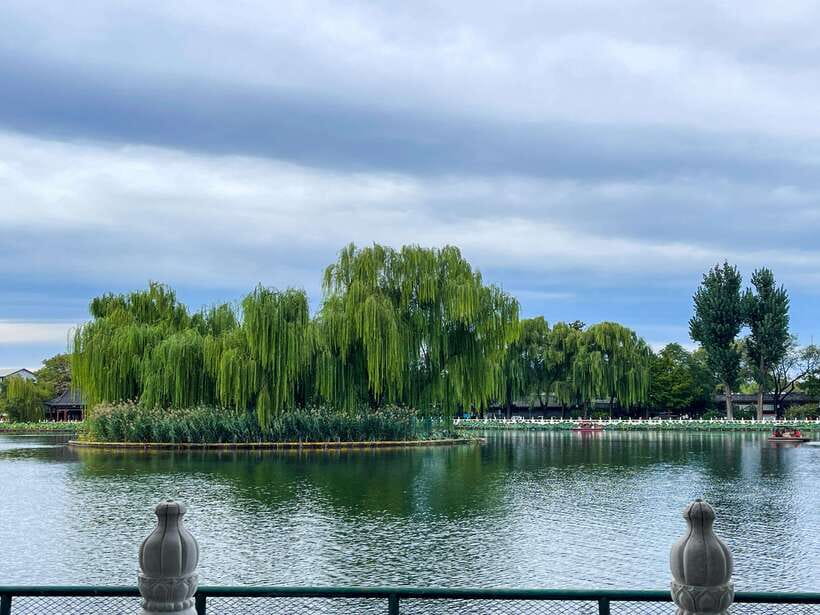
A standout stop is a Taoism temple located beside the Jing-hang Canal and near Wanning Bridge, which is traced to the Mongolian dynasty. This is a quieter break from the hustle of streets and food shops, and it gives the tour a deeper cultural angle.
What I like about this part is that it isn’t treated like trivia. Your guide is set up to explain what people believe now, and how that connects to stories of gods and local religious life. It’s one thing to see a temple. It’s another thing to understand why it still shows up in the daily worldview of young Chinese people today.
The canal area also helps you reset. You’ve been walking in lanes. Now you’re on a more open stretch with a different rhythm, which makes the next hutong section feel smoother.
Tip: if you’re photographing, be respectful. Temple visits tend to involve quiet rules, and guides can tell you how to behave on the spot.
Rickshaw Through the Hutongs: The Hooded Tricycle Experience That Changes Everything
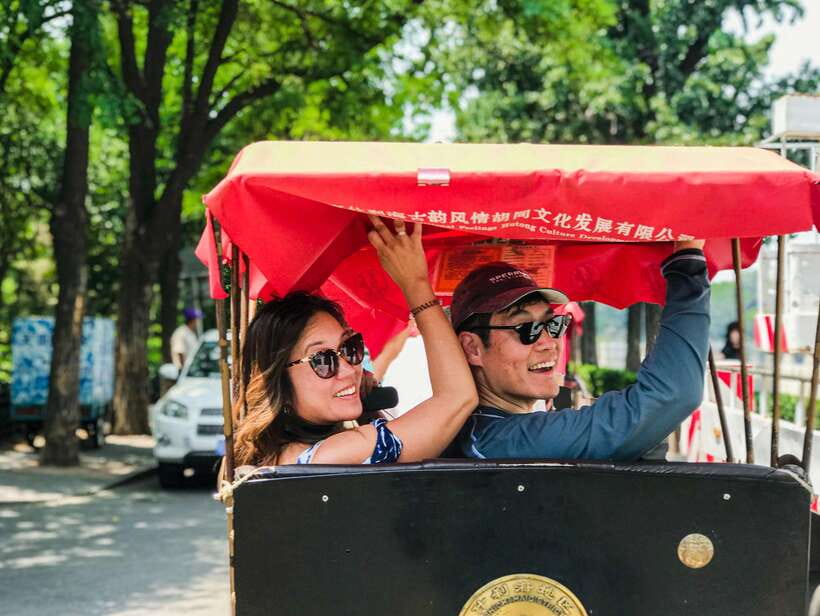
The heart of this tour is the way you travel through the old lanes. Instead of “look, now walk,” you get the classic rickshaw ride—the hooded tricycle that acted like an ancient taxi for nobles and wealthy business people.
And yes, the tour includes the story of why this matters internationally: when President Nixon visited China in 1972 with his wife, they reportedly enjoyed this kind of roaming through the alleyways by the waters. Even if you don’t care about big names, the point is that this ride has long been seen as a distinct Beijing way to move through the city.
How the ride is handled
The rickshaw segment is typically about 30 minutes, and it’s described as two people per rickshaw. That limitation keeps it intimate and also means you’ll likely spend a fair chunk of the day on foot. Think of it as a transport-and-story window, not a full replacement for walking.
The hood matters too. It shapes the sound and light as you pass through tight passages, so the hutong feels enclosed and “time-warped” without being uncomfortable.
Optional Courtyard Home Visit: The Part That Makes It Feel Personal
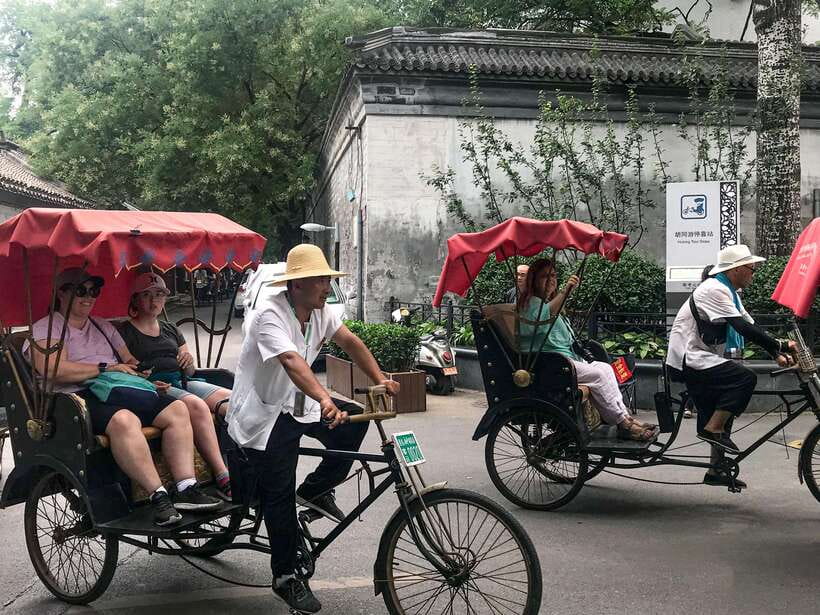
This is the stop that most often earns the strongest emotional reaction, because it turns a street tour into a human meeting.
If you select the option, you visit a local family and say ni hao. You get a chance at free chatting, and you can also see the traditional layout of a courtyard house—including spaces like the kitchen and living room. In other words, you don’t just admire architecture. You learn how a real household organized daily life.
I find this essential for two reasons:
- Hutongs stop being “old buildings” and become homes with routines.
- Courtyards make more sense when you see their layout and how rooms relate to each other.
There’s also an important reality check. Courtyard homes are not staged for tourists. So be ready to act like a visitor in someone’s space: polite, quiet when needed, and respectful of boundaries.
A practical tip: bring your passport. The tour data explicitly says to bring it, which suggests you’ll need it for the home visit or related check-in.
Drum Tower Square and the 600-Year-Old Drum Tower Climb
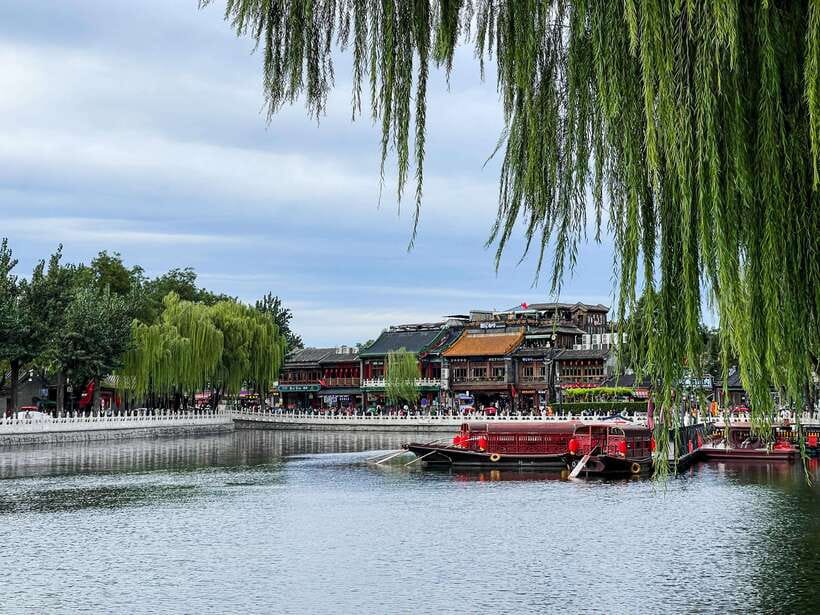
As the tour moves toward the square between the Drum and Bell Towers, the tone shifts again. This is where Beijing’s old timekeeping and power structures show up in public space.
Your guide walks you through the stories of Beijingers from older dynasties to more modern times. That makes the next part more than a photo stop.
Then comes the Drum Tower, described as a 600-year-old structure. You’ll climb it, and from the top you get that classic Beijing payoff: a sense of how the city spreads and how the neighborhoods connect. After the climb, you try local snacks or food around the area.
If you want views and context in the same package, this is the part you don’t skip.
Price and Value: Is $69 a Smart Use of Time?
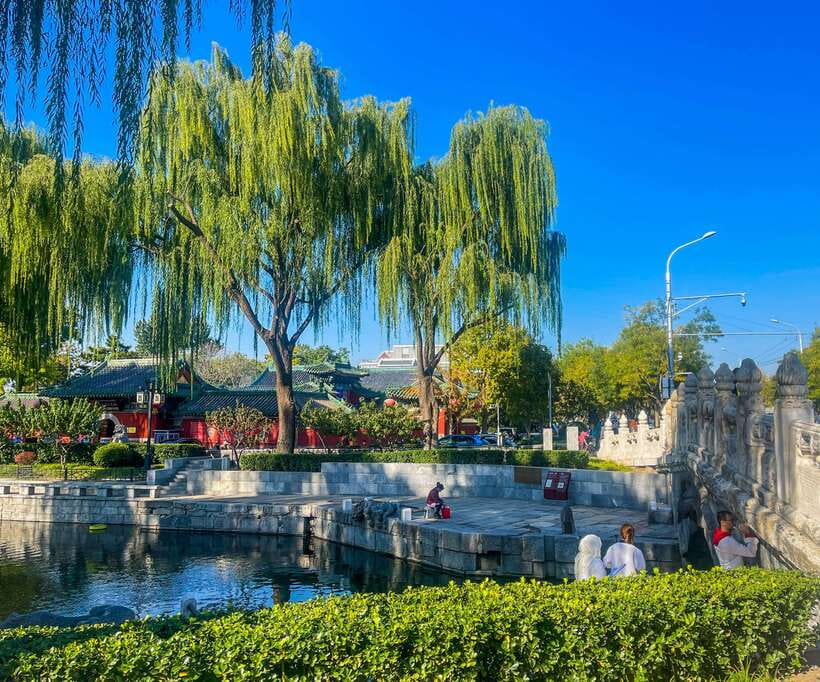
At $69 per person for 3 to 4 hours, the value comes down to how you like to travel.
This price is not just for walking. You’re also paying for:
- an English-speaking guide
- the rift between lanes and water created by route planning
- a rickshaw ride
- and, if you pick the option, a courtyard home visit
That combination is why I think the tour can be good value if you want an efficient snapshot of old Beijing. If you only want to wander hutongs on your own with zero structure, you’d spend less money. But you also lose the key ingredients: cultural interpretation, access to home interiors, and a route that hits major “anchor” places like the lakes, Yandai Byway, and Drum Tower.
One thing to factor in: entrance tickets aren’t included. So if you end up paying for any paid segments, your final spend can creep upward. It’s still likely reasonable, but it’s worth planning for.
Who This Tour Suits Best (and Who Might Want Something Else)
This experience is a strong fit if:
- you want old Beijing without spending a full day getting lost
- you enjoy local food stops and snack streets
- you like culture that connects to everyday life (not just monuments)
- you’re comfortable with a moderate amount of walking
It’s also a good choice if you’re traveling with family or on a short layover. The reviews you provided include examples of people using a Monday layover day to do this tour instead of catching closed major sights.
If you hate being in a group at all, or if you need long, unscheduled breaks, then a structured 3 to 4 hour plan might feel limiting.
Should You Book This Hutongs & Drum Tower Tour?
I’d book it if you want the hutongs to feel like a living neighborhood and not a cardboard set. The mix of Houhai and Qianhai, Yandai Byway snack time, the Taoism temple stop, and the Drum Tower climb makes for a well-rounded old-city loop.
Add the home visit option if you can. That’s the part that turns the day from sightseeing into a genuine encounter.
Just go in with two prep points: bring your passport, and carry some cash for snacks and small purchases. Also keep a little extra budget in mind because entrance tickets aren’t included.
If that sounds like your style, you’ll likely leave with more than photos. You’ll have a clearer mental map of how old Beijing neighborhoods connect—water, lanes, faith, food, and the city’s timekeeping story.
FAQ
How long is the Beijing Hutongs & Drum Tower City Walking Tour?
It lasts about 3 to 4 hours.
Where do I meet the tour guide?
The tour guide meets all tourists from Exit A2 of Shichahai subway station of Line 8. The meeting point may vary depending on the option booked.
Is the tour guide English-speaking?
Yes. The tour includes an English-speaking live guide.
What’s included in the price?
The included items are an English-speaking tour guide, and a rickshaw ride. A home visit is included if you select that option.
Are entrance tickets included?
No. Entrance tickets are not included.
Do I need Chinese cash?
If you want to buy food from local stores, the tour data says to bring Chinese cash.
What do I need to bring?
You should bring your passport.
Can I get a refund if I cancel?
You can cancel up to 24 hours in advance for a full refund.
More Beijing Outings
- From Beijing: Mutianyu Great Wall Tours with Options
★ 4.9 · 9,216 reviews - Beijing: Forbidden City Tour(Group/Private)-Tickets Included
★ 4.8 · 7,974 reviews - Beijing: T-Square & Forbidden City Group or Private Tour
★ 4.8 · 4,446 reviews - All-Inclusive Tour: Tiananmen Square, Forbidden City, Great Wall
★ 5.0 · 2,873 reviews - MuBus: Mutianyu Great Wall ENG/ESP/RUS Guided Bus Tour
★ 5.0 · 2,361 reviews - 4-Hour Small Group Tour to Forbidden City with Entry Tickets
★ 5.0 · 1,863 reviews
More Tour Reviews in Beijing
- From Beijing: Mutianyu Great Wall Tours with Options
★ 4.9 · 9,216 reviews - Beijing: Forbidden City Tour(Group/Private)-Tickets Included
★ 4.8 · 7,974 reviews - Beijing: T-Square & Forbidden City Group or Private Tour
★ 4.8 · 4,446 reviews - All-Inclusive Tour: Tiananmen Square, Forbidden City, Great Wall
★ 5.0 · 2,873 reviews - MuBus: Mutianyu Great Wall ENG/ESP/RUS Guided Bus Tour
★ 5.0 · 2,361 reviews - 4-Hour Small Group Tour to Forbidden City with Entry Tickets
★ 5.0 · 1,863 reviews
Deeper Into the Hutongs
- Beijing Hutong Walking Food and Beer Tour at Hidden Restaurants
★ 5.0 · 1,132 reviews - Temple Heaven, Summer Palace, Lama Temple, Hutong Bus Tour
★ 4.7 · 319 reviews - Temple of Heaven, Summer Palace, Lama Temple, Hutong Tours
★ 5.0 · 311 reviews - Beijing Private Hutong Food Walking Tour
★ 5.0 · 299 reviews - The Hutong Experience by Bike
★ 5.0 · 163 reviews - Beijing: Hutong Culinary Walking Tour with 15+ Tastings
★ 5.0 · 162 reviews
Just In: More Beijing Tours to Browse




Hutong Walks & Rickshaw Tours, compared.
 ★ 5.0Beijing Hutong Walking Food and Beer Tour at Hidden RestaurantsFrom $801,132 reviews
 ★ 4.7Temple Heaven, Summer Palace, Lama Temple, Hutong Bus TourFrom $58319 reviews
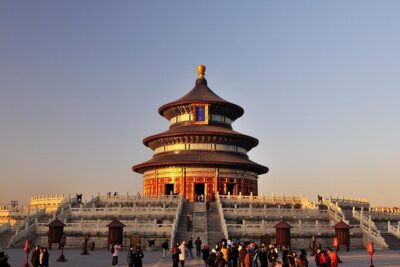 ★ 5.0Temple of Heaven, Summer Palace, Lama Temple, Hutong ToursFrom $99311 reviews
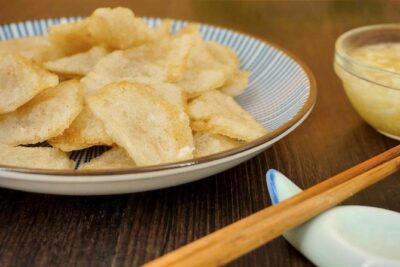 ★ 5.0Beijing Private Hutong Food Walking TourFrom $82299 reviews
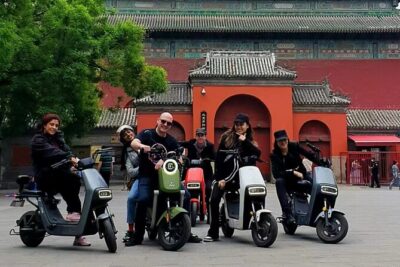 ★ 5.0The Hutong Experience by BikeFrom $150163 reviews
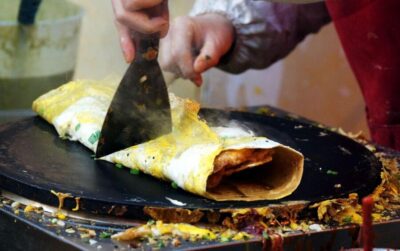 ★ 5.0Hutong Culinary Walking Tour with 15+ TastingsFrom $76162 reviews
 ★ 5.0Beijing Hutong Breakfast Food TourFrom $45155 reviews
 ★ 5.0Beijing City Walk: Explore Hutongs Life and Old BeijingFrom $15146 reviews
Browse the lists this tour appears in