
Reviewed · HUTONG WALKS & RICKSHAW TOURS
Beijing: Hutongs & Food & Culture Walking Tour
Hutong alleys turn Beijing into something you can taste. I love how this tour threads together siheyuan courtyard life with real street-level culture, and I especially like the food timing that makes snacks like jianbing feel woven into the walk, not tacked on. You’re also set up to understand what you’re seeing, from courtyard doors and tiled roofs to the everyday rhythm of the lanes.
One thing to consider is the practical side: it can be a 3 to 6 hour walking experience, and you can’t bring luggage or large bags. Plan to travel light, and remember that admission needs to be booked in advance online, which means sending your passport info ASAP.
In This Review
- Key things that make this tour worth your time
- Hutongs: the Beijing you can read with your eyes
- Choose your start: Drum Tower, Capital Museum, or Shichahai
- Beijing Capital Museum: museum time that makes hutong life make sense
- Nanluoguxiang and Shichahai: two hutong moods in one route
- Food along the way: jianbing, tanghulu, douzhi, and more
- Teahouse stop and the tea ceremony: jasmine or oolong, explained
- Paper cutting, calligraphy, and a chance at Peking Opera
- Rickshaw ride and home visit: what changes in the optional add-on
- Price and value: how $2.86 can be a smart deal, or a warning flag
- Practicalities: what to bring, what’s restricted, and how to avoid headaches
- Who this tour suits best (and who should skip it)
- Should you book? My quick decision guide
- FAQ
- How long is the Beijing Hutongs, Food & Culture walking tour?
- Where can I start the tour?
- What is included in the tour price?
- Is food included?
- Will I be able to take photos?
- Do I need to book admission in advance?
- What identification do I need?
- Is the tour wheelchair accessible?
- What restrictions should I know about before going?
- Is there a private group option and multiple languages?
Key things that make this tour worth your time
- Courtyard focus (siheyuan): You get to recognize traditional residential details as you pass through hutong areas.
- A built-in classics route: Nanluoguxiang and Shichahai are included, so you get both lively charm and lakeside calm.
- Street food with purpose: Snacks like jianbing guozi, tanghulu, and douzhi connect the walking route to daily life.
- Teahouse + tea ceremony: A tea master guides you through jasmine tea or oolong while sharing tea culture stories.
- Hands-on culture stops: You may encounter paper cutting or calligraphy workshops, depending on timing.
- Optional rickshaw + home visit: Some starting options and packages include a rickshaw ride and a home visit for a closer look.
Down the grey-brick lanes on foot or by pedicab
Hutongs: the Beijing you can read with your eyes
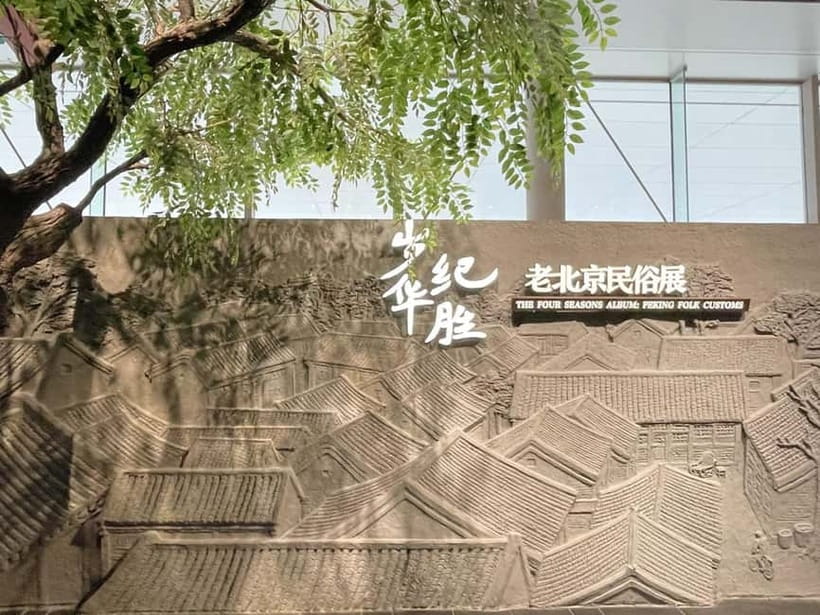
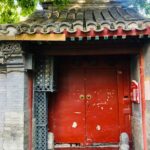
If you only visit Beijing’s big landmarks, it’s easy to miss how people actually lived. Hutongs are narrow, winding lanes, and that shape matters. Walking them forces you to slow down. You notice gray tiled roofs, red wooden doorways, and brass door knockers—small details that tell you this was built for community life, not just scenery.
This tour also does something smart: it ties those visual clues to how daily routines play out. That’s why the food stops feel like they belong. When you’re walking lane by lane and then you taste something like jianbing guozi—crispy fried crepe with eggs, scallions, savory sauce, and a crunchy wrapper—it clicks as breakfast culture, not just a random snack.
The pacing is designed for culture learners too. You’re not just passing by. You’re getting a guided explanation of what you’re seeing, including traditional courtyard living (siheyuan) and the kind of neighborhood interaction that made the hutongs work.
Choose your start: Drum Tower, Capital Museum, or Shichahai
Your morning (or afternoon) starts based on the option you book. There are three starting location options: 鼓楼 (Drum Tower), 首都博物馆 (Beijing Capital Museum), and Shichahai.
Why this matters: it changes the mood. Starting near Shichahai can feel calmer because you’re oriented toward the lake area sooner. Starting at Drum Tower puts you closer to a more classic old-city vibe right away. And starting at the museum is a strong choice if you want a framework first—then the hutongs feel easier to place in context.
Also note that the meeting point may vary by option. So double-check your exact pickup spot after booking, especially if you’re arriving by subway.
Beijing Capital Museum: museum time that makes hutong life make sense
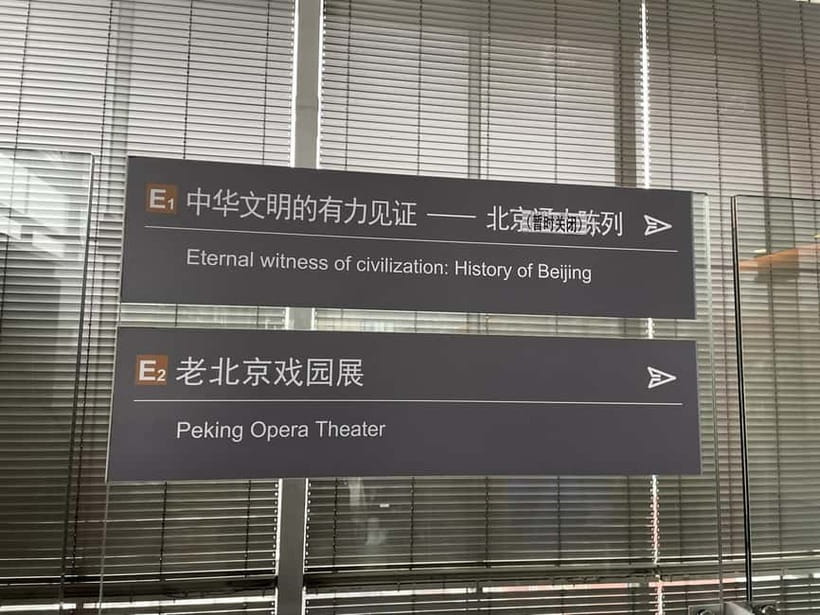
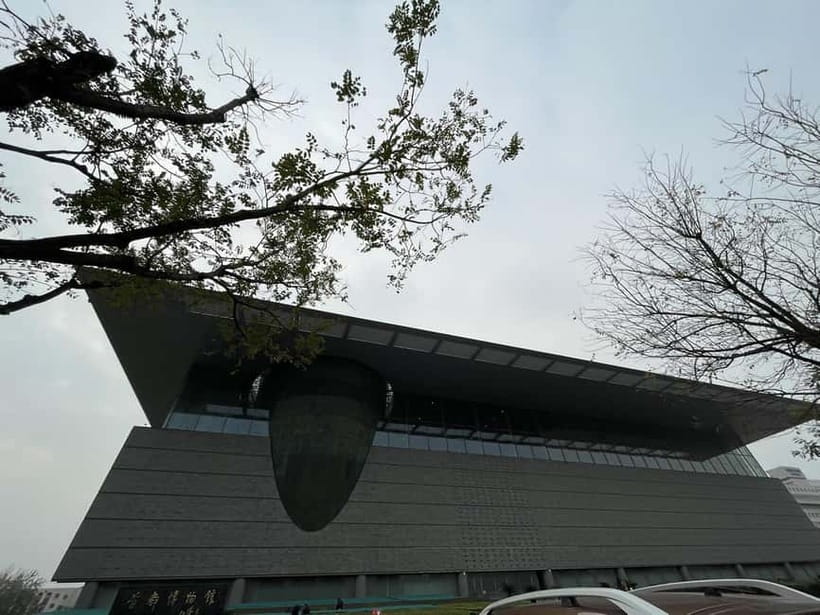
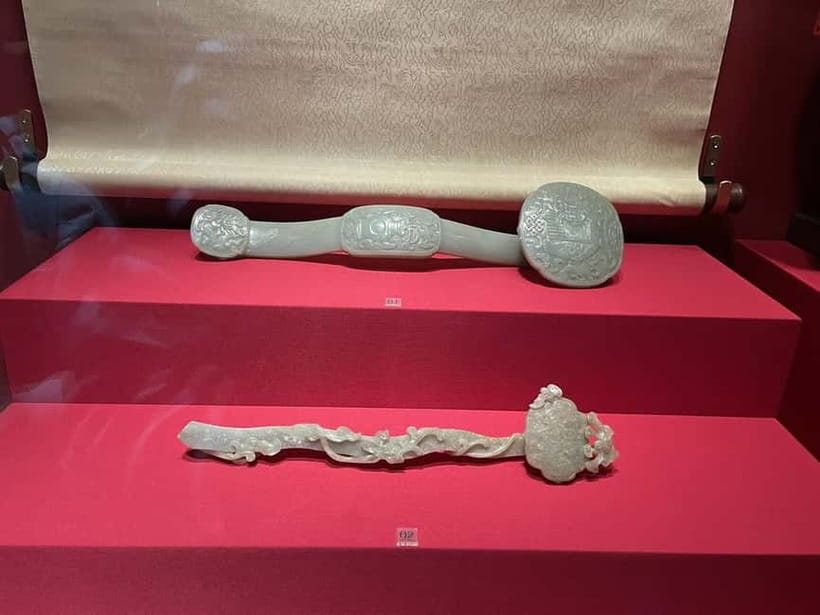
A key part of the experience is a guided visit to the Beijing Capital Museum for about 3 hours (depending on your selected option and timing). This stop acts like a translator. Once you understand what shaped the city—styles of living, traditional design, and cultural context—the hutong details start to look less random.
There’s also a practical benefit: this museum stop is a guided experience rather than you wandering solo. One booking described it as a very large, interactive museum and said it’s worth visiting, even if they only planned to buy tickets. That lines up with what I’d look for: a museum that isn’t just rooms of objects, but one where the experience helps you connect the dots.
If your goal is to get meaning out of the hutongs (not just photos), this museum portion is a big part of the value equation. Skip it and you’ll still enjoy the walk—but you’ll understand less of what you’re seeing.
Nanluoguxiang and Shichahai: two hutong moods in one route
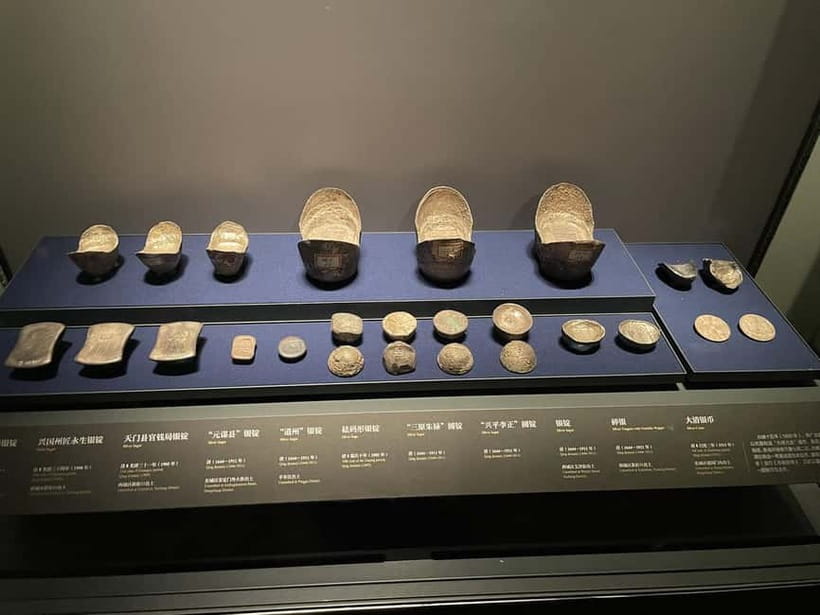
This walking tour includes some of Beijing’s well-preserved hutong areas, including Nanluoguxiang and Shichahai.
Nanluoguxiang: traditional charm with modern energy
Nanluoguxiang has old-residence character, but it’s also where you may find boutique shops and cozy cafes mixed in. The contrast is useful. You can see traditional architecture and then spot how the area adapts for today, which helps you understand why hutongs survive instead of disappearing.
Shichahai: a slower pace by the water
Shichahai sits around scenic lakes. This is the part I’d use as a reset. You might watch locals fly kites by the water, listen to willows moving, and relax in a lakeside teahouse setting. Even if you’re not trying to sit down, the visual break is a nice change from narrow lanes.
This pair gives you balance. You get street life and then a quieter edge where people linger.
Beijing at street level, more routes on foot
- Beijing Hutong Walking Food and Beer Tour at Hidden Restaurants★ 5.0 · 1,132 reviews
- Private Beijing Walking Tour of the Forbidden City with 7 Options★ 5.0 · 675 reviews
- Forbidden City Private Walking Tour with Optional Sights★ 5.0 · 400 reviews
- Beijing Private Hutong Food Walking Tour★ 5.0 · 299 reviews
- Beijing: Hutong Culinary Walking Tour with 15+ Tastings★ 5.0 · 162 reviews
Food along the way: jianbing, tanghulu, douzhi, and more
Food is part of the culture here, not a separate event. You follow aromas to local stalls and family-run spots, which helps you try classics that locals actually reach for.
Here are the big name bites you can expect:
- Jianbing guozi: A crispy fried crepe filled with eggs and scallions, topped with savory sauce, and wrapped so it crunches with every bite. It’s often treated as a breakfast staple, so tasting it while walking makes sense.
- Tanghulu: Sweet and tangy candied hawthorns on a stick. It’s a quick sugar hit that’s easy to grab between street segments.
- Douchi / douzhi style fermented mung bean soup: A fermented mung bean flavor with a tangy edge. You may see it paired with youtiao (fried dough sticks) and preserved vegetables, which gives you a fuller picture of how people eat it day to day.
Important note for planning: food and beverages are not included. That means your budget should include snacks on top of the tour price.
Teahouse stop and the tea ceremony: jasmine or oolong, explained
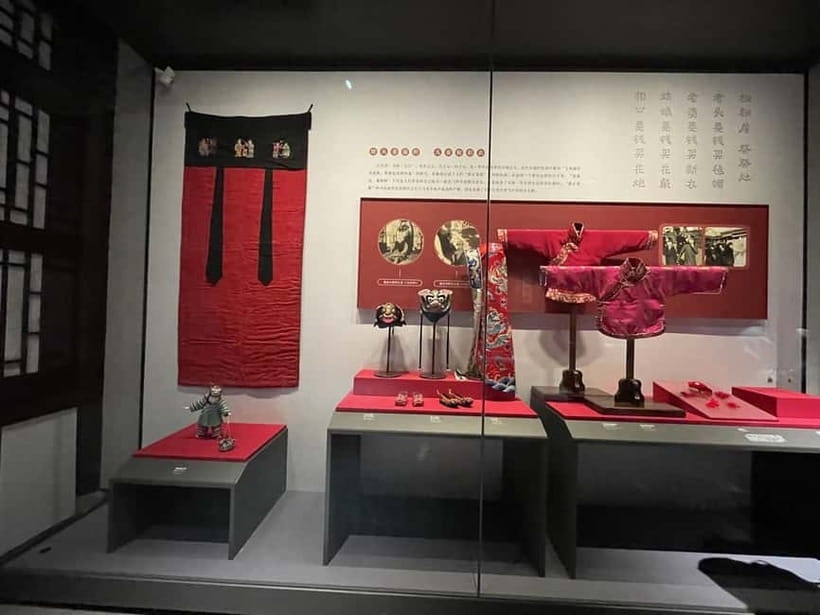
Culture tours can turn into trivia marathons. This one tries a different track with a traditional teahouse and a tea ceremony guided by a tea master.
You can expect jasmine tea or oolong during the ceremony, plus stories about the art of Chinese tea. Even if you’ve had tea before, the guided format helps you notice what changes from one brew to another—aroma, warmth, and how tasting is treated as a mindful pause.
For me, this is one of the most calming parts. After walking tight lanes and eating street food, you get a place to slow down, sit for a bit, and actually absorb the culture instead of collecting it at speed.
Paper cutting, calligraphy, and a chance at Peking Opera
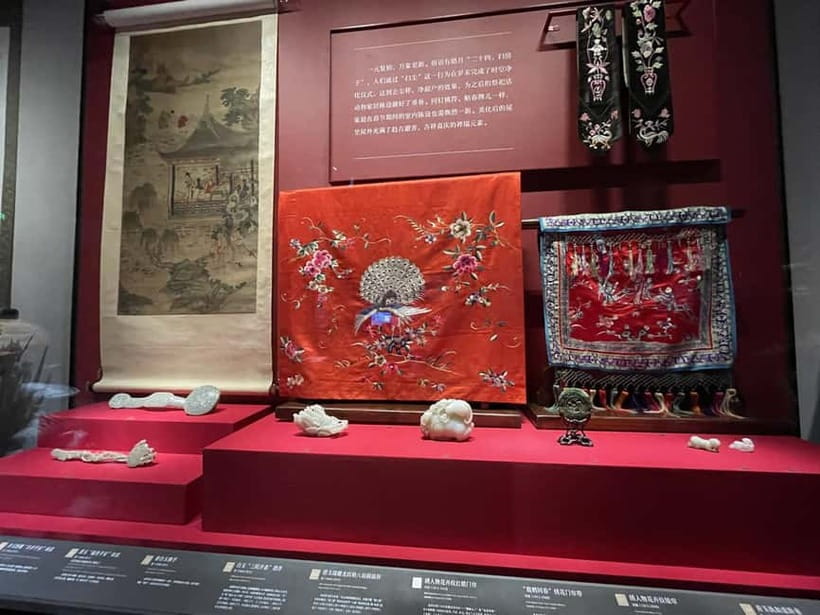
Depending on timing, you may encounter additional cultural moments along the route. The tour mentions a possibility of:
- Paper cutting workshops: delicate patterns connected with good luck and prosperity.
- Calligraphy demos: brush and ink used to form Chinese characters.
- Peking Opera snippets: if there’s a nearby venue at the right moment, you might catch a short performance with distinct singing and colorful costumes.
Because these are described as possibilities, don’t count on a guaranteed opera moment. But the idea is solid: you’re not only looking at architecture. You’re also learning how Chinese art shows up in everyday settings.
If you enjoy arts and crafts, this is the part that can make the whole day feel more personal.
Rickshaw ride and home visit: what changes in the optional add-on
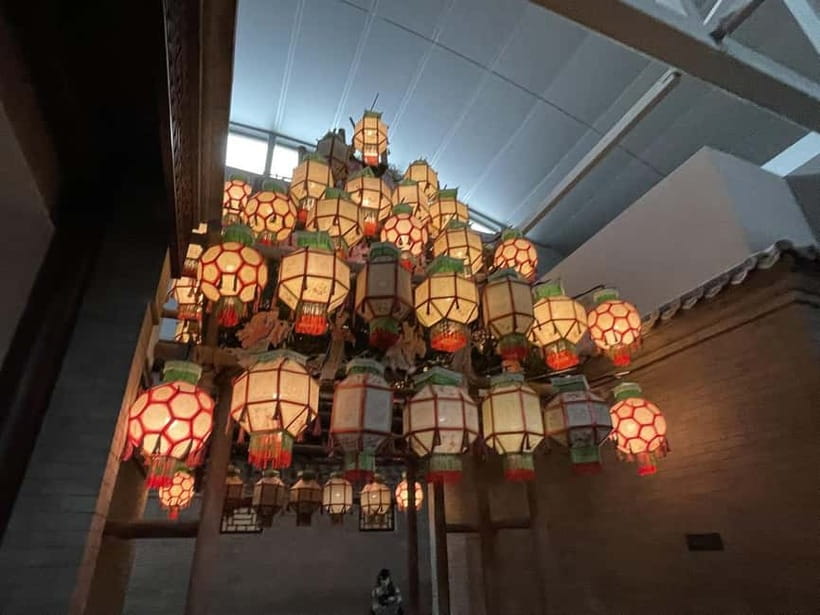
Included in the tour depends on which option you select. Some packages include a rickshaw ride and a home visit.
Why it’s worth caring about: a rickshaw ride can shift the pace and let you cover distance while still staying in the old-city context. And a home visit—when offered—can provide a rare glimpse at how courtyard living works in real life, not just as a photo subject.
If you’re the kind of traveler who likes “show me how people live” moments, choose the option that includes the home visit. If you’re more photo-and-food focused and prefer fewer formal stops, you may feel perfectly fine with the guided tour-only version.
Price and value: how $2.86 can be a smart deal, or a warning flag
At $2.86 per person, this tour price is so low it deserves a reality check. The good news: the experience includes a guided museum visit and a guided walk, plus optional add-ons like a rickshaw and home visit.
Still, here’s what you should be ready for as a value-minded traveler:
- Food isn’t included. Street snacks are on you, so your final spend will be more than the headline price.
- Admission needs pre-booking with your passport info. That means you’ll do some admin before the tour.
- The experience is active. With a 3 to 6 hour duration, you should be comfortable walking and standing.
So yes, the price can be a bargain—but treat it as a bargain for the guided structure and cultural access, not as a full-service meal plan.
Practicalities: what to bring, what’s restricted, and how to avoid headaches
The tour rules are pretty clear. To stay smooth:
What to bring
- Passport (or the passport/ID card required for the booking check)
- Your ID details must be ready because admission needs to be booked in advance online, and you may need to send passport information ASAP.
Restrictions you should respect
- No luggage or large bags
- No pets (assistance dogs are allowed)
- No smoking indoors
- No bikes
- No flash photography and no tripods
- No alcohol and drugs
- No littering, no making fire, and no making noise
Photography
Photography is allowed, but keep it simple: no flash, no tripods. That’s usually because of museum or indoor safety rules, and it also keeps the experience respectful.
Languages
The live guide is available in English, Chinese, French, and Dutch. If you care a lot about explanation quality, pick the language you’ll understand best.
Wheelchair access
It’s described as wheelchair accessible, and the museum is also noted as wheelchair accessible. That’s a helpful point for planning.
Who this tour suits best (and who should skip it)
This is a strong fit if you want:
- A walkable old-city culture day
- Meaningful context before you start exploring hutongs
- Street food that you can actually name and try (not random sampling)
- A pause with tea and cultural crafts
It may be less ideal if:
- You hate walking or standing for long periods
- You need to bring large luggage (you don’t want that rule to force stress)
- You’re looking for a purely scenic photo tour with zero explanations
Also, it isn’t suitable for people over 95 years.
Should you book? My quick decision guide
Book it if you want hutongs with structure: museum context, guided walking, street food classics, and at least one slower cultural stop like tea. The route through Nanluoguxiang and Shichahai is a smart mix of old lanes and a lake-side break.
Skip it (or pick a lighter option) if you’re traveling with big bags, hate crowds, or you’re not interested in the culture component beyond architecture. Also, factor in that you’ll likely spend extra on food since food and beverages aren’t included.
If you want real value, choose the option that matches your style—especially the one with rickshaw and home visit if that kind of access appeals to you.
FAQ
How long is the Beijing Hutongs, Food & Culture walking tour?
The duration is listed as 3 to 6 hours. Check availability to see the exact starting times.
Where can I start the tour?
There are 3 starting location options: 鼓楼 (Drum Tower), 首都博物馆 (Beijing Capital Museum), and Shichahai.
What is included in the tour price?
The tour includes a guided tour based on your selected option. If your chosen option includes it, you also get a rickshaw ride and a home visit.
Is food included?
No. Food and beverages are not included.
Will I be able to take photos?
Yes, photography is allowed. However, flash photography and tripods are prohibited.
Do I need to book admission in advance?
Yes. Admission needs to be booked in advance online, and you may need to send your passport information for ticket booking.
What identification do I need?
You’re asked to bring your passport, or the passport/ID card required for the activity.
Is the tour wheelchair accessible?
The activity is described as wheelchair accessible. The museum portion is also noted as wheelchair accessible.
What restrictions should I know about before going?
You can’t bring luggage or large bags, pets (assistance dogs allowed), or bikes. Smoking indoors is not allowed, and you must avoid flash and tripods for photos.
Is there a private group option and multiple languages?
Yes, a private group is available. The live guide can be in English, Chinese, French, or Dutch.
More Beijing Outings
- From Beijing: Mutianyu Great Wall Tours with Options
★ 4.9 · 9,216 reviews - Beijing: Forbidden City Tour(Group/Private)-Tickets Included
★ 4.8 · 7,974 reviews - Beijing: T-Square & Forbidden City Group or Private Tour
★ 4.8 · 4,446 reviews - All-Inclusive Tour: Tiananmen Square, Forbidden City, Great Wall
★ 5.0 · 2,873 reviews - MuBus: Mutianyu Great Wall ENG/ESP/RUS Guided Bus Tour
★ 5.0 · 2,361 reviews - 4-Hour Small Group Tour to Forbidden City with Entry Tickets
★ 5.0 · 1,863 reviews
More Tour Reviews in Beijing
- From Beijing: Mutianyu Great Wall Tours with Options
★ 4.9 · 9,216 reviews - Beijing: Forbidden City Tour(Group/Private)-Tickets Included
★ 4.8 · 7,974 reviews - Beijing: T-Square & Forbidden City Group or Private Tour
★ 4.8 · 4,446 reviews - All-Inclusive Tour: Tiananmen Square, Forbidden City, Great Wall
★ 5.0 · 2,873 reviews - MuBus: Mutianyu Great Wall ENG/ESP/RUS Guided Bus Tour
★ 5.0 · 2,361 reviews - 4-Hour Small Group Tour to Forbidden City with Entry Tickets
★ 5.0 · 1,863 reviews
Deeper Into the Hutongs
- Beijing Hutong Walking Food and Beer Tour at Hidden Restaurants
★ 5.0 · 1,132 reviews - Temple Heaven, Summer Palace, Lama Temple, Hutong Bus Tour
★ 4.7 · 319 reviews - Temple of Heaven, Summer Palace, Lama Temple, Hutong Tours
★ 5.0 · 311 reviews - Beijing Private Hutong Food Walking Tour
★ 5.0 · 299 reviews - The Hutong Experience by Bike
★ 5.0 · 163 reviews - Beijing: Hutong Culinary Walking Tour with 15+ Tastings
★ 5.0 · 162 reviews
Just In: More Beijing Tours to Browse



Hutong Walks & Rickshaw Tours, compared.
 ★ 5.0Beijing Hutong Walking Food and Beer Tour at Hidden RestaurantsFrom $801,132 reviews
 ★ 4.7Temple Heaven, Summer Palace, Lama Temple, Hutong Bus TourFrom $58319 reviews
 ★ 5.0Temple of Heaven, Summer Palace, Lama Temple, Hutong ToursFrom $99311 reviews
 ★ 5.0Beijing Private Hutong Food Walking TourFrom $82299 reviews
 ★ 5.0The Hutong Experience by BikeFrom $150163 reviews
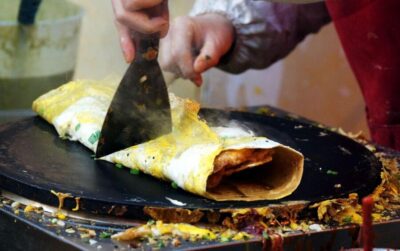 ★ 5.0Hutong Culinary Walking Tour with 15+ TastingsFrom $76162 reviews
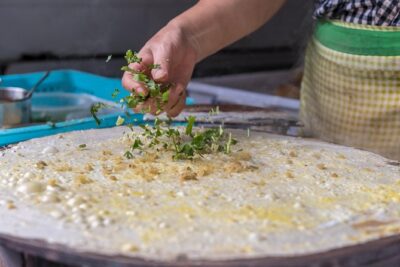 ★ 5.0Beijing Hutong Breakfast Food TourFrom $45155 reviews
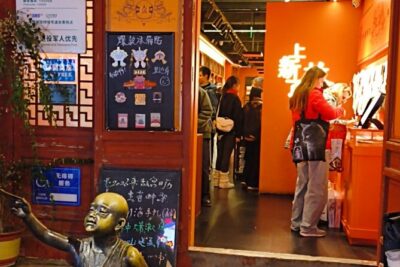 ★ 5.0Beijing City Walk: Explore Hutongs Life and Old BeijingFrom $15146 reviews
Browse the lists this tour appears in