
Reviewed · PEKING DUCK & FOOD TOURS
Flavors of Beijing: Eat Like A Real Chinese
Market smells set the tone for cooking. This small-group Beijing class brings you from a local food market to a family home, where Chef Chao teaches Chinese cooking techniques and you eat what you make.
I especially love the market ingredient shopping with a patient guide who explains what to look for and why, and I love the hands-on cooking with woks and cleavers plus the take-home recipes. The one drawback to plan for: the kitchen can run hot in summer, so bring a water bottle mindset and dress for warmth.
In This Review
- Key highlights you should care about
- First impressions: what this class is really about
- Meeting point and the short walk before cooking starts
- The market walk: how you pick ingredients that make sense
- Condiments class and the sauce logic you can use at home
- Cooking time: dim sum, dumplings, noodles, and stir-fries
- Hutong home dining: the real reason this sticks
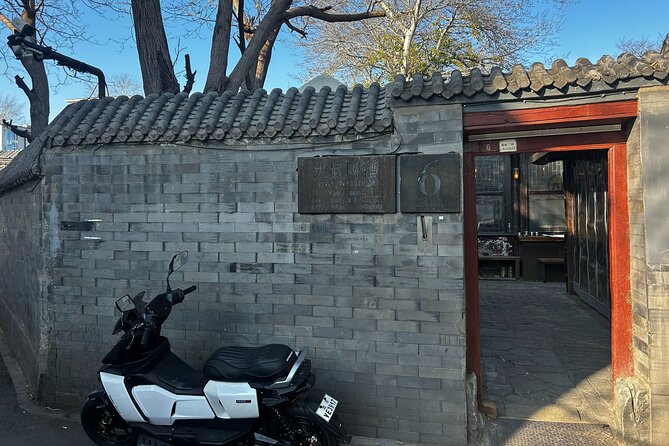
- The stop at Great Leap Brewing Original #6: what to know
- Price and value: is $99 worth it?
- Who should book this class, and who should skip it
- Should you book Flavors of Beijing?
- FAQ
- How long is the cooking class?
- Where do I meet, and where does it end?
- What’s included in the price?
- Is there a vegetarian option?
- What might I cook on the day I go?
- Are drinks included at Great Leap Brewing Original #6?
Key highlights you should care about
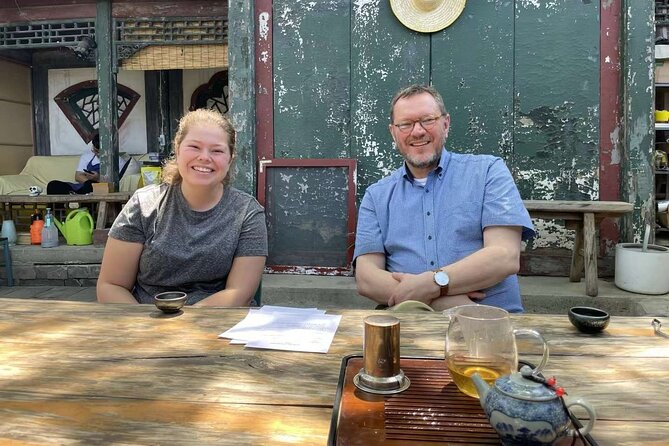
- Chef Chao-led teaching: patient, step-by-step spice and ingredient guidance
- Market-to-kitchen experience: you pick ingredients on foot before cooking
- Condiments class included: you learn how sauces and seasonings build flavor
- Daily menu changes: dim sum one day, hearty mains another, with at least one vegetarian dish daily
- Eat family-style in a hutong: you sit together and chat after cooking
- Small group size (up to 12 people): easier pace, more attention at the stove
Crisp duck and hutong snacks, still hungry?
First impressions: what this class is really about
This is one of those food tours that doesn’t just show you Beijing. It gets you doing Beijing. You walk, shop, chop, cook, and then you sit down and eat at the end, which means the learning sticks.
The small group size (up to 12 people) matters more than it sounds. In a class like this, you want time at the wok, time asking questions, and time learning why certain seasonings work. The pacing in the kitchen feels built for teaching, not just feeding a crowd.
You should also know the timing can feel like a half-day. The duration is listed as 3 hours approx, but the experience description is built as a 5-hour cooking class. Either way, plan your day around a midday start and a meal that’s more than a snack.
Meeting point and the short walk before cooking starts
You start at Jiu Gu Lou Da Jie near Subway Line 8, with the meeting pin listed as “Subway Line 8W9VV+CH4, Jiu Gu Lou Da Jie, Xi Cheng Qu, Bei Jing Shi, China, 100035.” The tour starts at 12:00 pm, and it ends back at the same meeting point.
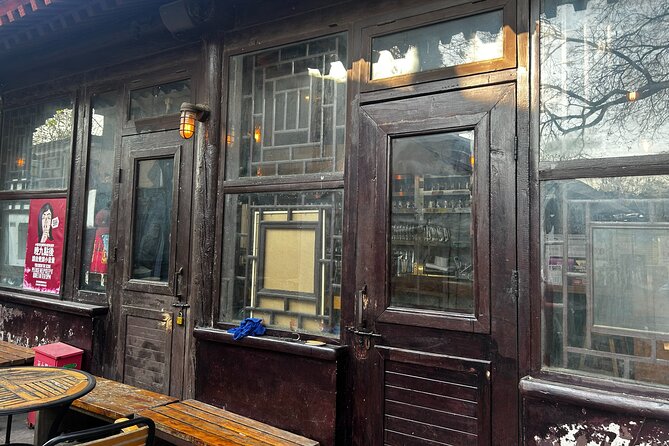
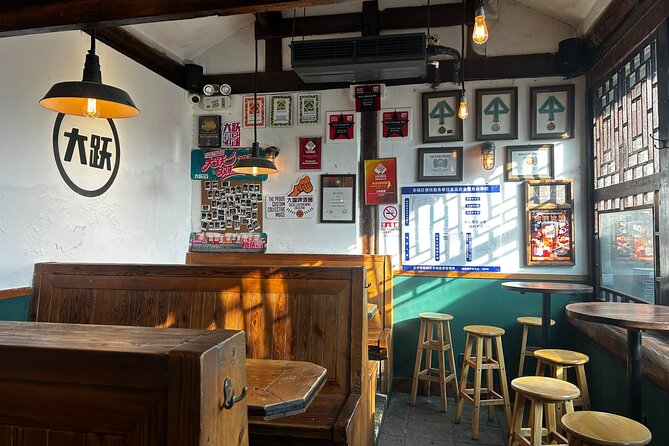
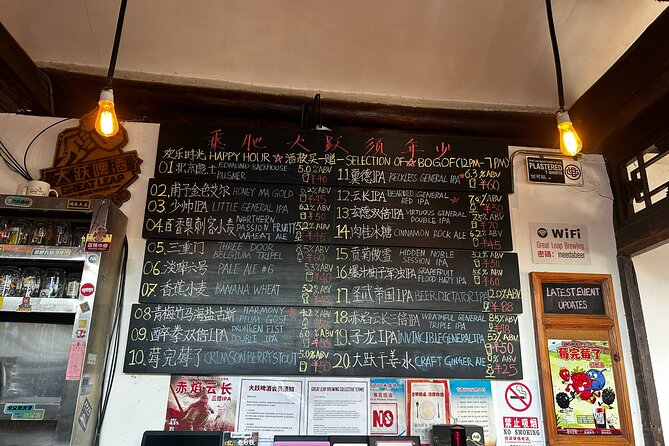
The early part includes a walking route with named stops: Bell and Drum Towers, Yandai Xie Street, and Yinding Bridge. There’s also a stop at Great Leap Brewing Original #6. Drinks at that brewery are not included, so treat it as a walk-through stop rather than a tasting stop.
Practically, these stops are useful because they break up the experience. You get oriented, you shift from sightseeing mode into food-shopping mode, and by the time you reach the market you’re ready to pay attention to smells, textures, and ingredients.
The market walk: how you pick ingredients that make sense
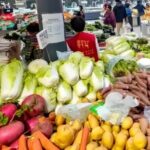
The market part is the heart of the day. You’ll walk with your guide to browse stalls bursting with fresh produce and other food items, then buy ingredients that are included in the price. Your guide explains what you’re looking at, how ingredients are used, and what choices matter.
This is where I like the experience the most, because ingredient shopping is where most cooking classes stay vague. Here, you’re actually selecting items, and that makes the cooking feel connected. One standout theme from real experiences: Chef Chao points out lots of specific items and explains them in clear, patient ways, which helps you understand flavor decisions instead of memorizing steps.
Also, this is not a quick look-and-go market stop. People describe it as memorable because of the scale of the food choices and the sensory overload—colors, smells, and the constant motion of a local food market. If you’ve only ever bought vegetables at a supermarket, this is a fast way to recalibrate your instincts.
A small practical note: if you think you’ll want extra fruit or snack foods, you might be able to pick those up during the market portion. One review mentions buying extra fruits, nuts, and other items beyond what the class needed.
Condiments class and the sauce logic you can use at home
After shopping, you head into a local home in a hutong (an alleyway). The class includes a condiments lesson, and that turns the cooking into something more than a one-time recipe demo.
You’ll learn how seasonings create flavor, and you’ll get hands-on with the tools. Reviews specifically mention learning with woks and cleavers, plus guidance on spices and ingredients. The goal isn’t just to make one good meal. It’s to help you understand why a dish tastes the way it does—so you can recreate it later.
You’ll likely hear a lot about sauces and marinades, especially if the menu day includes dumplings or stir-fries. Several experiences highlight that Chef Chao takes time to make sure people grasp what goes into sauces and why the steps matter.
And yes, recipes are part of the payoff. Multiple reviews mention receiving recipes and taking home paper copies, which helps you cook the dishes again without relying only on memory.
Weigh these up before you book this Beijing tour:
- Beijing Private Hutong Food Walking Tour★ 5.0 · 299 reviews
- Beijing Hutong Breakfast Food Tour★ 5.0 · 155 reviews
- Beijing Hutong Breakfast Food Tour★ 5.0 · 120 reviews
- Beijing Walking Food Tour with a Local Friend★ 5.0 · 73 reviews
- Beijing Walking Food Culture Tour in Hutong and Hidden Places★ 5.0 · 59 reviews
Cooking time: dim sum, dumplings, noodles, and stir-fries
The menu changes daily, and that’s not just a marketing line. Your cooking depends on the day’s dishes, and the style can shift between dim sum and main dishes inspired by different Chinese cuisines.
One vegetarian day is built into the schedule, and at least one vegetarian dish is prepared each day. Vegetarians can also choose an entirely meat-free menu on a selected day of the week. In the real-world feedback, I also saw mention of veganism being accommodated, which is a strong sign that the instructors pay attention to diet needs.
Here are the kinds of dishes you should expect to see, based on the menu examples:
- Dim sum and dumpling-focused cooking (barbecued pork buns are one listed example)
- Stir-fried noodles and sesame rolls (also listed examples)
- Main dishes like steamer ginger fish, sweet and sour pork, and stir-fried chili beef (listed examples)
Dumpling learning seems to be a common highlight. Reviews describe making dumplings from scratch, including dough work and crimping details, and even making multiple fillings and multiple cooking methods on some days. One person even called out that dumpling crimping is more intricate than they expected, which is a good reality check: you’ll be learning technique, not just assembling food.
For cooking skills, cleaver handling is a real part of the experience. People mention using a large cleaver and learning knife skills, and that adds a fun, practical edge if you enjoy hands-on prep.
Hutong home dining: the real reason this sticks
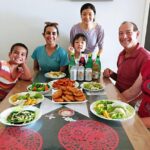
This is not a restaurant meal where you eat first and learn later. You cook, then you sit down at a family table and eat what you made while chatting with your guide and group.
That hutong home setting changes the feeling of the class. Reviews repeatedly mention the charm of being inside a local neighborhood home and the welcome atmosphere. Even the after-meal conversations help because you can ask specific questions about ingredients, sauces, or substitutions as you’re eating.
Food tastes better when you understand the steps behind it. That’s what you get here: you taste your own dumplings, your own noodles, your own stir-fry, and you can connect flavor to technique. Many reviews call out that the dishes turn out delicious, which matters because some classes focus more on the lesson than the actual result.
The stop at Great Leap Brewing Original #6: what to know
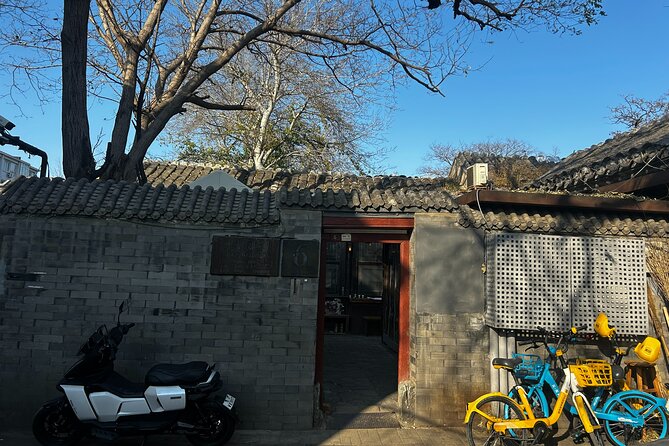
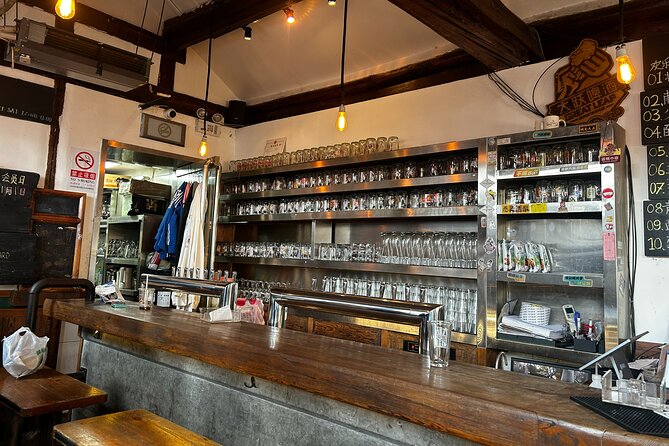
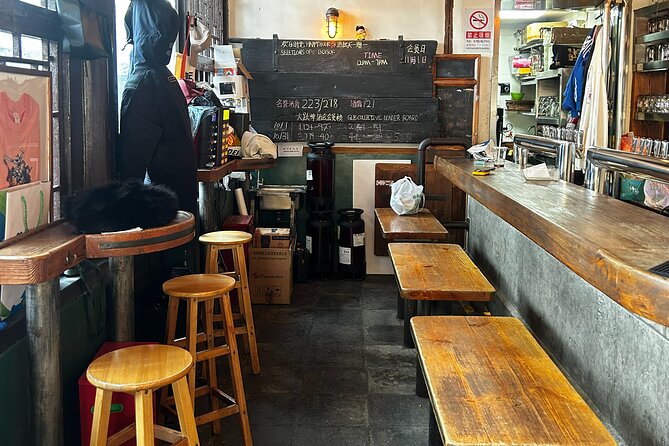
One itinerary stop is Great Leap Brewing Original #6. The key practical point: beer or drinks at the brewery are not included.
So if you’re trying to budget, don’t assume you’ll get a free drink. This stop seems to function as part of the walking route rather than the main event. If you like brewery culture, you can still check it out, but plan on covering any beverages separately.
Price and value: is $99 worth it?
At $99 per person, this is best viewed as a hands-on food experience rather than a quick activity. You’re paying for a professional English-speaking guide, a market tour, ingredient shopping that’s included, and a cooking class with equipment. You’re also getting food tasting and the meal you cook at the end.
The small group size (maximum 12 people) supports the price. In a larger group class, you’d wait longer and get less help with chopping, wok timing, and sauce mixing. Here, the teaching style in the reviews points to enough attention to make questions feel normal.
What’s not included is also clear:
- Hotel pickup and drop-off are not included
- Beer or drinks at Great Leap Brewing are not included
So you’ll want to plan your own way to the meeting point.
One more value check: this kind of cooking class gives you more than a memory. With recipes to take home and technique explanations (especially around condiments and sauces), you can reproduce a Chinese meal later without guessing.
Who should book this class, and who should skip it
I think this tour fits best if you want to eat well and learn how Chinese flavors work, not just follow directions. If you enjoy markets, don’t mind chopping and cooking, and like asking questions in a small setting, you’ll probably have a great time.
It also works well for solo participants. Some reviews mention it’s enjoyable for single people because you meet others during the class and share the meal together.
Skip it if you hate heat or very hands-on cooking environments. One of the most direct drawback themes: the kitchen can be hot in summer, and you’ll be working near heat sources. If you get uncomfortable quickly with warmth, wear breathable clothes and plan to take breaks when the instructor allows them.
Should you book Flavors of Beijing?
If your goal is authentic-feeling Chinese cooking with a real market stop and a strong teacher-led class, I’d book this. The combination of ingredient shopping, condiments/sauce learning, and eating at the end is exactly what turns a cooking class into a real experience.
I’d also book it if you want a guide who doesn’t rush. Chef Chao is repeatedly described as patient and thoughtful, and that shows up in how people talk about understanding spices, sauces, and ingredients.
Just go in with two expectations: you’ll likely spend most of your half-day actively cooking, and the home-kitchen setting can feel warm. If you’re good with that, this is a high-value way to understand Beijing food beyond the usual sightseeing stops.
FAQ
How long is the cooking class?
The experience is listed as 3 hours approx, but the description says it’s a 5-hour cooking class. Either way, plan for a midday, half-day commitment.
Where do I meet, and where does it end?
You meet at Subway Line 8W9VV+CH4, Jiu Gu Lou Da Jie, Xi Cheng Qu, Bei Jing Shi, China 100035. The activity ends back at the meeting point.
What’s included in the price?
It includes the local food market tour, food tasting, and a professional English-speaking tour guide. The class also includes ingredients and equipment, plus a condiments class and the meal you eat at the end.
Is there a vegetarian option?
Yes. The menu changes daily with one vegetarian day, and at least one vegetarian dish is prepared each day. Vegetarians can also choose an entirely meat-free menu on a selected day of the week.
What might I cook on the day I go?
Depending on the menu day, you could cook dim sum items (like barbecued pork buns) and dishes such as stir-fried noodles or sesame rolls. Main dish examples listed include steamer ginger fish, sweet and sour pork, and stir-fried chili beef.
Are drinks included at Great Leap Brewing Original #6?
No. Beer or drinks at Great Leap Brewery are not included.
The Beijing Table, Second Helpings
- Beijing Hutong Walking Food and Beer Tour at Hidden Restaurants
★ 5.0 · 1,132 reviews - Beijing: Hidden Gems Guided Food Tour with Beer and Tastings
★ 4.9 · 306 reviews - Beijing Private Hutong Food Walking Tour
★ 5.0 · 299 reviews - Beijing Hutong Breakfast Food Tour
★ 5.0 · 155 reviews - Beijing Hutong Breakfast Food Tour
★ 5.0 · 120 reviews - Beijing Walking Food Tour with a Local Friend
★ 5.0 · 73 reviews
More Tour Reviews in Beijing
- From Beijing: Mutianyu Great Wall Tours with Options
★ 4.9 · 9,216 reviews - Beijing: Forbidden City Tour(Group/Private)-Tickets Included
★ 4.8 · 7,974 reviews - Beijing: T-Square & Forbidden City Group or Private Tour
★ 4.8 · 4,446 reviews - All-Inclusive Tour: Tiananmen Square, Forbidden City, Great Wall
★ 5.0 · 2,873 reviews - MuBus: Mutianyu Great Wall ENG/ESP/RUS Guided Bus Tour
★ 5.0 · 2,361 reviews - 4-Hour Small Group Tour to Forbidden City with Entry Tickets
★ 5.0 · 1,863 reviews
Eat Beijing: More Food Walks
- Beijing Hutong Walking Food and Beer Tour at Hidden Restaurants
★ 5.0 · 1,132 reviews - Temple Heaven, Lama Temple, Summer Palace & Peking Duck Bus Tour
★ 5.0 · 377 reviews - Old Beijing Dinner Tour
★ 5.0 · 348 reviews - Beijing: Hidden Gems Guided Food Tour with Beer and Tastings
★ 4.9 · 306 reviews - Beijing Private Hutong Food Walking Tour
★ 5.0 · 299 reviews - Beijing: Hutong Culinary Walking Tour with 15+ Tastings
★ 5.0 · 162 reviews
Just In: More Beijing Tours to Browse


Peking Duck & Food Tours, compared.
 ★ 5.0Beijing Hutong Walking Food and Beer Tour at Hidden RestaurantsFrom $801,132 reviews
 ★ 5.0Temple Heaven, Lama Temple, Summer Palace & Peking Duck Bus TourFrom $56377 reviews
 ★ 5.0Old Beijing Dinner TourFrom $75348 reviews
 ★ 4.9Hidden Gems Guided Food Tour with Beer and TastingsFrom $75306 reviews
 ★ 5.0Beijing Private Hutong Food Walking TourFrom $82299 reviews
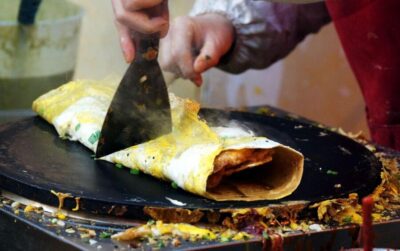 ★ 5.0Hutong Culinary Walking Tour with 15+ TastingsFrom $76162 reviews
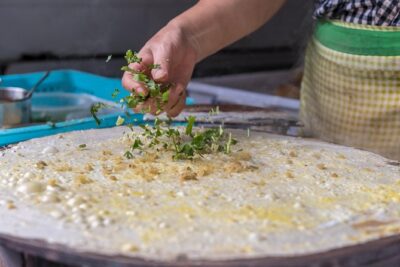 ★ 5.0Beijing Hutong Breakfast Food TourFrom $45155 reviews
★ 5.0Beijing Hutong Breakfast Food TourFrom $55120 reviews
★ 5.0Beijing Hutong Breakfast Food TourFrom $45155 reviews
★ 5.0Beijing Hutong Breakfast Food TourFrom $55120 reviews
Browse the lists this tour appears in