
Reviewed · HUTONG WALKS & RICKSHAW TOURS
Beijing Walking Food Culture Tour in Hutong and Hidden Places
First, the streets themselves do half the work, and the guide adds the other half. I like this tour because it stays small-group and focuses on real hutong kitchens with a local history-and-sociology expert. You taste classic Beijing dishes, learn why hutong names and food traditions make sense, and end the night with a one-pot meal built around ancient military cooking.
The big drawback to consider is the price. At $88 for about three hours, it can feel steep if you mostly want quick street snacks and not a guided, multi-stop evening with dinner included.
In This Review
- Key highlights before you go
- Entering Hutong Food Culture Around Shichahai
- Meeting Point Near Shichahai and What the Night Feels Like
- Yandai Xiejie: Hutong Names, Post Office Stories, and Snack-Making
- Shichahai Hutongs After Dark: Four Dishes at a Family Spot
- A Heritage Walk: When Timekeeping Becomes a Culture Moment
- Fusion in a Hidden Courtyard: East Meets West on a Traditional Stage
- The Ancient Army One-Pot Feast: Practical Food with a Story
- Price and Value: Why $88 Can Make Sense for an Evening Food Tour
- What You Should Plan for: Walking, Food Style, and Pace
- Who This Hutong Food Culture Tour Fits Best
- Should You Book This Beijing Walking Food Culture Tour?
- FAQ
- What time does the tour start, and how long is it?
- Where do I meet, and does it end there too?
- What’s included in the price?
- How big is the group?
- Will I get confirmation after booking?
- Is it possible to cancel for a full refund?
- Is it suitable for most people, and can service animals join?
Key highlights before you go
- Up to 8 people keeps the evening moving and makes it easier for your guide to explain the details.
- Yandai Xiejie starts you in one of Beijing’s oldest hutongs, with stops tied to landmarks like the Great Qing Post Office.
- Four signature dishes plus a surprise bite at a family-run place lets you try more than the obvious menu items.
- An intangible-heritage timekeeping system stop adds a cultural pause beyond eating.
- A fusion courtyard meal brings East-meets-West ideas into a traditional setting.
- A final one-copper-pot feast links practical “survival food” logic to flavors you can actually taste.
Down the grey-brick lanes on foot or by pedicab
Entering Hutong Food Culture Around Shichahai

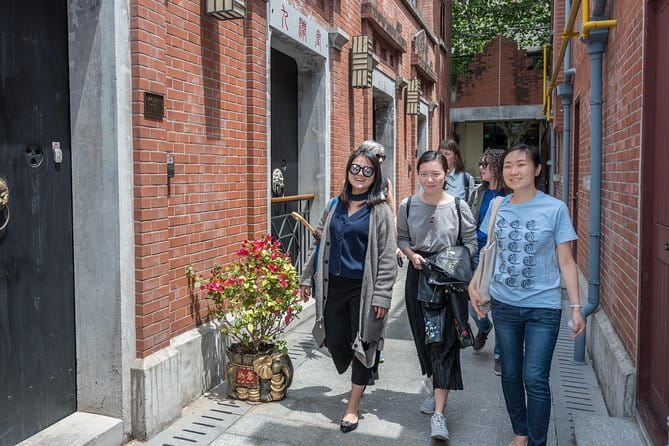
This is the kind of Beijing food tour that works because it treats food like part of daily life, not a performance. You meet in the Shichahai area at 6:00 pm and spend the evening walking through hutong neighborhoods that shift from lively streets into quieter alleys. Even before the first bite, the route helps you understand the city’s rhythm: where people live, where they eat, and how neighborhoods feel different block to block.
I also like the pacing. It is a walking tour, but it is not the kind where you feel crushed by distance. The structure is built around food stops and cultural cues, including everyday scenes like elderly residents playing chess and vendors setting up for dinner nearby a heritage-related square.
One practical point: you’re not just sampling plates. You’re learning why these foods belong here, and how the hutong environment shaped what people cooked and carried.
Meeting Point Near Shichahai and What the Night Feels Like
You’ll start at Shichahai, Xicheng District and return there at the end. That matters more than it sounds. You avoid the end-of-tour scramble for transport after dinner, and you can plan the rest of your evening without a guessing game.
Because it’s near public transportation, you also have options if you’re combining this with other Beijing plans. You don’t need to rely on a single mode of transport, which is handy for a layover schedule or a night when your hotel is far from a metro station.
Expect an evening format. This isn’t breakfast-snack Beijing. It’s dinner-time Beijing, with food that makes sense for night walking: warm dishes, satisfying bites, and a final hearty finish.
Small-group format helps here too. With a maximum of 8 travelers, you’re less likely to feel like you’re being rushed. The guide can also react to the group’s preferences—one reason people leave saying the tour felt easy and flexible.
Yandai Xiejie: Hutong Names, Post Office Stories, and Snack-Making

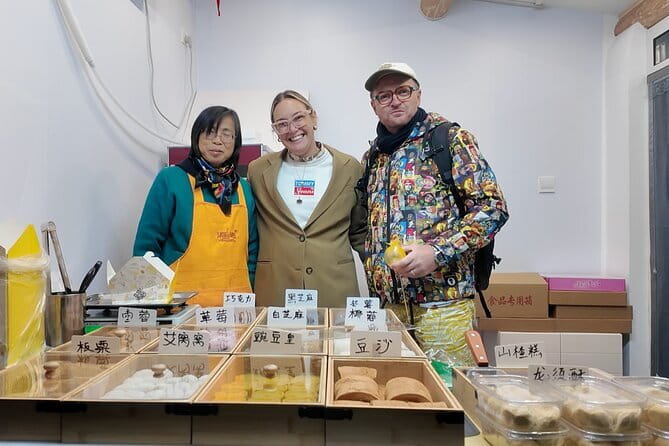
The tour kicks off on Yandai Xiejie, one of the older, more charming hutong byways. From the start, this stop is about getting your mental map of the neighborhood. Your guide points out landmarks and explains where stories come from—like what the Great Qing Post Office connects to, and why hutong names follow a logic tied to the city’s history and community structure.
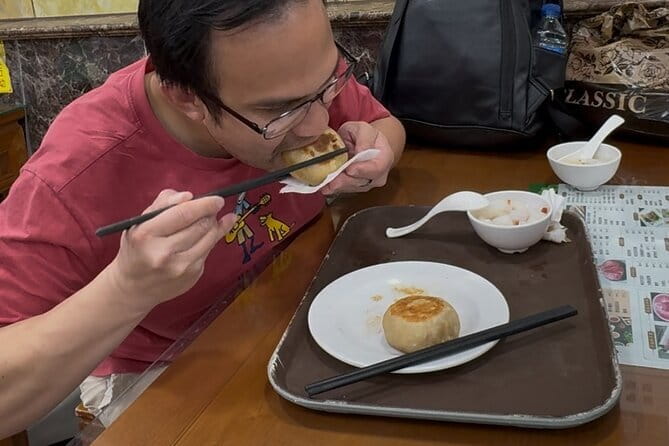
This is not “look and move on” sightseeing. The guide blends explanation with a hands-on food moment. You’ll learn how signature Beijing snacks get made and taste freshly prepared local delicacies that have been passed down through generations.
What I found useful here is the way the guide links technique to meaning. When you understand the origin or purpose of a snack, it tastes different. You stop treating it like random street food and start seeing it as practical food culture—something people relied on, not just something people try.
Possible drawback: if you are extremely picky or only want a few flavors, you may want to think about whether you’re comfortable with a set route and guided tastings. The tour design is about variety, not choose-your-own-adventure ordering.
Shichahai Hutongs After Dark: Four Dishes at a Family Spot
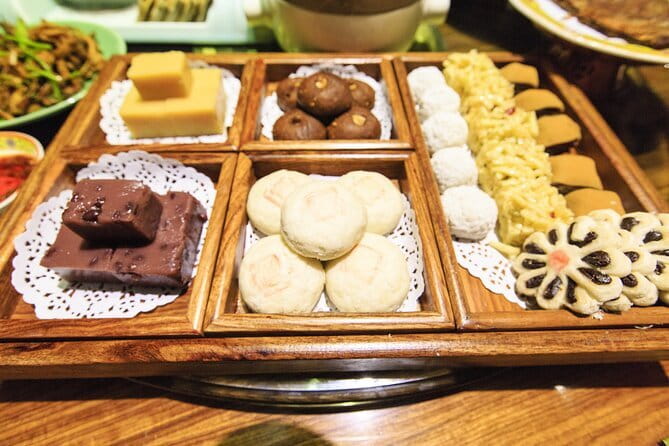
Next you move through the Shichahai area and into narrower hutong alleyways where life looks steadier and slower than on major streets. This transition is part of the value. You get away from crowds and into the spaces where locals still live with a sense of continuity.
Then you reach a cozy, family-run eatery tucked deep in the hutongs. Here you get four beloved local dishes, and each one comes with its own story. That storytelling angle matters because it keeps the meal from turning into just eating. You learn what shaped the dishes and how locals think about them.
There is also a surprise tasting at the end. That’s one of the most fun parts, because it turns the meal into a small challenge: will your instincts match a true Beijinger’s favorite?
From what I’ve seen with this style of tour, the guide also uses the group’s reactions to adjust what feels right to taste next. People like the fact that you don’t have to decide where to go or what to order. Your guide handles it, and you get to focus on eating and listening.
Crisp duck and hutong snacks, still hungry?
- Temple Heaven, Lama Temple, Summer Palace & Peking Duck Bus Tour★ 5.0 · 377 reviews
- Old Beijing Dinner Tour★ 5.0 · 348 reviews
- Beijing: Hidden Gems Guided Food Tour with Beer and Tastings★ 4.9 · 306 reviews
- Beijing: Hutong Culinary Walking Tour with 15+ Tastings★ 5.0 · 162 reviews
- Beijing Hutong Breakfast Food Tour★ 5.0 · 155 reviews
A Heritage Walk: When Timekeeping Becomes a Culture Moment
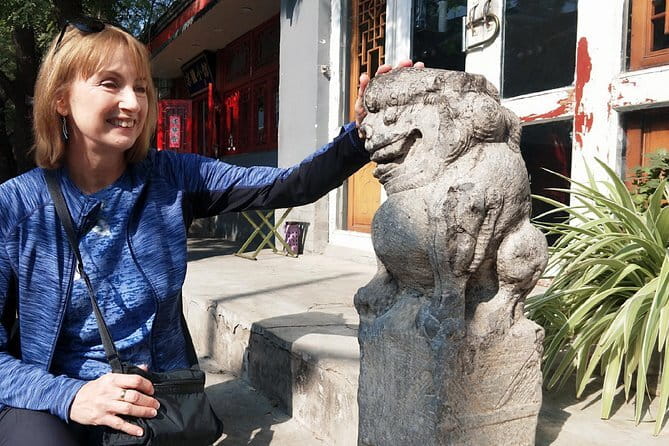
After the main hutong food stop, you take a gentle walk and let the flavors settle. The cultural break is built around a heritage site recognized as intangible heritage: an ancient timekeeping system that’s still functioning today.
This is a smart choice for a food tour. Food is memory, and timekeeping is the framework that shaped daily schedules, markets, and cooking rhythms. Even without obsessing over the details, you get a sense of how people organized life long before modern clocks.
Nearby, you’ll also observe authentic daily life. The tour sets up moments to notice small scenes—elderly locals playing chess and vendors getting ready for dinner. These aren’t staged photo moments. The point is to show you the ordinary texture of hutong routines, which is what you lose when you only stick to major sights.
If you hate walking or you want nonstop eating, this stop might feel like a breather. But for most people, it’s exactly what makes the evening memorable instead of repetitive.
Fusion in a Hidden Courtyard: East Meets West on a Traditional Stage

Just when you think you’ve tried enough classic dishes, the route takes you to a traditional courtyard restaurant with a twist. The theme here is fusion flavors—not fusion as a gimmick, but fusion as a real-world idea about how daily life changes.
You’ll sample creative takes on traditional dishes in a space that still looks like old Beijing. The guide also ties it to conversation: how foreigners live in hutong life, and what happens when old recipes meet modern ideas.
You get another interactive food moment here as well. The goal is to help you learn without turning the tour into a classroom. This kind of hands-on activity makes you pay attention to texture, technique, and small differences between dishes—things you often miss if you only watch and eat.
Practical note: courtyards can feel cooler or warmer depending on the season. Bring a light layer if your day was humid or if you expect evening temperature swings.
The Ancient Army One-Pot Feast: Practical Food with a Story
The final stop is the payoff: one pot, many stories, inspired by ancient military cooking. You’ll taste a dish built around the idea that soldiers needed practical nutrition they could carry and manage on the move.
The description you hear makes the food concept easier to understand: one copper pot, warm and balanced meal, and survival-focused cooking turned into flavor. Whether or not you’ve ever thought about ancient logistics while eating dinner, this stop makes you do it—in a good way.
This is also where the evening’s pacing comes together. Earlier stops give you variety and context. By the end, your meal becomes cohesive: hearty, satisfying, and tied to the deeper theme of food as function and culture.
If you want a strong finish that feels different from a generic restaurant dinner, this is it.
Price and Value: Why $88 Can Make Sense for an Evening Food Tour
At $88 for about three hours, you’re paying for more than plates. You’re paying for:
- a route that reaches off-the-beaten alleyways without you having to guess,
- a guide with prepared stories and cultural context,
- dinner included, plus bottled water,
- and small-group attention so you’re not stuck waiting for a big crowd.
If you tried to copy this on your own, you’d face two problems. First, you’d need time to find reliable hutong eateries that serve what you actually want to taste. Second, you’d spend energy interpreting menus or chasing the meaning behind what you eat. Here, the guide does that work before you sit down.
That said, one review feedback you should take seriously is the idea that the price can feel high if you only want a simple meal. If your budget is tight, or you’re only interested in a couple iconic street foods, this might not be the best match.
But if you want guided storytelling, hands-on moments, and a full evening dinner walk, the structure justifies the cost.
What You Should Plan for: Walking, Food Style, and Pace
This tour is designed for most people to participate, and it includes dinner. Still, you should plan as a walking evening. Wear comfortable shoes. Beijing hutong terrain is not always flat in the way big-city sidewalks are.
Food-wise, expect a pattern: tastings across multiple stops rather than one single restaurant meal. That tends to be ideal for first-time visitors because you get variety fast. It also helps you avoid the common trap of eating one dish and realizing you missed five other classics.
You will also likely meet the tour’s “surprise” idea. That means you should keep an open mind. If you love trying new flavors and textures, you’ll have an easier time.
If you have a service animal, it’s allowed. And since it’s near public transportation, you can build your route around your hotel and metro access without stress.
Who This Hutong Food Culture Tour Fits Best
This is a great fit if you:
- want a layover-friendly evening plan that doesn’t require deep trip planning,
- like food tours that explain why dishes exist, not just what they are,
- enjoy small-group dynamics where a guide can tailor surprises to your reactions,
- and want to experience Shichahai hutong life without doing it solo.
It may be less ideal if you:
- dislike walking at night,
- have very strict food rules and prefer full control of dishes,
- or feel you get more value from self-guided shopping and casual snacks rather than dinner-included tastings.
One more tip: if you’re traveling with friends and your group size increases the fun, ask about the tour’s group discounts before you decide. Small cost savings help when you’re trying multiple experiences in one trip.
Should You Book This Beijing Walking Food Culture Tour?
I’d book it if you want a focused, local-feeling Beijing night where the food is the headline and the stories make it stick. The small size, dinner included, and multiple hutong stops make it a solid value for an organized evening—especially if you don’t want to gamble on where to eat or what to order.
I’d pause if you’re on a tight budget and only want a quick meal. At $88, the price is part of the deal: the guide’s context, the route, and the hands-on moments are what you’re buying.
If you want to taste classic Beijing through hutong streets and courtyard kitchens, this tour is a strong choice. Just go in hungry, wear good shoes, and expect your evening to move like a calm walk with lots of stops.
FAQ
What time does the tour start, and how long is it?
The tour starts at 6:00 pm and runs for about 3 hours.
Where do I meet, and does it end there too?
You meet at Shichahai in Xicheng District, Beijing, and the activity ends back at the meeting point.
What’s included in the price?
Dinner and bottled water are included.
How big is the group?
The tour has a maximum of 8 travelers.
Will I get confirmation after booking?
Yes. Confirmation is received within 48 hours of booking, subject to availability.
Is it possible to cancel for a full refund?
Free cancellation is available. You can cancel up to 24 hours in advance for a full refund.
Is it suitable for most people, and can service animals join?
Most travelers can participate, and service animals are allowed.
More Tour Reviews in Beijing
- From Beijing: Mutianyu Great Wall Tours with Options
★ 4.9 · 9,216 reviews - Beijing: Forbidden City Tour(Group/Private)-Tickets Included
★ 4.8 · 7,974 reviews - Beijing: T-Square & Forbidden City Group or Private Tour
★ 4.8 · 4,446 reviews - All-Inclusive Tour: Tiananmen Square, Forbidden City, Great Wall
★ 5.0 · 2,873 reviews - MuBus: Mutianyu Great Wall ENG/ESP/RUS Guided Bus Tour
★ 5.0 · 2,361 reviews - 4-Hour Small Group Tour to Forbidden City with Entry Tickets
★ 5.0 · 1,863 reviews
Eat Beijing: More Food Walks
- Beijing Hutong Walking Food and Beer Tour at Hidden Restaurants
★ 5.0 · 1,132 reviews - Temple Heaven, Lama Temple, Summer Palace & Peking Duck Bus Tour
★ 5.0 · 377 reviews - Old Beijing Dinner Tour
★ 5.0 · 348 reviews - Beijing: Hidden Gems Guided Food Tour with Beer and Tastings
★ 4.9 · 306 reviews - Beijing Private Hutong Food Walking Tour
★ 5.0 · 299 reviews - Beijing: Hutong Culinary Walking Tour with 15+ Tastings
★ 5.0 · 162 reviews
Deeper Into the Hutongs
- Beijing Hutong Walking Food and Beer Tour at Hidden Restaurants
★ 5.0 · 1,132 reviews - Temple Heaven, Summer Palace, Lama Temple, Hutong Bus Tour
★ 4.7 · 319 reviews - Temple of Heaven, Summer Palace, Lama Temple, Hutong Tours
★ 5.0 · 311 reviews - Beijing Private Hutong Food Walking Tour
★ 5.0 · 299 reviews - The Hutong Experience by Bike
★ 5.0 · 163 reviews - Beijing: Hutong Culinary Walking Tour with 15+ Tastings
★ 5.0 · 162 reviews
Just In: More Beijing Tours to Browse


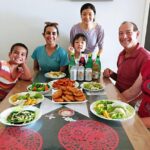

Hutong Walks & Rickshaw Tours, compared.
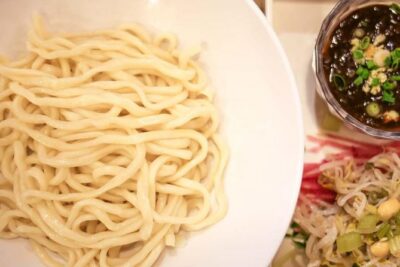 ★ 5.0Beijing Hutong Walking Food and Beer Tour at Hidden RestaurantsFrom $801,132 reviews
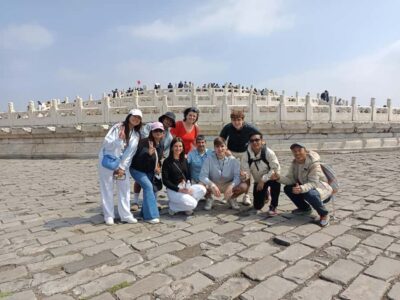 ★ 4.7Temple Heaven, Summer Palace, Lama Temple, Hutong Bus TourFrom $58319 reviews
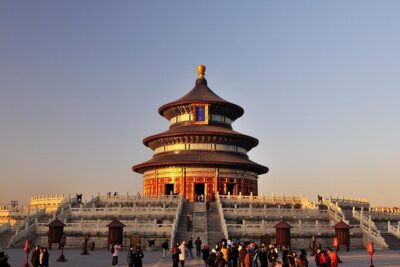 ★ 5.0Temple of Heaven, Summer Palace, Lama Temple, Hutong ToursFrom $99311 reviews
 ★ 5.0Beijing Private Hutong Food Walking TourFrom $82299 reviews
 ★ 5.0The Hutong Experience by BikeFrom $150163 reviews
 ★ 5.0Hutong Culinary Walking Tour with 15+ TastingsFrom $76162 reviews
 ★ 5.0Beijing Hutong Breakfast Food TourFrom $45155 reviews
 ★ 5.0Beijing City Walk: Explore Hutongs Life and Old BeijingFrom $15146 reviews
Browse the lists this tour appears in