
Reviewed · HUTONG WALKS & RICKSHAW TOURS
Hutong Walking Tour: Discover Real Beijing without Crowds
A quiet alley is about to teach you Beijing. I love the way this tour stitches real hutong life to major religious buildings, so you see the city as it works—not just as it’s photographed. The itinerary also gives you a built-in contrast between old courtyard neighborhoods and Beijing’s more modern edges, which makes the changes in urban design feel real.
I also like the small group setup and the chance to ask questions as you go—guides such as Dee or Tracy are repeatedly praised for pacing and for connecting what you’re seeing to daily life. One thing to consider: about half the tour isn’t spent in hutongs, so if your entire goal is hutongs only, you’ll want to think twice.
What makes this hutong tour worth your time
- Start at Xisi Station (easy metro access) and head into lesser-walked neighborhoods fast
- Half hutongs, half other local stops, so you get context rather than only alley time
- Temple + church mix shows how Beijing’s spiritual map layers over time
- 正阳书局 adds a practical local-shopping stop without the tourist-stall feel
- Complimentary traditional Beijing drink (often sour-plum or iced styles, depending on the stop/season)
In This Review
- Starting at Xisi Station: how this tour sets you up for real Beijing
- Guangji Temple and the Church of the Saviour: why Beijing’s faiths sit side by side
- 正阳书局: a local bookstore stop that’s actually useful
- Zhuanta Hutong: the alley experience you actually came for
- Emperors Temple of Past Dynasties: symbols you’ll recognize later
- Miaoying Temple and the tour’s quieter spiritual reset
- The local café break and your complimentary traditional drink
- Old hutongs vs the modern financial center: seeing urban change for real
- Price and value: what $49 buys you (and what it doesn’t)
- Who should book this tour, and who should skip it
- Should you book this Hutong Walking Tour?
- FAQ
- What time does the tour meet and where?
- How long is the tour, and how much walking is involved?
- How many people are in the group?
- What is included in the tour price?
- Are meals included?
- Is this tour suitable for wheelchair users or mobility impairments?
Starting at Xisi Station: how this tour sets you up for real Beijing
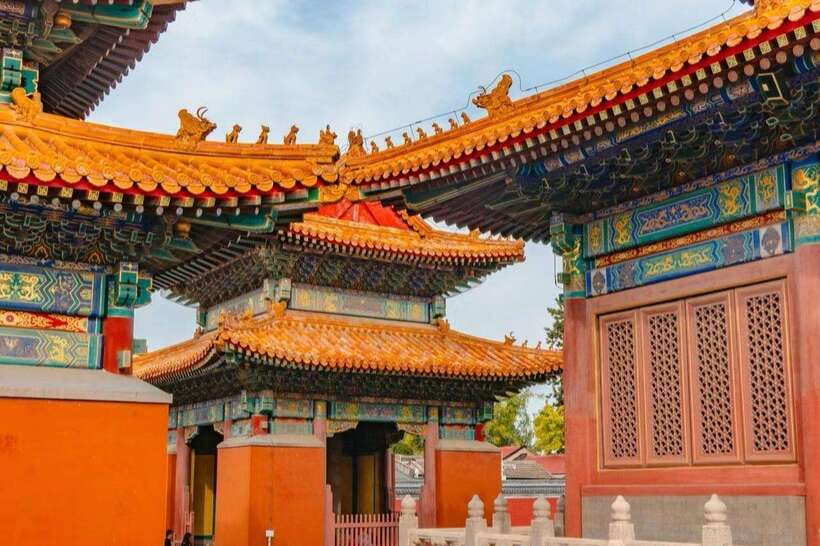
Meeting at Metro Line 4, Xisi Station Exit D, is one of those underrated details that matters in Beijing. The route is built for walking, not for constant rides. Once you’re together, you’ll move through a neighborhood that still feels like it belongs to the people living there.
This is a small group capped at 8, which changes the whole vibe. In a bigger tour, you spend your time watching. Here, you’re more likely to ask questions and get answers that match what you’re staring at—doorways, courtyard walls, temple layouts, street life, the whole everyday stuff. If it’s your first time in the city, that kind of on-the-ground explanation helps you get your bearings fast.
Plan for around 3 km of walking in 2.5 hours. That’s not a marathon, but it is enough that you should wear comfortable shoes and take the “weather days” seriously. Bring a hat and sunscreen if the sun is out; you’ll be outside enough that you’ll feel it.
Down the grey-brick lanes on foot or by pedicab
Guangji Temple and the Church of the Saviour: why Beijing’s faiths sit side by side
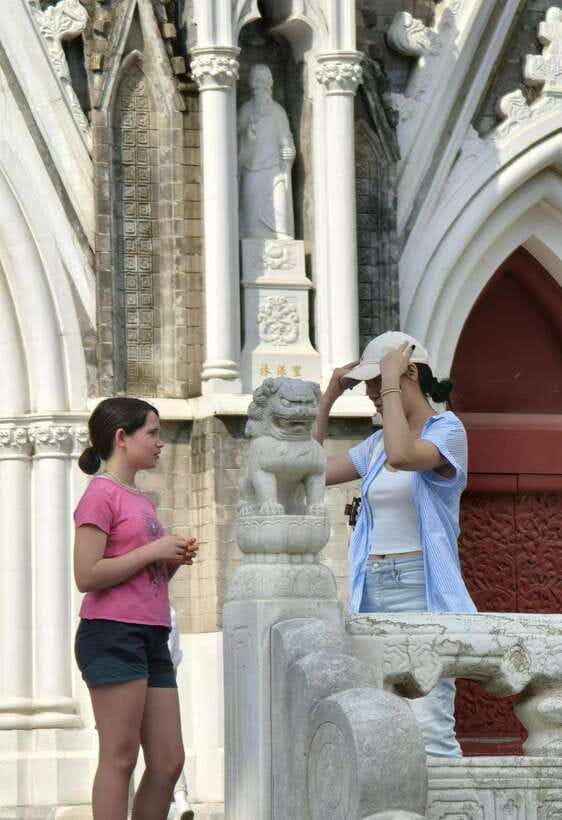
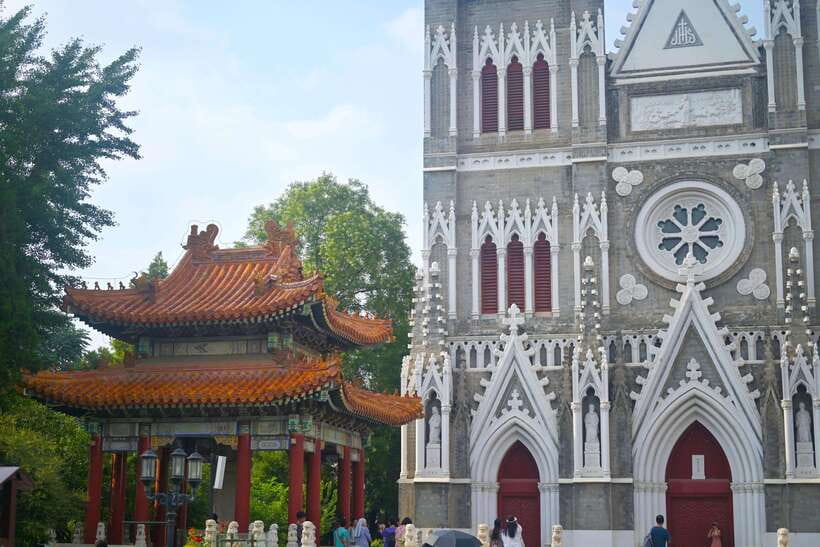
One of the most interesting parts of this tour is that it doesn’t frame Beijing as only one kind of tradition. You start with Guangji Temple, then you shift into the Church of the Saviour, Beijing. That pairing may sound like a random mix, but it’s actually the point.
Beijing’s neighborhoods don’t arrange themselves like a museum exhibit. Spiritual buildings often share space and street life across eras, and you can see that layering up close. In plain terms: you’re walking through a city where different communities used the same urban framework—streets, walls, courtyards, gathering spaces—over time.
What I like here is that the guide’s job isn’t just to point at buildings. The value is in how you understand the why: how these spaces function, how they reflect cultural priorities, and how design choices show what a community wanted from the place.
A drawback to note: if you’re mainly chasing hutong alley scenes and you dislike churches/temples as stops, your schedule may feel slightly “split.” But if you want Beijing to make sense as a whole city, this mix helps.
正阳书局: a local bookstore stop that’s actually useful
Next you’ll visit 正阳书局. This isn’t only a cute photo stop. It’s a shopping moment that feels more like Beijing than like souvenir buying, which matters if you want something to take home besides a magnet.
Here’s how to use this stop well: treat it like a chance to read the room. Look for local guides, books, maps, or small items that reflect what locals use—then you can use the suggestions from your guide right after. Several people mention getting recommendations for where to eat and how to move around on their own, and a stop like this supports that.
If you hate shopping on tours, you can still benefit. Browse for 10–15 minutes, ask questions, and then let it be quick. The tour isn’t built around draining your wallet.
Zhuanta Hutong: the alley experience you actually came for
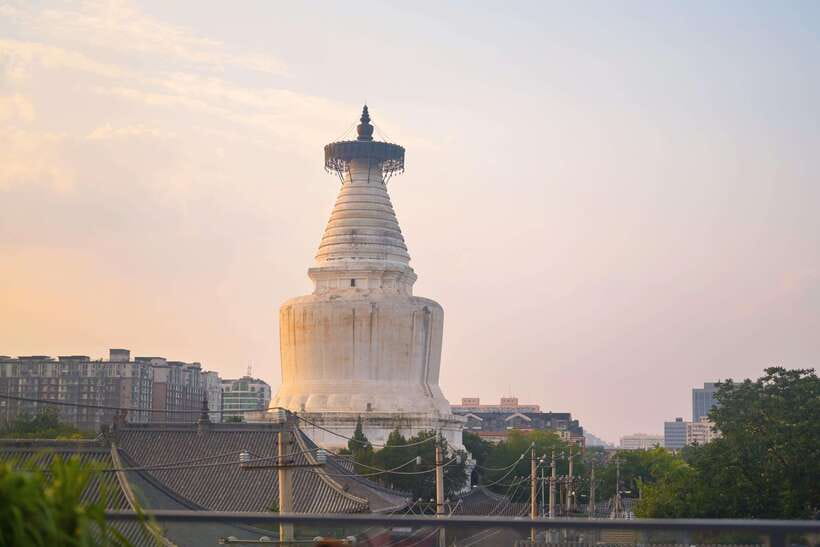
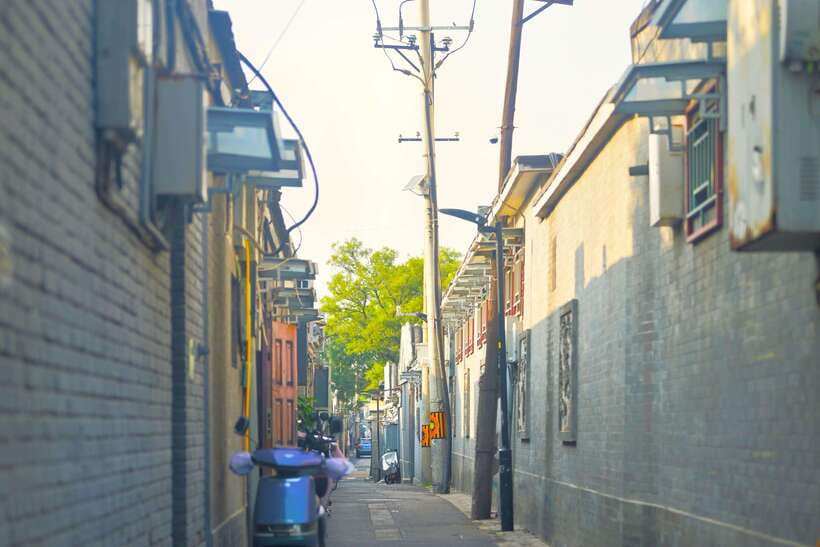
Now you reach Zhuanta Hu Tong, one of the traditional lanes that helps you feel the “pulse” of older Beijing. Hutongs aren’t just pretty narrow streets. They’re a whole way of organizing daily life—where neighbors interact, where people come and go, where courtyards create privacy, shade, and rhythm.
This is where the tour’s title promise shows up in real terms. Your guide explains hutong history and culture as you walk, and you’ll also get context about how Beijing’s urban design has changed. Even if you’ve read about courtyard housing before, seeing it as you walk helps connect the dots: why certain buildings are oriented the way they are, how space is used, and what it means when a neighborhood changes.
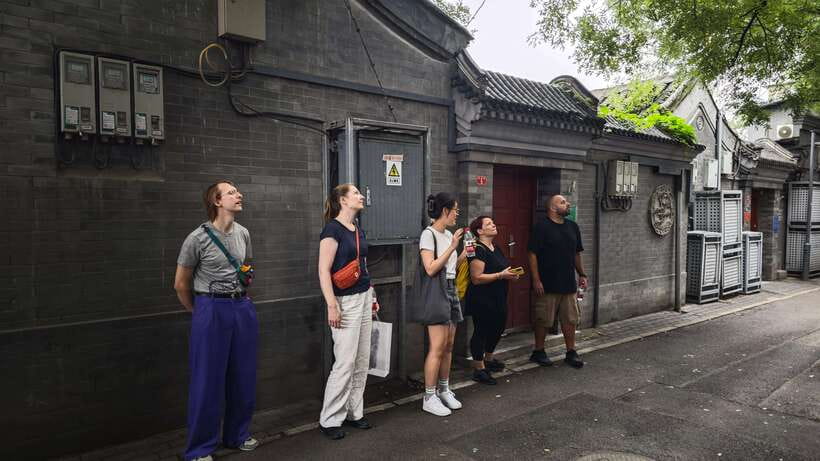
One important practical note: because you’re visiting resident areas, you’ll need to respect privacy. That means no hanging around the wrong doorway area and no treating people’s homes like an outdoor set. The tour is designed for respectful walking—follow that tone and everyone’s happier.
Emperors Temple of Past Dynasties: symbols you’ll recognize later
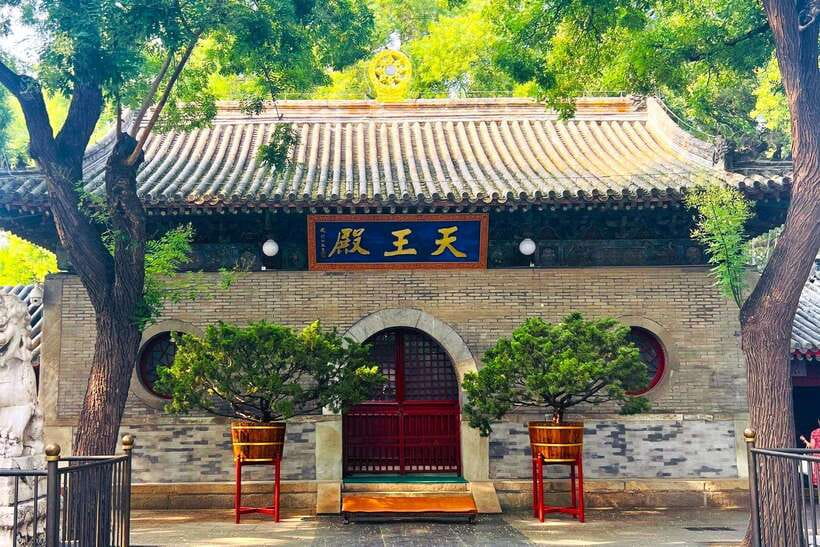
The Emperors Temple of Past Dynasties stop includes a photo stop plus guided visit. This is the kind of site that becomes more interesting after your guide gives you the symbolic lens. You start noticing how architecture communicates authority, spirituality, and memory.
Why this matters: Beijing’s major sights (and even its smaller ones) rely on visual language—details that connect to dynasties, rituals, and cultural priorities. Once you learn how to “read” that language at a place like this, other architecture starts to look less random and more intentional.
Also, temples like this often offer a calmer mood than the street sections. If you’re the type who enjoys stepping out of the noise for a bit, you’ll appreciate the pacing. You won’t be stuck in temples the entire time, but you do get a chance to slow down.
Beijing at street level, more routes on foot
- Beijing Hutong Walking Food and Beer Tour at Hidden Restaurants★ 5.0 · 1,132 reviews
- Private Beijing Walking Tour of the Forbidden City with 7 Options★ 5.0 · 675 reviews
- Forbidden City Private Walking Tour with Optional Sights★ 5.0 · 400 reviews
- Beijing Private Hutong Food Walking Tour★ 5.0 · 299 reviews
- Beijing: Hutong Culinary Walking Tour with 15+ Tastings★ 5.0 · 162 reviews
Miaoying Temple and the tour’s quieter spiritual reset
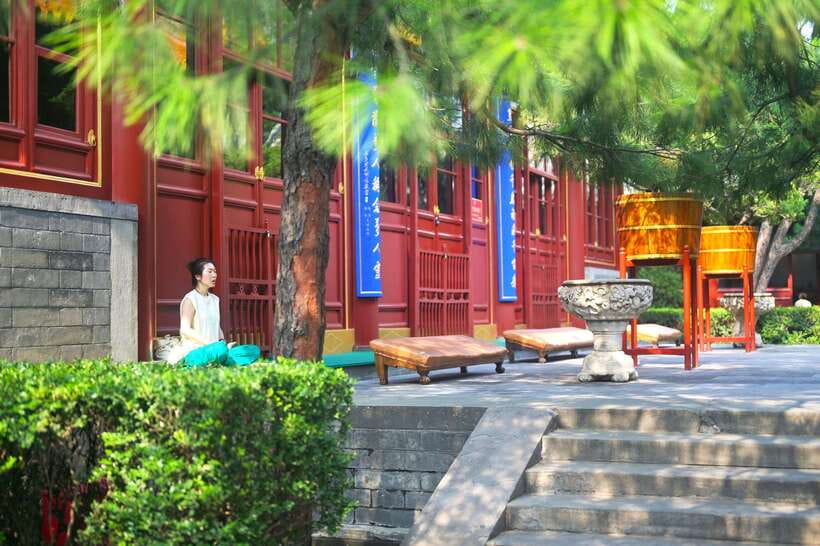
After a café break, you’ll reach Miaoying Temple for a photo stop and guided visit. People tend to remember this part because it often feels like a step away from street bustle. Even without crowds, temples create a different tempo—space, sound, movement, how visitors gather.
Guides usually bring these places to life by connecting architecture to practice. You’re not just told what a building is—you’re taught what people come to do there and how that fits into Beijing’s cultural patterns.
If you’re worried about getting “templed out,” don’t. The tour spreads spiritual stops across the walk, and the café break gives your legs a breather. Still, if you’re only interested in residential hutongs and hate religious sites, this tour may not match your style.
The local café break and your complimentary traditional drink
The itinerary includes a local café break time, and the tour includes a traditional Beijing drink. This is more than a perk. It’s the point where the experience becomes social and practical, and it gives you a chance to reset.
What kind of drink? The tour’s included beverage is described as traditional Beijing fare, and the versions people mention include sour-plum styles (sometimes with Chinese herbs) as well as iced-tea options served in café or terrace settings. You’re essentially getting a taste of the city’s seasonal “standard”—a refreshing counterpoint to walking.
How to make this moment count: sip slowly, watch how locals pace their time, and ask your guide what to order next when you’re hungry later. One reason this tour gets praised is because the guide doesn’t just talk architecture—they also share where to eat and how to plan your next steps.
Old hutongs vs the modern financial center: seeing urban change for real
One of the biggest strengths of this tour is the contrast it builds into your route. You’ll walk through traditional siheyuan-related ideas and historic structures, and then you’ll see the shift toward modern Beijing—big-city design, modern institutions, and the feeling of a neighborhood getting pulled into a larger system.
This matters because Beijing’s story isn’t only about ancient sites. It’s about what’s stayed, what’s changed, and what replaced older patterns. When you walk from traditional hutong lanes toward the city’s more modern spaces, you can feel that transition in scale, street width, and how people move.
So even if you’re not an architecture nerd, you’ll leave with a clearer understanding of why Beijing looks the way it does today.
Price and value: what $49 buys you (and what it doesn’t)
At $49 per person for 2.5 hours with a small group, this tour prices like a “local context” experience rather than a major-sight ticket package. What you’re paying for is the guide time, the route that strings together meaningful stops, and the access costs that are included.
What’s included:
- A local guide (English or Chinese)
- Entrance fee for the Palace of Ancient Monarchs (note: it’s closed on Monday)
- The traditional Beijing drink
- The walking tour itself
What’s not included:
- Transportation to/from the meeting area
- Meals and other personal expenses
For value, the key is that the tour covers multiple kinds of places—hutongs, temples, a church, and even a bookstore stop—and you also get practical advice for after the tour. If you want one outing that improves your next two or three days of Beijing exploring, this can be a cost-effective way to start.
But don’t book it if you’re expecting unlimited hutong time. Since about half the tour isn’t in hutongs, your money is buying context, not only alleys.
Who should book this tour, and who should skip it
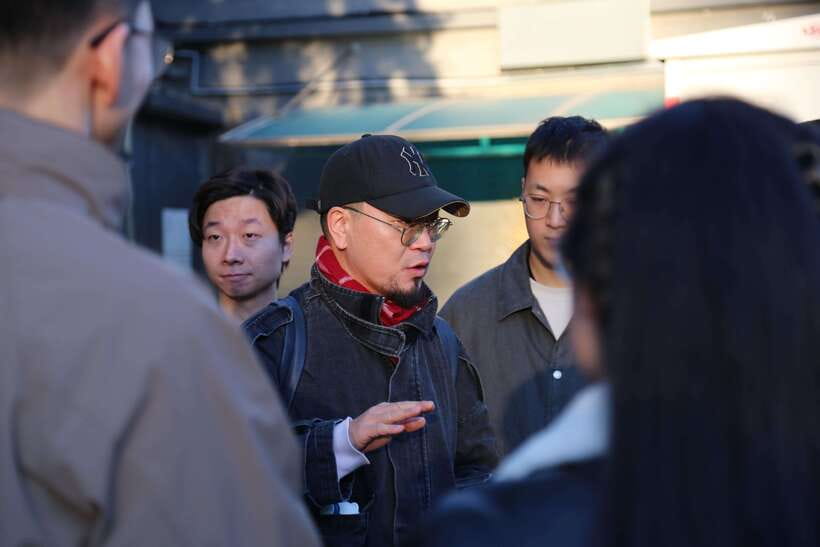
This hutong walk is a great fit if:
- You want a less crowded, more local way to experience central Beijing
- You care about architecture and urban design changes
- You’d like a first-day or early-trip tour so you leave with restaurant and travel tips
- You’re comfortable walking around 3 km with weather exposure
It’s a poor fit if:
- You need wheelchair access or have mobility limitations; it’s not suitable for wheelchair users
- You only want hutongs and hate any split schedule with temples or churches
- You’re looking for a short, minimal-walking hit-and-run
Also, this is a “respect the neighborhood” style tour. Keep voices down near resident areas, don’t crowd doorways, and let residents live their day.
Should you book this Hutong Walking Tour?
Yes, if you want the most practical kind of Beijing introduction: not just landmarks, but the way daily life, faith spaces, and architecture work together. The small group size and the guide’s ability to explain what you’re seeing are big parts of the value, and the included traditional drink turns the walk into something you’ll remember for taste, not only for photos.
Skip it only if your priority is hutongs-only time. Since roughly half the tour goes beyond the hutongs, the experience is broader than the title promise.
If your schedule includes a Monday, remember that the included entrance fee is tied to the Palace of Ancient Monarchs, which is listed as closed on Monday—so plan your expectations accordingly.
FAQ
What time does the tour meet and where?
You meet at Metro Line 4, Xisi Station, Exit D.
How long is the tour, and how much walking is involved?
The tour runs for 2.5 hours and involves about 3 km of walking.
How many people are in the group?
The group is small, limited to 8 participants.
What is included in the tour price?
Included are the 2.5-hour walking tour, a local guide, the entrance fee for the Palace of Ancient Monarchs (closed on Monday), and a traditional Beijing drink.
Are meals included?
No. Meals are not included, and you’ll be responsible for food and other personal expenses.
Is this tour suitable for wheelchair users or mobility impairments?
No. It is not suitable for people with mobility impairments and wheelchair users.
More Beijing Outings
- From Beijing: Mutianyu Great Wall Tours with Options
★ 4.9 · 9,216 reviews - Beijing: Forbidden City Tour(Group/Private)-Tickets Included
★ 4.8 · 7,974 reviews - Beijing: T-Square & Forbidden City Group or Private Tour
★ 4.8 · 4,446 reviews - All-Inclusive Tour: Tiananmen Square, Forbidden City, Great Wall
★ 5.0 · 2,873 reviews - MuBus: Mutianyu Great Wall ENG/ESP/RUS Guided Bus Tour
★ 5.0 · 2,361 reviews - 4-Hour Small Group Tour to Forbidden City with Entry Tickets
★ 5.0 · 1,863 reviews
More Tour Reviews in Beijing
- From Beijing: Mutianyu Great Wall Tours with Options
★ 4.9 · 9,216 reviews - Beijing: Forbidden City Tour(Group/Private)-Tickets Included
★ 4.8 · 7,974 reviews - Beijing: T-Square & Forbidden City Group or Private Tour
★ 4.8 · 4,446 reviews - All-Inclusive Tour: Tiananmen Square, Forbidden City, Great Wall
★ 5.0 · 2,873 reviews - MuBus: Mutianyu Great Wall ENG/ESP/RUS Guided Bus Tour
★ 5.0 · 2,361 reviews - 4-Hour Small Group Tour to Forbidden City with Entry Tickets
★ 5.0 · 1,863 reviews
Deeper Into the Hutongs
- Beijing Hutong Walking Food and Beer Tour at Hidden Restaurants
★ 5.0 · 1,132 reviews - Temple Heaven, Summer Palace, Lama Temple, Hutong Bus Tour
★ 4.7 · 319 reviews - Temple of Heaven, Summer Palace, Lama Temple, Hutong Tours
★ 5.0 · 311 reviews - Beijing Private Hutong Food Walking Tour
★ 5.0 · 299 reviews - The Hutong Experience by Bike
★ 5.0 · 163 reviews - Beijing: Hutong Culinary Walking Tour with 15+ Tastings
★ 5.0 · 162 reviews
Just In: More Beijing Tours to Browse



Hutong Walks & Rickshaw Tours, compared.
 ★ 5.0Beijing Hutong Walking Food and Beer Tour at Hidden RestaurantsFrom $801,132 reviews
 ★ 4.7Temple Heaven, Summer Palace, Lama Temple, Hutong Bus TourFrom $58319 reviews
 ★ 5.0Temple of Heaven, Summer Palace, Lama Temple, Hutong ToursFrom $99311 reviews
 ★ 5.0Beijing Private Hutong Food Walking TourFrom $82299 reviews
 ★ 5.0The Hutong Experience by BikeFrom $150163 reviews
 ★ 5.0Hutong Culinary Walking Tour with 15+ TastingsFrom $76162 reviews
 ★ 5.0Beijing Hutong Breakfast Food TourFrom $45155 reviews
 ★ 5.0Beijing City Walk: Explore Hutongs Life and Old BeijingFrom $15146 reviews
Browse the lists this tour appears in