Reviewed · CHINESE CALLIGRAPHY CLASSES
Beijing liulichang : Learn Calligraphy orCarving from Master
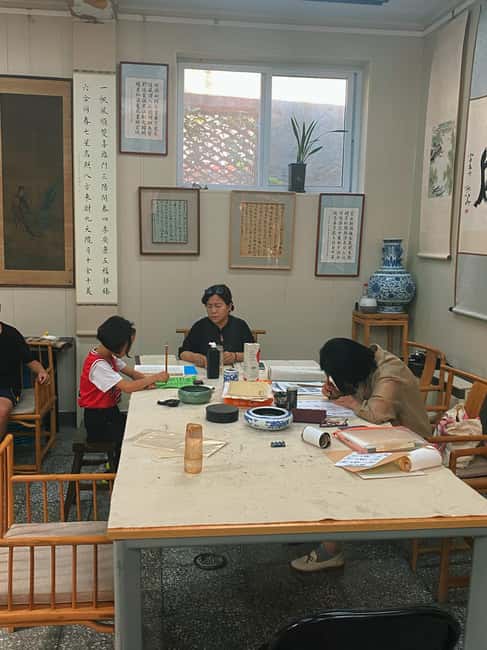
Paper, ink, and a master in hutongs. This is one of the best ways to slow down in Beijing: you trade crowds and camera angles for a calm studio session where you choose the art and actually make something. I like the small-group feel, because you get real attention instead of standing in the back of a classroom, and I like that you leave with a finished, personal souvenir. One watch-out: the time is limited, so you pick one discipline—calligraphy, fan painting, or seal carving—and you won’t do all three.
You’ll meet at Liulichang East Street, then take a short walk through the Liulichang area before stepping into the workshop. The guide team is set up for communication in English and Chinese, and the whole point is learning the meaning behind each craft, not just copying a pretty result. If you’re hoping for nonstop sightseeing, this won’t feel like that. It’s a hands-on cultural experience, built for focus.
In This Review
- Key things to know before you go
- Why Liulichang hutongs work so well for a workshop
- Choosing calligraphy, fan painting, or seal carving
- Calligraphy: The meditation of ink
- Fan painting: Elegance you can use
- Seal carving: Your name chop
- Arriving at Liulichang East Street and getting oriented fast
- Inside the studio: what the master-led teaching feels like
- Calligraphy session: from brush control to a keepsake on rice paper
- Fan painting session: choosing a motif and painting for balance
- Seal carving session: identity, practice first, then the real chop
- How the small group setup changes everything
- The souvenirs you take home (and how to enjoy them later)
- Price and value for about $75
- Who should book this, and who might not love it
- Should you book this Liulichang workshop?
- FAQ
- How long is the workshop?
- What can I make during the session?
- Do I need prior experience?
- Are materials included?
- What languages will I be taught in?
- Where do we meet?
- Is transportation included?
- Can I cancel or change plans last minute?
Key things to know before you go
- Liulichang hutong area first: a brief neighborhood introduction before the workshop starts.
- Pick one craft: calligraphy, fan painting, or seal carving, with materials included.
- Master-led creation: you work under an expert artisan in a traditional studio setting.
- Small-group attention: enough interaction to ask questions and adjust your technique.
- Built-in practice: especially for carving, you start with a training phase before the real piece.
- English support: instruction is available in English and Chinese, with extra help when needed.
Brush, ink and rice paper, more quiet hours
Why Liulichang hutongs work so well for a workshop
Most Beijing experiences either race from site to site or stick you in a big group where you don’t touch anything. This one gives you a different rhythm. Liulichang is known for traditional arts, and the workshop location matches the theme: quiet studio time rather than a performance for tourists.
What I like about this format is the pacing. You get a short, practical orientation in the Liulichang area, then you switch modes into making. That’s a real change of pace in a city where it’s easy to spend hours just moving between landmarks.
Also, you’re not competing with crowds. The experience is designed for a tranquil, immersive studio environment. Even if you’re not an art person, the atmosphere makes it easier to relax and concentrate.
Choosing calligraphy, fan painting, or seal carving
This is the core decision, and it’s worth thinking about before you arrive. You’ll do one hands-on workshop: calligraphy, fan painting, or seal carving. Each choice teaches a different kind of Chinese art thinking—control, composition, or identity.
Calligraphy: The meditation of ink
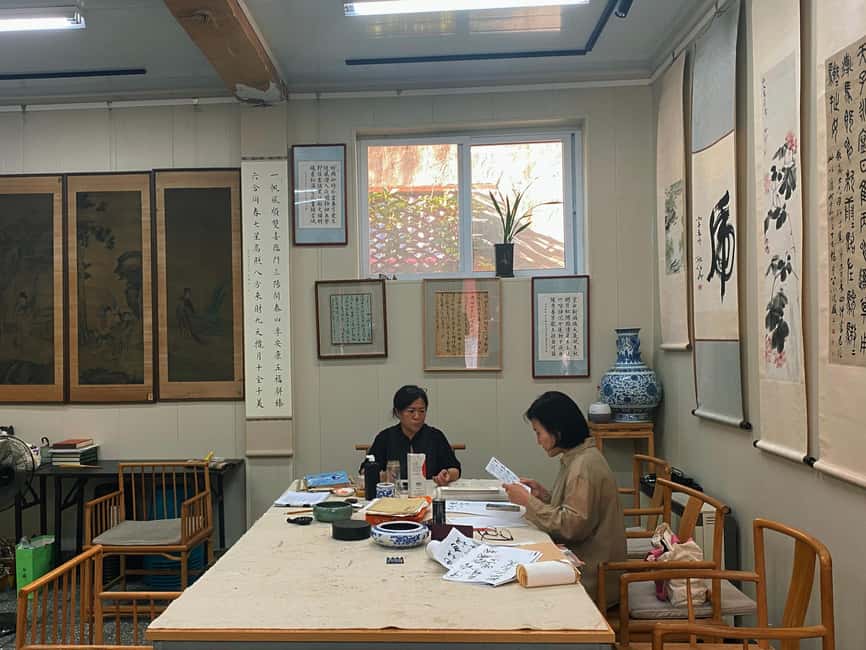
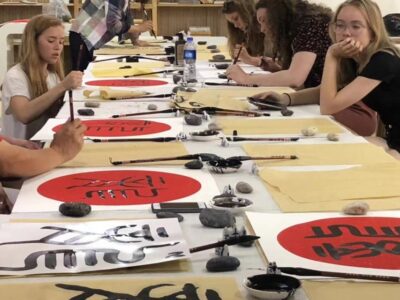
If you like the idea of focus and flow, calligraphy is your match. You learn brushstroke basics and then write something meaningful—either a proverb or your own name. You’ll work on rice paper and take home the piece you create.
What’s clever here is that you’re not just doing strokes for the sake of strokes. Writing a proverb or your name turns the practice into something personal, which helps your brain stay engaged for the full session.
Fan painting: Elegance you can use
Fan painting is a great pick if you want a finished object that’s functional as well as decorative. You’ll paint a design on a silk round fan and choose a classic motif such as bamboo or orchids.
The value here is twofold: you learn the craft and you leave with something you can actually carry and show. A fan is also a nice souvenir for people who don’t want to manage flat paper only.
- From Beijing: Mutianyu Great Wall Tours with Options★ 4.9 · 9,216 reviews
- Beijing: Forbidden City Tour(Group/Private)-Tickets Included★ 4.8 · 7,974 reviews
- Beijing: T-Square & Forbidden City Group or Private Tour★ 4.8 · 4,446 reviews
- All-Inclusive Tour: Tiananmen Square, Forbidden City, Great Wall★ 5.0 · 2,873 reviews
- MuBus: Mutianyu Great Wall ENG/ESP/RUS Guided Bus Tour★ 5.0 · 2,361 reviews
Seal carving: Your name chop
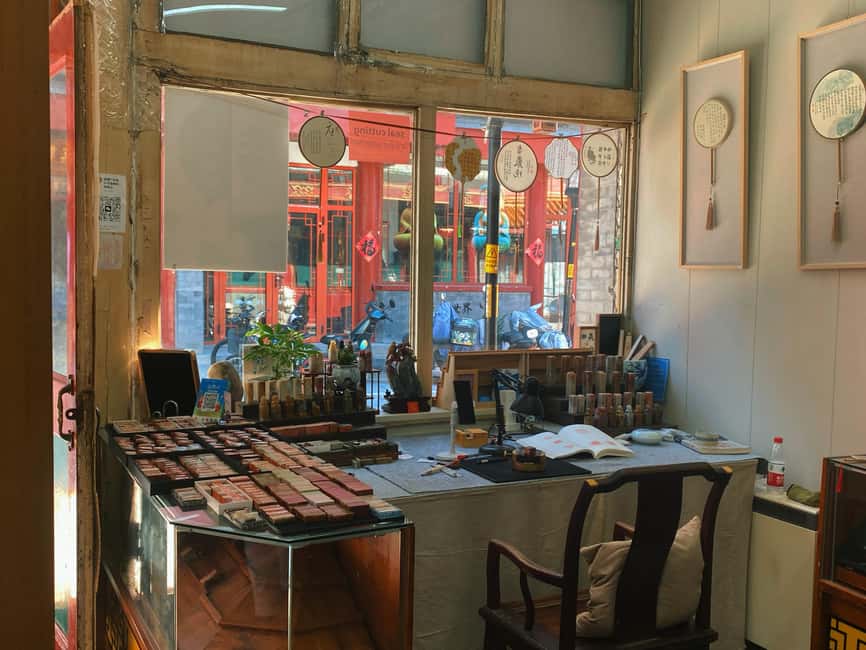
Seal carving is for the hands-on tinkerer. You craft a personal Chinese name stamp, often called a chop, which is a signature used for centuries. You carve your characters and leave with your unique seal.
A useful detail: you practice first. One highlight from the experience is that you get time on practice stone materials before carving on the real piece. That’s the kind of teaching move that prevents frustration and makes beginners feel capable quickly.
Arriving at Liulichang East Street and getting oriented fast
Your meeting point is the small square entrance of Liulichang East Street. Look for your guide holding a sign that says Sino-Voyages. After you gather, you’ll first take a brief Liulichang walk. The goal isn’t a long tour. It’s to help you feel the place—traditional storefront energy and the arts district vibe—so the studio session lands better when you step inside.
Then you head to the workshop. Expect a calmer tempo once you arrive: the studio setting is designed for focus, and the materials are ready for your chosen activity.
If you’re coming late or confused, don’t panic—Liulichang is a famous meeting-area style location—but do keep an eye out for the Sino-Voyages sign so you don’t end up wandering around the wrong entrance.
Inside the studio: what the master-led teaching feels like
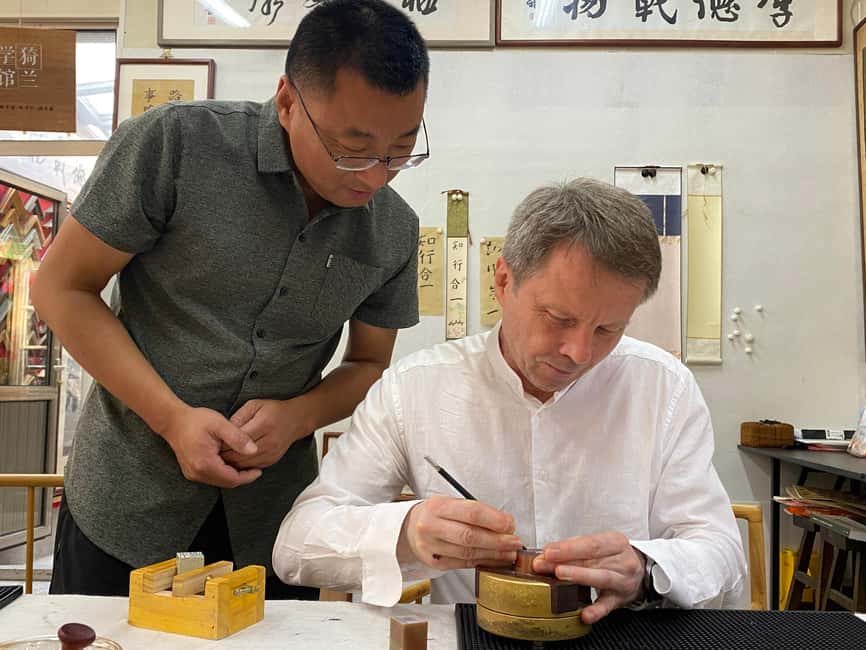
This is guided by an expert artisan in a traditional studio environment. The difference between a craft class and a true workshop is whether someone corrects your technique as you go. This experience is structured so you get that kind of feedback.
I especially like the way they set you up for success. Beginners are told you don’t need prior experience, and the session includes guidance plus hands-on practice. That matters because a lot of craft experiences break down into: watch, try, hope. Here, you’re taught the steps and given support.
There’s also language support. Instruction is listed in English and Chinese. In at least some sessions, English support is provided by the instructor—Bruce Gao is named as an instructor—and interpreters help with communication between you and the master artisan. If you don’t speak Chinese, this reduces the usual fear of not understanding key technique notes.
Calligraphy session: from brush control to a keepsake on rice paper
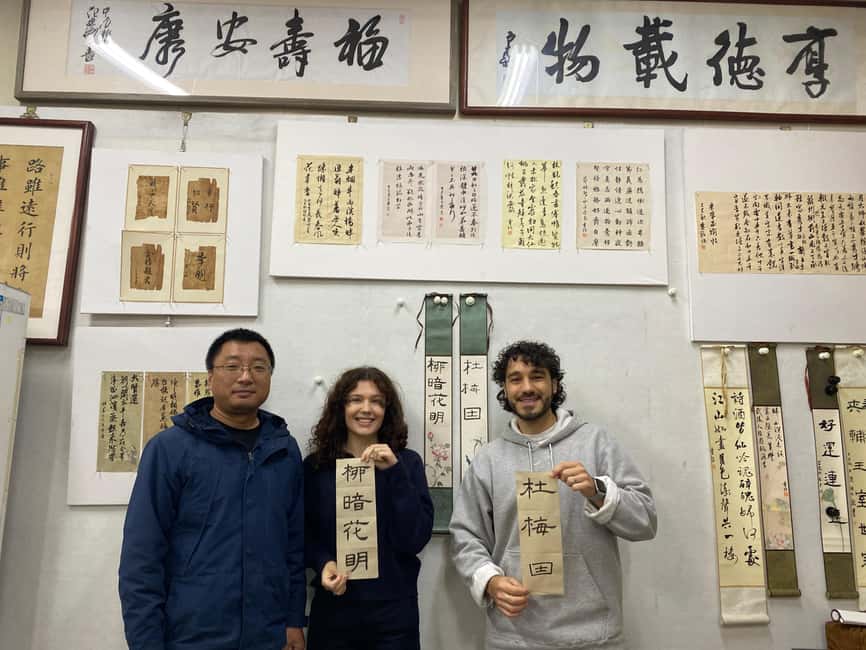
In the calligraphy option, you start with brushstroke technique and then move into writing a message with meaning. You can copy or choose a proverb, or you can write your own name. Either way, the result is something you can keep and look at later.
Here’s why I think calligraphy is a smart choice for travelers: it forces you to slow your movements. That sounds simple, but it changes how you experience the city. Instead of chasing Beijing, you’re practicing a kind of calm precision.
Time-wise, the session is built around learning, then producing. You shouldn’t expect it to become a long-term training program. But for 2 to 2.5 hours, it’s enough time to create a piece you’re proud to take home.
Fan painting session: choosing a motif and painting for balance
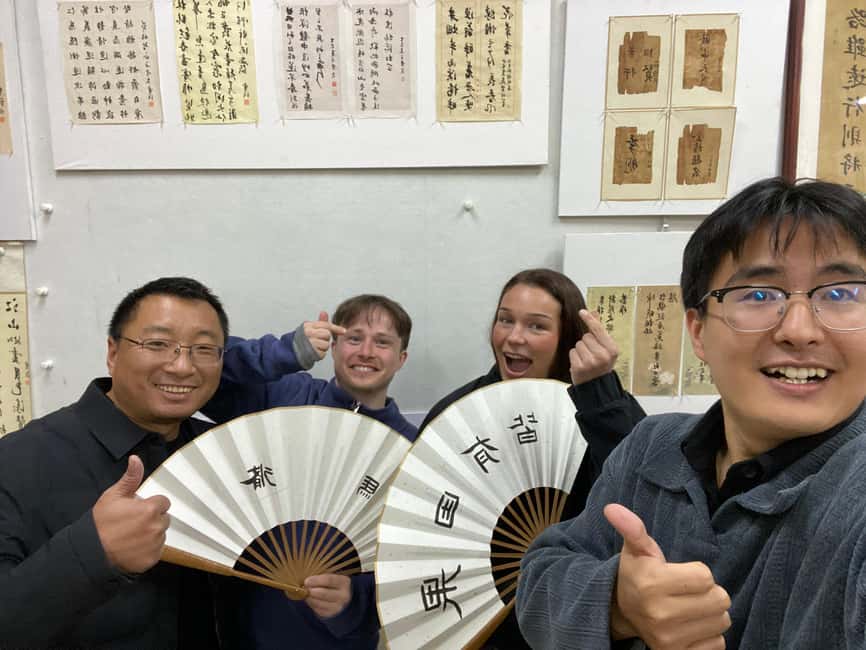
Fan painting takes a different approach. You’ll paint your design on a delicate silk round fan and choose a classic motif such as bamboo or orchids.
The key thing you’re learning is composition—how to place strokes so the design looks intentional on a curved surface. Silk can be a little tricky, so you’ll likely appreciate the expert guidance that keeps your strokes clean.
I also like this option for practical reasons. A painted fan is easier to pack than an awkwardly shaped object, and it’s visually striking even if you’re not a craft expert.
Seal carving session: identity, practice first, then the real chop
Seal carving is the most “hands-on” of the three options. You carve your own Chinese name chop, which functions as a traditional signature stamp. You learn to carve the characters and leave with the finished seal.
One major teaching advantage is the practice phase. You don’t jump straight to carving the final piece. You get time to practice first, which helps you understand the tools and the carving depth before you commit to the actual design.
If you enjoy tasks where your hands and focus matter, you’ll probably love this option. It’s also a meaningful souvenir—this isn’t just a decorative item. It’s tied to identity and a real cultural practice.
How the small group setup changes everything
A big part of the value here is small group attention. When a class is crowded, you get rushed, and corrections get generic. In a smaller group, instructors can guide your position, technique, and pace.
You also get better interaction with the team. If you’re using English, you can ask questions and clarify meaning. If you’re using Chinese, you can go deeper faster. Either way, your session feels more like a workshop than a tourist stop.
This is especially helpful for the crafts that rely on subtle technique. Calligraphy, carving, and painting all reward small adjustments—and those adjustments are easier when you’re not just one face in a line.
The souvenirs you take home (and how to enjoy them later)
You’ll leave with your personalized handmade artwork. That’s the obvious part, but the real benefit is ownership. Your name in calligraphy, your motif on a fan, or your carved chop isn’t a generic “made in a workshop” souvenir. It’s your choices plus your effort under guidance.
One practical tip: plan how you’ll carry it. If you do calligraphy, treat it like paper artwork—handle carefully and protect it during travel. If you do the fan or seal, you’ll still want a safe bag, especially for the seal carving piece since tools and carved edges mean you should pack it thoughtfully.
Also, take a minute after the workshop to think about what you created. You’ll remember it better when you connect the piece to the art tradition they explain during the session.
Price and value for about $75
At $75 per person for 2 to 2.5 hours, this isn’t a bargain craft where you pay for a quick demo. It’s priced more like a true workshop: you’re paying for expert instruction, a guided practice process, and high-quality materials that are included for the activity you choose.
The value also comes from the structure. You aren’t just watching or copying. You’re producing a handmade souvenir, and the class is designed to keep you engaged the whole time—especially with the guided steps and, in some options, practice before the final piece.
If you’re deciding between this and another Beijing activity, ask yourself one question: do you want to leave with photos, or do you want to leave with something you made with your own hands? If it’s the second one, this price starts to look fair.
Who should book this, and who might not love it
You’ll likely enjoy this most if you want:
- a quieter Beijing experience away from major tourist crowds
- a hands-on cultural activity with real teaching support
- a take-home souvenir that feels personal, not mass-produced
- an experience where you can choose the craft that fits your interests
You might skip it if:
- you’re only in Beijing for a very short time and want nonstop landmark time
- you get restless with focused, seated work
- you’re traveling with very young children (it’s not suitable for children under 5)
Should you book this Liulichang workshop?
Yes—if you want Beijing to feel human and creative, not just monumental. This experience is built around a studio setting, small-group interaction, and a master-led approach where you make one meaningful craft and take it home.
Book it especially if you’re tired of tours where you do lots of walking and zero creating. If you’ve got even a little curiosity about Chinese arts, you’ll get more from the explanations when you’re also holding the brush or the carving tool.
FAQ
How long is the workshop?
The experience lasts about 2 to 2.5 hours.
What can I make during the session?
You choose one: calligraphy, fan painting, or seal carving.
Do I need prior experience?
No prior experience is needed.
Are materials included?
Yes. High-quality materials are provided for your selected activity.
What languages will I be taught in?
Instruction is available in English and Chinese.
Where do we meet?
Meet at the small square entrance of Liulichang East Street, and look for a guide holding a Sino-Voyages sign.
Is transportation included?
No. Transportation to the venue is not included.
Can I cancel or change plans last minute?
Free cancellation is available up to 24 hours in advance for a full refund. There’s also a reserve now & pay later option to keep plans flexible.
More Tour Reviews in Beijing
- From Beijing: Mutianyu Great Wall Tours with Options
★ 4.9 · 9,216 reviews - Beijing: Forbidden City Tour(Group/Private)-Tickets Included
★ 4.8 · 7,974 reviews - Beijing: T-Square & Forbidden City Group or Private Tour
★ 4.8 · 4,446 reviews - All-Inclusive Tour: Tiananmen Square, Forbidden City, Great Wall
★ 5.0 · 2,873 reviews - MuBus: Mutianyu Great Wall ENG/ESP/RUS Guided Bus Tour
★ 5.0 · 2,361 reviews - 4-Hour Small Group Tour to Forbidden City with Entry Tickets
★ 5.0 · 1,863 reviews
The Brush and the Ink
- Beijing Calligraphy Class
★ 4.9 · 112 reviews - Chinese Calligraphy Class for Small Group
★ 5.0 · 104 reviews - Beijing Historic City Guided Walking Tour + Calligraphy Creation
★ 5.0 · 59 reviews - Beijing Wangfujing Calligraphy Class by Forbidden City
★ 5.0 · 58 reviews - Beijing Culture: Tea Ceremony, Heritage Instrument & Calligraphy
★ 5.0 · 57 reviews - Beijing Wangfujing Calligraphy Class Nearby Forbidden City
★ 5.0 · 56 reviews
Just In: More Beijing Tours to Browse




Chinese Calligraphy Classes, compared.
 ★ 4.9Beijing Calligraphy ClassFrom $20112 reviews
 ★ 5.0Chinese Calligraphy Class for Small GroupFrom $20104 reviews
 ★ 5.0Beijing Historic City Guided Walking Tour + Calligraphy CreationFrom $559 reviews
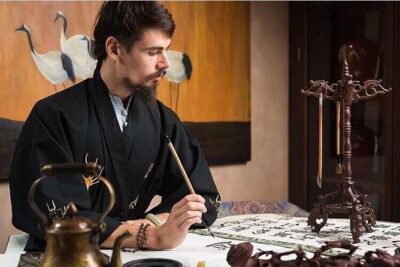 ★ 5.0Beijing Wangfujing Calligraphy Class by Forbidden CityFrom $2058 reviews
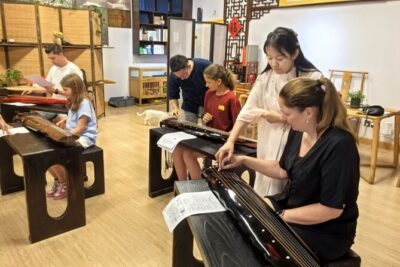 ★ 5.0Beijing Culture: Tea Ceremony, Heritage Instrument & CalligraphyFrom $7857 reviews
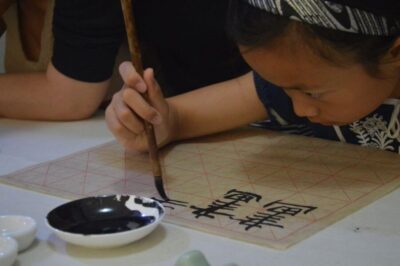 ★ 5.0Beijing Wangfujing Calligraphy Class Nearby Forbidden CityFrom $3556 reviews
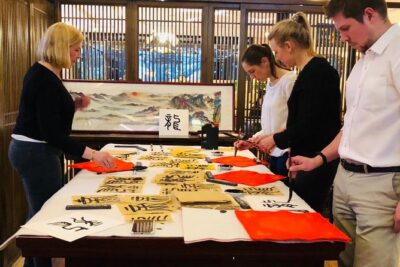 ★ 5.0Noon Calligraphy ClassFrom $2047 reviews
 ★ 4.3Discover Old Beijing: Hutong Walking Tour & CalligraphyFrom $2524 reviews
Browse the lists this tour appears in